


Antique Urn Table Lamps
Antique urn table lamps bring classical proportion to a room, offering sculptural presence and warm illumination from repurposed vessels.
What antique urn table lamps are
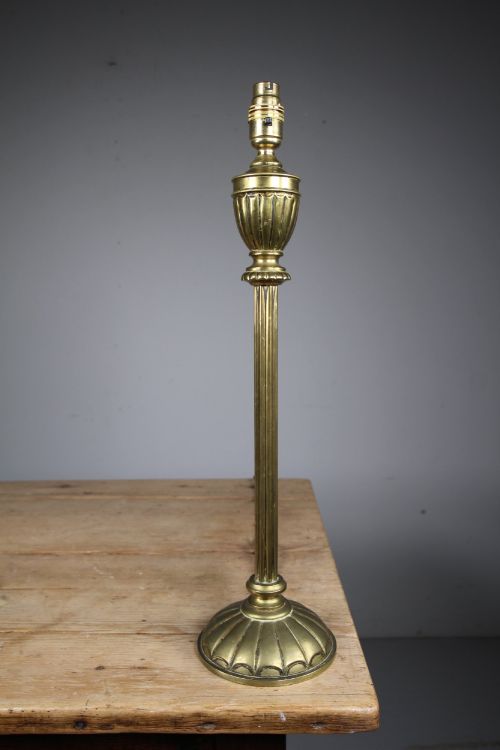
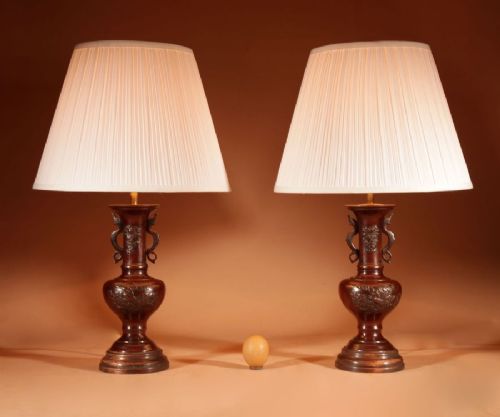
When you search for antique urn table lamps, you are looking at decorative vessels adapted for electrical lighting during the nineteenth century and later periods. These pieces take classical forms derived from ancient bronze and stone vases, turning them into practical light sources for interiors.
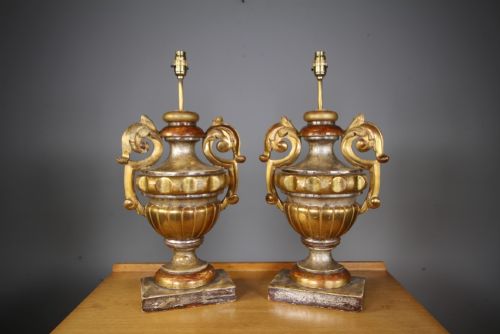
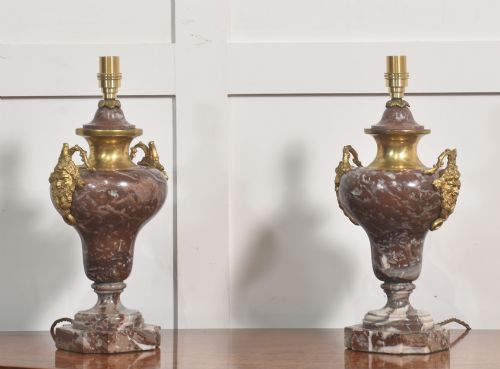
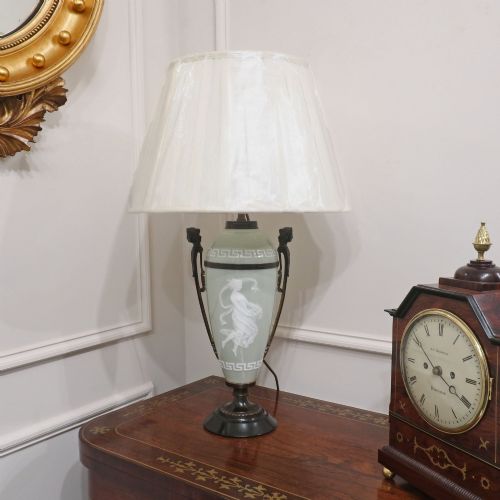
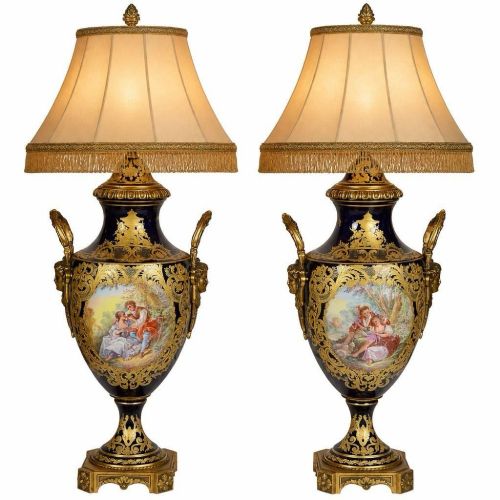
The versions you are most likely to meet on this page originate from nineteenth century workshops and embrace Neoclassical and French Neoclassical styles. They frequently appear as matched pairs, making them well suited for flanking a sideboard or mantelpiece.
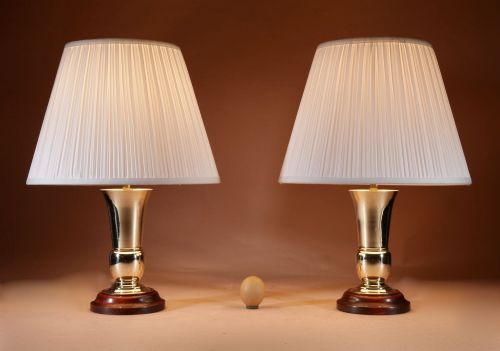
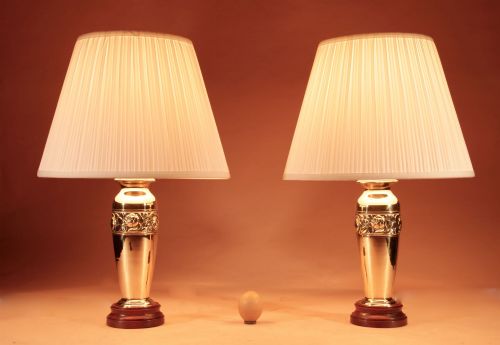
Makers drew on diverse domestic and continental traditions, producing table lamps fashioned from carved pine, crystal, turned wood, and silver plated metal. Many examples utilise traditional urn shapes with twin handles, mounted on square or stepped plinths.
How they were made
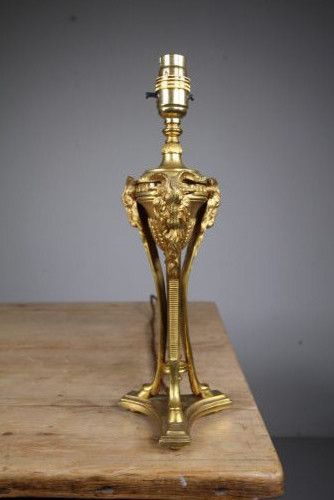
Artisans combined metals and stone, mounting cast or chased ormolu and gilt bronze upon Siena marble bases. Other pieces rely on carved pine finished with gold leaf, or make use of turned wood and silver plated components.
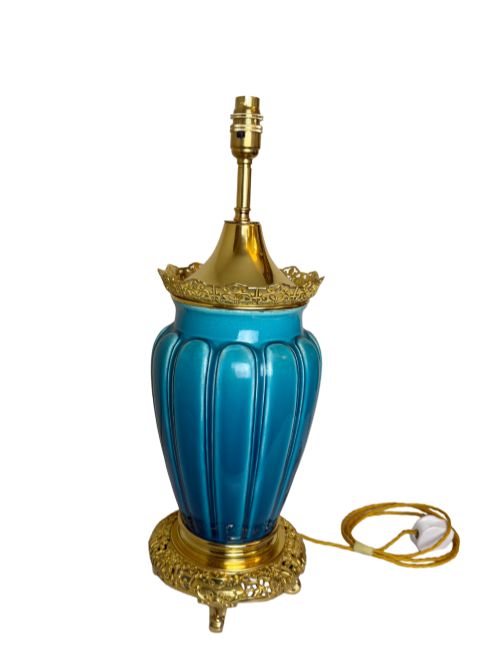
Many items started life as decorative cassolettes or classical bronze urns before being later converted to table lamps by drilling the base or vessel to take wiring and lamp fittings.
What varies in quality
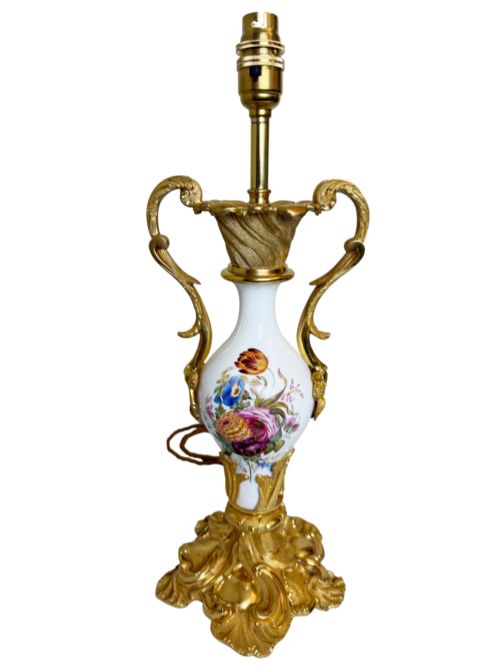
The hierarchy of these lamps rests upon the crispness of the casting in the ormolu mounts and the selection of materials like dense Siena marble versus plain turned wood. Superior examples display finely chased detailing on the bronze elements and deeply saturated gilding that retains its original lustre.
Proportion and balance dictate the aesthetic success of the conversion, where the weight of the base matches the scale of the urn body. Pieces that preserve their original surface patination without aggressive cleaning sit firmly at the upper end of the range.
The Antique Urn Table Lamps Glossary
- Ormolu
- A gilded bronze technique utilising a mercury amalgam process, popular in French decorative arts during the nineteenth century. It provides a rich, warm metallic finish that resists tarnishing.
- Cassolette
- A decorative vessel shaped like an urn, often featuring a reversible lid that can function as a burner or a small bowl. In lighting, these vessels are adapted to hold lamp fittings.
- Siena marble
- A distinctive yellow Italian marble with dark grey or purple veining, frequently employed for classical architectural ornaments and lamp bases.
- Neoclassical
- An artistic movement drawing inspiration from the classical art and culture of ancient Greece and Rome. It prioritises symmetry, proportion, and restrained ornamentation.
Frequently Asked Questions
Are these lamps supplied with shades?
Most of these pieces are offered and sold as lamp bases only, allowing you to select shades that suit your interior colour scheme and proportions.
Finding shades with the correct drop and diameter ensures the heavy brass or marble base remains balanced by the top.
How do I wire a converted urn lamp?
Converted vessels usually retain internal channels from their original adaptation, making it straightforward for a qualified electrician to update the flex and lamp holder.
Modern wiring should respect the age of the piece, often utilising twisted silk cords that complement the historic metalwork.
Can I polish the ormolu mounts?
Ormolu requires gentle dusting rather than abrasive metal polishes, which can strip away the historic gold layer and expose the base bronze underneath.
Applying a light microcrystalline wax helps protect the surface from atmospheric moisture without altering the patina.
How do I identify French Neoclassical styling?
French Neoclassical designs rely on strict symmetry, classical motifs such as acanthus leaves, and architectural plinths that echo antique temple architecture.
These characteristics appear clearly in the cast ormolu mounts and the proportions of the marble and bronze bodies.