




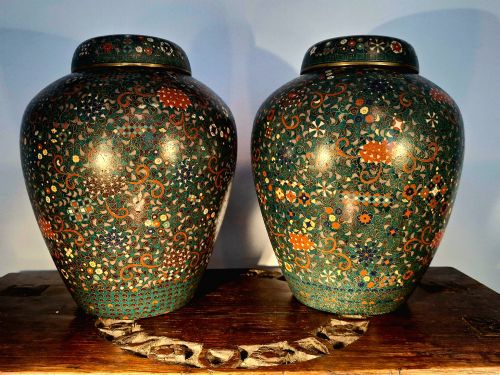
Antique Urn Pot
An antique urn pot brings weight and classical form to a room, holding everything from garden foliage to dried petals.
Antique Urn Pot
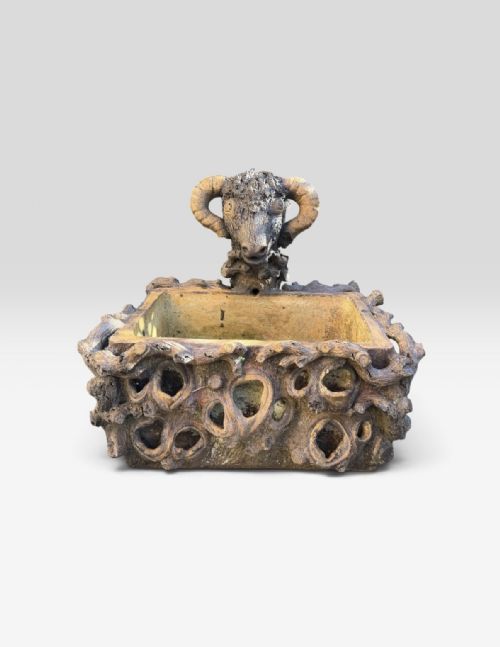
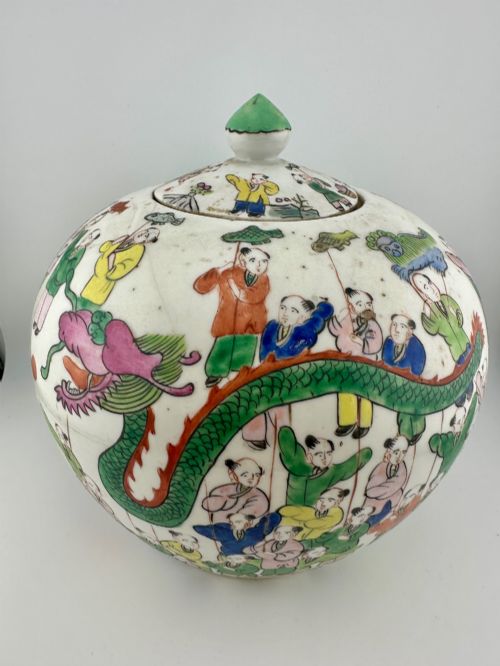
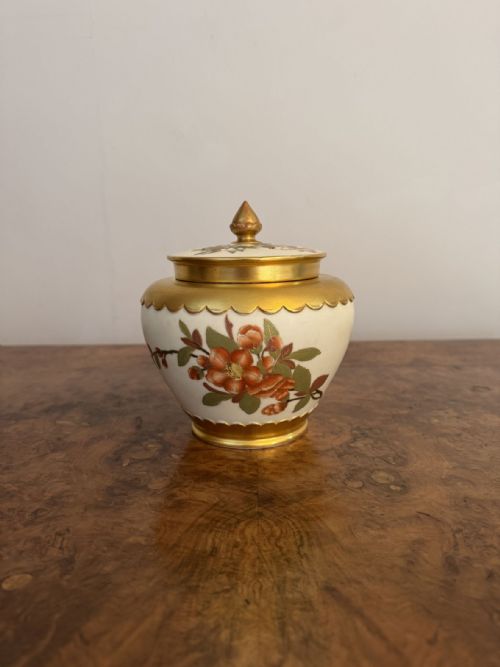
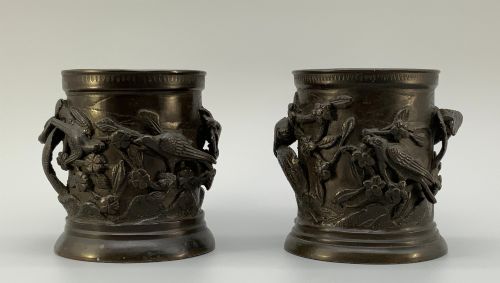
When you search for an antique urn pot, you encounter vessels shaped for display and utility, spanning garden planters, indoor jardinieres, and lidded jars.
The selections on this page draw from 18th-century, 19th-century, Edwardian, and Georgian periods, alongside Asian dynasties and Meiji-period craftsmanship.
Domestic plant stands, decorative vases, and heavy cast iron garden urns dominate the forms, reflecting how these vessels transitioned from outdoor grounds into domestic interiors.
Materials and Method
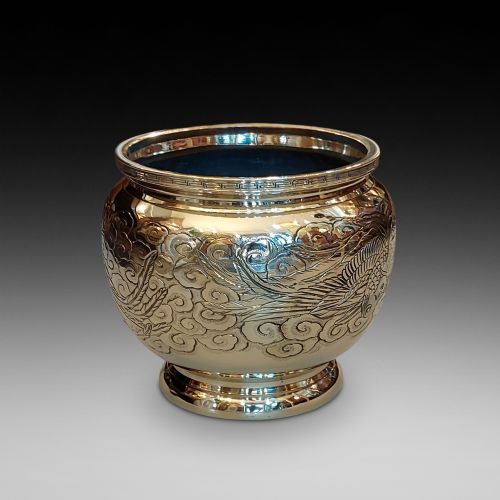
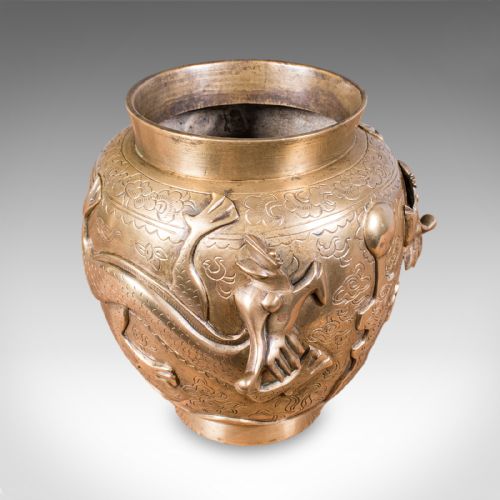
Metals such as copper, brass, bronze, and cast iron provide structural heft, shaped through repoussé work, riveting, and casting.
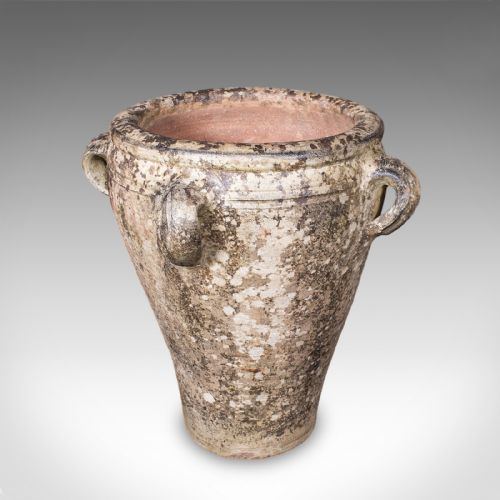
Ceramic forms utilise porcelain, terracotta, earthenware, and salt glaze, often finished with cloisonné enamel, champlevé, or rich colour glazes.
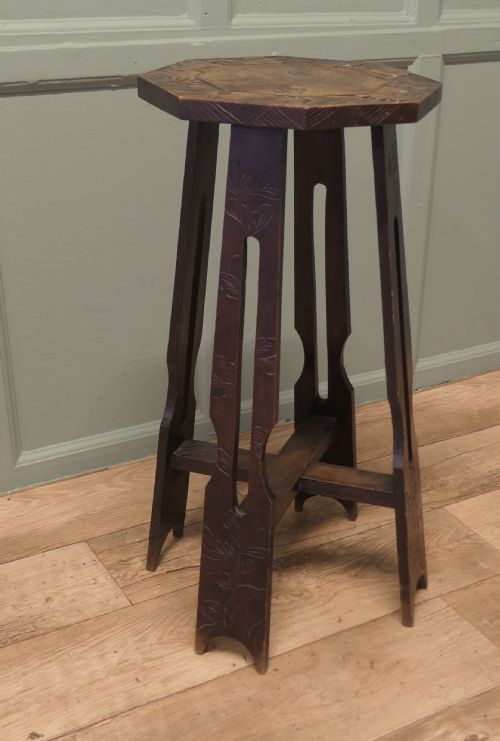
Timber works in elm, mahogany, satinwood, and walnut support display stands, incorporating marquetry inlay and carved details.
Antique Urn Pot Retail Price Guide 2026
Typical asking prices for urn pot among the pieces listed under this phrase on Sellingantiques today, from the lower quarter to the upper quarter. They describe what is for sale here now, not the wider market.
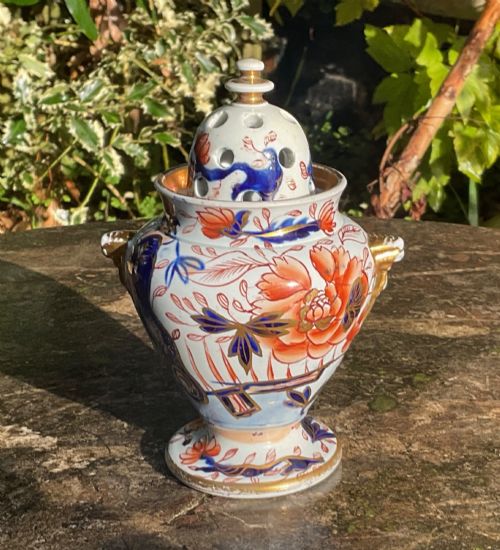
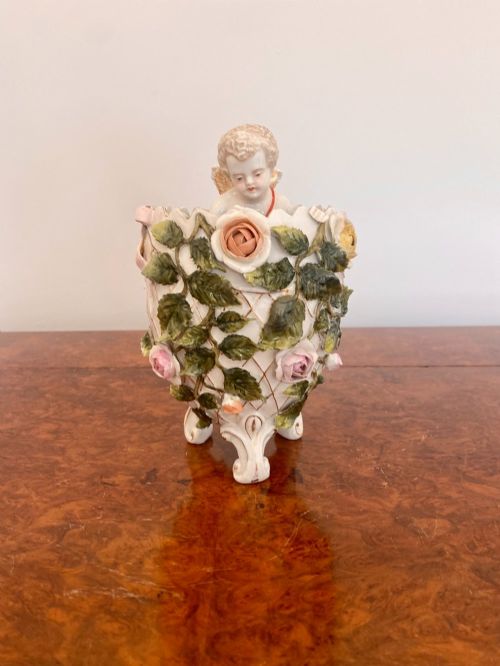
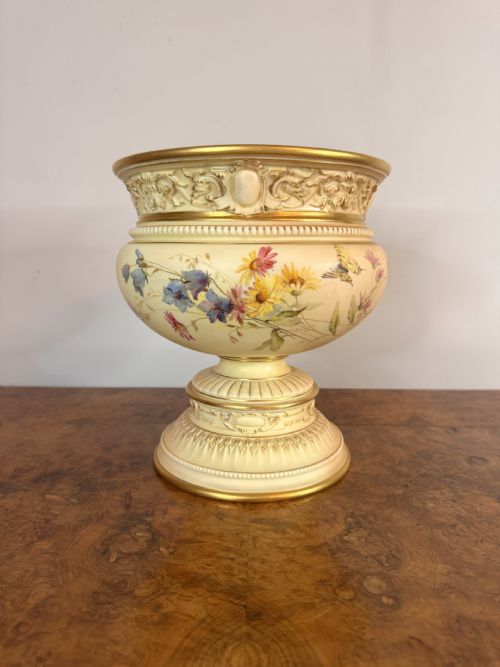
Objects include jardinieres, ginger jars, cachepots, plant stands, and lidded potpourri containers.
Standard and Execution
The division between ordinary vessels and superior examples rests on the crispness of surface decoration, such as hand-painted motifs on porcelain or detailed repoussé relief on copper.
Material density and weight dictate endurance, separating hollow, thin metal forms from solid cast bronzes and heavy terracotta garden pieces.
Makers' marks and documented factory origins separate standard utilitarian containers from documented pieces of porcelain and metalwork.
Liberty & Co·Flight & Barr Worcester·Barr Flight & Barr·Royal Worcester·William Soutter & Sons·Walker & Hall·Burmantoft's Pottery·Bretby Pottery
The Antique Urn Pot Glossary
- Jardinier
- A decorative container, usually ceramic or metal, designed to hold a live potted plant indoors. They often sit on matching stands or tables.
- Bough Pot
- A vessel intended for holding cut branches of flowering shrubs or greenery for indoor display. These typically feature pierced covers to keep stems upright.
- Cloisonne
- A metalwork technique where thin wire creates partitioned cells on a surface, which are then filled with enamel paste and fired. The resulting panels display intricate multi-coloured patterns.
- Potpourri
- A mixture of dried fragrant plant material placed inside a lidded jar designed with pierced openings to scent a room. Porcelain factories produced ornate jars specifically for this purpose.
- Cachepot
- An ornamental flowerpot container used to conceal a plain inner plant pot. The term translates from French as hiding pot.
Antique Urn Pot: Frequently Asked Questions
What is an antique urn pot used for?
These vessels served diverse roles ranging from brewing coffee and boiling water to housing garden shrubs and displaying cut stems.
Indoors, smaller ceramic and metal versions held potpourri or functioned as decorative jardinieres for potted plants.
How do I care for antique metal urn pots?
Copper, brass, and bronze pieces require dusting with a soft cloth and benefit from preserving their existing patina rather than aggressive polishing.
Moisture should be kept away from unlined metal interiors to prevent active corrosion or verdigris buildup.
How do I identify a Georgian urn pot?
Georgian pieces often display restrained classical proportions, featuring materials like salt-glazed stoneware, heavy pewter, or fine porcelain.
Examining the base and interior reveals hand-thrown pottery lines or early metal construction methods typical of the eighteenth century.
Can garden urn pots stay outside in winter?
Cast iron and heavy terracotta withstand outdoor conditions, but porous earthenware risks cracking if freezing water expands inside the material.
Sheltering delicate garden urns during severe frosts ensures the material survives winter weather intact.