



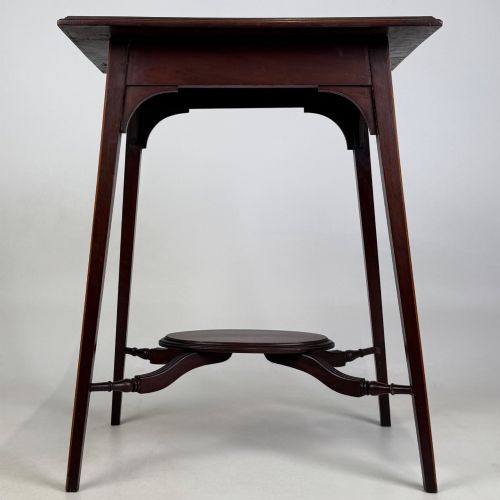

Antique Urn Display
When you search for an antique urn display, you are looking at pedestals, plant stands, and occasional tables designed to elevate decorative vessels.
Antique Urn Display
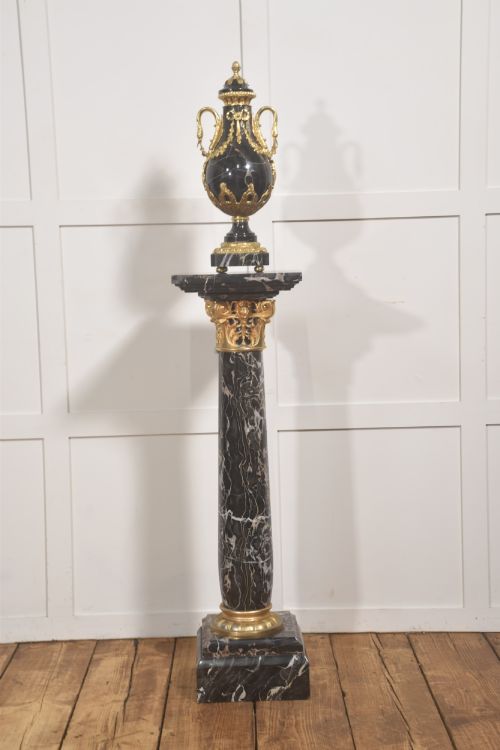
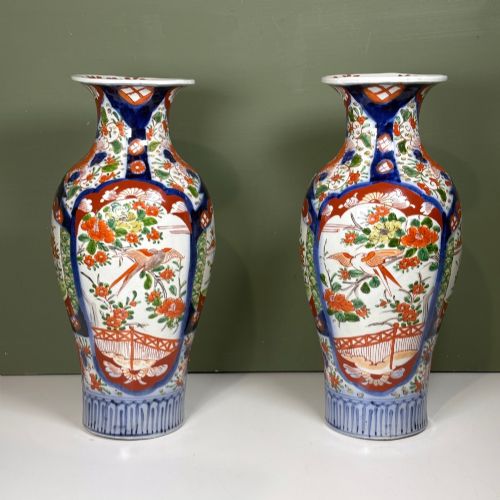
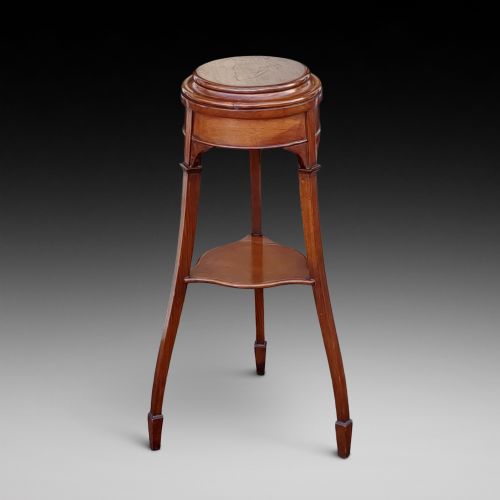
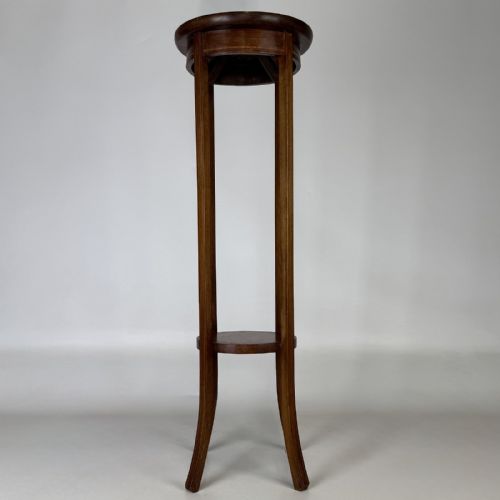
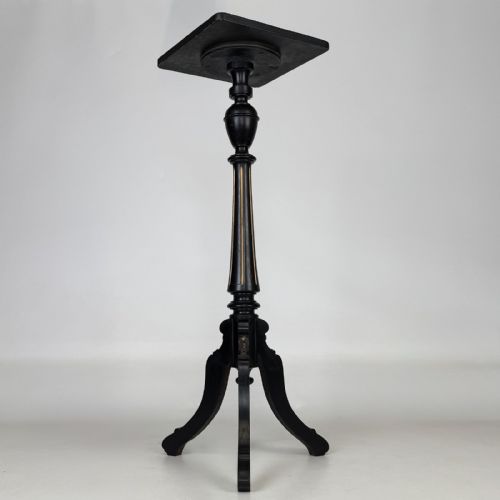
An antique urn display encompasses a variety of elevated supports, ranging from Victorian and Edwardian plant stands and torchères to Chinese hardwood pot stands and French marble-top columns. These objects are designed to lift vases, jars, and statuary off the floor to showcase them properly within a room.
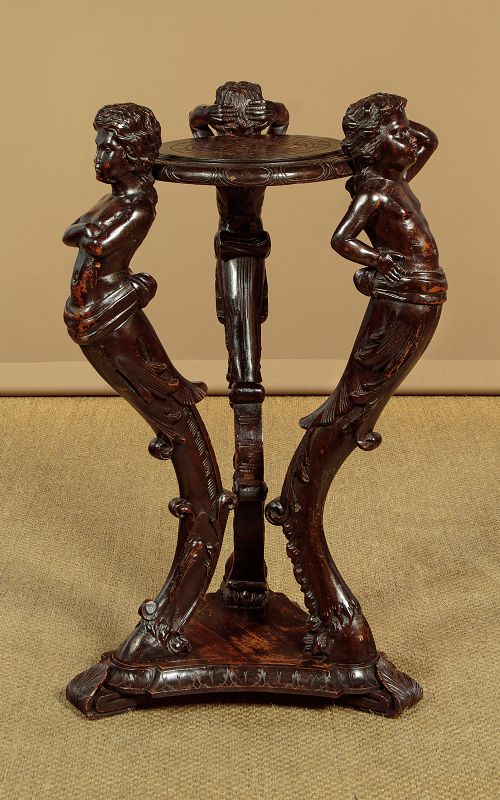
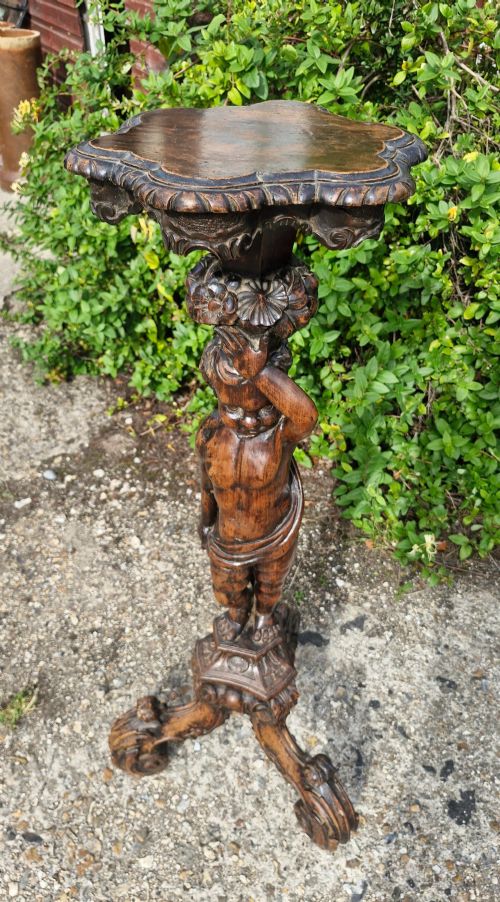
The pieces on this page heavily feature Edwardian mahogany plant stands alongside nineteenth-century Italian carved walnut pedestals and oriental hardwood tables inset with marble. Buyers frequently encounter tripod bases, lower shelves, and column forms intended specifically for sculptural display.
Origins span across British, continental European, and East Asian traditions, reflecting diverse interior styles from Gothic Revival to Qing Dynasty aesthetics. Each regional form brings its own distinct timber, stone, or ceramic characteristics to the display of decorative urns.
Materials and construction methods
Cabinetmakers and artisans utilised dense hardwoods such as mahogany, walnut, and satinwood, frequently employing intricate inlay, mother-of-pearl, or ebonisation to decorate the surfaces. Structural stability was paramount for supporting heavy stone or porcelain vessels, leading to robust tripod bases, sturdy columns, and reinforced lower shelves.
Many stands incorporate inset marble tops or composite stone elements, providing a cool, durable surface that contrasts sharply with warm timber frames. In East Asian and European examples, carved wooden joints and precise joinery secure the heavy stone inserts without the need for modern adhesives.
Antique Urn Display Retail Price Guide 2026
Typical asking prices for urn display among the pieces listed under this phrase on Sellingantiques today, from the lower quarter to the upper quarter. They describe what is for sale here now, not the wider market.
Listings feature nineteenth-century and Edwardian pieces constructed from mahogany, marble, and porcelain across plant stands, pedestals, and occasional tables.
Judging the quality of display stands
Quality reveals itself in the crispness of the carving, the selection of figured timber veneers, and the seamless integration of inset marble or stone tops. Superior pieces exhibit hand-carved detailing and balanced proportions that remain rigid even when bearing heavy vessels.
Lesser examples rely on mechanical production with softer details and simpler, unfigured woods that lack depth. The distinction lies in the solidity of the joints and the careful matching of grain across the column or table top.
Shoolbred·Nicholas Kannhauser·Reissner Stellmacher and Kessel
The Antique Urn Display Glossary
- Torchère
- A tall, slender stand designed specifically to hold a candle, lamp, or small decorative urn. These pieces typically feature a single central column supported by a tripod or weighted base.
- Jardiniere
- A large decorative pot or urn, usually made of ceramic or metal, intended to hold plants or floral arrangements. They frequently sit atop dedicated stands or pedestals listed in this category.
- Pedestal
- A free-standing column or plinth used to elevate a bust, vase, or sculptural urn. They provide vertical emphasis and focal weight in a room scheme.
- Inlay
- A decorative technique where contrasting materials such as satinwood, mother-of-pearl, or metal are embedded into recesses within the primary timber surface. This creates intricate geometric or floral patterns across table tops and friezes.
- Cloisonné
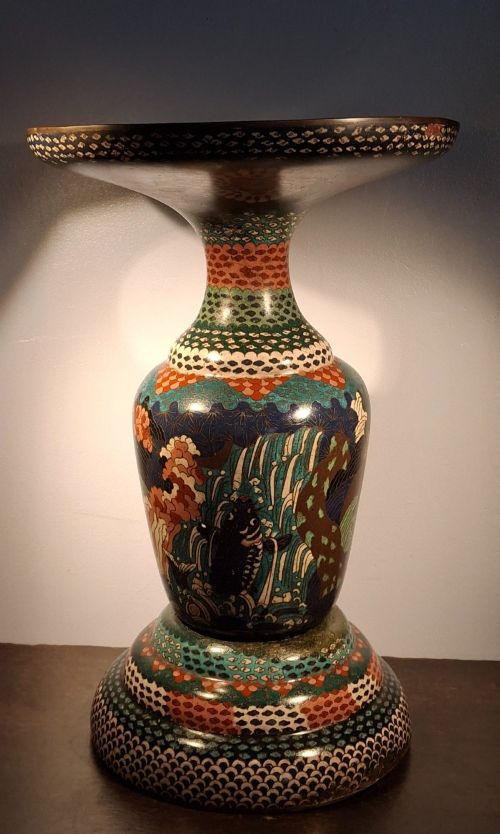
- An ancient enamelwork technique where thin metal wires form raised partitions on a base object, creating cells that are filled with coloured enamel paste and fired.
Antique Urn Display: Frequently Asked Questions
What is an antique urn display?
An antique urn display refers to furniture pieces like pedestals, plant stands, and low tables designed to hold and elevate decorative vases, jardinières, and sculptural urns.
These items allow collectors to showcase ornamental vessels at eye level, combining structural support with fine craftsmanship in materials like mahogany, marble, and hardwood.
How do I style a pedestal stand?
A pedestal stand can be placed in empty corners, hallways, or reception rooms to create vertical interest and highlight a statement decorative object.
Ensure the weight of the urn or vase matches the structural capacity of the stand, keeping heavier marble or ceramic pieces on sturdy tripod or column bases.
How do I identify Victorian plant stands?
Victorian plant stands often feature darker timbers like ebonised wood or heavy carved mahogany, frequently incorporating tripod bases or robust column structures.
Look for period-specific joinery techniques and stylistic cues such as Gothic or Rococo revival motifs that define nineteenth-century furniture production.