



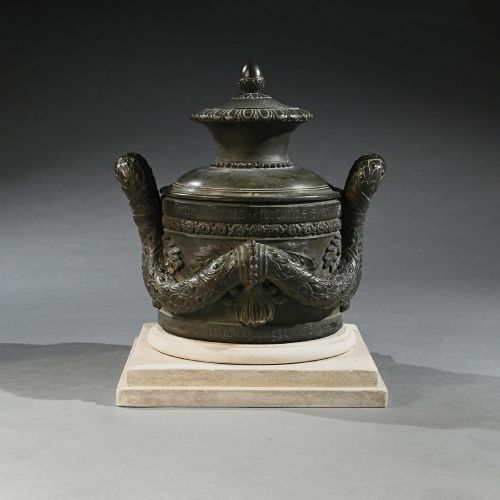
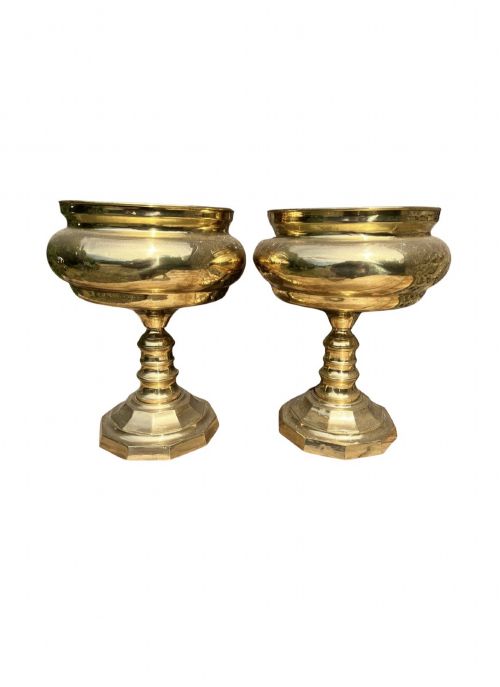
Antique Urn Base
These antique urn base items are solid foundations and structural supports that carry decorative vessels, often adapted across the centuries into lamps and display plinths.
Antique Urn Base
When you search for an antique urn base, you encounter a diverse collection of structural supports, pedestals, and mounted mountings designed to elevate vessels and figures. The items listed on this page originate predominantly from the nineteenth and early twentieth centuries, spanning Victorian, Edwardian, and Art Deco periods.
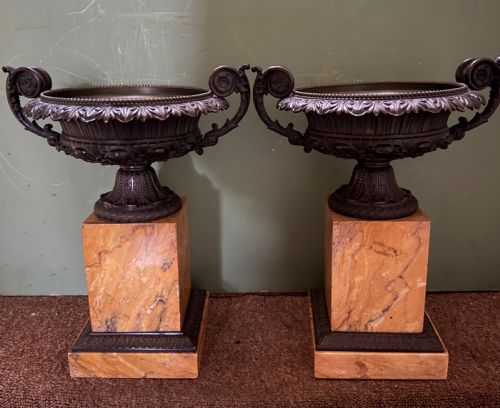
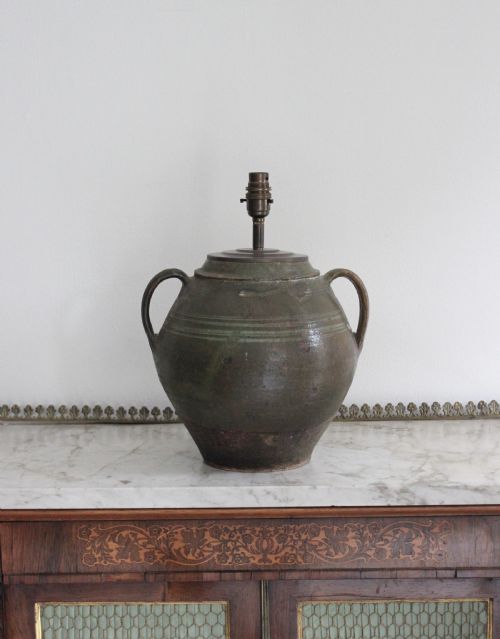
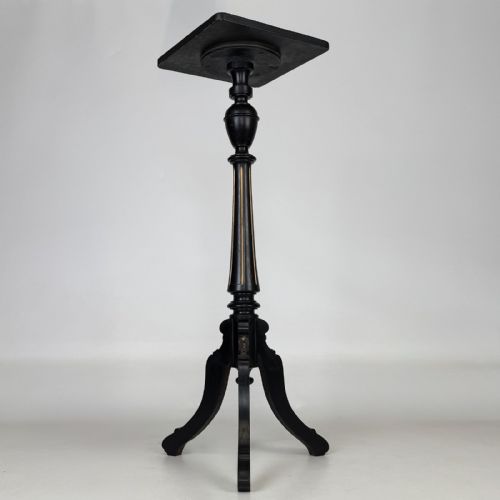
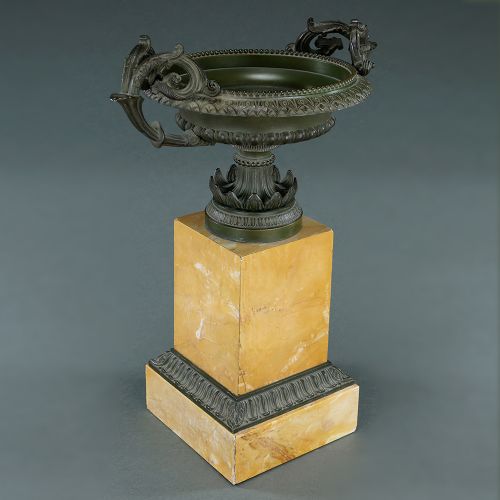
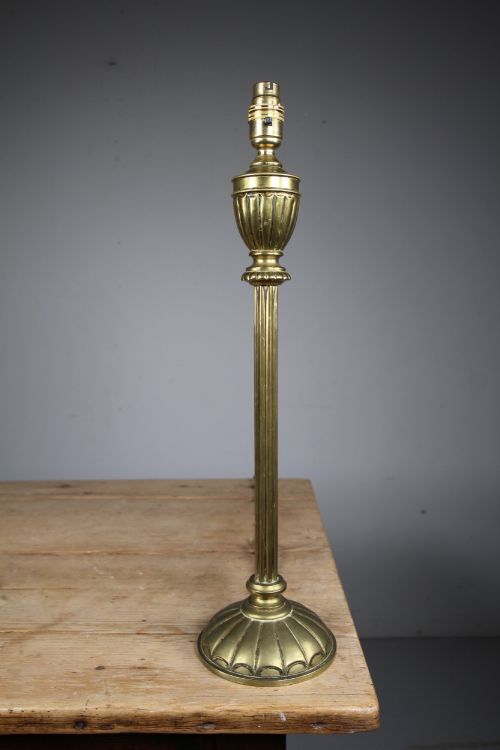
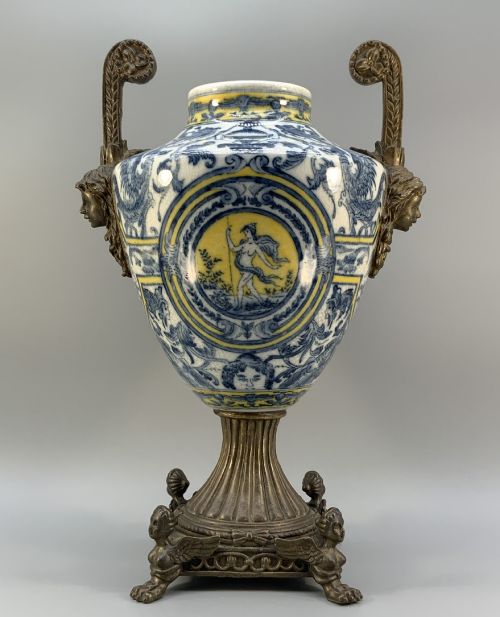
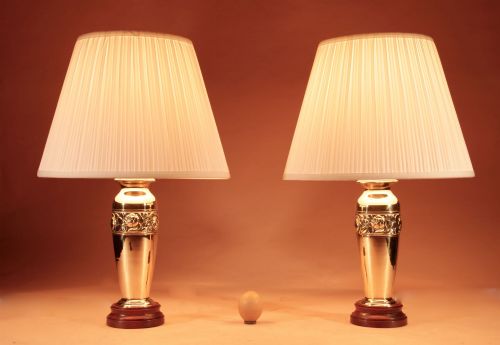
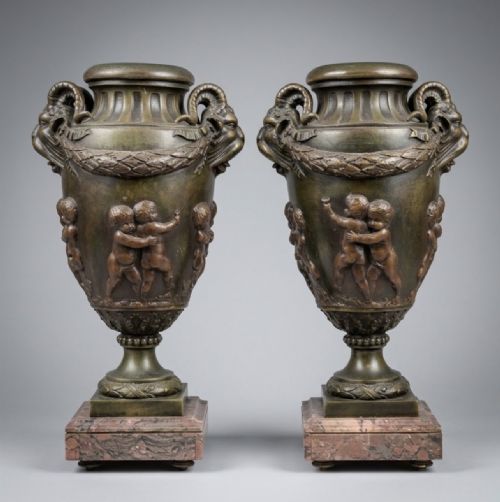
Many of these objects take the form of marble plinths, bronze columns, and stone blocks originally paired with tazze, vases, or statues. Others represent functional conversions, such as vintage lamps built upon classical mounting forms and column display pedestals.
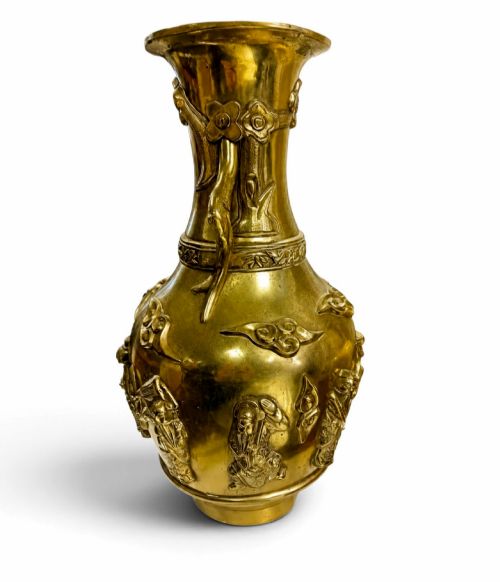
Origins stretch across European and Asian workshops, including French neoclassical designs, Italian Grand Tour souvenirs, and Chinese bronze or ceramic baluster vases. You will find specific functional types like plant stands, torchere supports, and table lamp bases sitting alongside standalone decorative blocks.
How they were made
Makers utilised a combination of heavy natural stone and cast metal to create stable foundations capable of supporting substantial vessels. Siena marble, black marble, and translucent alabaster provide the dense structural mass for nineteenth-century mounts and lamp bodies.
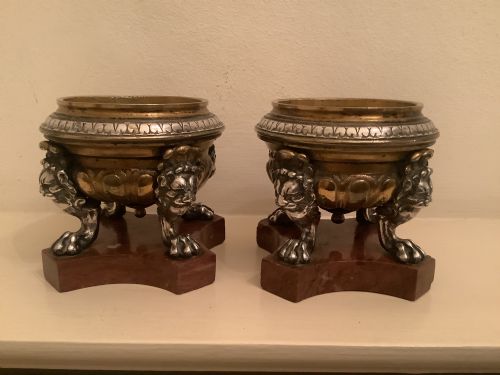
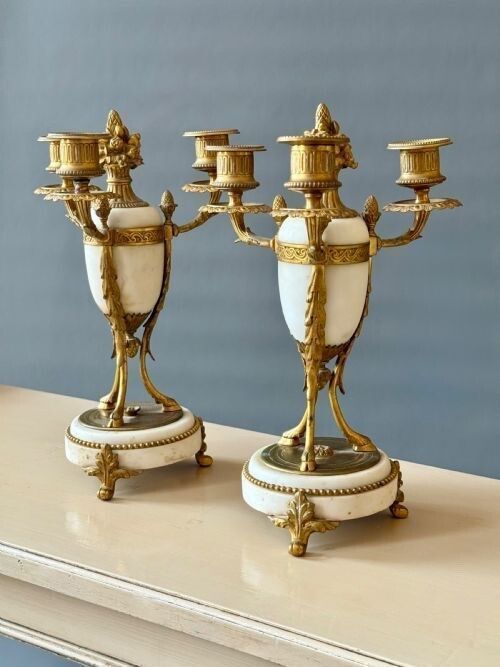
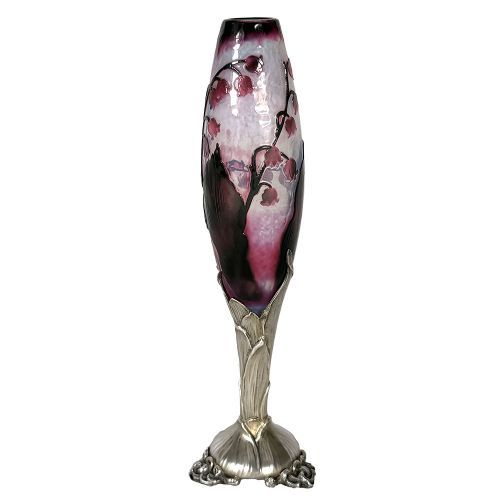
Metalworking techniques involve cast bronze, gilt bronze, brass, and spelter, often finished with detailed chasing or applied ormolu mounts. Stonework and ceramics display hand-carved detailing, wheel-carved glass, and high-relief copper-alloy casting derived from neoclassical and regional traditions.
Antique Urn Base Retail Price Guide 2026
Typical asking prices for urn base among the pieces listed under this phrase on Sellingantiques today, from the lower quarter to the upper quarter. They describe what is for sale here now, not the wider market.
Some heavy stone plinths spent centuries holding up nothing more mysterious than a well-travelled bowl.
What varies in quality
Quality rests upon the purity and selection of the materials, such as the depth of figuring in Italian alabaster or the richness of Sienna marble veins. Finer examples display crisply cast bronze mounts with sharp detail, whereas lower tiers rely on softer spelter and simpler mouldings.
The integrity of the construction and the fidelity of the classical proportions dictate the standing of a piece. Original patination on bronzes and untouched surface wear across stone blocks separate superior survivals from later adaptations.
Georg Adam Scheid·Daum·Hicks and Meigh
The Antique Urn Base Glossary
- Siena marble
- A yellow-brown Italian marble marked with dark veins and brecciated patches, frequently utilised for nineteenth-century Grand Tour bases and mounts.
- Alabaster
- A fine-grained translucent stone used for carved vases, lamp bodies, and architectural plinths.
- Ormolu
- Gilded metal mounts applied to furniture, stone bases, and ceramic urns, common in French neoclassical design.
- Tazza
- A shallow saucer-like vessel or cup mounted upon a stem and a sturdy base, often displayed as a decorative centrepiece.
- Spelter
- An alloy of zinc and lead cast into decorative figures and urn mounts, serving as an economical alternative to bronze.
- Torchere
- A tall stand or pedestal designed to support a light fixture, urn, or decorative figure.
Antique Urn Base: Frequently Asked Questions
What are antique urn bases used for today?
These pieces serve as architectural display stands, sculptural elements, or converted table lamps that anchor interior lighting schemes.
Collectors utilise them to elevate smaller art objects, plants, or decorative vessels within period and modern rooms.
Are these lamp bases original or converted?
Many items began as decorative vases, urns, or architectural columns before being wired for electricity during later decades.
Rewired examples retain their historic mounting hardware while meeting contemporary functional requirements.
Which periods do these items date from?
The selection spans the eighteenth century through the Edwardian era and the Art Deco period of the nineteen twenties.
Nineteenth-century pieces dominate the inventory, reflecting Victorian taste for neoclassical revival and Grand Tour souvenirs.