
Antique Upholstery Seating
Antique upholstery seating brings together period frames and historic textiles, offering both functional comfort and centuries of design tradition for the home.
Antique Upholstery Seating
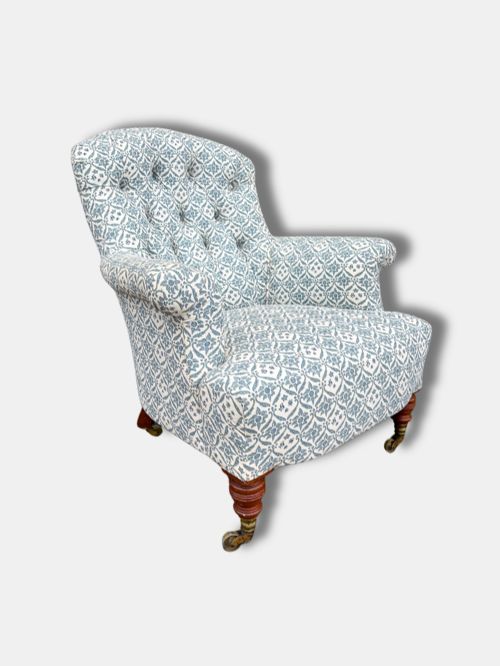
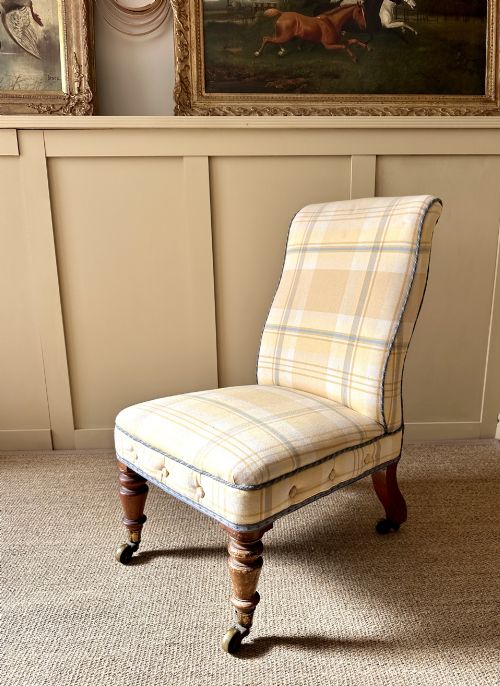
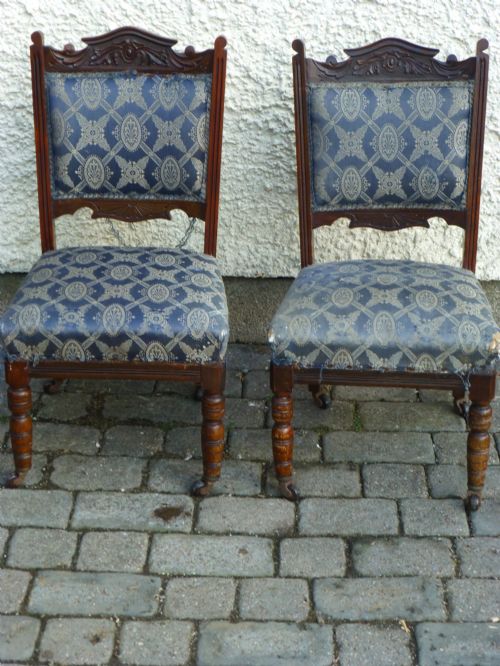
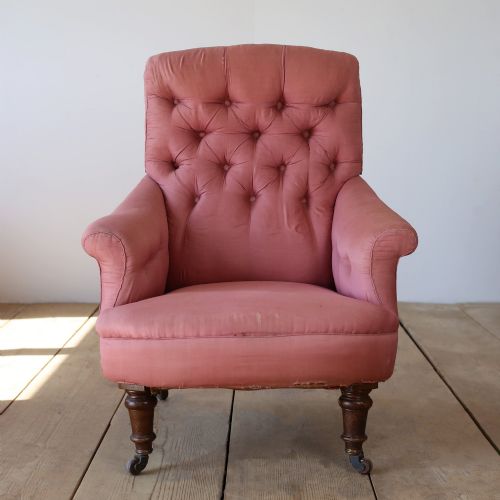
Antique upholstery seating encompasses a broad range of forms designed for comfort and reception, from large Chesterfield sofas and deep-seated country house armchairs to dining chairs and nursing chairs. When exploring antique upholstery seating, buyers frequently encounter Victorian and Edwardian examples alongside earlier Georgian, Regency, and French styles.
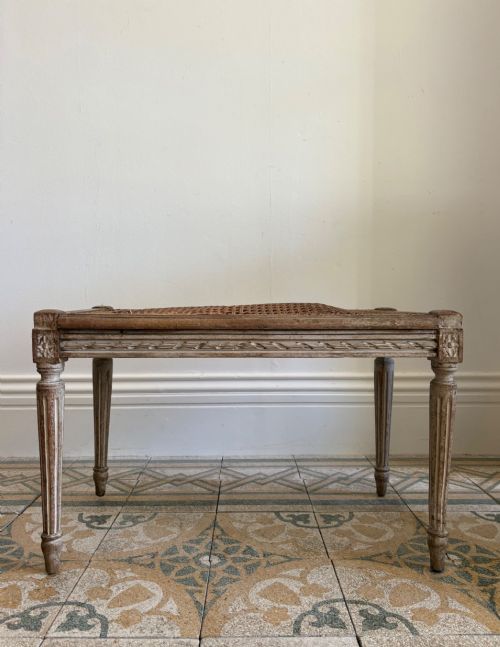
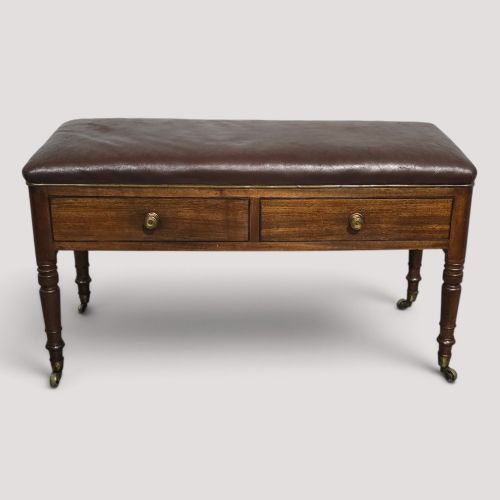
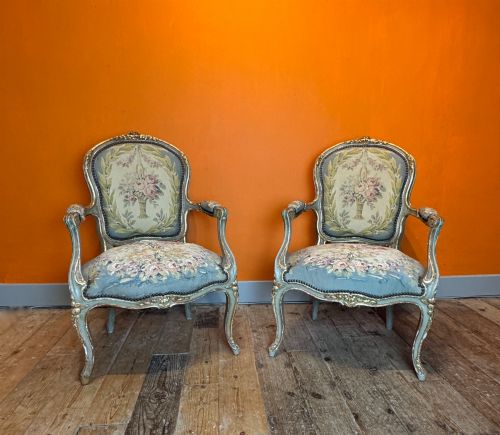
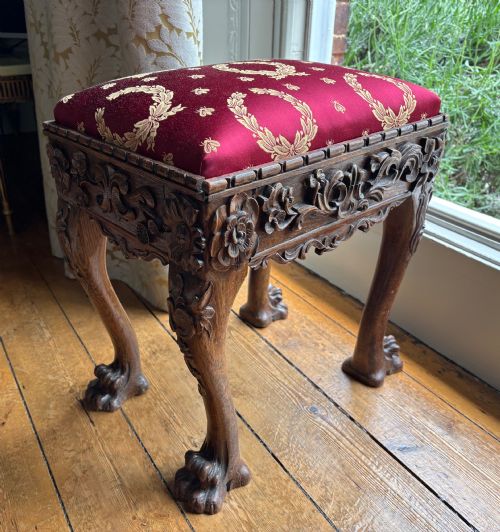
The selection includes specific seating types such as library chairs, wing chairs, stools, benches, and settees. Frames span centuries of craftsmanship, often featuring revival styles like Queen Anne and Louis XV alongside functional pieces sold ready for re-upholstering.
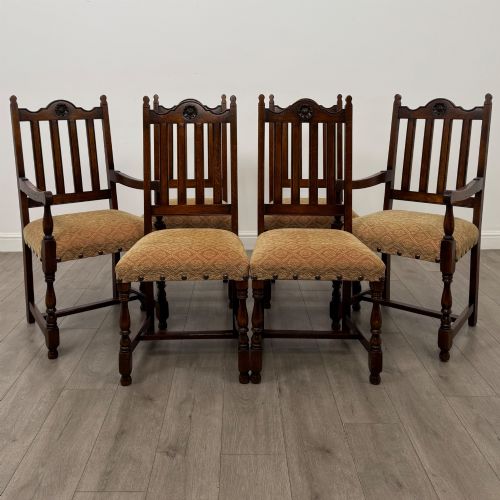
Origins vary across British, French, and Swedish workshops, reflecting shifting domestic habits and interior fashions. Pieces range from matched sets of dining chairs in oak and mahogany to individual club chairs and boudoir seating.
Materials and construction methods
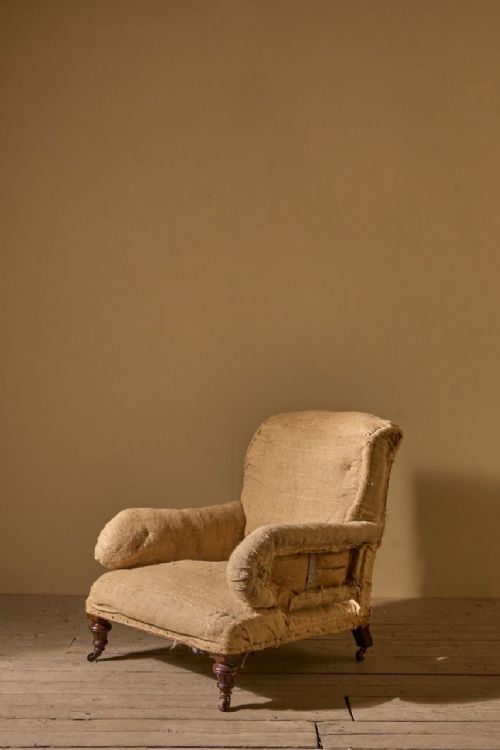
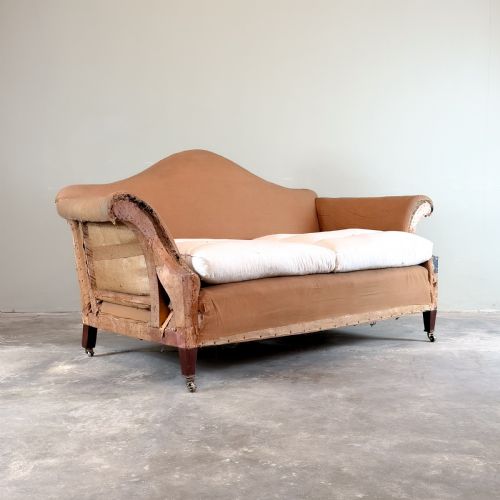
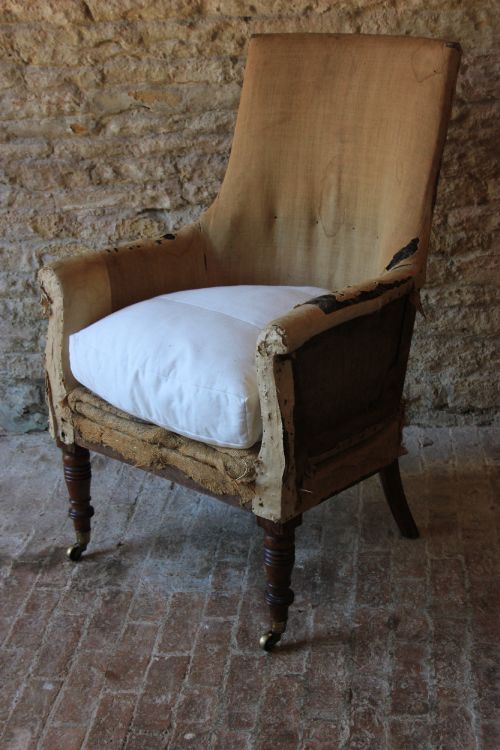
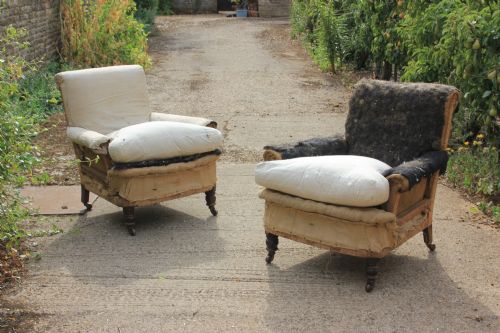
Frames rely on sturdy timbers such as mahogany, walnut, oak, rosewood, and giltwood, carved or turned to support the upholstered body. Internal construction often employs traditional stuffing materials like hessian, calico, and fabric over resilient springing.
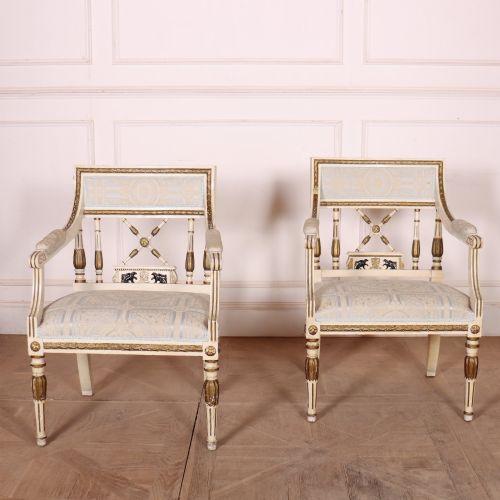
Outer coverings display a variety of textiles, including velvet, tapestry, Aubusson covers, and printed cottons with regency stripes. Finishing details frequently incorporate brass tacks, button backs, and parcel gilt highlights on the exposed wooden framework.
Assessing quality in upholstered seating
Quality rests primarily in the integrity of the underlying timber frame and the balance of its proportions. Finer examples retain their original structural rigidity and show crisp, well-defined carving in the exposed wood.
The success of the piece also depends on the harmony between the frame's period style and its textile covering. Superior items demonstrate careful attention to traditional stuffing techniques and sympathetic reupholstering that respects the original design.
Harry and Lou Epstein·Howard and Sons·Gillows
The Antique Upholstery Seating Glossary
- Corbeille
- A French term describing a chair or sofa with a rounded, basket-like curved back enclosing the sitter. This form is frequently seen in nineteenth-century French seating.
- Calico
- A plain-woven cotton fabric commonly used as an initial upholstery layer or inner lining beneath decorative outer textiles. It provides a stable base for traditional stuffing.
- Hessian
- A coarse woven fabric, typically made from jute fibres, utilised inside upholstered seats to contain stuffing materials. It forms a durable foundation beneath the top cover.
- Giltwood
- Timber that has been coated with a thin layer of gold leaf. This decorative finish appears on formal eighteenth and nineteenth-century French frames.
- Tapestry
- A form of heavy textile art woven on a loom, often featuring pictorial scenes. It is frequently employed as a durable and decorative outer cover on period armchairs.
Antique Upholstery Seating: Frequently Asked Questions
What is a Chesterfield sofa?
A Chesterfield sofa is a traditional upholstered settee characterised by deep button tufting and rolled arms of the same height as the back.
Historically associated with gentleman's clubs and grand drawing rooms, these pieces provide a deep and supportive seat.
What does for re-upholstery mean?
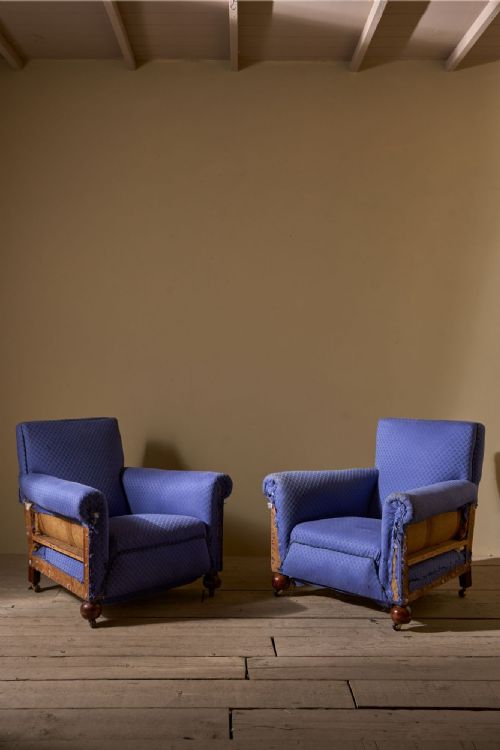
Pieces described as needing re-upholstery retain their original wooden frames but require new internal stuffing and fabric covers.
This condition allows buyers to select contemporary or historically accurate textiles to match their interior decor.
Are antique dining chairs sold in sets?
Dining chairs from the eighteenth, nineteenth, and early twentieth centuries frequently appear as matched sets of six or eight.
These sets usually comprise a combination of side chairs and occasionally matching armchairs for the table ends.