
Antique Upholstered Furniture
Antique upholstered furniture brings warmth and distinct period character into a room through exposed timber frames and tactile textiles.
Antique Upholstered Furniture
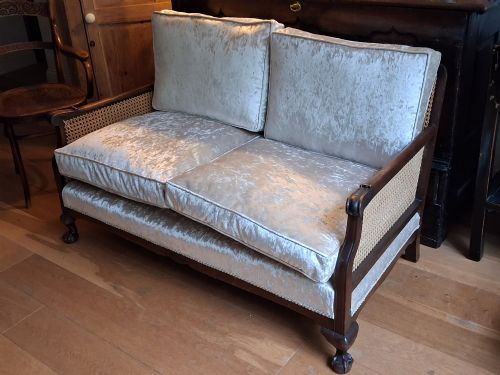
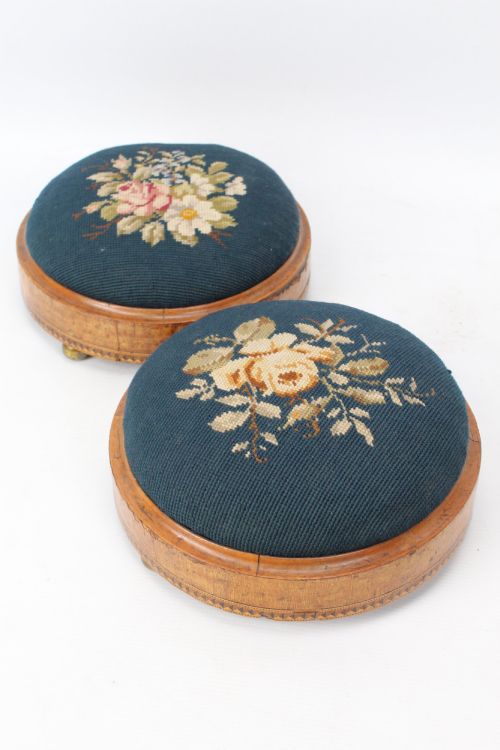
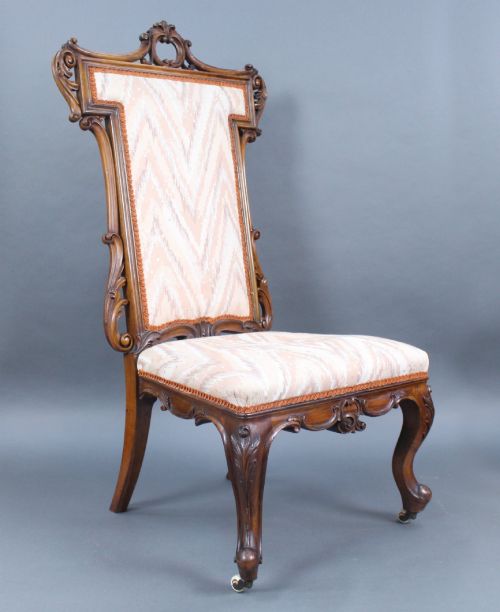
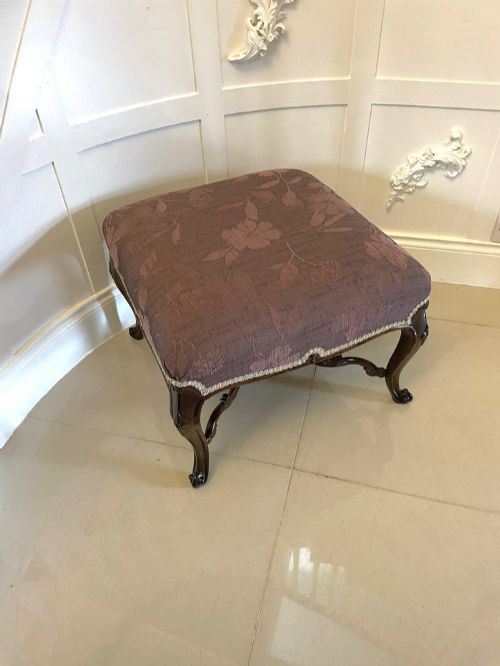
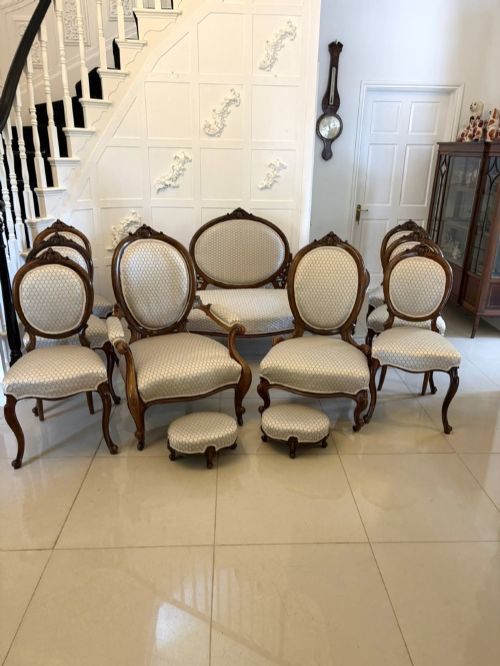
Buyers seeking antique upholstered furniture encounter a diverse selection of seating and resting forms, ranging from single footstools and dining chairs to large salon suites and settees. These pieces span several centuries, with particular strength in the nineteenth and eighteenth centuries alongside later twentieth-century additions.
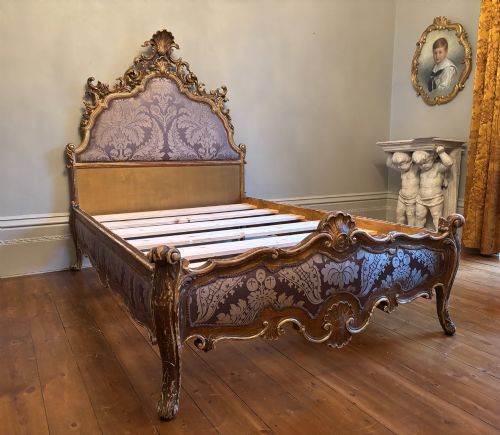
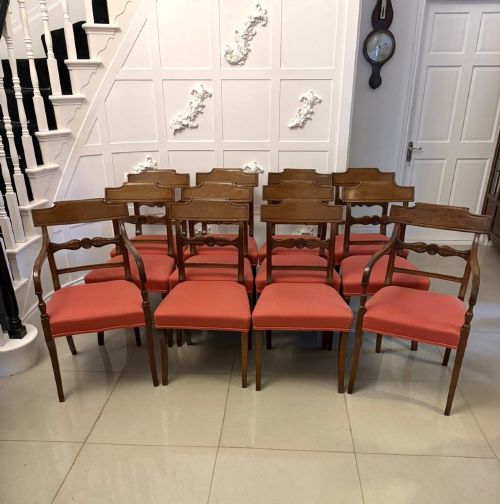
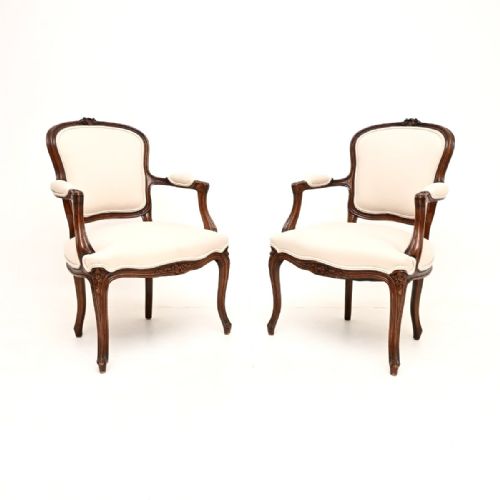
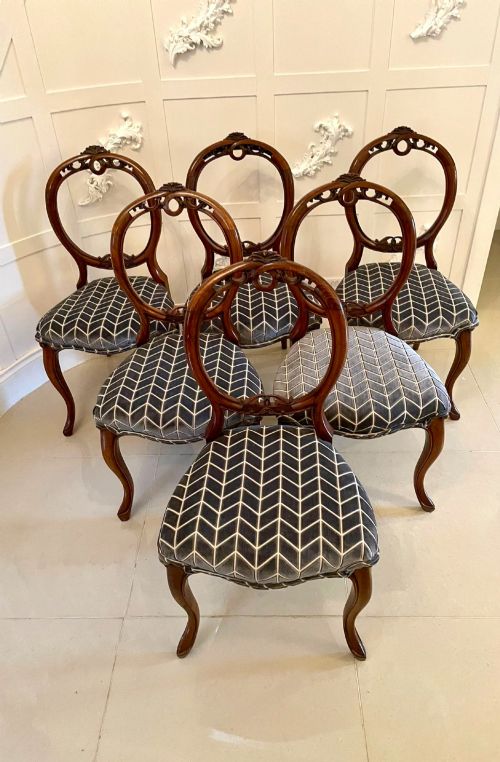
Dining chairs and armchairs dominate the selections, often constructed in sets or pairs, while specialised pieces such as gout stools, harpists seats, and window benches appear alongside beds and ottomans. The forms reflect both formal drawing-room use and domestic comfort across various European and British traditions.
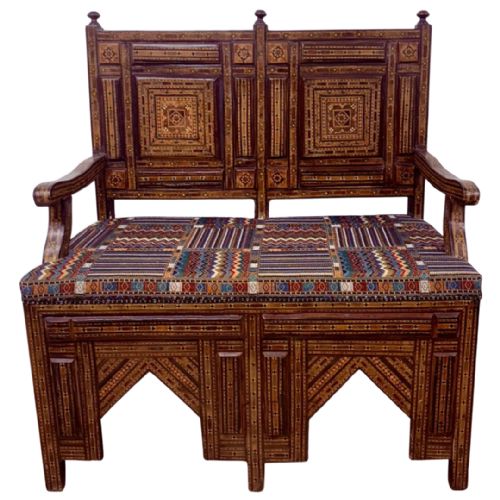
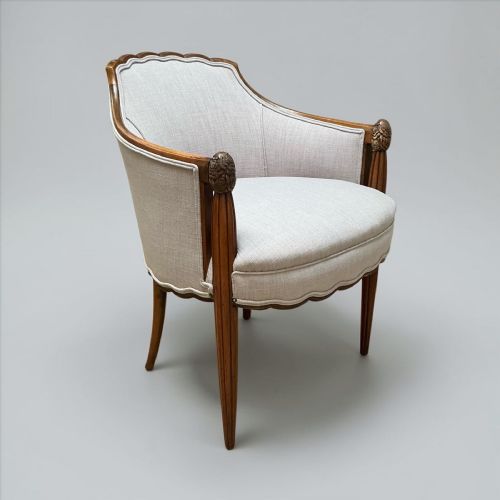
The materials combine structural woods like mahogany, walnut, and rosewood with textiles, needlepoint, and velvet coverings. Regional variations include French bergères, Swedish Gustavian stools, and Anglo-Indian designs, demonstrating a wide geographical reach within traditional craftsmanship.
Materials and construction methods
Makers utilised dense hardwoods including mahogany, walnut, rosewood, and oak for structural frames, frequently enhancing them with hand carving, brass inlay, or marquetry. These timbers provided the necessary strength to support internal webbing, stuffing, and outer fabric covers.
Upholstery techniques involved layering textiles, velvet, and needlepoint over supportive foundations, sometimes incorporating detailed cane work or brass framing. Skilled craftspeople combined cabinet-making carpentry with specialised textile application to secure durability and comfort.
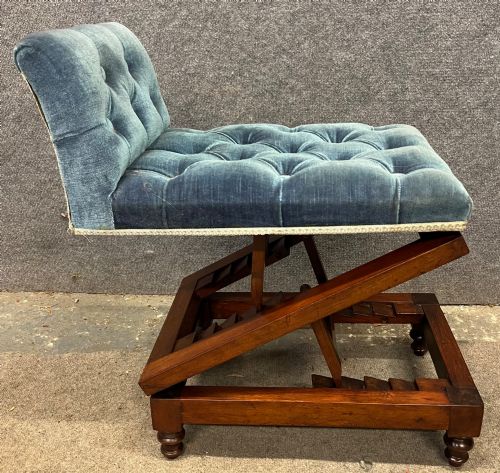
Some nineteenth-century sitters rested their aching limbs on specialised pivoting gout stools equipped with adjustable inclined platforms.
Distinctions in quality
Quality rests upon the crispness of the timber carving, the integrity of the frame construction, and the fidelity of the period style. Pieces produced for larger exhibitions or bespoke commissions exhibit superior joinery and finer decorative details such as brass inlay or Tunbridge Ware.
The refinement of the silhouette and the harmony between the wooden frame and its textile covering distinguish superior examples. Original or sympathetic upholstery methods and high-grade materials elevate individual items above standard utilitarian production.
Whytock and Reid·W A Willcocks·Maple and Co
The Antique Upholstered Furniture Glossary
- Gainsborough chair
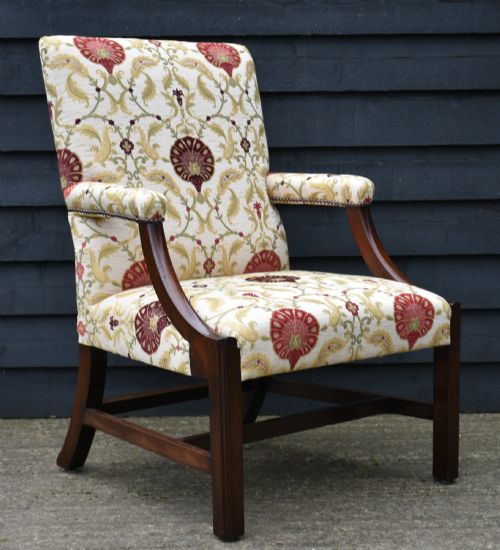
- A wide, open-armed armchair with an upholstered back and seat, standing on short legs. They date primarily from the eighteenth century.
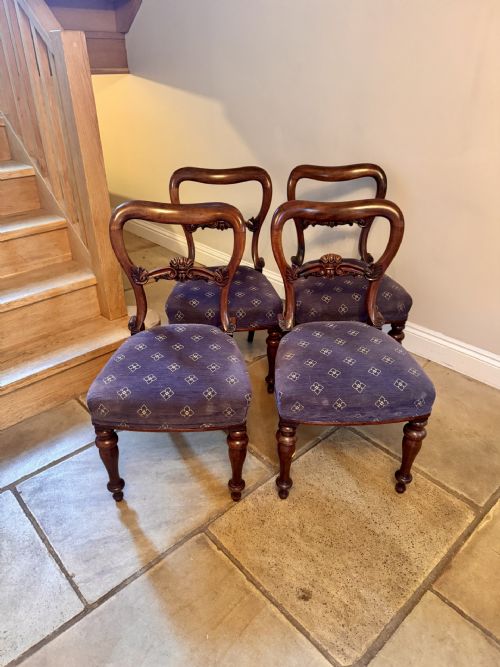
- Balloon back
- A chair back shaped in a continuous curved loop resembling a balloon, popular during the Victorian era. This design provided ergonomic support while showcasing timber grain.
- Gout stool
- An adjustable footstool designed to elevate and support legs affected by gout. They often feature pivoting panels for comfort.
- Tunbridge Ware
- Small wooden objects decorated with mosaic patterns made from tiny segments of various coloured woods. This specialised technique originated in Kent.
Antique Upholstered Furniture: Frequently Asked Questions
How do I care for antique upholstered furniture?
Protect antique textiles from direct sunlight to prevent fading and fibre degradation. Regular gentle vacuuming with a soft brush attachment removes dust without abrading the fabric.
Condition timber frames using appropriate paste wax rather than silicone sprays. Professional conservation cleaning ensures delicate needlepoint or antique velvet survives intact.
Are these pieces suitable for daily use?
Most sturdy chairs and sofas handle normal daily seating if their internal webbing and joints remain sound. Robust hardwoods like mahogany and walnut provide dependable structural support for regular domestic routines.
Delicate antique armchairs or heavily carved salon pieces benefit from more mindful placement and lighter usage. Checking frame stability prevents sudden strain on historical joints.
How can I identify a Victorian piece?
Victorian items often feature dark woods such as walnut and rosewood with heavy, deep carvings. Balloon-back dining chairs and button-backed upholstery are common signatures of this period.
Proportions tended to be generous, reflecting the comfort demands of mid-nineteenth-century domestic interiors. Accompanying decorative motifs frequently include floral carvings and elaborate scrollwork.
What defines a Regency chair?
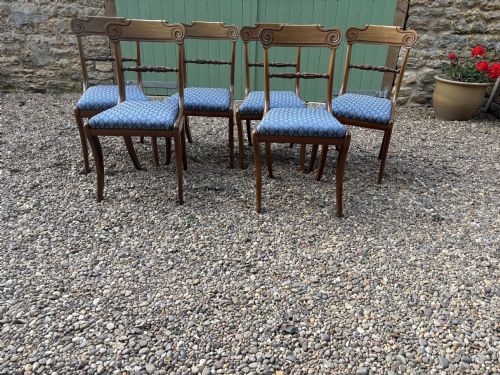
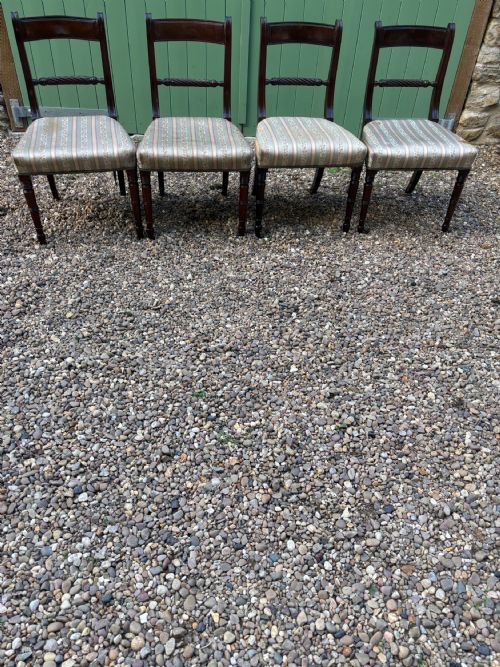
Regency seating draws inspiration from classical Greek, Roman, and Egyptian forms. Sabre legs, brass inlay, and carved rope-twist crossbars frequently characterise these designs.
Woods like mahogany dominate, often finished with dark patination. The overall aesthetic favors clean architectural lines over excessive ornamentation.