



Antique Upholstered Foot Rest
These antique upholstered foot rest pieces are low seats and rests built for comfort, and collectors prize them for their rich nineteenth-century textiles and sturdy timber frames.
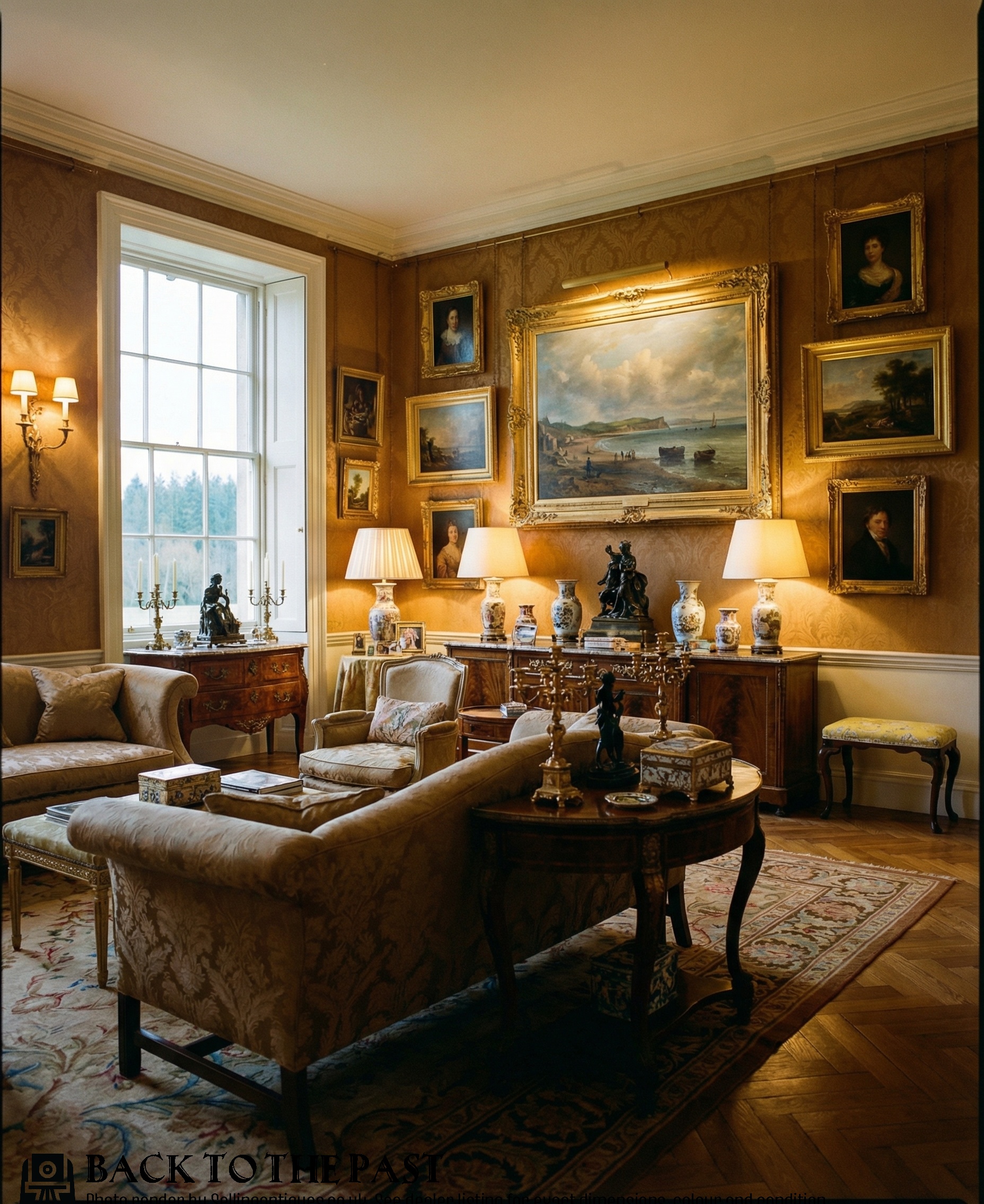
Antique Upholstered Foot Rest
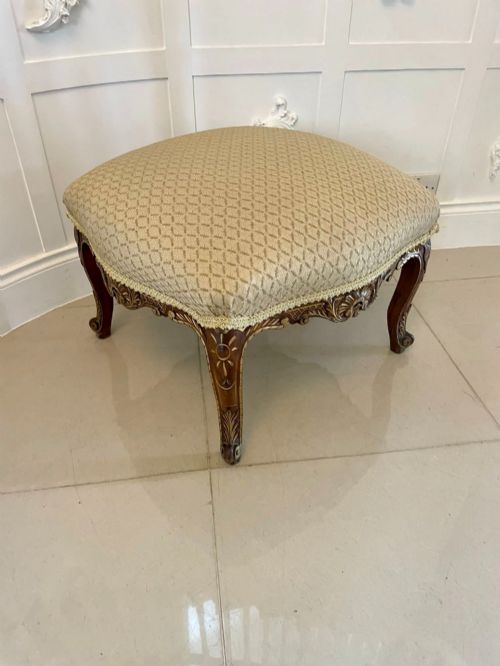
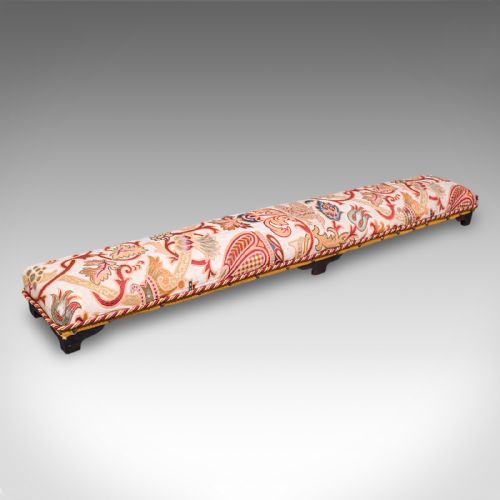
An antique upholstered foot rest brings nineteenth-century comfort to a modern room, functioning primarily as a low stool for the feet or as an adjustable gout rest. The pieces seen here span the Georgian, Regency, William IV and Victorian eras, taking the form of small footstools, ottomans and specialised gout stools.
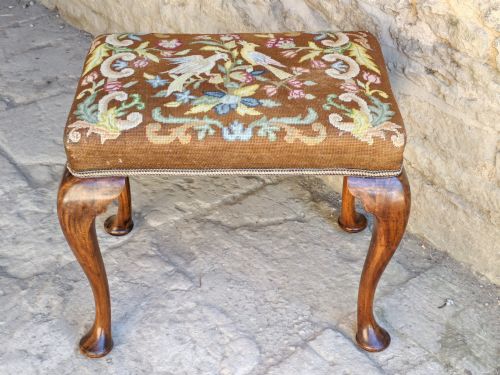
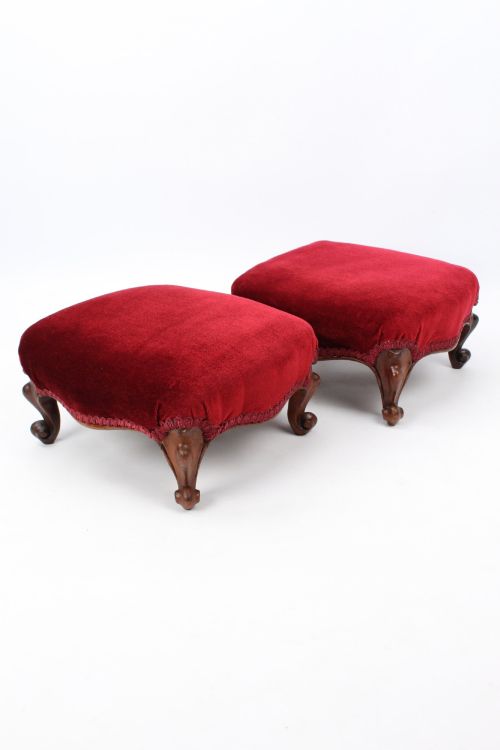
Most examples originate from the Victorian period, frequently constructed from walnut or mahogany and finished with traditional needlepoint, velvet, tapestry or leather upholstery. Buyers frequently encounter low walnut frames from the eighteen-eighties alongside earlier Regency mahogany pieces featuring sabre legs or scroll tops.
How they were made
Cabinetmakers built the structural frames from dense hardwoods such as mahogany, walnut, rosewood, beech and oak, sometimes incorporating brass fittings or ebonised details. Woodwork ranges from simple turned legs to heavily carved Victorian Rococo Revival ornamentation and Chippendale style motifs.
The top surfaces feature hand-stitched wool tapestry, needlepoint, damask, leather or velvet textile coverings. Specialised adjustable mechanisms appear on certain gout rests, allowing the platform to tilt at different angles.
Antique Upholstered Foot Rest Retail Price Guide 2026
Typical asking prices for upholstered foot rest among the pieces listed under this phrase on Sellingantiques today, from the lower quarter to the upper quarter. They describe what is for sale here now, not the wider market.
Listings span the nineteenth century, uniting Regency mahogany frames and Victorian walnut pieces with original needlepoint and tapestry textiles.
What varies in quality
The distinction between standard examples and finer items rests in the depth of the timber carving and the originality of the upholstery. Pieces retaining their original hand-worked needlepoint or tapestry command greater attention from discerning collectors.
Frame construction also dictates the standing of a piece, with robust joinery, well-figured mahogany or walnut grain, and sophisticated design elements like scroll tops or sabre legs marking out superior examples.
The Antique Upholstered Foot Rest Glossary
- Gout stool
- An adjustable foot rest designed to support the feet and legs at an angle. These typically feature a mechanism to alter the height or slope of the upholstered platform.
- Needlepoint
- A type of canvas work embroidery used extensively for historical upholstery. Wool or silk yarn is stitched through a grid mesh to create intricate decorative patterns.
- Sabre leg
- A concave, tapering furniture leg that curves outward in a saber shape. This form appears frequently on Regency furniture frames.
- Scroll top
- A decorative terminal shaped like a rolled scroll. It often decorates the ends of nineteenth-century foot stools.
- Rococo Revival
- A mid-nineteenth-century design style characterised by exuberant carved ornamentation, asymmetrical curves and naturalistic floral motifs.
Antique Upholstered Foot Rest: Frequently Asked Questions
How do I use an antique foot rest today?
These pieces function well beside armchairs as traditional footrests or low seats.
Their compact scale also allows them to sit neatly beneath tables or near firesides as decorative accents.
What is the difference between a footstool and a gout stool?
A standard footstool provides a flat, fixed platform for resting the feet.
A gout stool includes an adjustable mechanism to angle the upholstered surface for elevated leg support.
Are the tapestry covers original?
Many listings preserve their original wool needlepoint or tapestry coverings, showing authentic nineteenth-century wear.
Others feature later professional reupholstery in damask, velvet or leather to ensure structural longevity.