

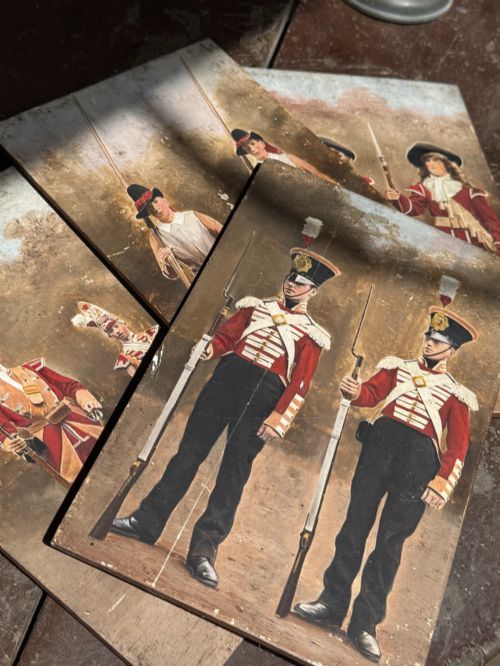


Antique Uniform Portrait
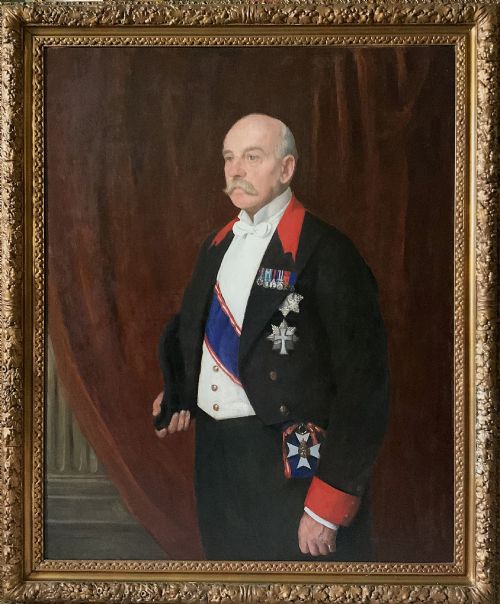
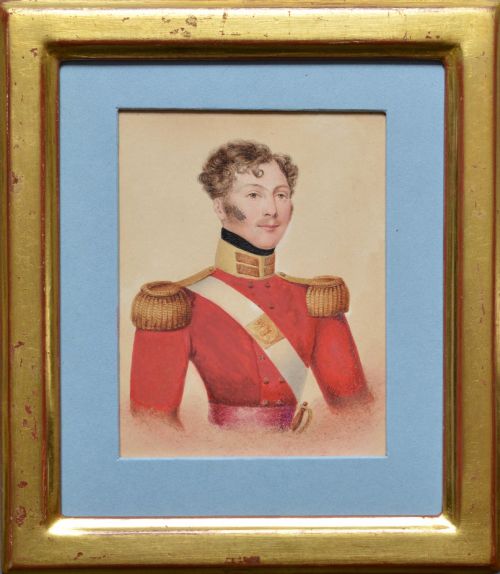
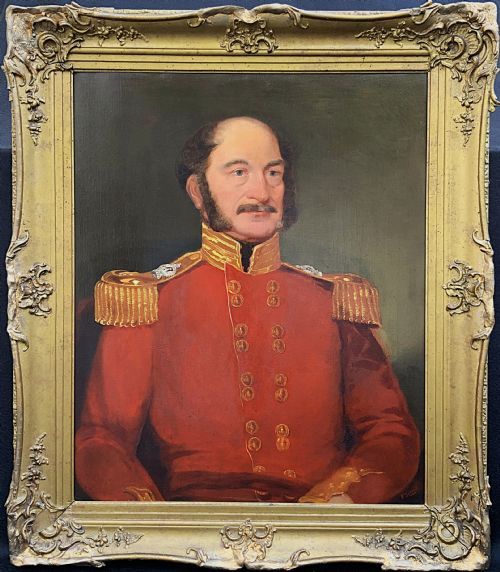
An antique uniform portrait captures individuals in military, naval, or official dress across centuries of fine art.
Antique Uniform Portrait
Buyers seeking an antique uniform portrait encounter works depicting officers, generals, and naval commanders from the eighteenth century onward. These pieces record specific ranks, regiments, and ceremonial attire through traditional painting and drawing methods.
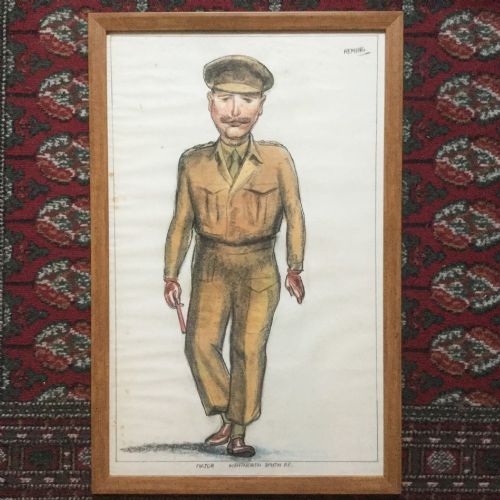
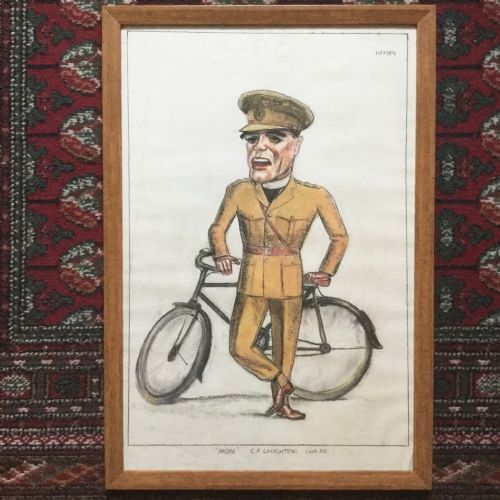
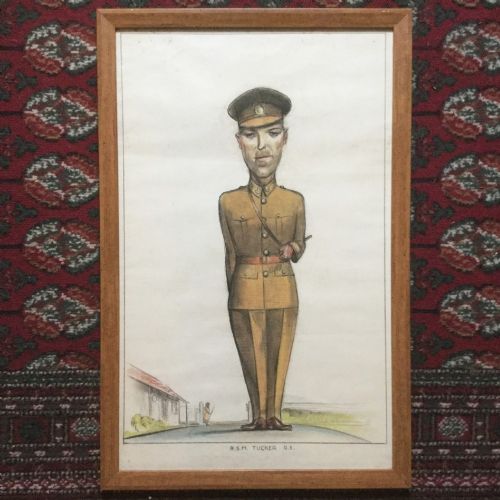
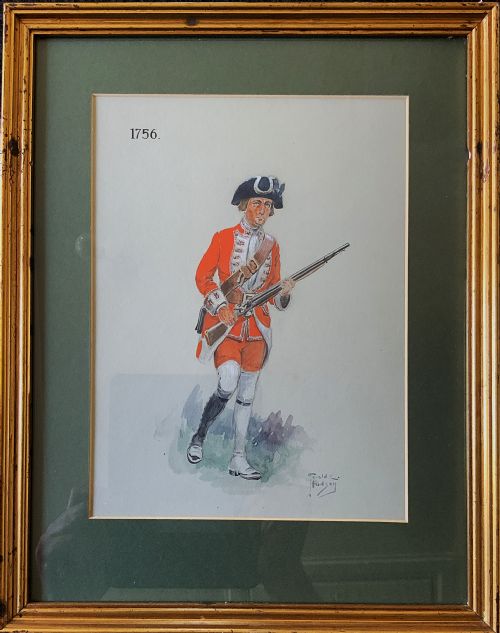
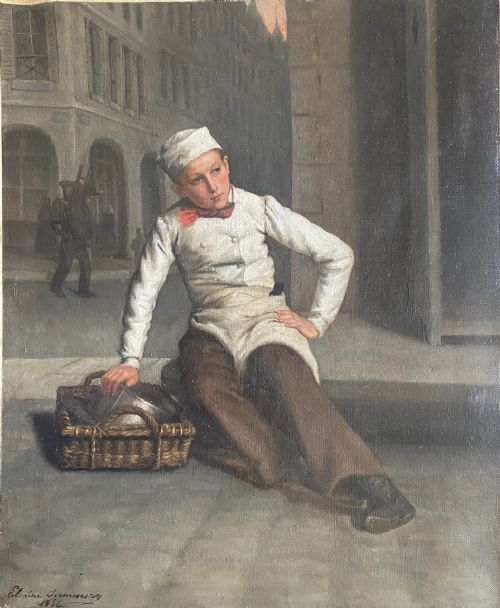
The selections available here span Georgian, Victorian, Edwardian, and mid-century periods, capturing subjects in varied contexts from formal commissions to wartime sketches. Canvas oil paintings and detailed watercolours form the core of the items seen on this page.
Subjects range from named historical figures and decorated generals to unidentified officers of British and European regiments. Each piece serves as both a fine art object and a record of military history.
Materials and methods
Artists typically utilised oil paint on stretched canvas or panel to produce substantial portraits, allowing for rich depiction of scarlet coats, gold braid, and uniform details. Watercolour and wash on paper were frequently employed for portable works and detailed military sketches.
Pastel and gouache mediums appear in twentieth-century wartime drawings, capturing immediate likenesses of army and engineering personnel. Enamel and watercolour on small supports were also used to create delicate portrait miniatures framed behind glass.
Several military gentlemen are accompanied in their portraits by King Charles spaniels.
Evaluating craftsmanship and detail
Quality in these portraits depends on the precision with which the artist renders the sitter's uniform insignia, facial expression, and posture. Skilled hands capture the texture of wool tunics, metallic thread, and ceremonial regalia with distinct clarity.
Works by named academic painters or established portraitists generally demonstrate superior anatomical drawing and composition compared to anonymous or primitive school pieces. The preservation of the original canvas, paper support, and period framing also influences the overall standard of the work.
Henry Bone ARA·Sir Thomas Lawrence PRA·Edward Pugh·Sir Hubert Von Herkomer
The Antique Uniform Portrait Glossary
- Portrait miniature
- A small, highly detailed painting, often executed in watercolour on ivory, vellum, or card, or in enamel on metal. These intimate works were frequently carried or worn by family members.
- Gouache
- An opaque water-based paint that provides solid, flat areas of colour and bright highlights. It is often combined with watercolour in works on paper.
- Regency style
- An artistic and architectural style spanning the early nineteenth century, characterised by classical restraint and elegance in portraiture and decorative arts.
- Enamel miniature
- A painting created by fusing vitreous glass powders onto a metal plate through firing. This technique produced durable, fade-resistant colours highly valued for portraiture.
- Provenance
- The documented history of ownership of an antique work of art. A clear provenance helps verify the identity of the sitter and the attribution of the artist.
Antique Uniform Portrait: Frequently Asked Questions
How do I identify the rank of the sitter?
Military ranks are typically indicated by specific uniform details such as epaulettes, sleeve braid, collar insignia, and medals depicted in the portrait. Researching the specific regiment mentioned in the title often reveals the exact era and hierarchy of the uniform.
Comparison with contemporary military dress regulations for units like the Royal Engineers or cavalry regiments provides further confirmation of the sitter's position.
Are most portraits signed by the artist?
Signed works appear alongside pieces attributed to specific schools or anonymous artists working within particular historical periods. Signatures, monograms, or contemporary inscriptions on the reverse of the canvas or paper often provide clues to the creator.
Unsigned works are frequently attributed to British or European schools based on stylistic elements, painting technique, and the uniform styles worn by the subjects.
How should I care for a canvas painting?
Canvas paintings require stable environmental conditions away from direct sunlight, excessive moisture, and rapid temperature fluctuations. Dusting should be performed gently with a soft, dry brush without applying pressure to the painted surface.
Professional conservation should be sought for any structural repairs to the canvas, cleaning of accumulated varnish, or restoration of the original wooden frame.
What is the difference between an oil painting and a miniature?
Oil paintings are typically executed on stretched canvas or wood panels, allowing for large-scale compositions and rich blending of pigments. Portrait miniatures are small-scale works created on paper, card, or metal, designed for intimate viewing.
Miniatures are usually housed in protective cases or glazed frames, whereas larger oil paintings form prominent wall art.