

Antique Umbrella Stand Cane
These pieces for an antique umbrella stand cane serve the entrance hall by holding wet weather gear and walking sticks.
Antique Umbrella Stand Cane
An antique umbrella stand cane search brings together hall furniture designed to receive wet weather gear and walking sticks upon entry. The forms include dedicated umbrella stands, stick stands, combined stick and umbrella stands, and large hall stands incorporating coat hooks and mirrors.
The versions most frequently met on this page span the Victorian and Edwardian periods up to the 1930s. They appear in forms ranging from heavy metal hall furniture to domestic wooden barrels and ceramic vessels.
Makers utilised various regional workshop traditions, producing utilitarian iron frames alongside decorative pieces intended for polite reception rooms. Buyers encounter everything from simple domestic items to large shop and hotel displays.
How they were made
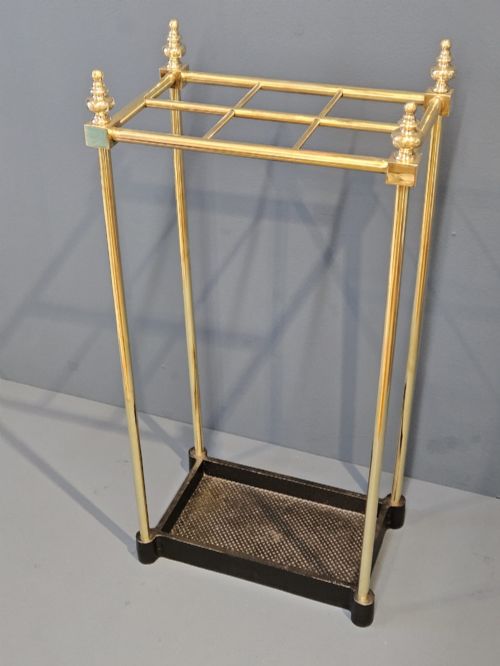
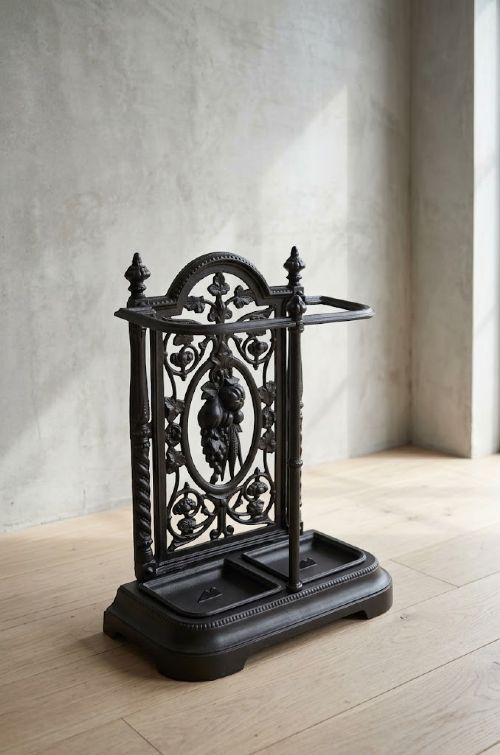
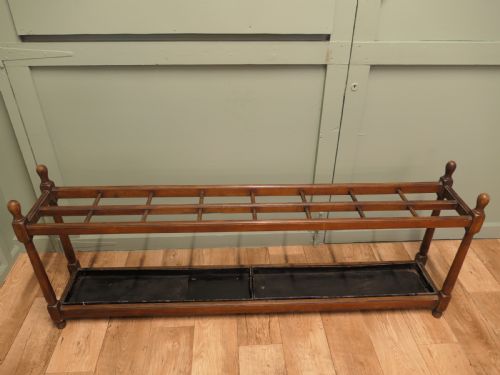
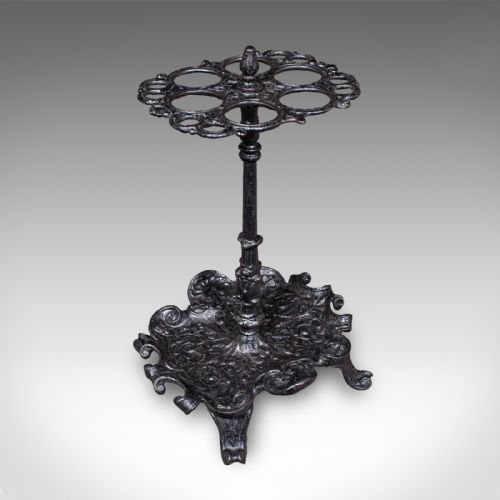
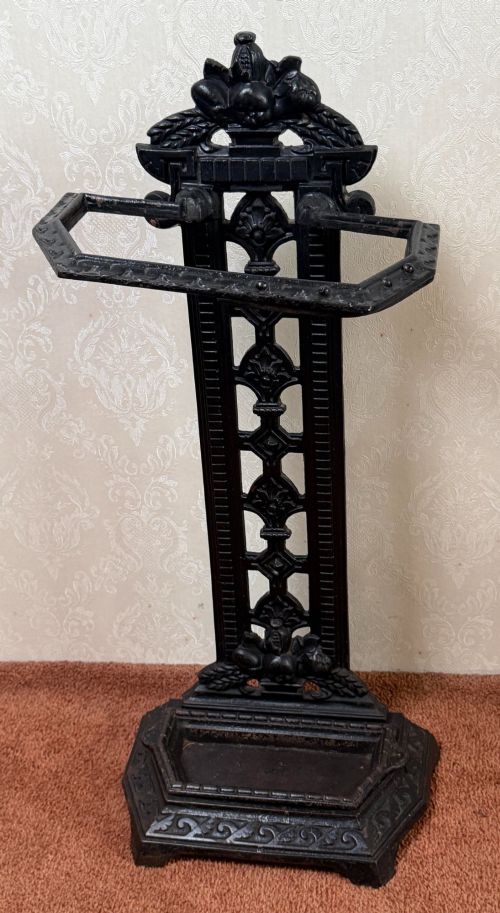
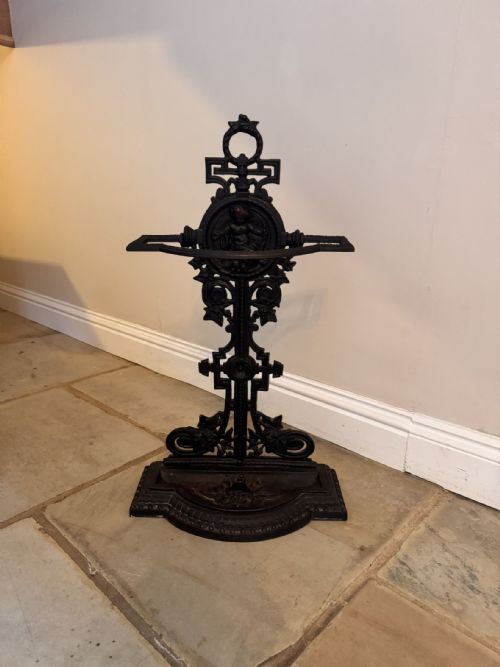
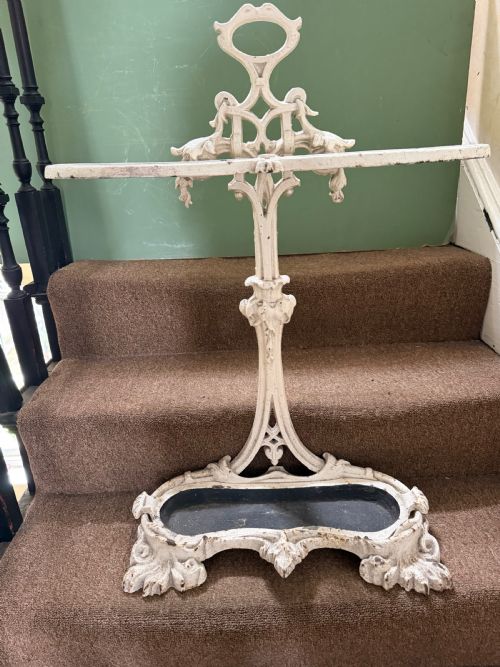
Foundry work dominates the metal pieces, utilising cast iron for heavy frames, stick loops, and removable drip trays, often paired with sheet brass or nickel plating. These iron structures frequently display intricate openwork patterns or faux bois bamboo designs.
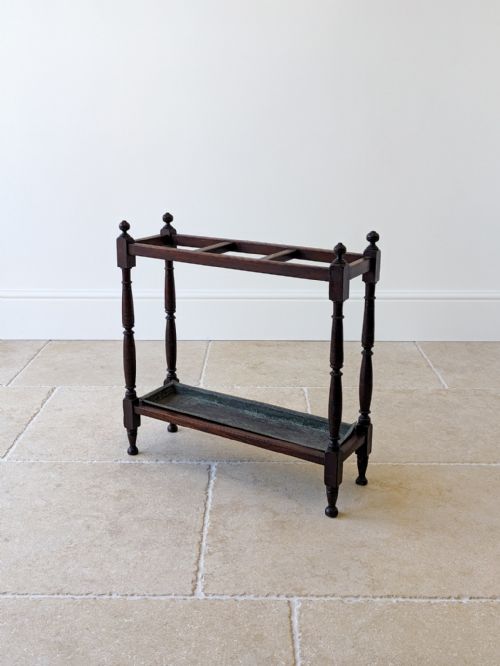
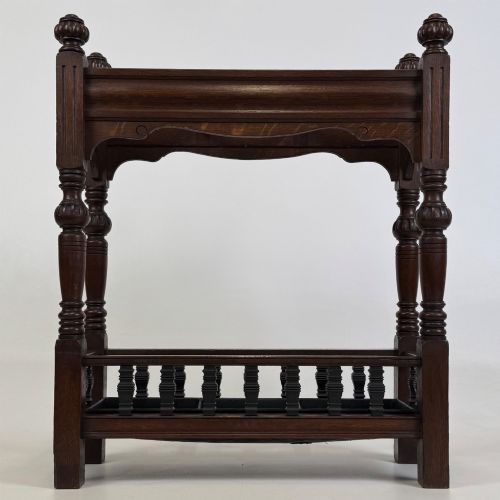
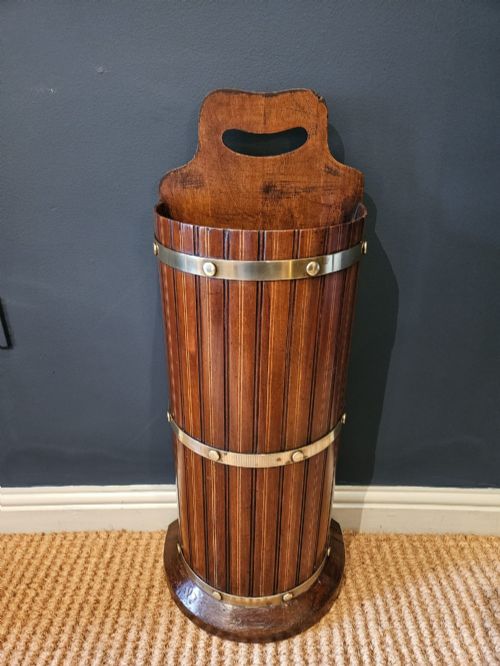
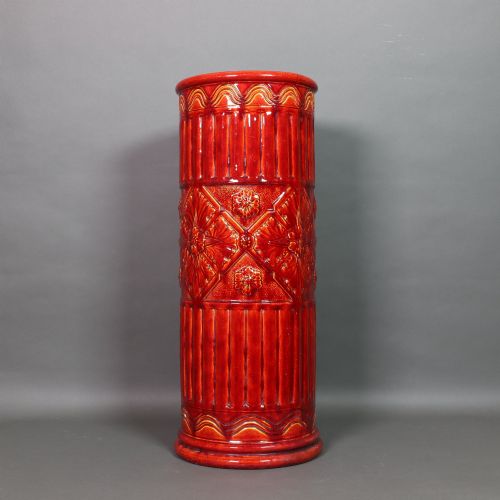
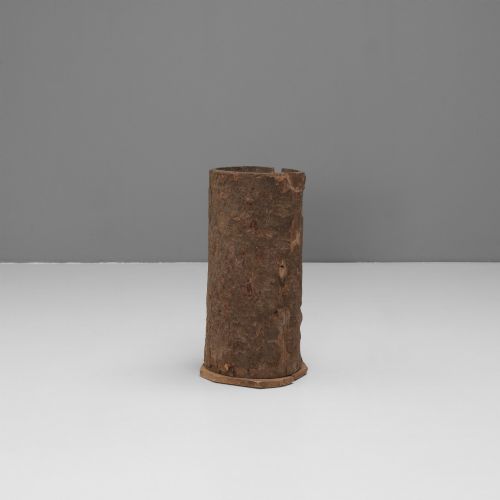
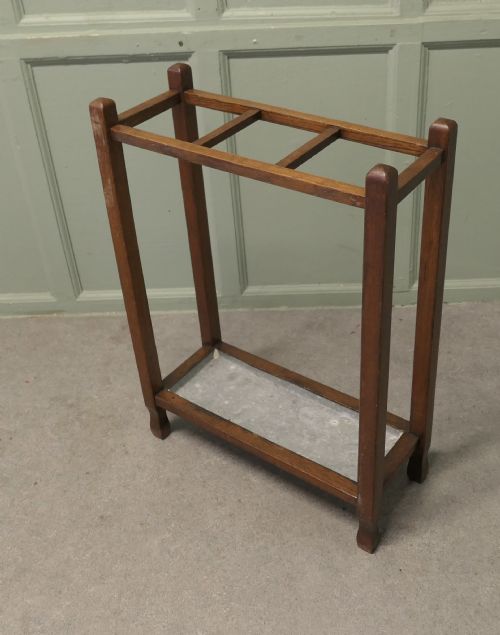
Cabinet makers constructed wooden examples using oak, mahogany, and pine, frequently employing coopered stave construction with brass binding bands or joining solid timber into arts and crafts frames. Ceramic pottery stands utilised glazed earthenware bodies formed in moulds.
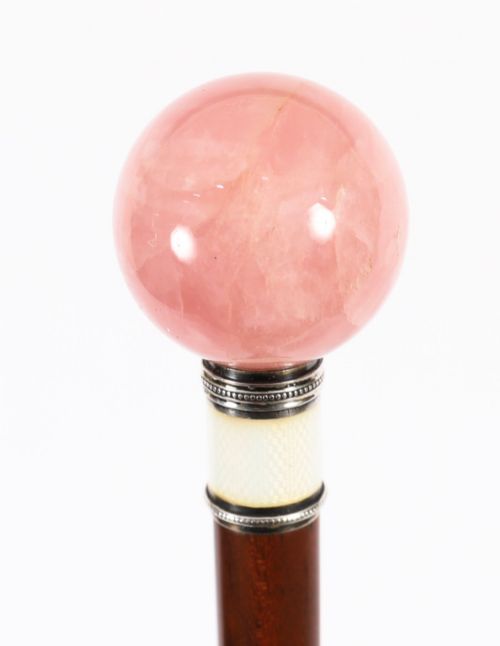
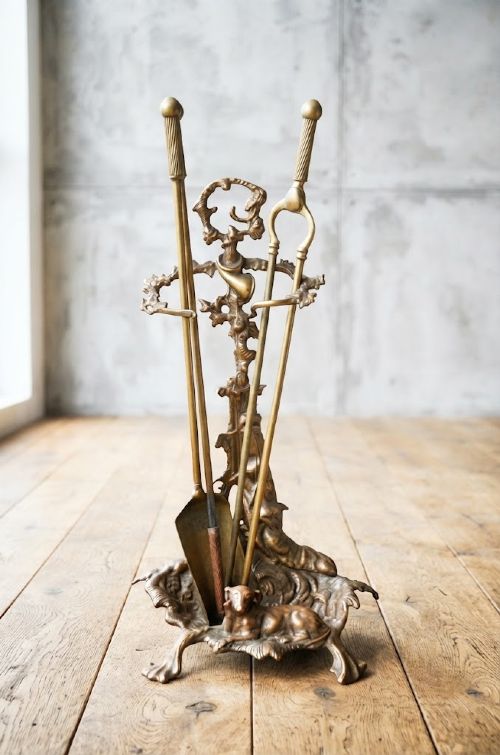
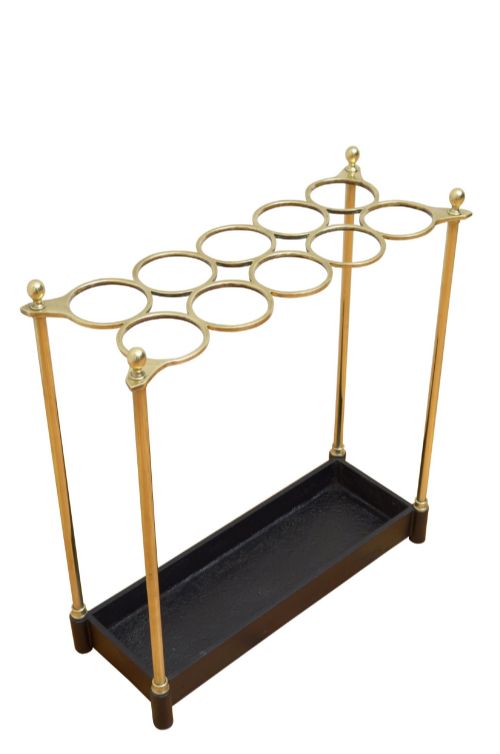
Surface finishes include japanning, white enamel, and polished brass elements such as decorative ball finials or dog tooth trays. Individual pieces incorporate specialised materials like pink quartz spheres mounted on walking sticks.
Antique Umbrella Stand Cane Retail Price Guide 2026
Typical asking prices for umbrella stand cane among the pieces listed under this phrase on Sellingantiques today, from the lower quarter to the upper quarter. They describe what is for sale here now, not the wider market.
Listings feature items spanning the Victorian, Edwardian, and Art Deco periods, constructed from cast iron, brass, oak, mahogany, enamel, and earthenware.
What varies in quality
The upper tier of the range relies on named foundry production or distinctive artistic movement design, where the casting definition remains crisp and complete. Lesser examples show softened detail in the metalwork or simplified joinery in the timber frames.
Material selection divides standard utility items from finer reception pieces, as seen in heavy brass framing versus thin sheet metal, or solid quarter-sawn oak versus plain pine. The inclusion of original drip trays and specific decorative motifs elevates the standing of an individual piece.
Burmantofts Faience·Théodore Deck·Coalbrookdale
The Antique Umbrella Stand Cane Glossary
- Cast iron
- An iron-carbon alloy poured into moulds to create rigid frames and decorative panels. It provides the heavy base weight required to support long items without tipping.
- Coopered
- A method of construction using curved wooden staves bound together with metal hoops. This technique originates from barrel making and appears on wooden stick vessels.
- Demi-lune
- A half-moon shape with one flat side designed to sit flush against a hallway wall. This profile saves floor space in narrow entryways.
- Faience
- Tin-glazed earthenware pottery possessing a coloured opaque glaze. Pieces utilise this ceramic finish for decorative body panels.
- Japanning
- A European imitation of East Asian lacquer work applied to metal or wood surfaces. The process involves layering dark varnishes and heat curing the finish.
Antique Umbrella Stand Cane: Frequently Asked Questions
How do I clean a cast iron stand?
Wipe metal surfaces with a dry cloth to remove dust and prevent moisture accumulation. Avoid abrasive scouring agents that damage the original finish.
For pieces with enamel or japanned coatings, use mild soap and water sparingly. Dry the metal thoroughly after cleaning.
Were these used in homes or hotels?
Both domestic hallways and commercial spaces utilised these holders for visitor convenience. Large six-foot versions served hotel lobbies and shop displays.
Domestic models accommodated family walking sticks and visiting guests' umbrellas. Their placement near the front door protected interior floors from water damage.
How do I identify a Victorian piece?
Victorian examples frequently employ heavy cast iron frames with ornate stick loops or mahogany structures with brass bindings. Design motifs often reflect aesthetic movement or gothic revival tastes popular during the nineteenth century.
Date stamps or registration marks on the metalwork provide precise manufacture years. The presence of hand-turned wooden components also points to this era.
What is a drip tray used for?
Drip trays catch rainwater running off wet umbrellas and walking sticks. They sit at the base of the stand to protect wooden floors and carpets from dampness.
Most trays are removable to allow easy emptying and cleaning of accumulated water. Missing trays often indicate replacement parts or heavy past use.