
Antique Two Door Press
An antique two door press provides substantial storage, uniting historic timber and practical partitioning for linen or garments.
Antique Two Door Press
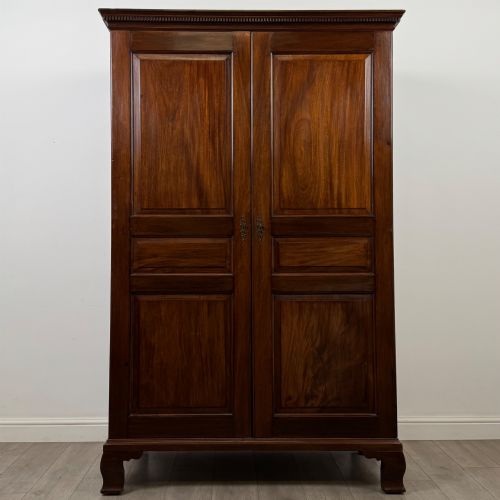
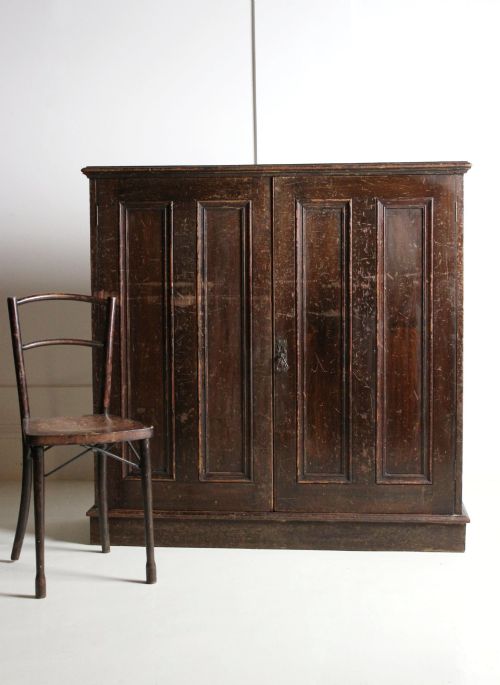
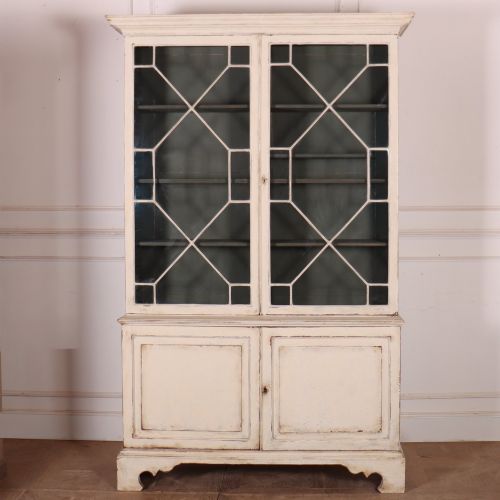
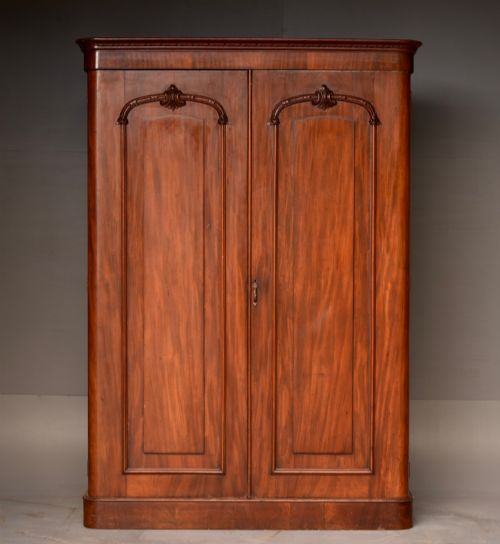
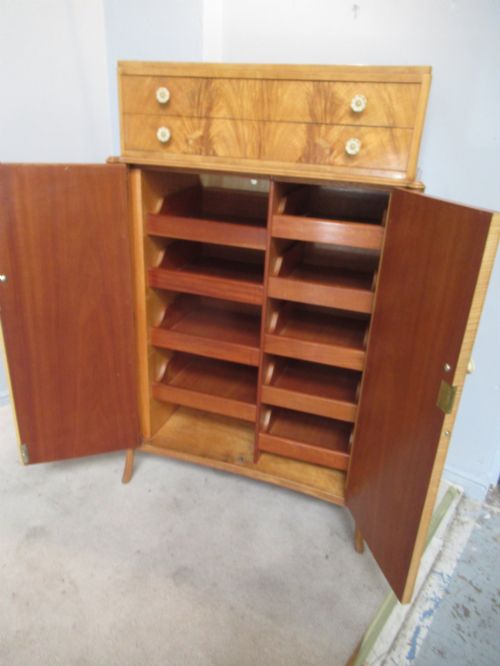
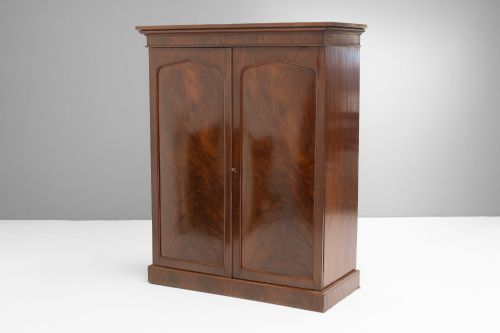
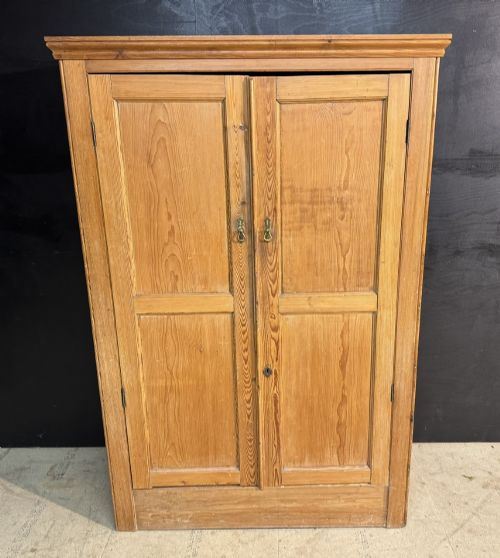
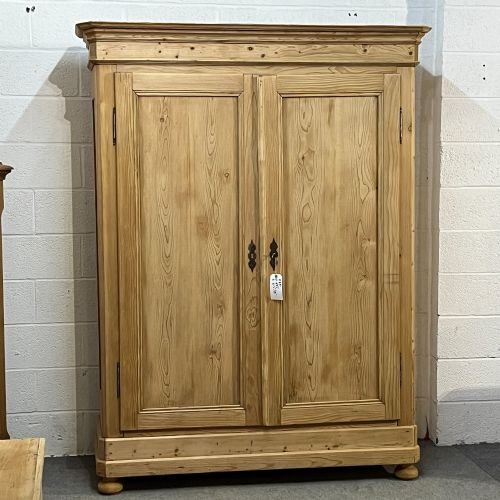
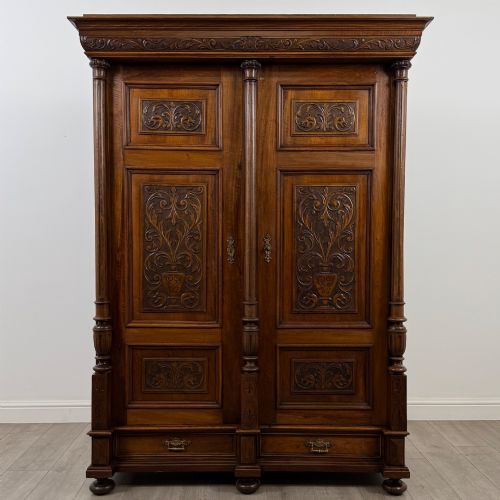
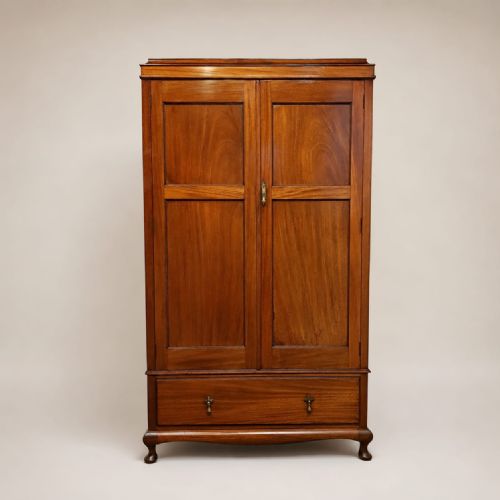
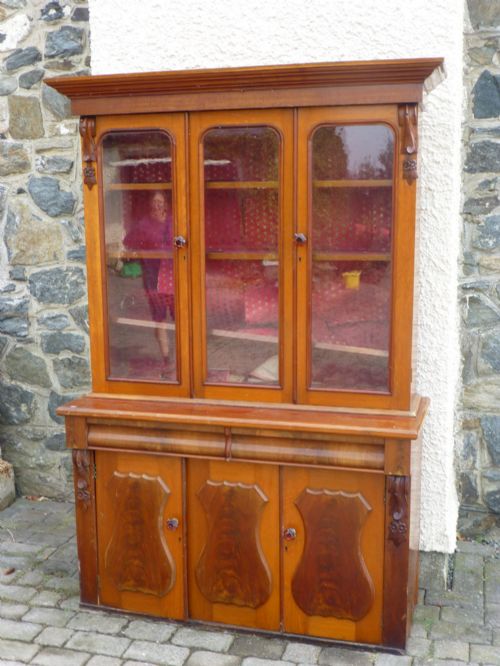
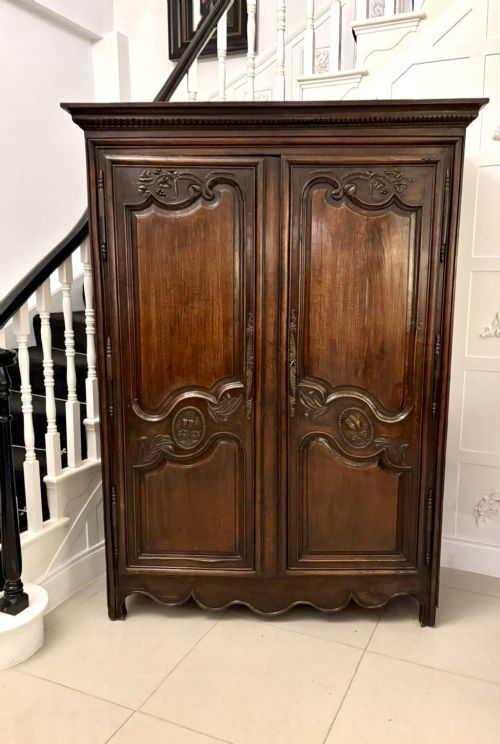
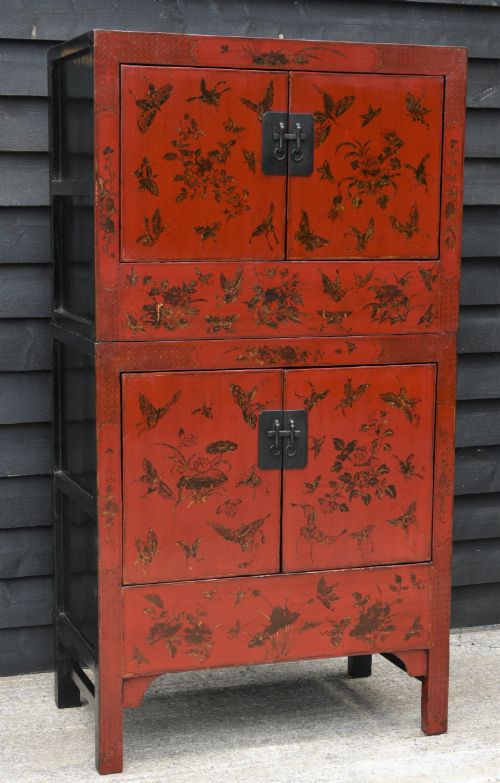
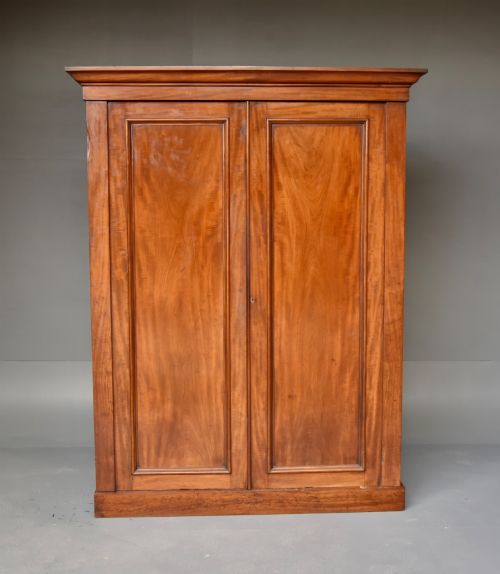
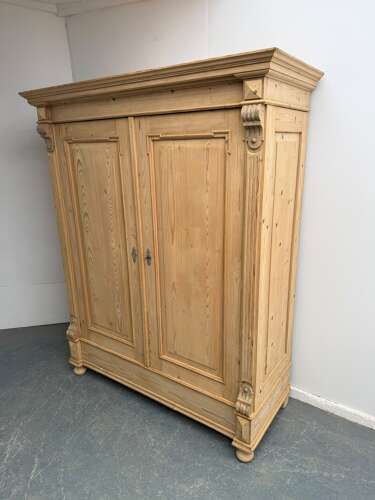
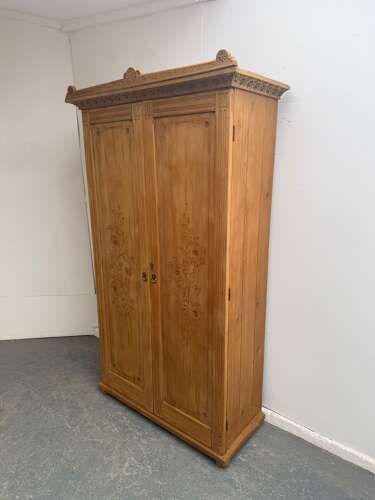
An antique two door press encompasses large storage furniture designed for households, appearing across the Georgian, Victorian, and Edwardian eras. Pieces matching this description function as wardrobes, linen presses, armoires, and storage cupboards.
The selection on this page leans heavily toward Victorian and Georgian iterations rendered in pine, mahogany, oak, and walnut. Buyers encounter both vernacular country furniture in stained or painted pine and formal urban pieces built from dense hardwoods.
Materials and construction
Cabinet makers built these presses using solid timbers like oak, mahogany, walnut, and pine, frequently supported by brass hinges, handles, and iron fittings. Timber selection dictated the structural integrity and the external appearance, whether left natural, waxed, painted, or ebonised.
Construction methods varied from knockdown designs meant for easy transport to fixed one-piece cabinets. Joinery relied on traditional framing techniques to house heavy doors, internal shelving, and linen slides securely.
Periods represented span from the late seventeenth century through the Georgian, Victorian, and Edwardian eras.
Judging execution and timber
Quality rests on the selection of timber, where dense grain patterns, figured veneers like burr walnut or flame mahogany, and clean pine boards elevate a piece far above utilitarian alternatives. The integrity of the original hardware, including brass escutcheons and working locks, signals superior workshop origin.
Proportion and execution distinguish finer items from simpler country variants. Crisp moulding, well-fitted doors, and balanced panel construction separate bespoke urban cabinets from standard regional output.
The Antique Two Door Press Glossary
- Linen press
- A tall cupboard specifically designed for storing folded textiles and garments on internal sliding trays or shelves.
- Armoire
- A large wardrobe or cupboard, originating in France, typically featuring two substantial doors enclosing hanging space or shelves.
- Knockdown
- Furniture constructed to be easily dismantled into separate panels and sections for transport and reassembly.
- Compactum
- A fitted wardrobe containing multiple internal compartments, drawers, and hanging areas arranged efficiently.
- Escutcheon
- A flat plate of brass or other metal surrounding a keyhole to protect the surrounding wood from wear.
Antique Two Door Press: Frequently Asked Questions
How were linen presses used?
These tall cabinets held household textiles, bedsheets, and garments before fitted bedroom closets became standard in modern housing. Internal sliding shelves allowed flat storage for linens, preventing creases.
Lower sections often incorporated drawers for smaller garments, keeping domestic storage organised within large shared living quarters.
What timber did makers use?
Makers utilised regional and imported woods depending on the period and the workshop's location. Oak and mahogany dominate formal pieces, while pine served as the primary material for painted or waxed country furniture.
Walnut and exotic veneers appear on high-status Victorian and Georgian examples, adding decorative grain patterns to the exterior surfaces.
How do I date an old press?
Dating relies on architectural styles, construction methods, and timber choices visible across different historical eras. Georgian pieces often display clean classical lines and solid mahogany, while Victorian versions incorporate heavier mouldings and knockdown carcass designs.
Secondary woods inside drawers, alongside the style of brass hardware, provide further clues to the decade of manufacture.
Will a large press fit easily?
Many Victorian examples feature knockdown construction, allowing the main body to separate into individual panels, cornices, and bases for straightforward transport. Solid one-piece cupboards require careful measurement of doorways and stairwells before purchase.
Checking internal depth ensures modern coat hangers and folded garments fit comfortably behind the doors.