




Antique Turquoise Glass
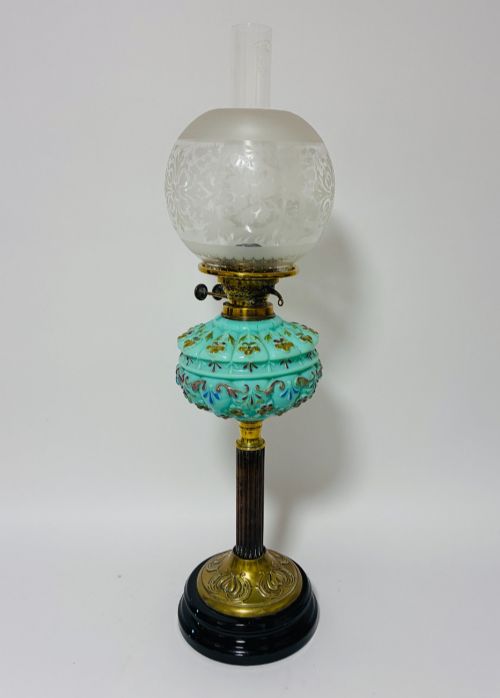
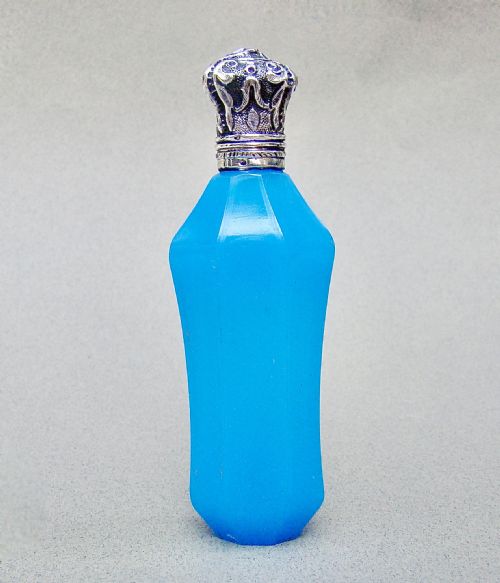
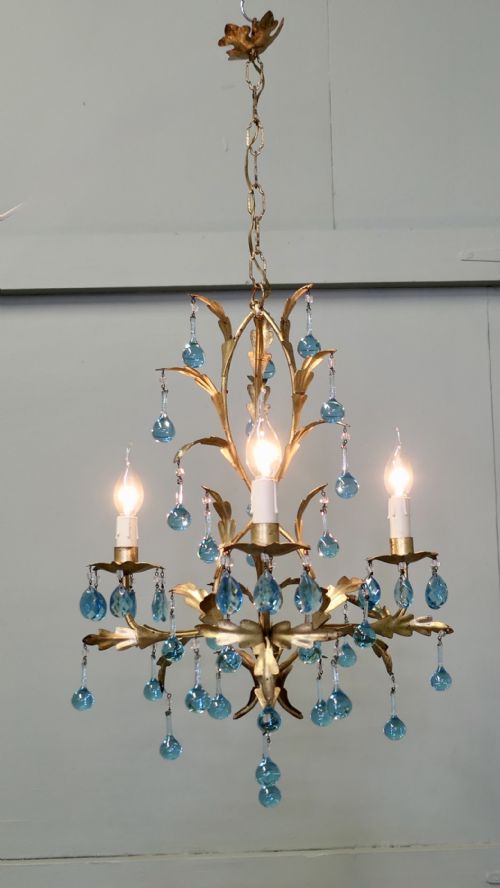
Antique turquoise glass brings striking colour and vibrant depth to a room through vessels, chandeliers, and decorative objects.
Antique Turquoise Glass
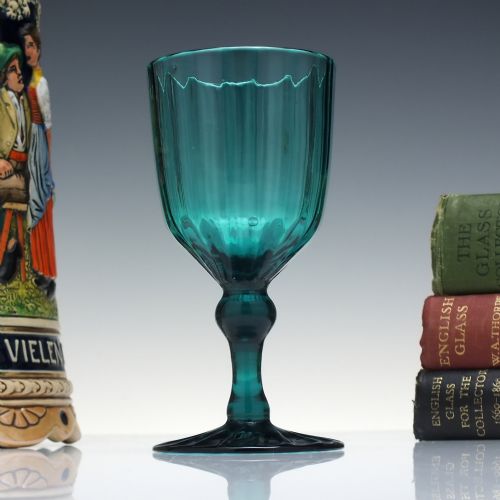
Most pieces met on this page belong to the Victorian era or the Georgian period, often showcasing traditional forms like rummers, wine goblets, and lustres. European workshops dominate the origins, with French, Italian, Bohemian, and English examples appearing frequently.
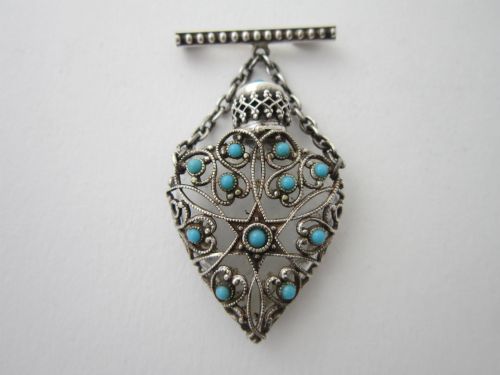
Vessels for dining and display form the core of the available items, alongside utilitarian objects mounted in silver, brass, or ormolu. Whether selecting a single scent bottle or a set of wine glasses, buyers find pieces intended for both practical use and ornamental display.
Materials and technique
Makers achieved the distinctive turquoise colour by introducing metallic oxides into the molten batch during production. Lead glass and standard glass received these mineral colorants before being worked into form by hand.
Techniques relied on traditional glassblowing, often utilising rib moulding to create texture in pieces like eighteenth-century rummers. Skilled artisans also applied casing, enamelling, and metal mounts of silver, brass, or ormolu to finished glass bodies.
Some Victorian wine glasses are so intensely turquoise they practically glow on the shelf.
Quality and manufacture
Superior examples demonstrate clarity in the glass body and precision in the colour saturation throughout the material. Finer pieces often incorporate delicate hand-painted enamel details, gilt highlights, or intricate metal mounts that complement the glass without overwhelming its form.
The sophistication of the silhouette and the skill involved in free-blowing or moulding distinguish better items from standard production wares. Condition and the preservation of original mounts or matching sets significantly influence the standing of an object within its type.
Salviati·Monart·Richardson
The Antique Turquoise Glass Glossary
- Opaline glass
- A semi-translucent glass developed in France that exhibits a milky appearance and takes pastel or vibrant hues like turquoise well. It gained popularity during the nineteenth century for decorative table wares and vanity items.
- Lustre
- A mantel ornament featuring a bowl hung with cut crystal prisms designed to catch the light. Victorian examples frequently utilise coloured glass bodies to enhance visual impact in drawing rooms.
- Rib mould
- A tool or process used to impress vertical or spiral patterns into molten glass during blowing. This technique adds structural strength and decorative texture to early wine glasses and rummers.
- Roemer
- A traditional Germanic drinking vessel featuring a wide bowl atop a cylindrical stem studded with prunts. These glasses often appear in shades of green or turquoise glass.
- Toleware
- Painted or lacquered metalware used for decorative objects and light fittings. It frequently accompanies crystal and glass components in French chandeliers.
Antique Turquoise Glass: Frequently Asked Questions
What is antique turquoise glass?
Antique turquoise glass encompasses decorative and functional glassware produced from the Georgian era through the early twentieth century, coloured with metallic oxides to achieve distinctive blue-green hues.
Items range from drinking vessels and scent bottles to chandeliers and vases, originating primarily from English, French, Italian, and Bohemian workshops.
How were these glass items used?
Many pieces served practical dining and domestic purposes, such as wine glasses used for service at the table and water jugs employed in bedchambers.
Other objects, including lustres, scent bottles, and mantel clocks, functioned purely as ornamental displays to adorn nineteenth-century interiors and mantelpieces.
How do I date antique glassware?
Dating relies on observing manufacturing techniques, pontil mark characteristics, stylistic influences, and the presence of associated metal mounts or hallmarks.
Georgian pieces often show heavier pontil scars and simpler, robust forms, whereas Victorian items frequently display greater decorative complexity and specialised colouring techniques like opaline.
How do I care for coloured glass?
Coloured glass requires gentle handling and should be washed by hand in lukewarm water using mild detergent to protect delicate surfaces and gilt highlights.
Avoid sudden temperature changes and keep pieces away from direct, strong sunlight to preserve the richness of the turquoise pigment over time.