
Antique Turned Wood
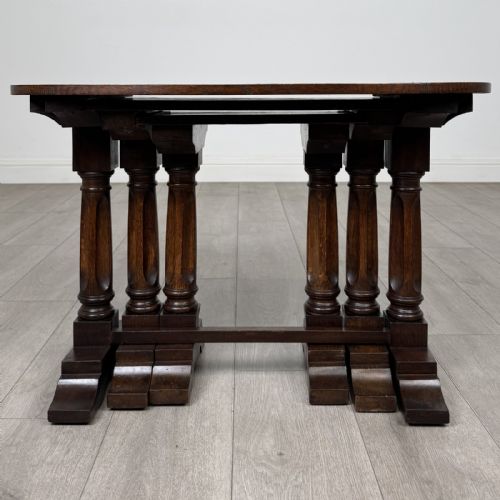
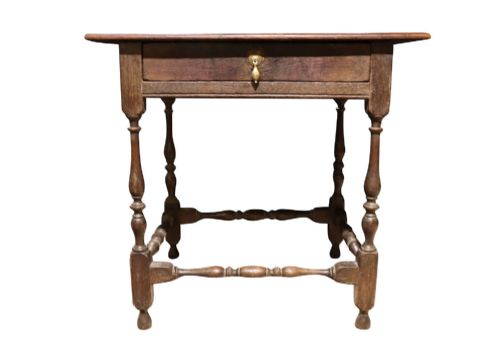
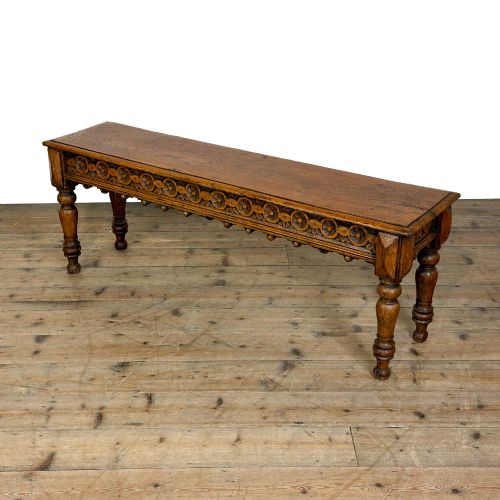
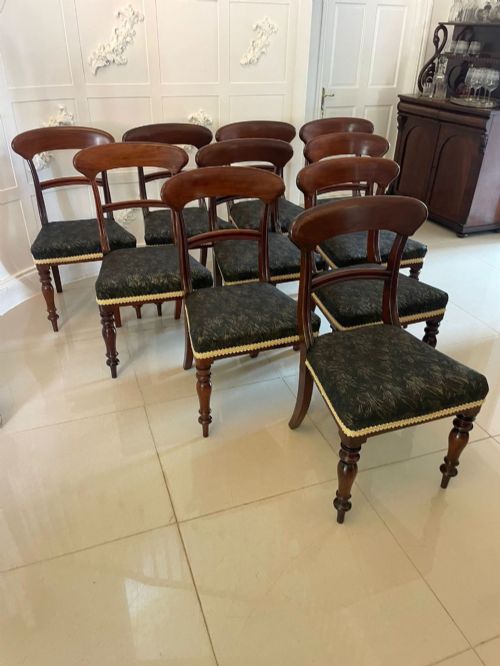
Antique turned wood encompasses structural supports and decorative details shaped on a lathe, ranging from modest oak tables to substantial mahogany dining chairs.
Antique Turned Wood
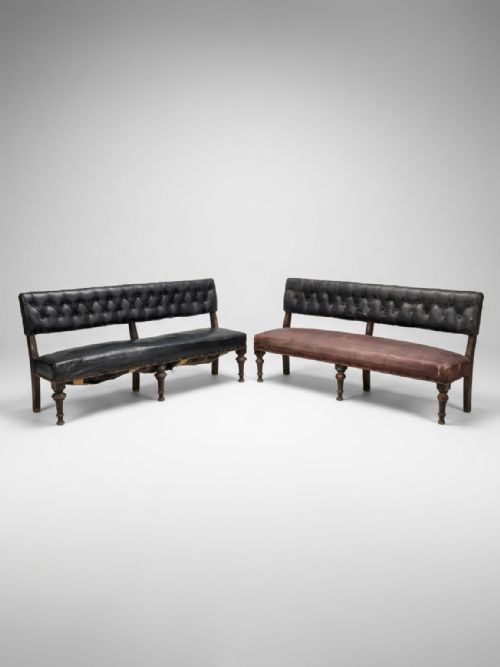
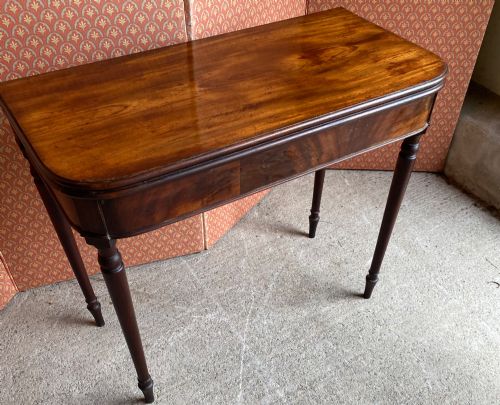
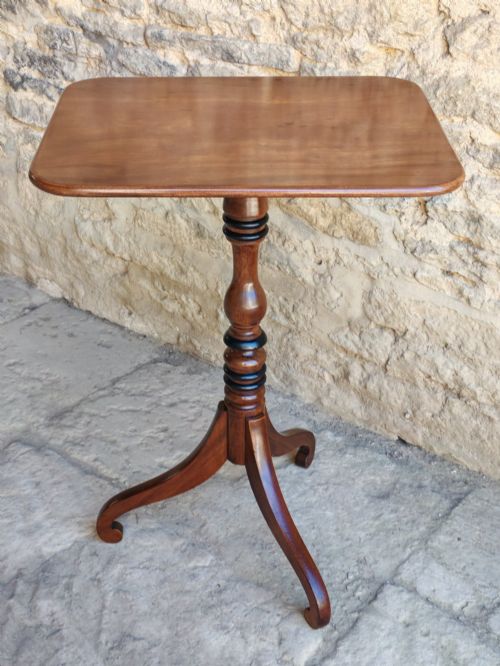
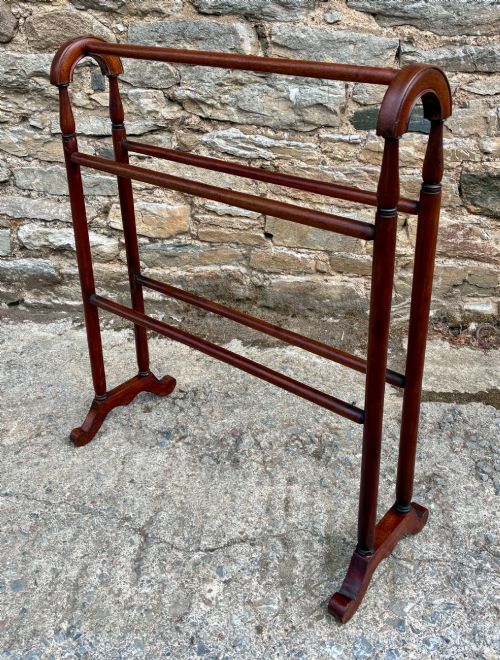
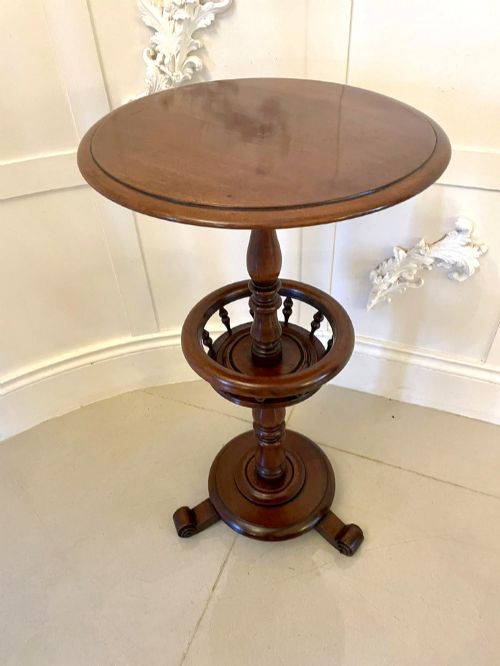
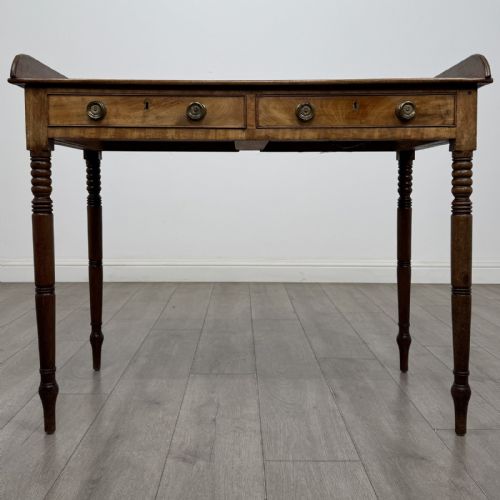
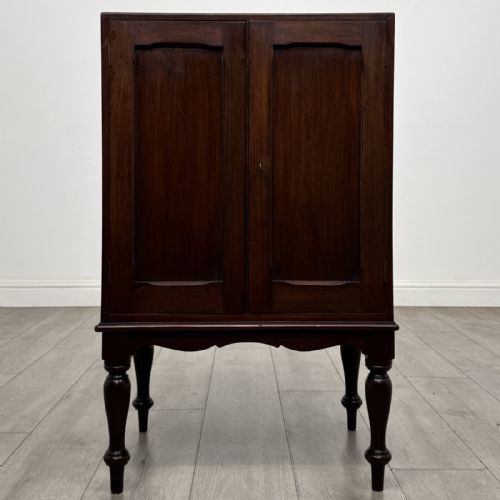
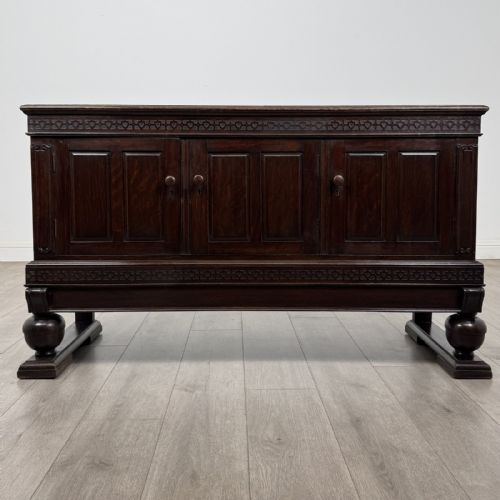
When you search for antique turned wood, you encounter furniture and household objects featuring circular profiles shaped on a lathe. The selection spans domestic forms such as occasional tables, writing desks, side cabinets, dining chairs, and towel rails produced across the Georgian, Victorian, and Edwardian periods.
Mahogany and oak dominate the listings, frequently appearing alongside elm, walnut, and yew wood. Pieces range from country stools with beech components to formal Regency tilt-top tables and George III console tables.
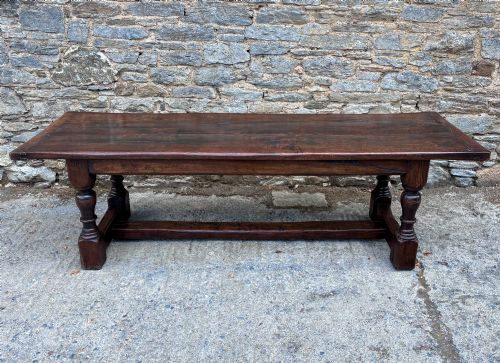
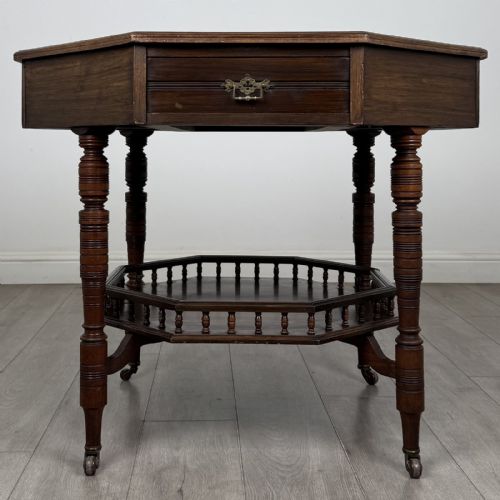
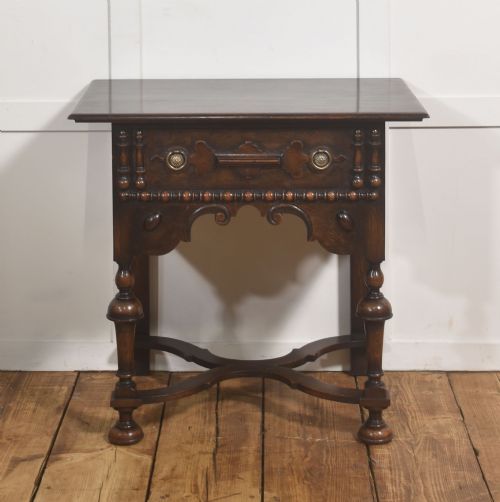
The turned elements serve both structural and decorative roles, forming table legs, support columns, stretcher rails, and chair spindles. Buyers find these components integrated into items extending from the eighteenth century into the early twentieth century.
How they were made
Cabinet makers utilised manual lathes to shape dense hardwoods including mahogany, oak, walnut, and yew. Timber selection dictated the sharpness of the profile, with straight-grained hardwoods holding crisp lines on baluster and bobbin turnings.
Joinery combined turned wooden components with mortise and tenon joints, dowels, and occasional brass hardware such as castors. Secondary timbers like beech frequently reinforced country chairs and stools alongside primary elm seats.
Listings feature turned wood pieces spanning the Georgian, Victorian, and Edwardian periods, constructed primarily from mahogany, oak, elm, walnut, and yew wood.
What varies in quality
Quality rests in the precision and balance of the lathe work and the selection of figured timber. Superior examples display crisp profiles without sanding distortion, maintaining symmetry across paired legs and spindle series.
The integrity of the construction and the proportional relationship between the turned supports and the top surface dictate the visual success of each piece. Retaining original surfaces and matching timber grains across assembled components separate finer examples from standard workshop output.
Heals
The Antique Turned Wood Glossary
- Baluster turned
- A vase-shaped vertical support shaped on a lathe. This form appears frequently on table legs and chair supports across the Georgian and Victorian periods.
- Tilt top
- A table mechanism allowing the surface to pivot to a vertical position for storage. Regency and Georgian examples often incorporate brass catches and turned central pedestals.
- Spindle-back
- A chair design featuring thin turned vertical wooden rods supporting the backrest. This construction method provides lightweight strength to country and Victorian seating.
- Galleried shelf
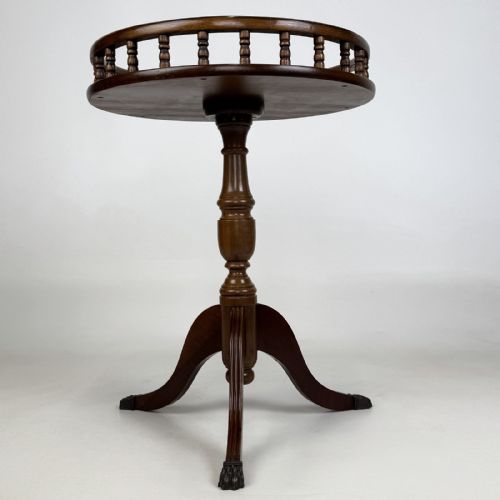
- A raised wooden rim surrounding a lower shelf to prevent items from sliding off. This detail appears on nineteenth-century centre tables and occasional furniture.
Antique Turned Wood: Frequently Asked Questions
What is turned wood furniture?
Turned wood furniture incorporates components shaped on a lathe, such as cylindrical legs, columns, stretchers, and spindles. These elements appear across a wide variety of domestic forms from the Georgian, Victorian, and Edwardian eras.
Craftsmen mounted blocks or squares of timber onto a rotating lathe and applied chisels to cut symmetrical circular profiles. This technique provided both structural support and ornamental detail to tables, chairs, desks, and stands.
How do I care for antique wood?
Antique turned wood requires stable indoor humidity levels away from direct heat sources and strong sunlight. Sudden environmental changes cause timber to expand, contract, and split along grain lines.
Apply traditional beeswax periodically to nourish the surface and maintain the finish. Avoid silicone-based sprays that penetrate open wood pores and degrade the patina over time.
How do I date turned furniture?
Dating relies on combining the turning style, secondary timbers, construction methods, and overall form. Earlier Georgian pieces often feature heavier hand-turned proportions, whereas later Victorian examples utilise machine assistance and varied revival motifs.
Examine joint construction, tool marks, and fixing methods underneath or inside the piece. Comparing the turning profile to dated stylistic periods helps narrow the manufacturing window.
Where should I place these pieces?
Turned wood pieces suit both traditional and contemporary interiors, acting as focal points or functional surfaces. Occasional tables, writing desks, and chairs fit easily into living rooms, hallways, and home offices.
The varied timber tones of mahogany, oak, walnut, and yew complement neutral walls and textured fabrics. Ensure placement avoids damp areas and conservatories with fluctuating temperatures.