




Antique Turned Wood Chair
An antique turned wood chair brings tactile warmth and domestic history into a room through visible lathe work and timber construction.
Antique Turned Wood Chair
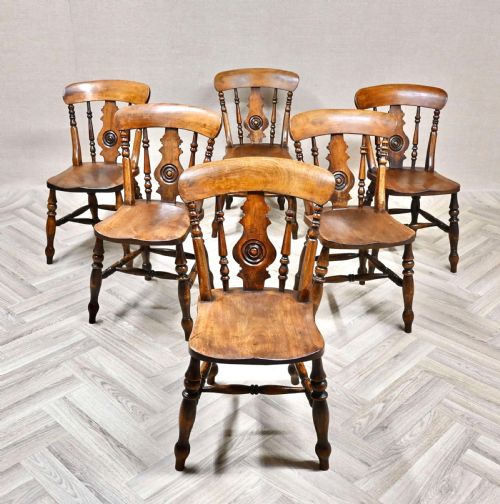
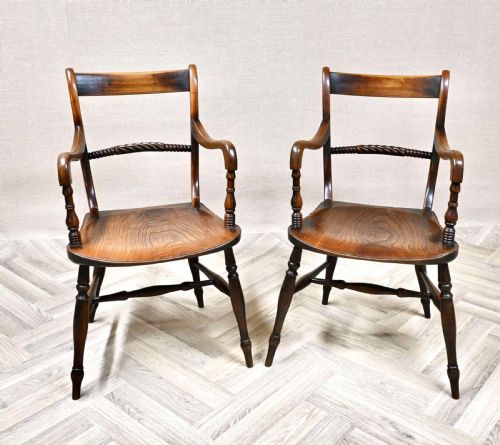
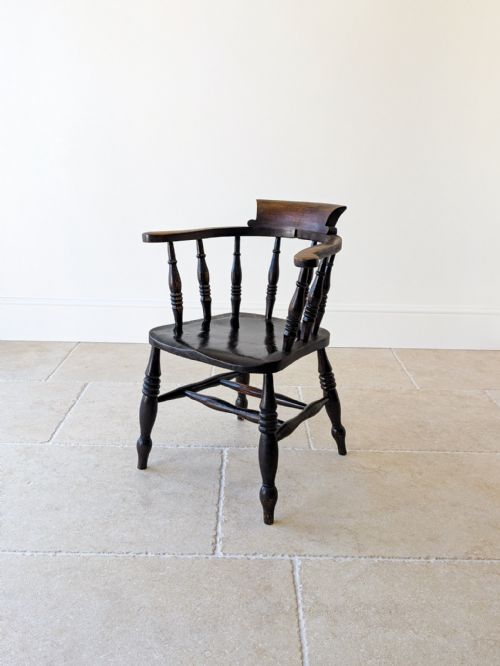
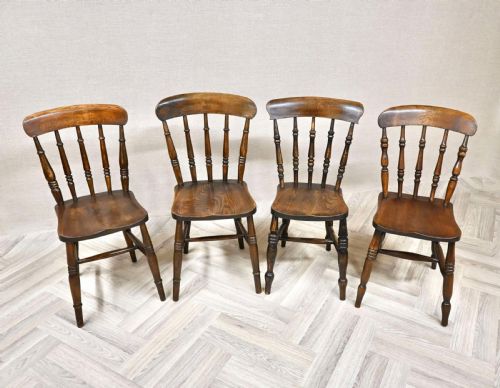
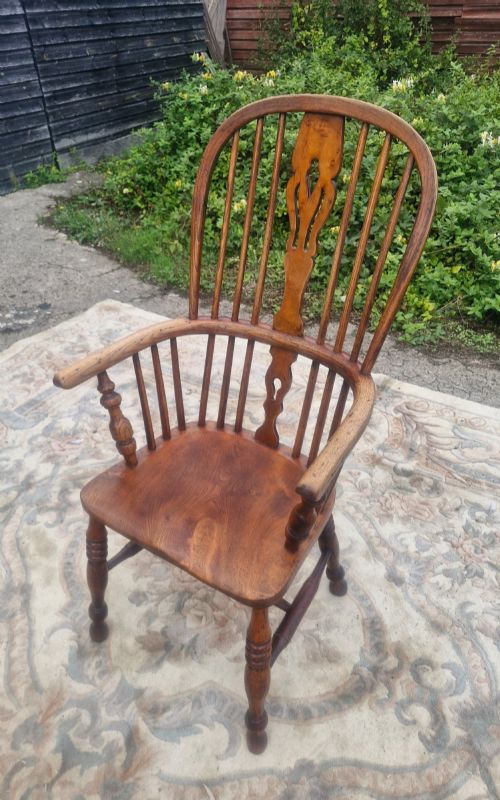
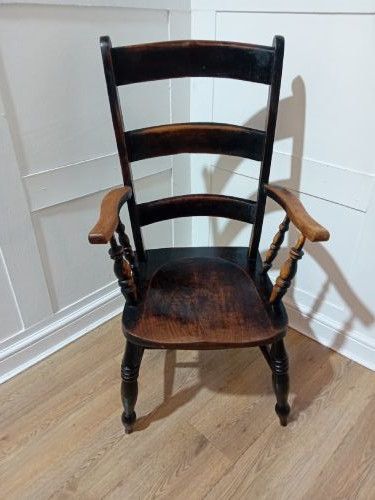
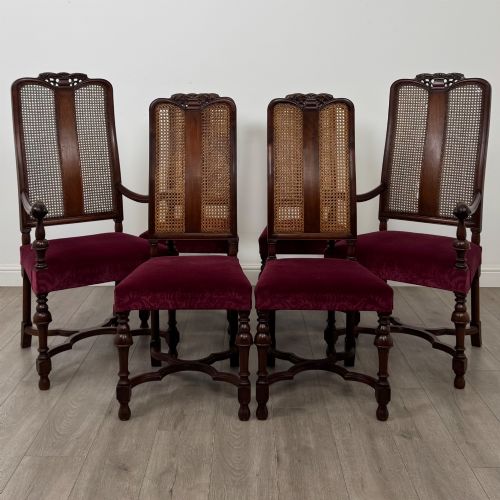
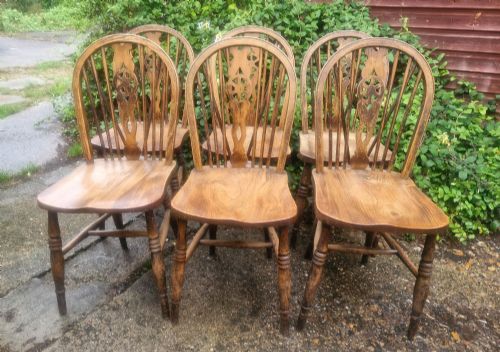
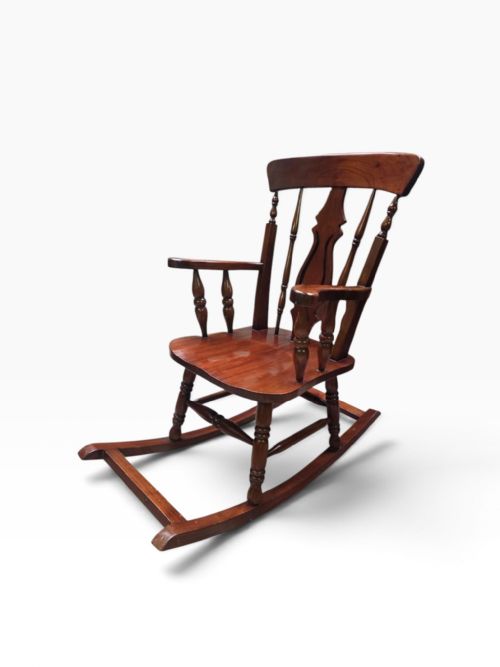
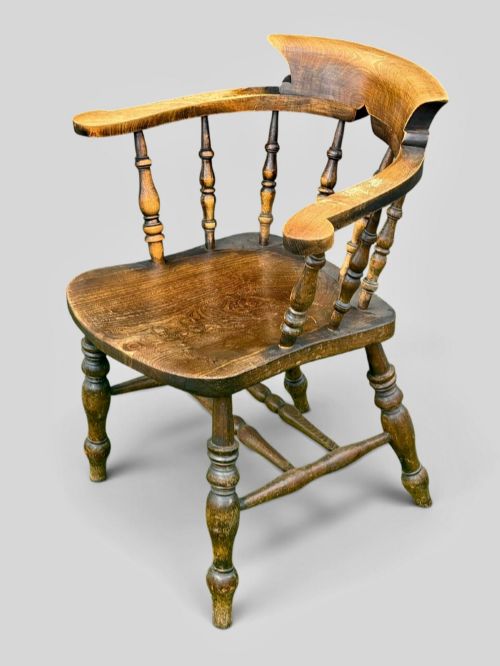
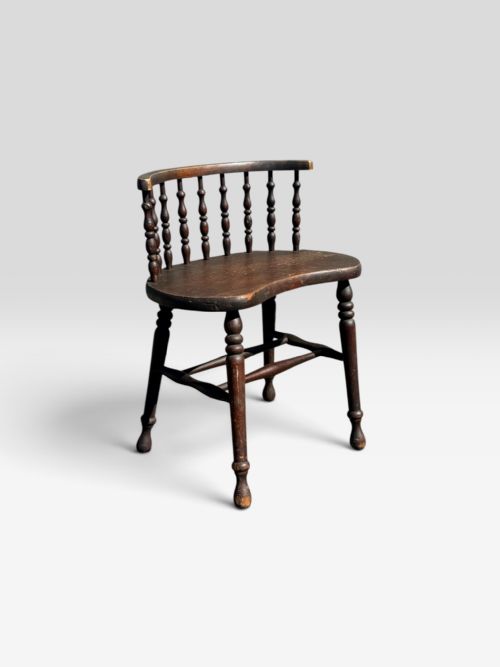
An antique turned wood chair encompasses a wide variety of seating forms, from kitchen armchairs and Windsor chairs to dining sets and hall chairs. Buyers searching for an antique turned wood chair commonly encounter nineteenth-century vernacular seating, including country armchairs, spindle backs, and captains chairs.
The recorded periods stretch from the eighteenth century through the Edwardian era and the 1920s, with Victorian and nineteenth-century examples appearing most frequently. These pieces originate largely from English, Scottish, and regional domestic settings, reflecting traditional country craftsmanship and formal reception rooms alike.
Materials and Technique
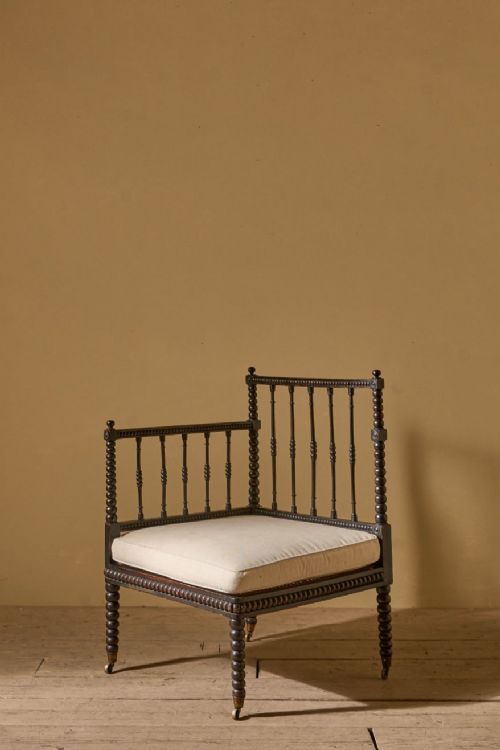
Constructed primarily from native hardwoods such as elm, ash, beech, and oak, these chairs utilise contrasting timbers for seats and spindles. Turnery techniques shape components on a lathe, creating bobbin turned members, ropetwist details, and slender spindles fitted into solid plank seats.
Makers combine traditional joinery with steam bending for curved backs, armbows, and crest rails. Surfaces frequently retain original finishes or patinated patinas developed through generations of domestic use.
Some nineteenth-century smokers bow chairs feature extra-wide armrests designed specifically to accommodate bulky gentleman's waistcoats.
Gradations of Merit
Quality rests in the crispness of the lathe turning and the harmonious selection of timber grains, particularly where elm seats contrast with ash or beech spindles. The integrity of the original joints and the depth of surface patina elevate an example above standard utility pieces.
Matched sets command greater consideration than assembled groups, while branded or stamped pieces bearing maker marks demonstrate documented workshop origin.
J Spencer·Morris And Co·Philip Webb
The Antique Turned Wood Chair Glossary
- Windsor chair
- A chair built with a solid wooden seat into which the legs and back spindles are separately inserted. They often feature bentwood armbows and sculpted comb or wheel backs.
- Bobbin turned
- A style of wood turning characterised by a sequence of rounded knobs resembling bobbins or spools along the length of a leg or stretcher.
- Captain's chair
- A low-backed wooden armchair designed for comfort, typically constructed with a continuous curved armrail supported by numerous small spindles.
- Rush seat
- A seating surface woven from dried marsh rushes twisted into cords, creating a durable and textured pad within a wooden frame.
- Patina
- The surface sheen and colour acquired by wood through age, wear, and regular polishing over decades.
Antique Turned Wood Chair: Frequently Asked Questions
How were Windsor chairs constructed?
Windsor chairs are built around a thick solid wooden seat, usually carved from a single piece of elm. The legs and back spindles are driven directly into bored holes in the seat.
Makers steam-bent ash or beech to form the curved backrails and arms, securing the entire framework through wedged tenons and precision joinery without relying on a box frame.
How do I care for antique wood chairs?
Maintain antique wooden seating by keeping them away from direct heat sources and rapid temperature fluctuations that can dry out historic timber. Dust regularly with a soft, dry cloth to protect the surface.
Apply a microcrystalline wax occasionally to nourish the wood and preserve the existing patina without building up heavy chemical layers.
How can I tell the period of a wooden chair?
Dating relies on observing tool marks, timber combinations, assembly methods, and the style of turnery. Eighteenth and early nineteenth-century pieces often display hand-carving and vernacular construction traits specific to regional workshops.
Later Victorian and Edwardian examples incorporate machine assistance and revival styles like Carolean or Arts and Crafts motifs that reflect the design tastes of their decade.