
Antique Turned Treen
Antique turned treen comprises small wooden domestic and utilitarian objects shaped on a lathe, prized for their tactile warmth and historical patination.
Antique Turned Treen
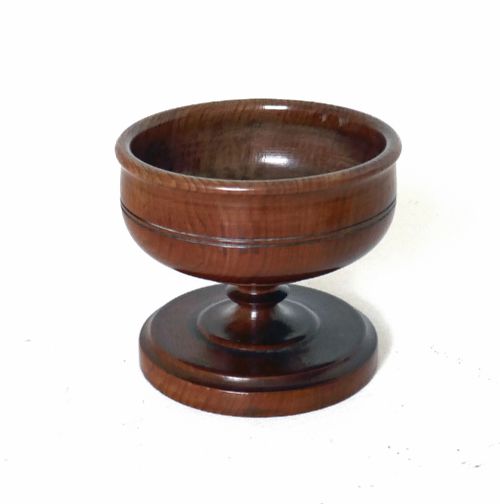
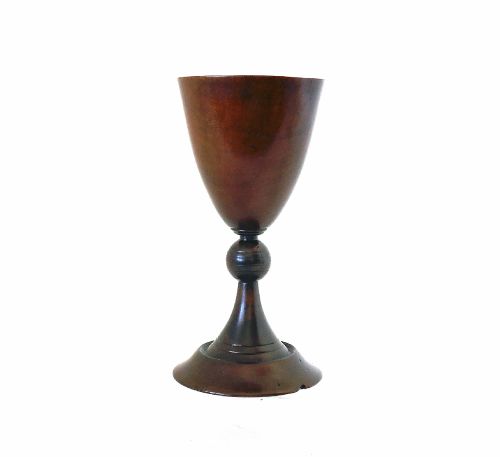
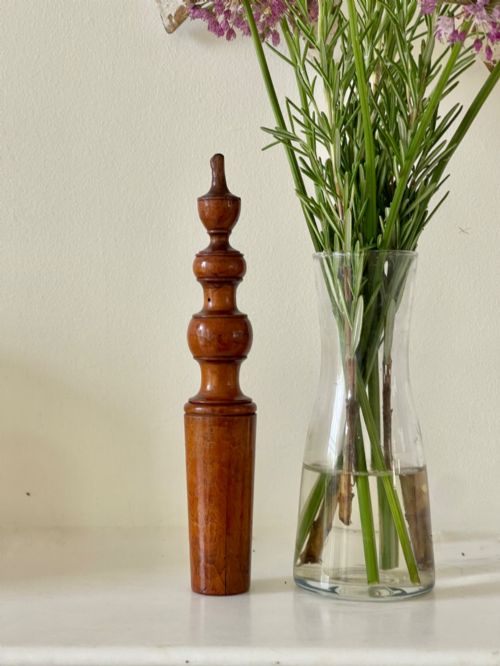
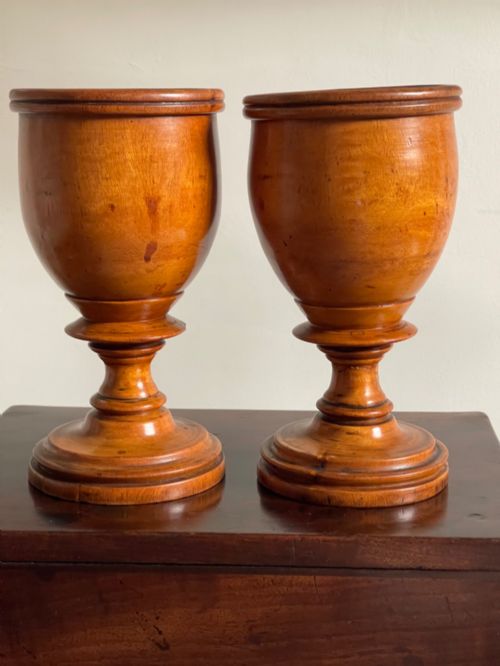
When you search for antique turned treen, you encounter domestic wooden objects shaped on a lathe, ranging from utilitarian kitchen items to small personal accessories. The selection spans utilitarian vessels like salts and spice towers alongside drinking goblets and dairy bowls.
The objects originate primarily from the seventeenth, eighteenth, and nineteenth centuries, reflecting domestic life and workshop practices of the Georgian and Victorian eras. Sycamore, fruitwood, and lignum vitae form the backbone of the material evidence.
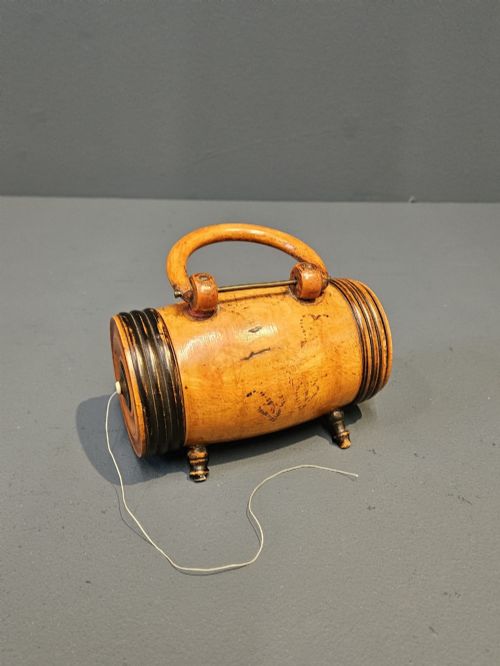
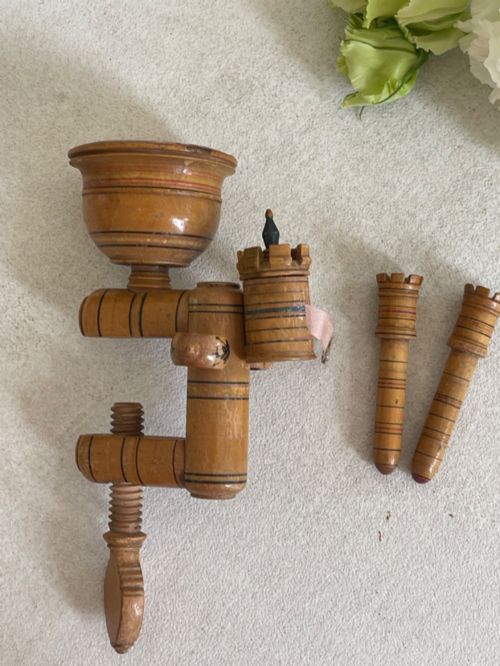
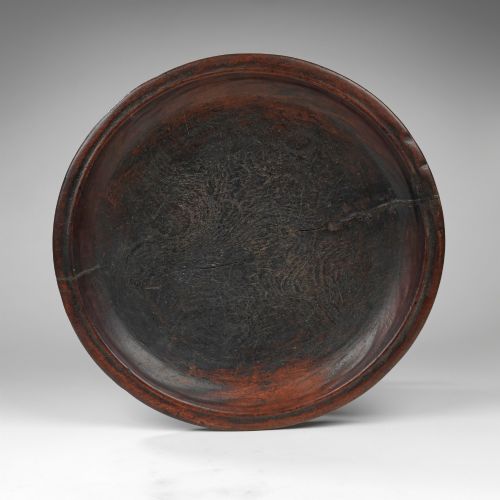
Functional items dominate the surviving pieces, including mortars, pestles, spice grinders, and sewing accessories. Collectors also find domestic dairy bowls and small personal containers shaped with precision on the lathe.
How they were made
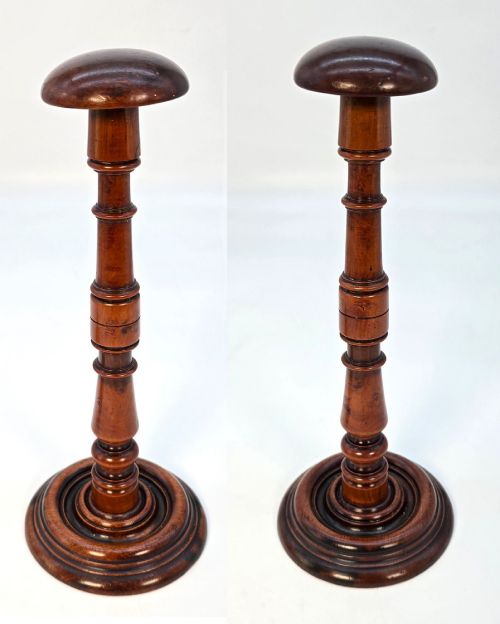
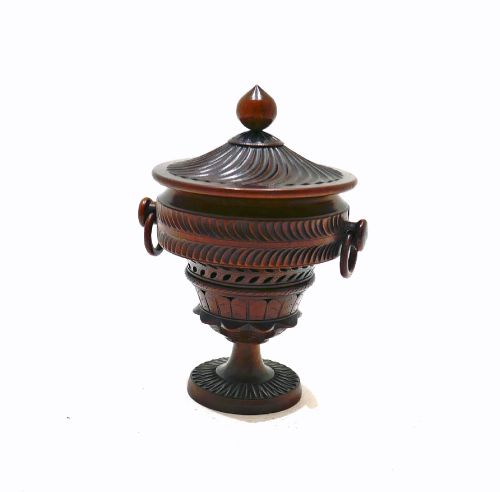
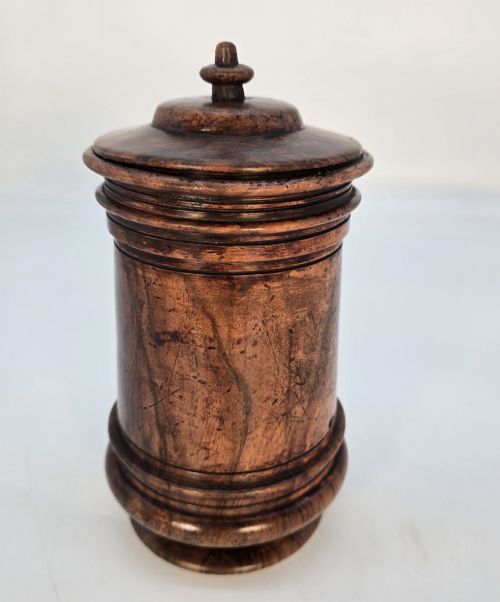
The primary technique recorded across these pieces is lathe turning, which shapes dense hardwoods such as lignum vitae, boxwood, and laburnum into symmetrical vessels and stems. Craftsmen utilised green wood or seasoned timber, exploiting the natural grain patterns of fruitwood, yew, and sycamore.
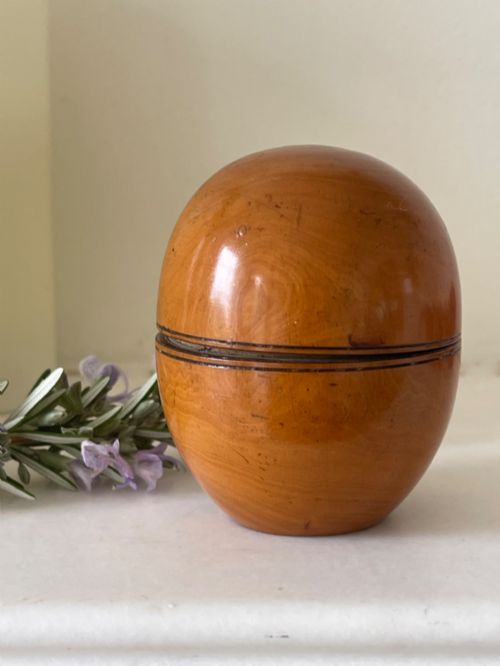
Engine turning appears on smaller pocket items and snuff boxes, introducing intricate geometric patterns via specialised lathe attachments. Incised ring decoration and threaded lids demonstrate precision joinery executed entirely in wood.
Listings feature hard timbers including boxwood, laburnum, and lignum vitae shaped into utilitarian vessels across the seventeenth to nineteenth centuries.
What varies in quality
Quality rests upon the crispness of the turning and the retention of clean, unsoftened mouldings around rims, bases, and rings. Pieces that retain their original threaded fittings or finely balanced proportions stand apart from heavily worn examples.
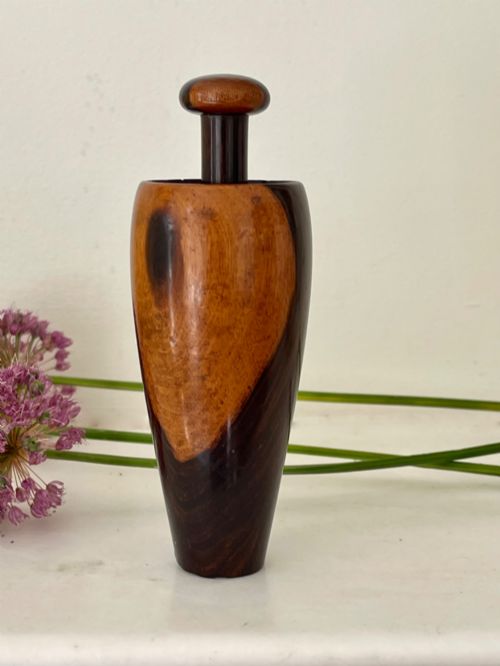
The depth of patination and the choice of timber heavily influence desirability, with dense, highly figured lignum vitae or rich fruitwood surfaces commanding attention. Superior execution shows a harmonious relationship between the natural grain of the wood and the turned profile.
The Antique Turned Treen Glossary
- Treen
- Small handmade wooden domestic objects. The term derives from old English words meaning of wood.
- Lignum Vitae
- A remarkably dense and heavy tropical hardwood. Craftsmen favoured it for mortars, pestles, and goblets due to its oily resilience.
- Spice Tower
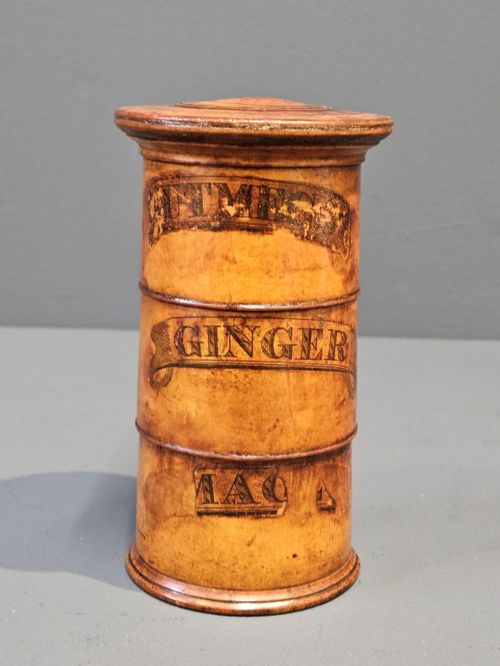
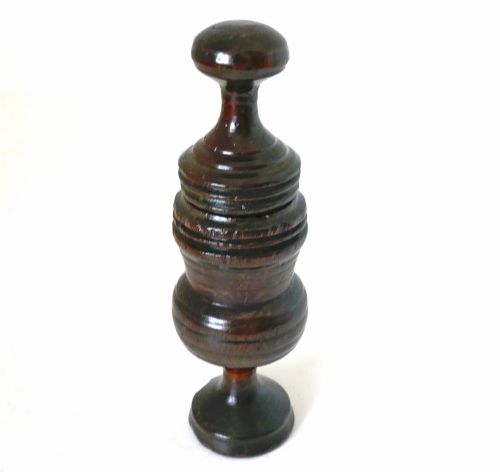
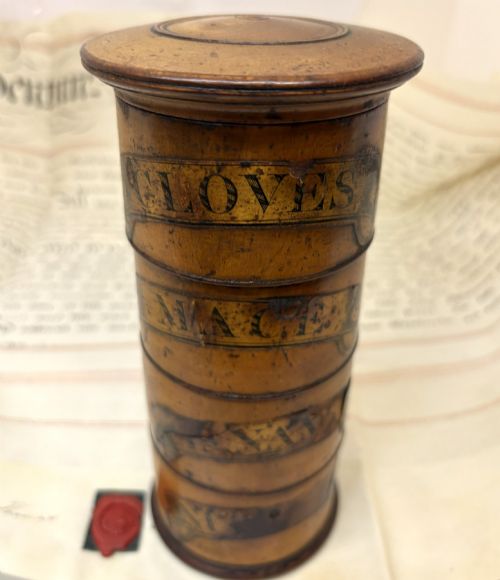
- A multi-tiered turned wooden container. Sections screw together to store various culinary spices.
- Dairy Bowl
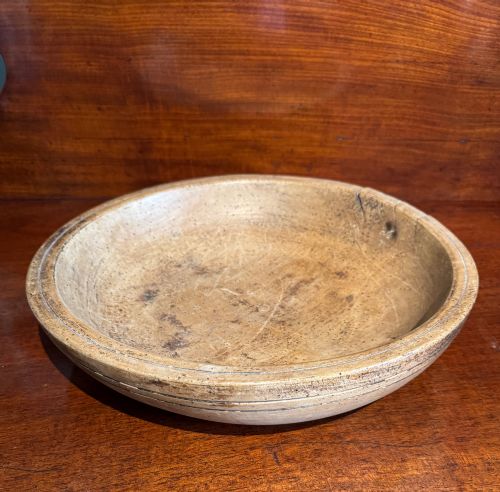
- A large open wooden vessel used in butter making and milk setting. Sycamore was the preferred wood because it does not impart flavour to dairy produce.
- Engine Turning
- A decorative mechanical lathe technique. It produces precise, repetitive geometric patterns on surfaces such as snuff boxes.
- Spurtle
- A traditional wooden stirring stick. Scottish examples often feature simple turned handles used for porridge.
Antique Turned Treen: Frequently Asked Questions
What is antique treen?
Antique treen encompasses small functional wooden items made for the home before the widespread adoption of modern manufacturing. These pieces were shaped by hand and on lathes for everyday domestic tasks.
Items range from kitchen implements and tableware to personal accessories like snuff boxes and sewing clamps. They bridge the gap between utility and folk art.
How are different wood types identified?
Identification relies on observing the grain pattern, weight, and natural colour of the timber. Dense woods like lignum vitae feel notably heavy and exhibit dark, greenish-brown tones.
Fruitwood and sycamore display tighter, paler grains with warm golden or honey hues. Yew wood is distinguished by contrasting dark heartwood and pale sapwood.
What were spice towers used for?
Spice towers served as portable containers for storing multiple culinary spices in separate stacked compartments. The threaded tiers screwed securely together to keep precious aromatics fresh.
They sat on dining tables or in kitchens during the Georgian period when exotic spices were highly prized. Their multi-part turned construction required precise woodworking skill.
Why do dairy bowls differ in wood?
Dairy bowls were made from specific timbers like sycamore because the wood does not taint milk or butter. Sycamore is close-grained and resists absorbing liquids, making it ideal for food preparation.
Other domestic vessels used harder fruitwoods or elm for durability. The choice of wood was driven entirely by the practical demands of the dairy.