

Antique Turned Stand
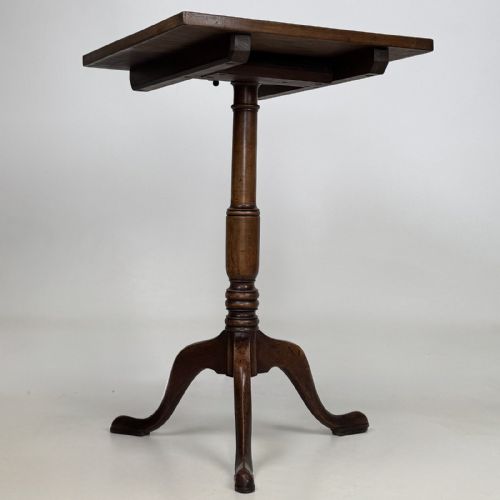
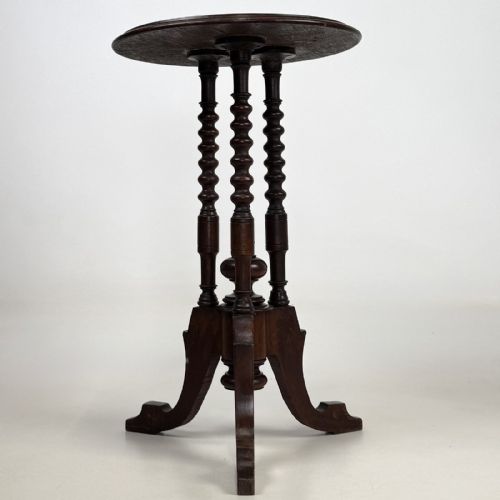
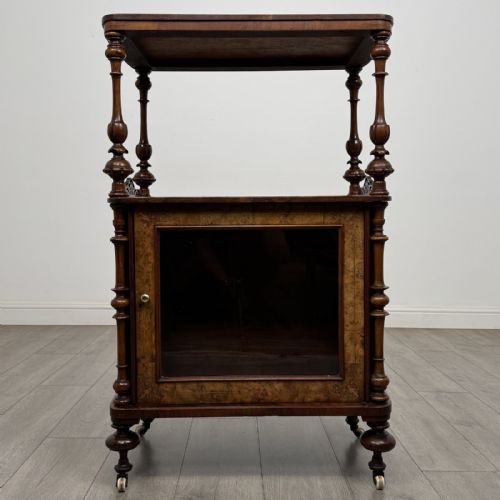
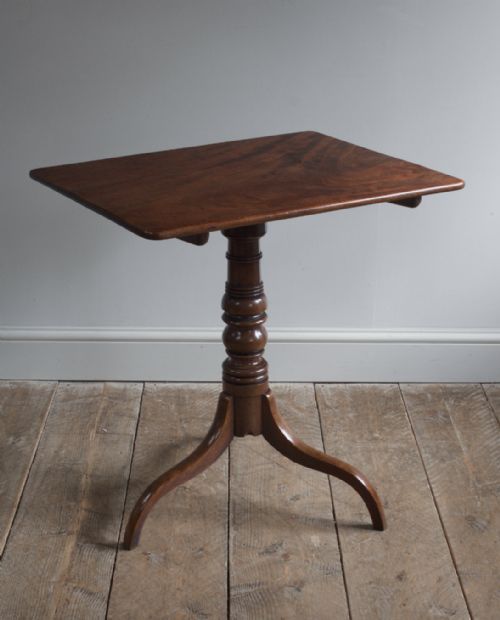
An antique turned stand brings timber and utility together, offering small-scale display and support through turned uprights and columns.
Antique Turned Stand
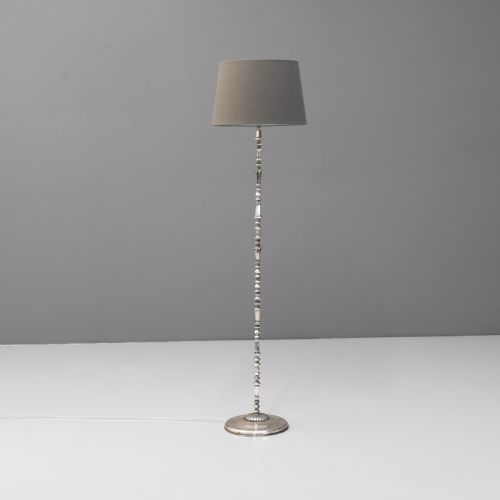
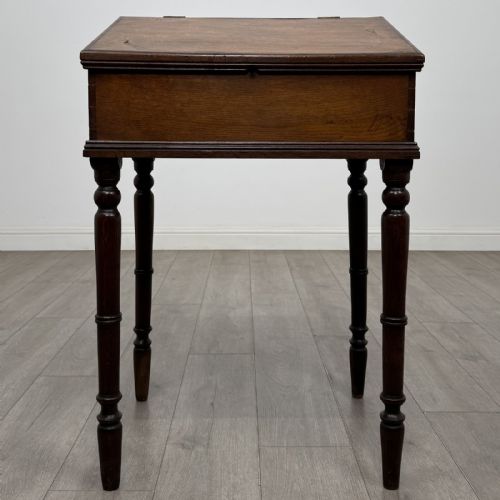
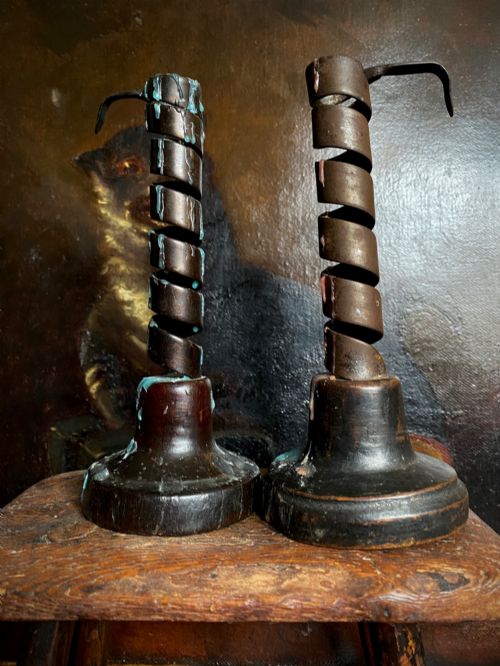
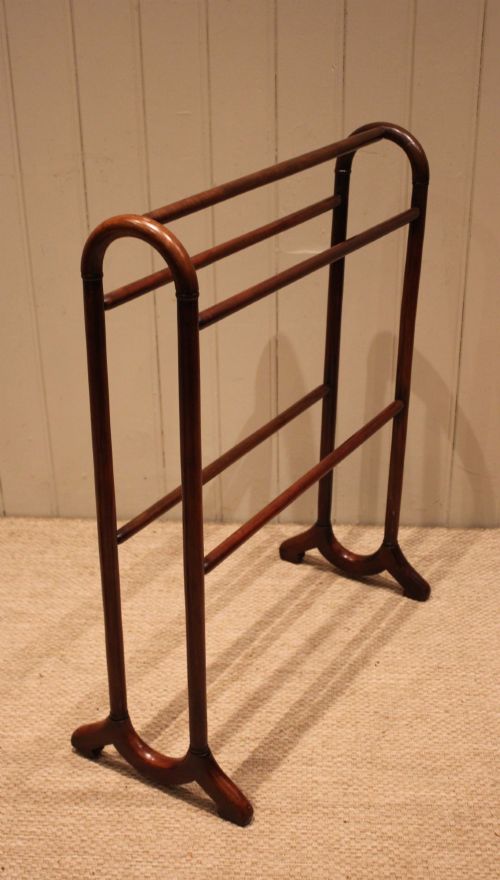
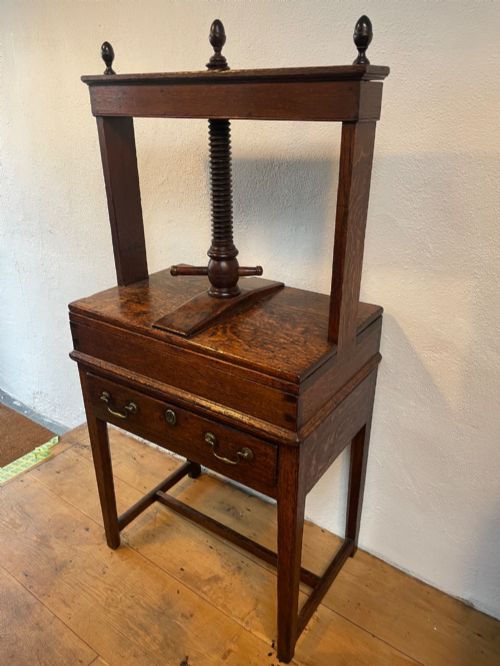
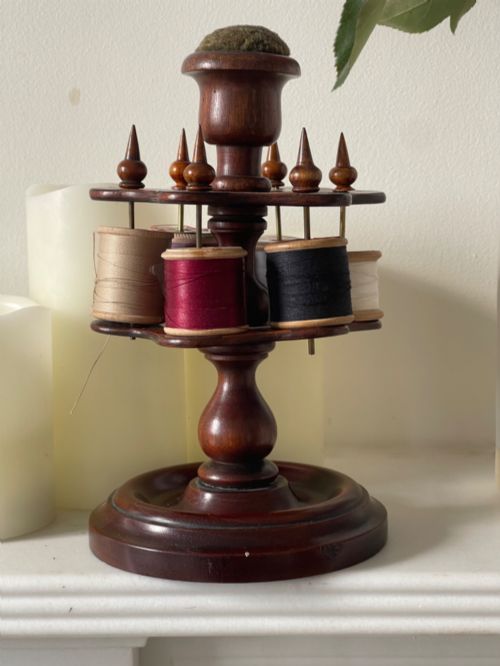
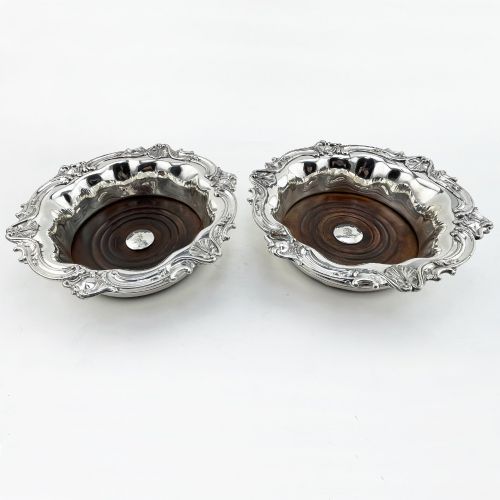
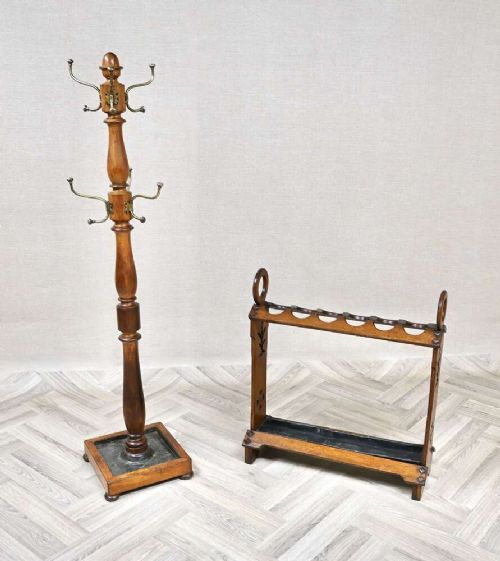
An antique turned stand encompasses a variety of raised supports, including wine tables, torchones, candlesticks, and coat stands. These pieces serve functional roles in rooms by holding items or illuminating corners.
The selections span multiple periods from the eighteenth century through the Edwardian era, with Victorian and Georgian examples appearing frequently. Mahogany, oak, and walnut form the primary timber bodies.
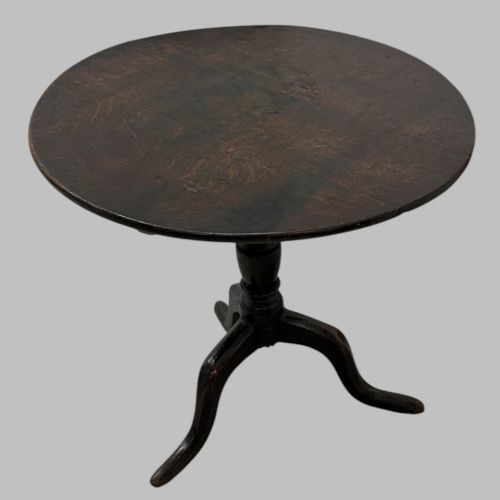
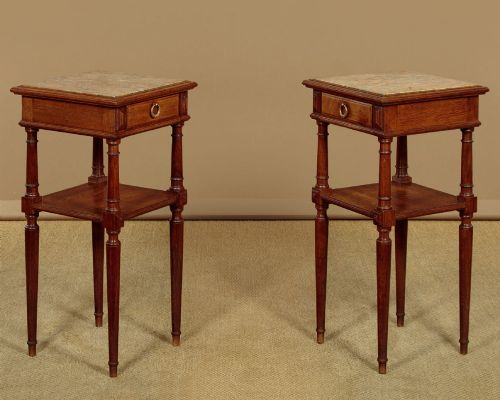
Forms range from tripod side tables with pedestals to luggage racks, umbrella stands, and wig stands. The turning technique defines the central shafts and legs across these diverse objects.
How they were made
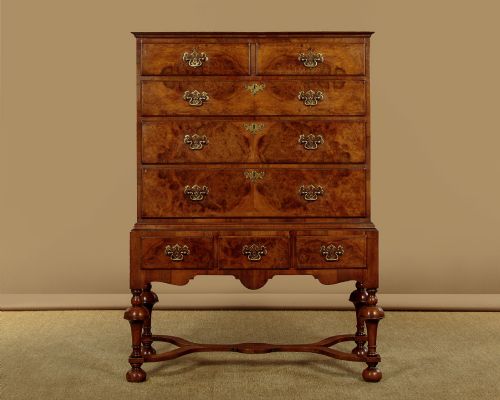
Craftsmen utilised lathe-turning techniques to shape timber columns and uprights from hardwoods such as mahogany, oak, walnut, beech, and yew wood. This process created symmetrical pillars and spindles for structural support.
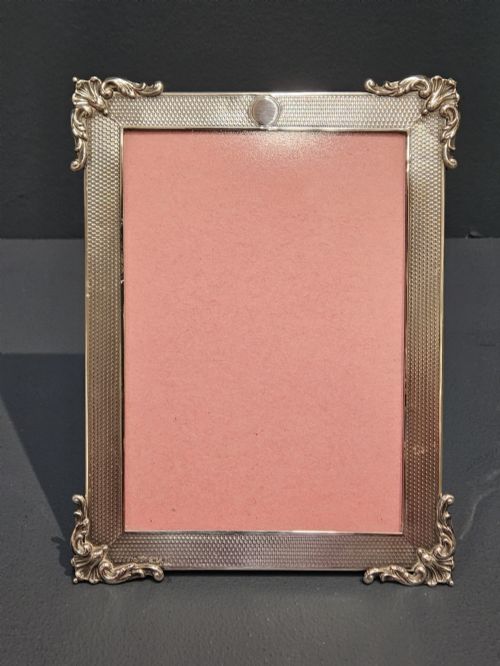
Brass fittings, glass components, and sterling silver elements frequently accompany the wooden frames. Joinery methods connect turned pedestals to tripod legs and circular or rectangular tops.
Antique Turned Stand Retail Price Guide 2026
Typical asking prices for turned stand among the pieces listed under this phrase on Sellingantiques today, from the lower quarter to the upper quarter. They describe what is for sale here now, not the wider market.
Periods represented span from eighteenth-century George III pieces through Regency, Victorian, and Edwardian eras to the 1930s.
What varies in quality
The refinement of the timber grain and the crispness of the turning define the upper tier of pieces. Figured walnut and select mahogany show deeper visual character than utilitarian beech.
Proportion and stability distinguish better examples, particularly in tripod tables and floor-standing lamp stands where the balance rests on the turned column and leg spread.
Edwards & Roberts·Heals·Brown & Lamont
The Antique Turned Stand Glossary
- Tripod table
- A small occasional table supported by three legs radiating from a central turned pedestal. These often feature tilt mechanisms or fixed circular tops.
- Treen
- Small handmade wooden household objects. Items in this category include wig stands and small turned accessories.
- Whatnot
- A piece of open shelving designed for displaying ornaments or books. It utilises turned corner supports between tiers.
- Gallery
- A raised wooden or brass rim surrounding the edge of a table top. This feature prevents items from rolling off the surface.
Antique Turned Stand: Frequently Asked Questions
What is an antique turned stand used for?
These pieces function as compact tables, lamp supports, or utility stands for coats and umbrellas in domestic spaces.
Their small footprint allows them to occupy corners and bedside areas while providing a stable surface.
How do I date an antique turned stand?
Dating relies on timber choice, turning style, and structural joinery characteristic of periods like Georgian or Victorian.
Design shifts from eighteenth-century tripod forms to later Edwardian floor-standing variations offer chronological clues.
Are these stands stable enough for daily use?
Most pieces possess sturdy timber frames and wide leg spreads designed for reliable daily support.
Heavier items like floor lamps and coat stands distribute weight through balanced turned bases.
What timbers were used for these stands?
Mahogany, oak, walnut, beech, and yew wood appear frequently across the surviving examples.
Secondary metals like brass often provide structural brackets or decorative accents.