

Antique Turned Box
An antique turned box brings small-scale craftsmanship to the desk or pocket, shaped on the lathe from timber, precious metal or horn.
Antique Turned Box
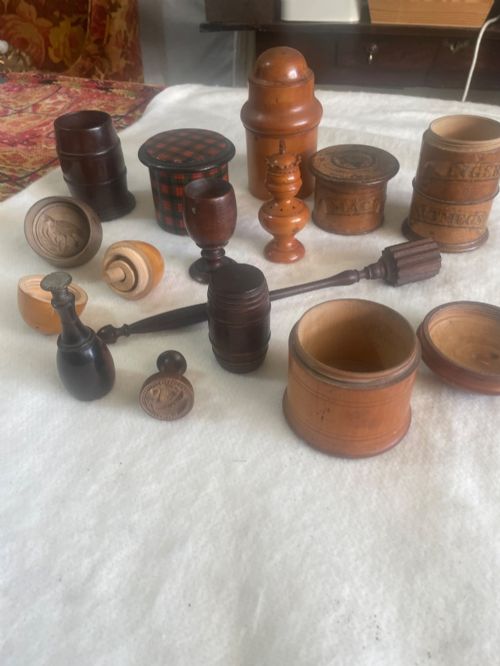
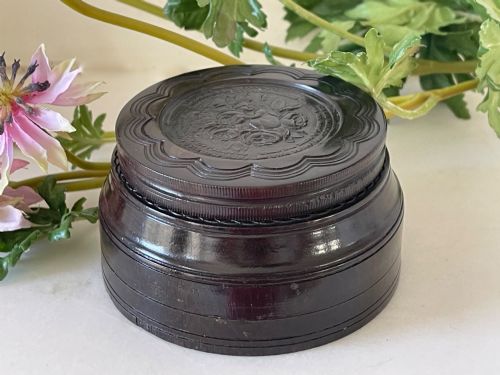
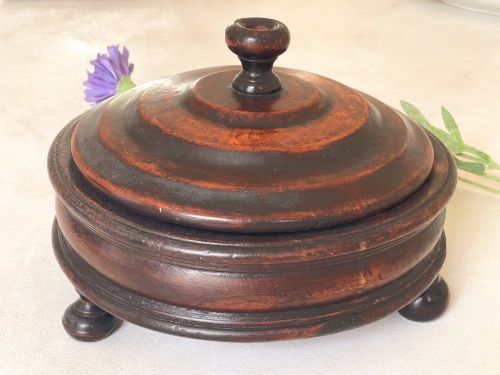
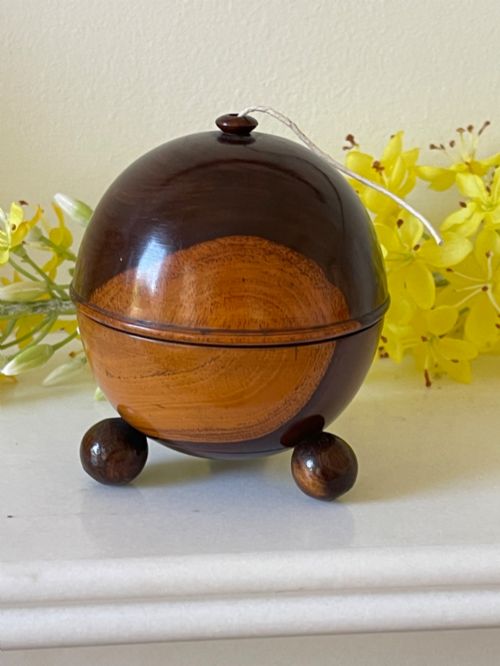
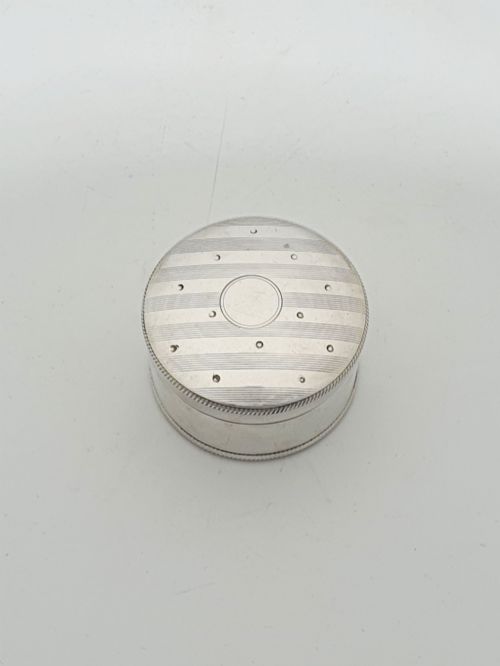
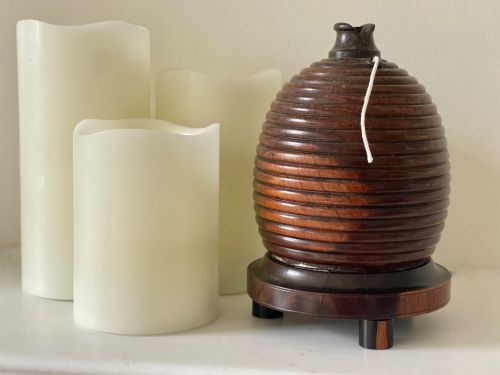
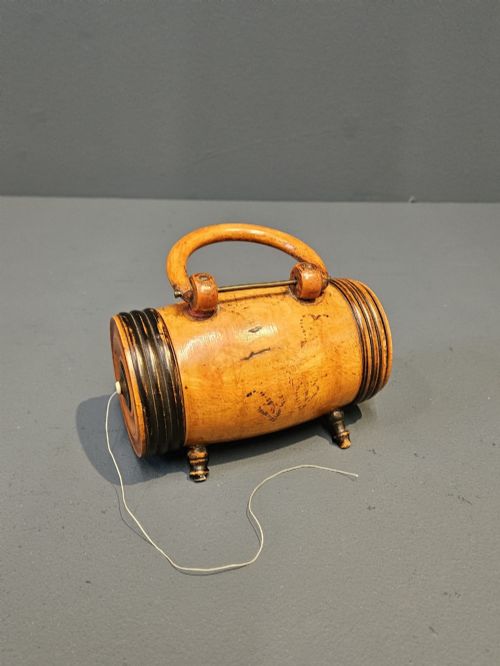
An antique turned box encompasses small personal containers shaped on a lathe, ranging from wooden treen spice towers and fruitwood string barrels to engine-turned silver pill boxes and snuff boxes. These objects were made to hold tobacco, snuff, spices, pills, or personal trinkets, designed for practical daily use in the pocket or on the table.
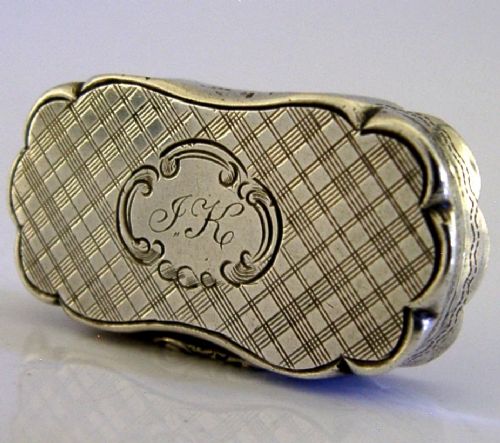
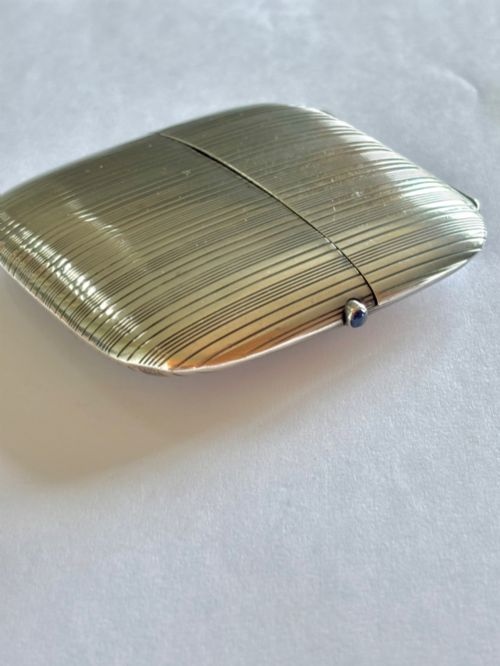
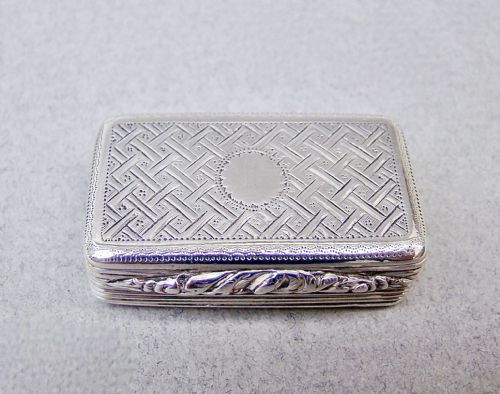
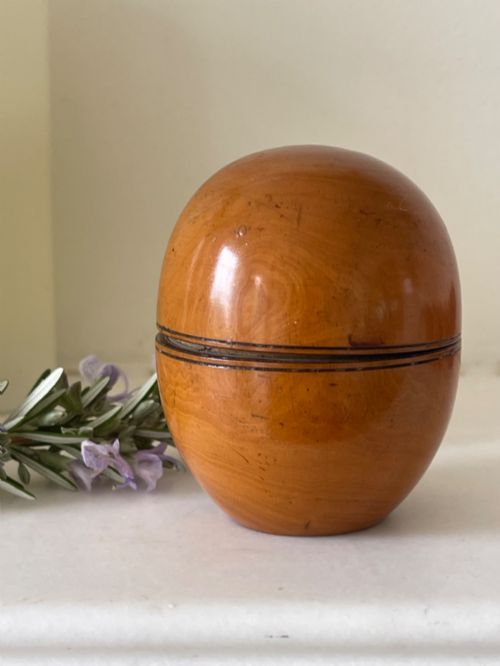
The versions most commonly met on this page include Georgian and Victorian silver pocket boxes with engine-turned decoration, alongside wooden treen vessels fashioned from boxwood, laburnum, fruitwood, and oak. These utilitarian vessels survive from the eighteenth, nineteenth, and early twentieth centuries, reflecting the portable storage needs of past eras.
How they were made
Makers shaped wooden objects like spice towers, tobacco jars, and string barrels on a lathe, cutting symmetrical profiles and tight-fitting lids directly from dense timbers such as boxwood, laburnum, fruitwood, walnut, and oak.
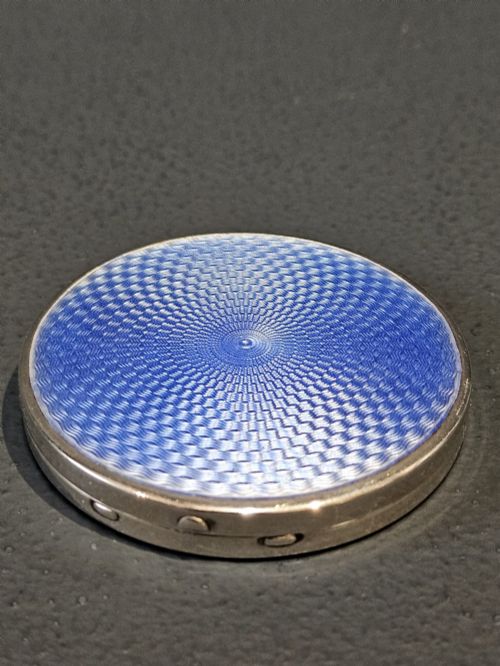
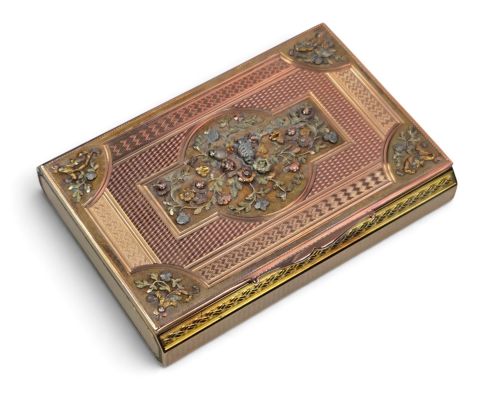
Silver and gold containers received their precise geometric patterns through engine-turning and guilloché work, where a rose engine lathe inscribed repetitive, interlocking lines into the metal before gilding or enamelling.
Antique Turned Box Retail Price Guide 2026
Typical asking prices for turned box among the pieces listed under this phrase on Sellingantiques today, from the lower quarter to the upper quarter. They describe what is for sale here now, not the wider market.
Listings feature items spanning the 17th century through the Art Deco period of the 1930s, constructed in sterling silver, brass, gold, enamel, and various hardwoods.
What varies in quality
The precision of the lathe work dictates the standard of execution, separating crisp, sharp geometric patterns on metal or clean, balanced proportions in wood from worn or clumsy shaping.
Material choice and maker reputation elevate certain pieces, distinguishing solid gold or marked sterling silver vessels by known silversmiths from unmarked base-metal or simpler timber equivalents.
Louis Francois Tronquoy·Aaron Lufkin Dennison·Robert Thornton·Joseph Willmore·Robert Pringle·Jacob Amyand·Giles Loyer·Nathaniel Mills
The Antique Turned Box Glossary
- Engine turned
- A decorative technique applied mechanically using a lathe to engrave precise, intricate geometric patterns into metal or wood surfaces. This method creates repetitive micro-lines that catch the light.
- Treen
- Small handmade wooden household objects and small wares created before the era of mass plastics. These pieces rely on native timbers turned on a lathe or carved by hand.
- Guilloché
- A decorative engraving process where a precise mechanical pattern is etched into a metallic surface, frequently layered beneath translucent enamel. It appears often on twentieth-century cigarette cases and compacts.
- Vinaigrette
- A small ornamental hinged box containing a perforated internal grille, designed to hold a sponge soaked in aromatic vinegar. People carried these in pockets or reticules during the Georgian and Victorian periods to mask unpleasant odours.
- Cellarette
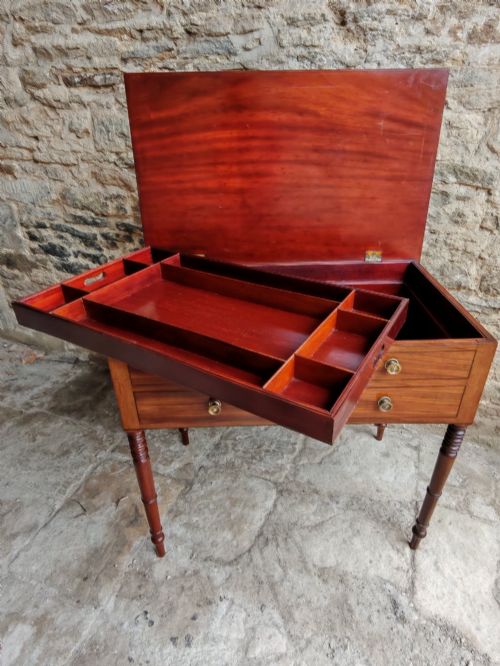
- A lockable container or cabinet designed to hold wine bottles safely, often fitted with internal partitions. These items sit on the floor or on low stands near dining tables.
Antique Turned Box: Frequently Asked Questions
What did people keep in a turned box?
These small vessels primarily held items requiring secure, dry storage close at hand, such as loose snuff, powdered spices, pills, matches, or sewing thread.
Pocket versions served daily personal habits, while larger turned wooden containers remained stationary on desks, tables, or dressing surfaces.
How do I identify engine turning?
Engine turning appears as precise, repeating geometric patterns of fine lines cut mechanically into the surface of the metal or wood.
Under magnification, the intersecting grooves show uniform depth and spacing created by specialised lathe machinery rather than freehand engraving.
How should I care for wooden turned boxes?
Wooden pieces require stable indoor humidity away from direct heat sources and strong sunlight to prevent the timber from splitting or warping.
An occasional application of microcrystalline wax helps protect the aged surface without building up sticky residues.
How do I distinguish silver periods?
Hallmarks stamped directly onto the metal provide the most reliable guide to a piece's date, showing assay office symbols, maker's marks, and date letters.
Stylistic shifts, such as the heavy floral chasing of the Georgian era compared to the clean geometry of Art Deco pieces, offer additional clues.