



Antique Trough Table
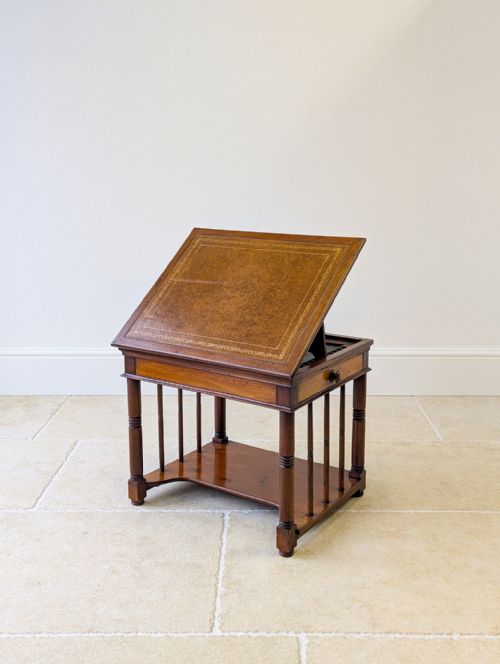
An antique trough table gathers books and plants in solid oak or mahogany, offering deep wells and clever compartments for practical room storage.
Antique Trough Table
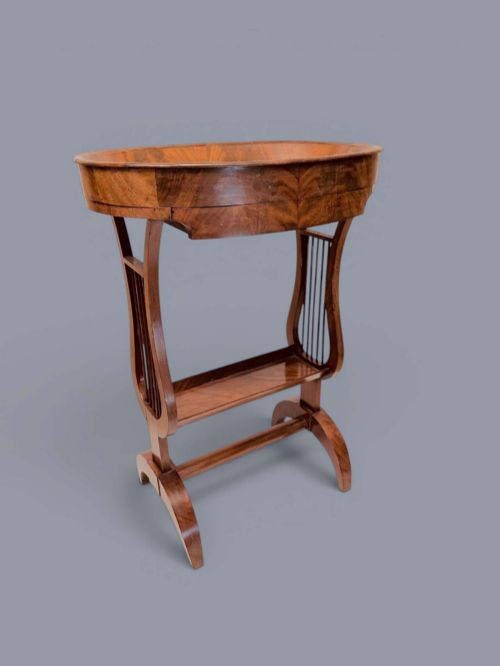
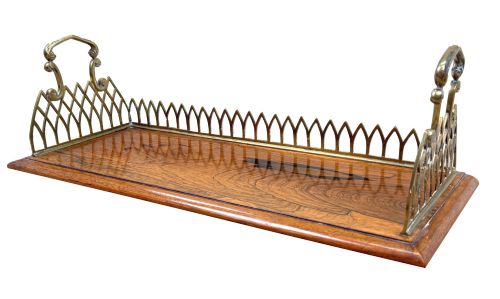
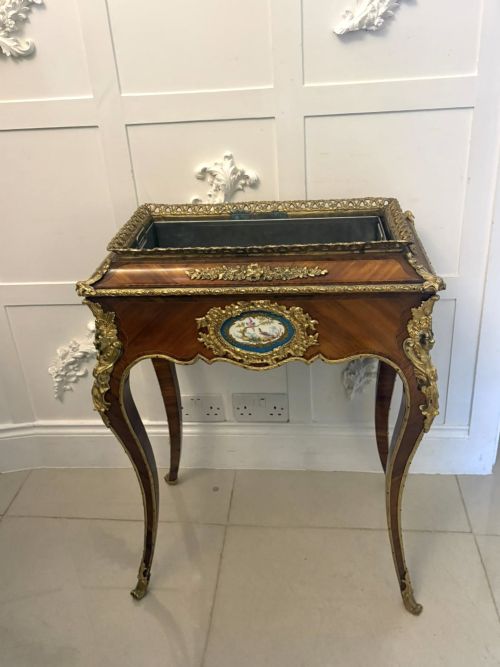
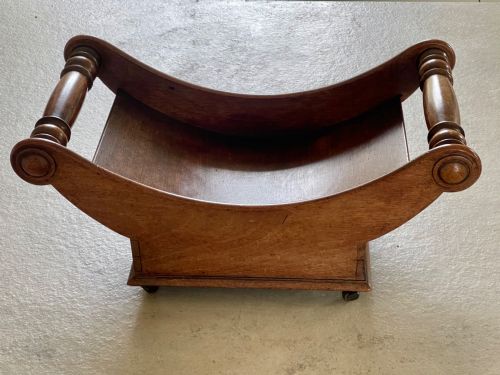
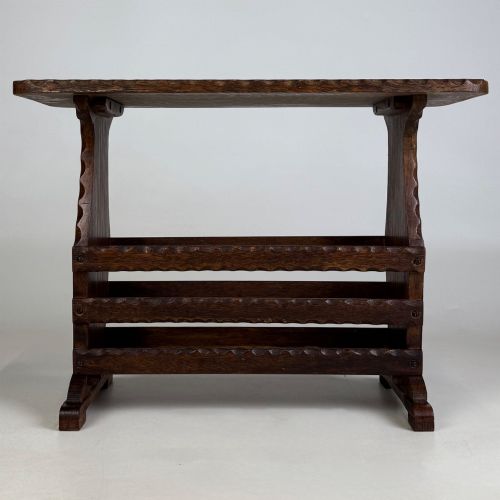
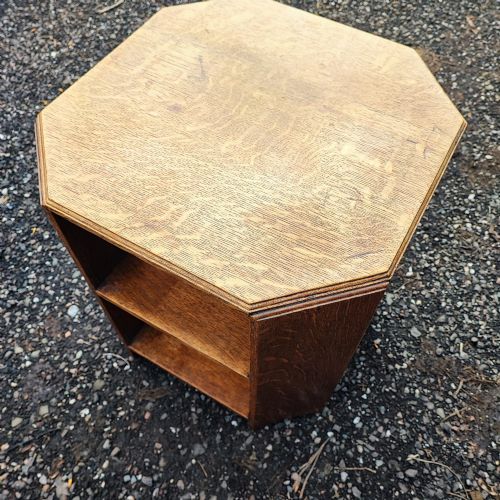
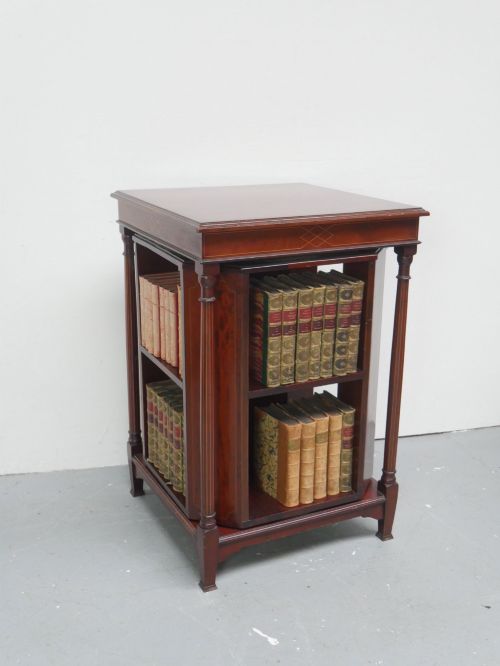
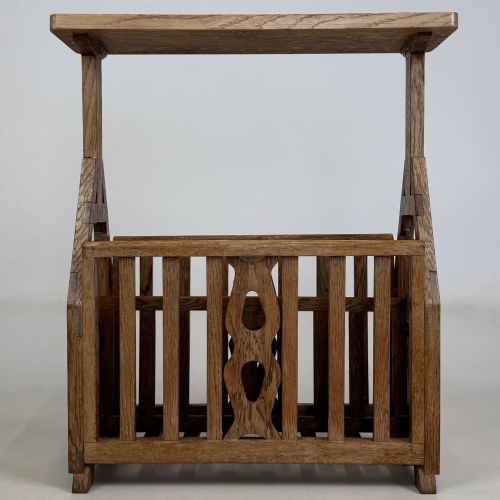
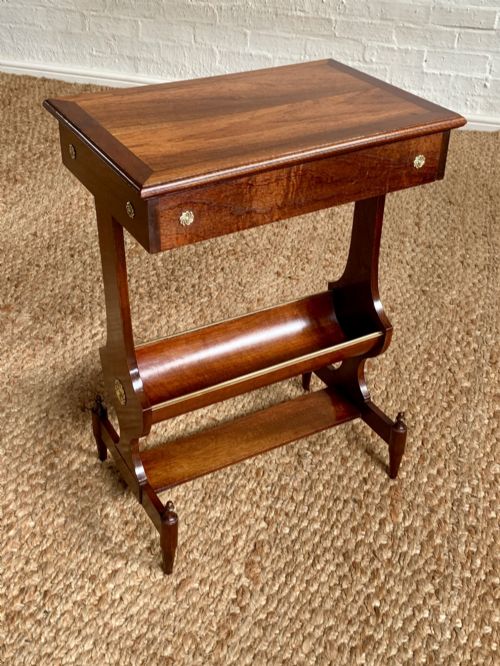
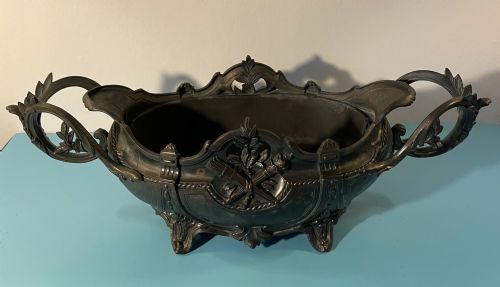
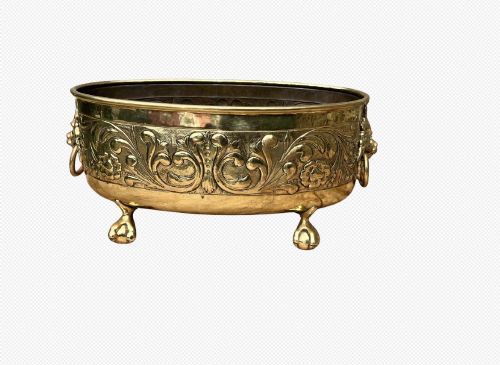
An antique trough table encompasses low book troughs, library book carriers, plant stands, and jardiniere planters designed to hold volumes or greenery within a recessed top. These domestic pieces appear across Georgian, Victorian, Edwardian, and later periods in forms ranging from revolving bookcases to side tables with integrated rack spaces.
The version most commonly met on this page is the Edwardian or Victorian oak or mahogany book trough and side table combination, often built with magazine racks or partitioned wells. Makers adapted these practical forms for the home library, drawing room, and conservatory, utilising durable hardwoods to support heavy bindings.
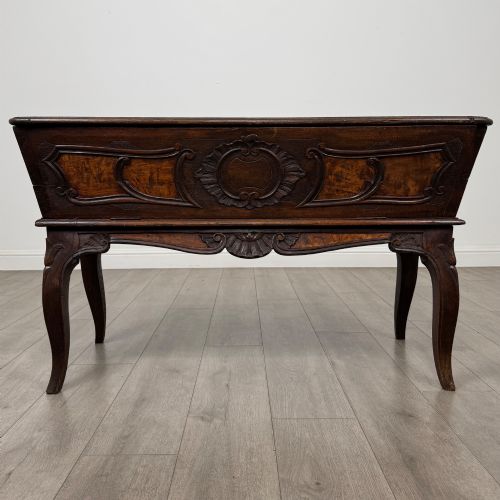
Evidence shows these items overlap with related utilitarian forms such as cheese coasters, dough bins, and bread prep tables, all sharing the core characteristic of a lowered central well or trough. They serve today as functional display surfaces that anchor a room with period character.
Materials and construction
Cabinetmakers constructed these pieces primarily in solid oak and mahogany, occasionally employing walnut, satinwood, kingwood, or ebonised timber for finer decorative effect. Joinery traditions dictated sturdy mortise and tenon joints to bear the weight of books and damp planters.
Metal and ceramic accents appear frequently, with brass castors, silver plate, ormolu mounts, zinc linings, and majolica porcelain plaques integrated into planters and library stands. Artisans shaped these materials by hand, combining turned columns, carved details, and inlaid veneers to suit shifting styles from Georgian simplicity to Arts and Crafts robustness.
Antique Trough Table Retail Price Guide 2026
Typical asking prices for trough table among the pieces listed under this phrase on Sellingantiques today, from the lower quarter to the upper quarter. They describe what is for sale here now, not the wider market.
Form variations on this page range from French provincial dough bins and plant stands to English revolving bookcases and library reading tables.
Indicators of quality
The caliber of an antique trough table rests upon the selection of timber and the precision of its joinery rather than ornamental excess. Dense, well-figured mahogany or quarter-sawn oak with tight grain demonstrates superior material selection by the maker.
Attention to structural hardware and internal linings defines the upper tier of these pieces. Original brass castors, clean zinc plant liners, crisp hand-carving, and well-fitted interior dividers indicate a higher standard of original workshop production.
The Antique Trough Table Glossary
- Book Trough
- A tabletop or floor-standing rack with V-shaped or vertical sides designed to hold books upright. These functional pieces keep volumes tidy on library desks and side tables.
- Jardiniere
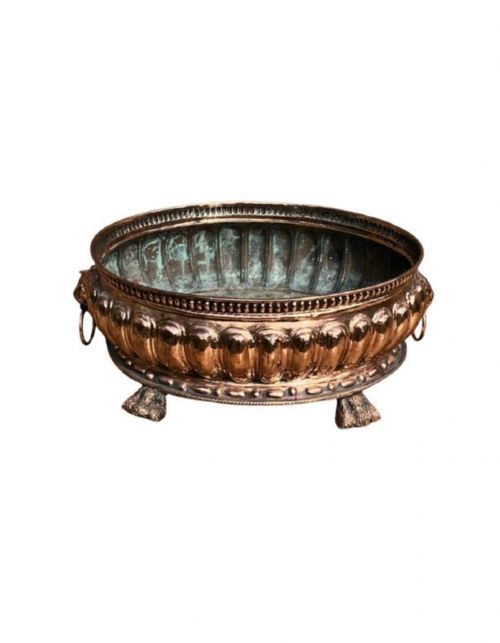
- An ornamental pot or stand intended for holding plants or floral arrangements. They frequently feature waterproof linings of zinc or copper and decorative mounts.
- Cheese Coaster
- A small, boat-shaped tray fitted with castors to allow cheese trucks or Stilton stands to roll smoothly across a dining table. They share the curved, trough-like profile common to many small display stands.
- Ormolu
- Gilded bronze mounting applied to furniture and decorative objects, particularly popular in French-influenced pieces. It provides bright metallic contrast against dark woods like walnut and mahogany.
- Revolving Bookcase
- A rotating tiered stand that allows easy access to a collection of volumes from a seated position. They appear in compact table-top formats and taller floor models.
Antique Trough Table: Frequently Asked Questions
What is an antique trough table used for?
These pieces serve primarily to hold books, magazines, or potted plants within living spaces and libraries. Their recessed wells keep reading materials or greenery neatly contained and accessible.
Over time, owners have adapted them from strict library accessories into versatile side tables and display stands that suit modern hallway or living room placement.
How do I tell an Edwardian book trough from a Georgian one?
Georgian versions typically display restrained mahogany construction with simpler, linear forms intended for desk use or dining room service. Edwardian pieces often incorporate lighter satinwood, inlaid details, or practical hybrid functions like integrated magazine racks.
Examining the secondary timbers and fixing methods helps confirm the manufacturing era, as machine-cut elements indicate later nineteenth or twentieth-century production.
Can I use an antique jardiniere for live plants?
Many period jardinieres feature original metal or ceramic liners designed to catch water and protect the surrounding wooden structure. Inspecting the interior lining determines whether it remains watertight for live planting or requires a hidden plastic pot insert.
Care should be taken to protect antique wood surfaces from moisture regardless of whether a metal liner is present.
How do I care for polished oak and mahogany?
Maintain the timber surfaces by applying a traditional beeswax polish sparingly and buffing with a soft cloth. Avoid placing these items in direct sunlight or near heat sources to prevent the wood from drying and splitting.
Gentle dusting with a dry lint-free cloth preserves the patina built up over decades of domestic use.