



Antique Triptych Art
These antique triptych art pieces bring historic three-panel folding formats into your home.
Antique Triptych Art
When you search for antique triptych art, you encounter hinged three-panel formats spanning oil paintings, brass mirrors, and devotional home altars. These pieces divide a single visual narrative or reflection across three interconnected sections, offering a dynamic display for walls and dressing surfaces.
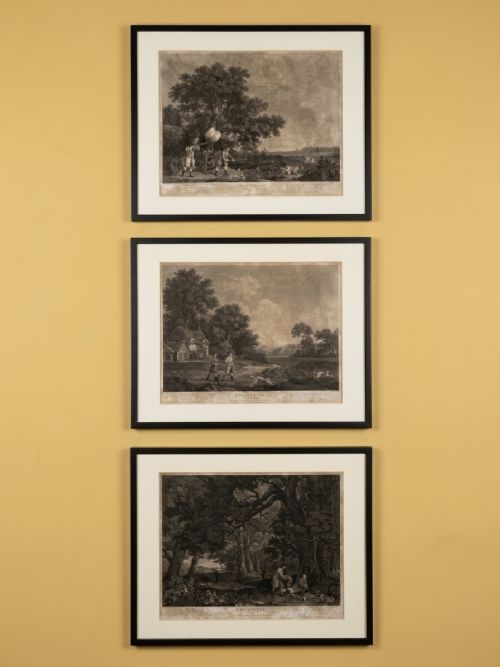
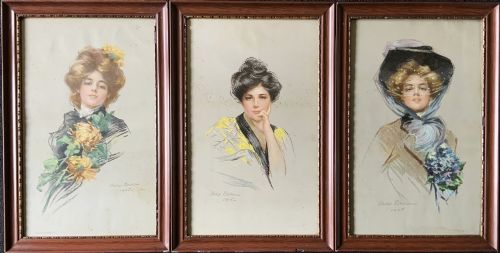
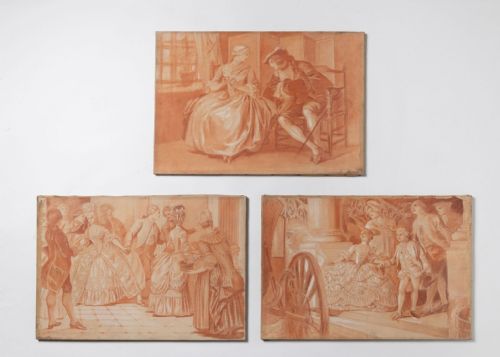
The selections available here range from Edwardian portrait prints and 18th century engravings shown in sets of three to 1920s folding brass mirrors and Spanish folk art. You are most likely to meet oil on canvas paintings, watercolours, and hinged mirrors originating from the 19th and early 20th centuries.
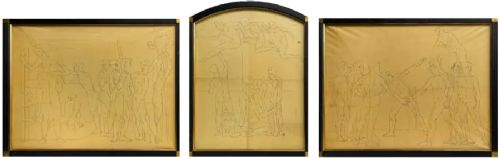
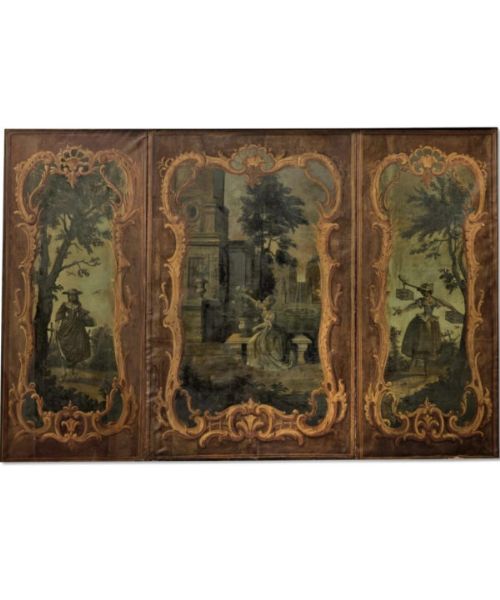
Makers and artists utilised this format to create symmetry and balance, whether through Japanese portrait paintings or grand grisaille wall hangings. Each item relies on the physical connection of its panels to structure the space it occupies.
Materials and construction
The construction of these works relies on durable supports such as canvas, paper, and wood panels, often housed in brass or wooden frames. Artisans hinged these sections together to allow flexible positioning, creating stable structures that fold or mount securely on walls.
Surfaces display varied media including oil paint, watercolour, and hand-coloured engraving alongside polychromed details on wood and metal. These traditional applications bond securely with their respective substrates to preserve the integrity of the multi-panel design.
Antique Triptych Art Retail Price Guide 2026
Typical asking prices for triptych art among the pieces listed under this phrase on Sellingantiques today, from the lower quarter to the upper quarter. They describe what is for sale here now, not the wider market.
Materials represented across the collection include glass, paper, brass, wood, watercolour, canvas, oil paint, and metal.
Qualities that distinguish the pieces
Distinction in these works lies in the precision of the panel alignment and the durability of the original hinges. Pieces that maintain smooth articulation and secure joints demonstrate superior workshop execution.
The finesse of the painted surface, engraving detail, or metal polish dictates the visual impact of the object. Superior examples retain crisp lines and cohesive polychrome or monochromatic tones across all three sections without distracting pigment loss.
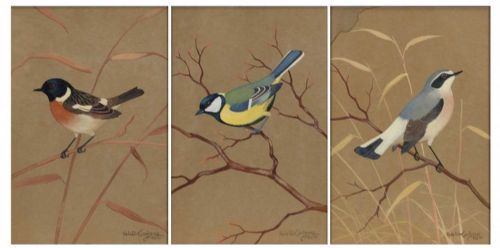
Philip Boileau·William Woollett·George Stubbs·Ralston Gudgeon·Heals·Maurice Adams·Takashi Nakayama·Rowley Gallery
The Antique Triptych Art Glossary
- Triptych
- A work of art divided into three sections, or three carved panels that are hinged together and folded side by side. This format has historically served religious altarpieces as well as secular portraits and mirrors.
- Grisaille
- A painting executed entirely in shades of grey or neutral greyish-brown to imitate sculpture. Artists often employed this method to create a monumental, stone-like effect on canvas or panels.
- Polychrome
- The practice of decorating architectural elements, sculpture, or panels in a variety of glowing colours. It adds vibrant visual depth to Spanish folk art and home altars.
- Engraving
- A printmaking process where an artist carves an image onto a metal plate using a burin. Ink applied to the plate transfers the detailed lines onto paper under pressure.
Antique Triptych Art: Frequently Asked Questions
How do I hang a triptych mirror?
Wall-mounted mirrors require secure fixings that account for the combined weight of the three hinged sections. Ensure each panel aligns levelly against the wall to maintain proper tension on the hinges.
Professional fixings suited to your wall type will prevent sagging and keep the folding panels stable during everyday use.
Where should I place a home altar?
Spanish folk art altars and devotional pieces work best in stable interior environments away from direct heat sources. Placing them on a sturdy shelf or mantelpiece allows the folding panels to open safely.
Keep these wooden and polychromed objects out of direct sunlight to preserve the pigments on the surface.
What defines Edwardian portrait prints?
Edwardian prints from the early 20th century capture refined subjects, often framed in sets of three to create a balanced wall display. These pieces reflect the artistic tastes of the period.
Paper supports from this era benefit from acid-free framing to prevent discolouration over time.