



Antique Tripod Dumbwaiter
An antique tripod dumbwaiter is a tiered serving stand built to hold dishes and wine out of reach of servants, and you want one for its clever revolving tiers and rich mahogany grain.
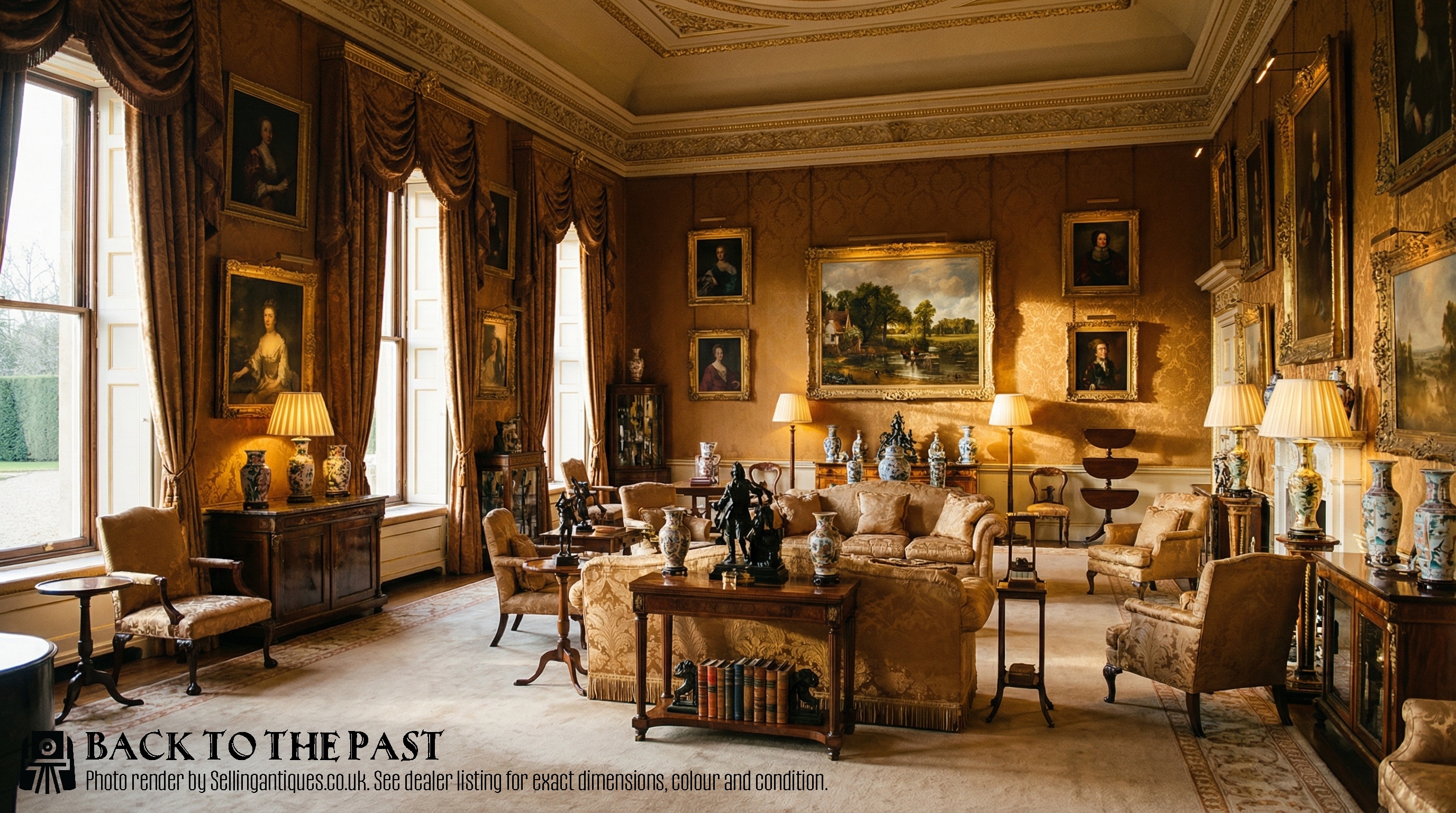
Antique Tripod Dumbwaiter
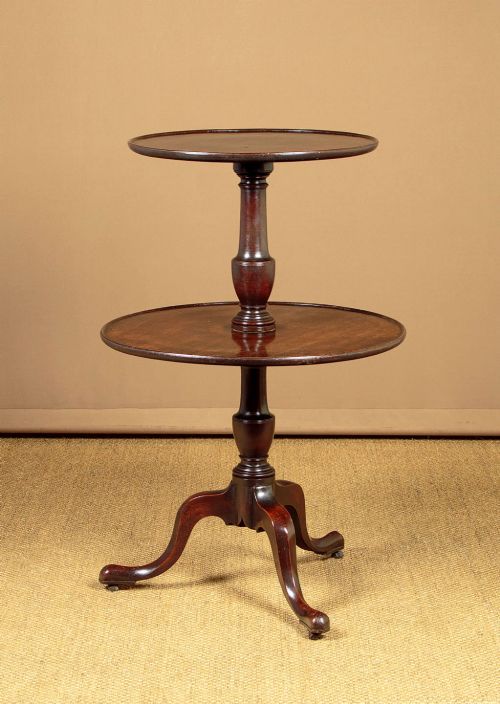
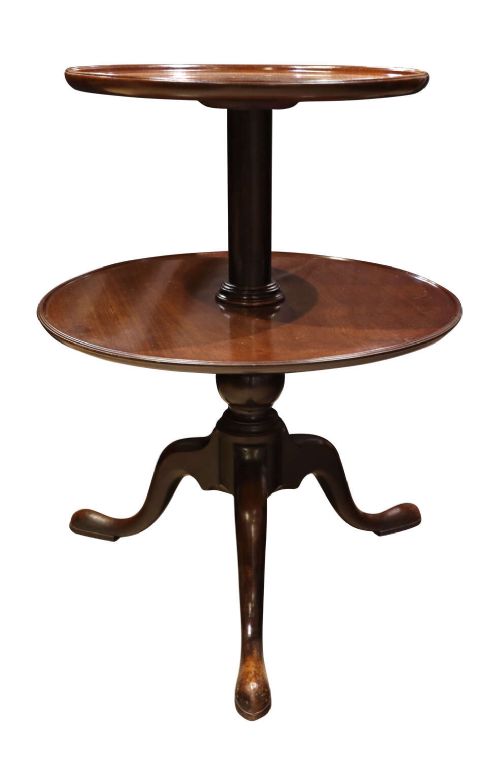
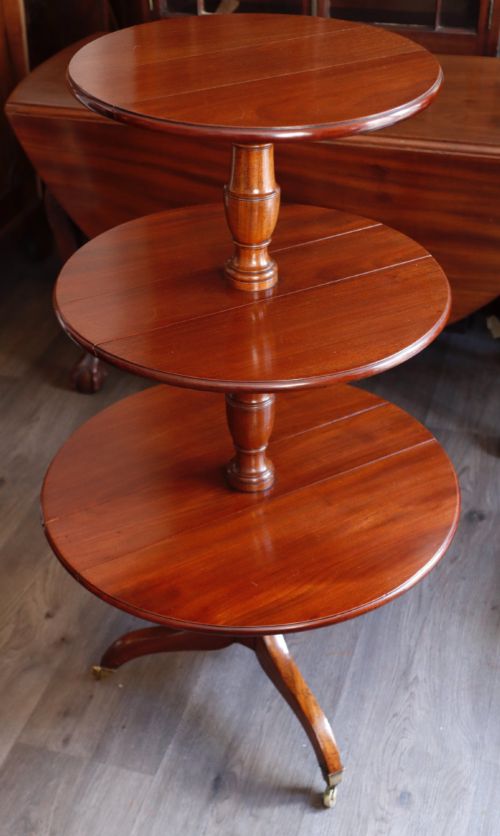
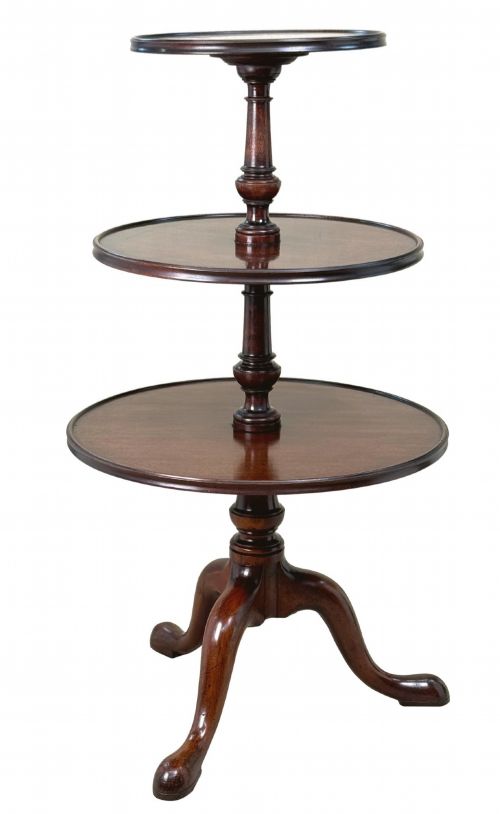
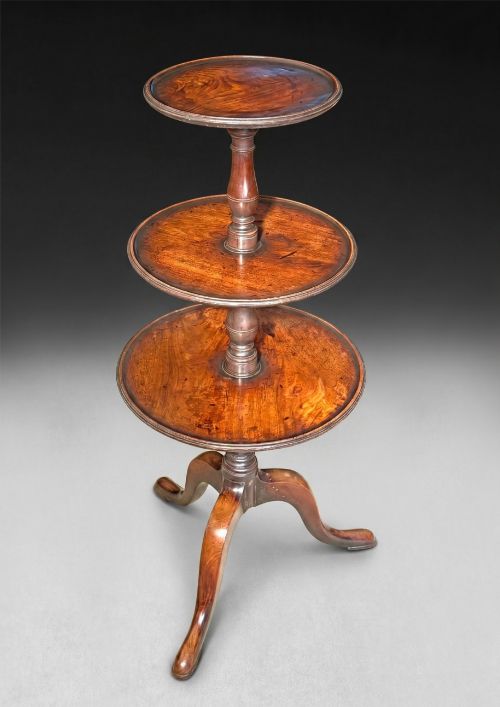
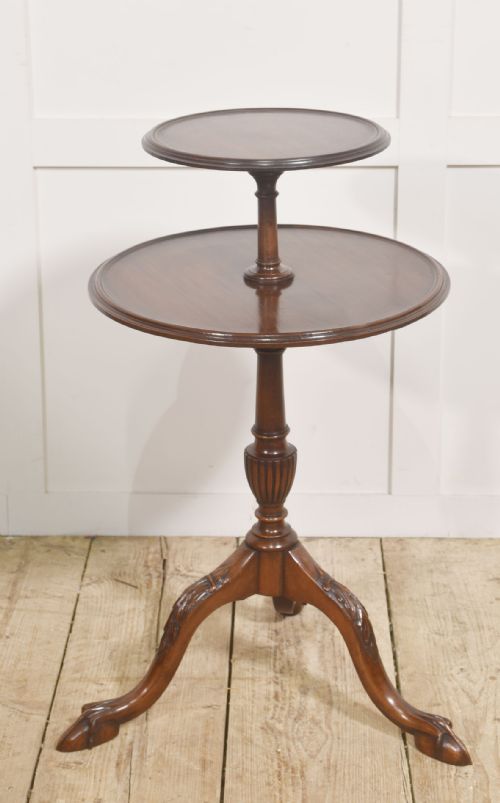
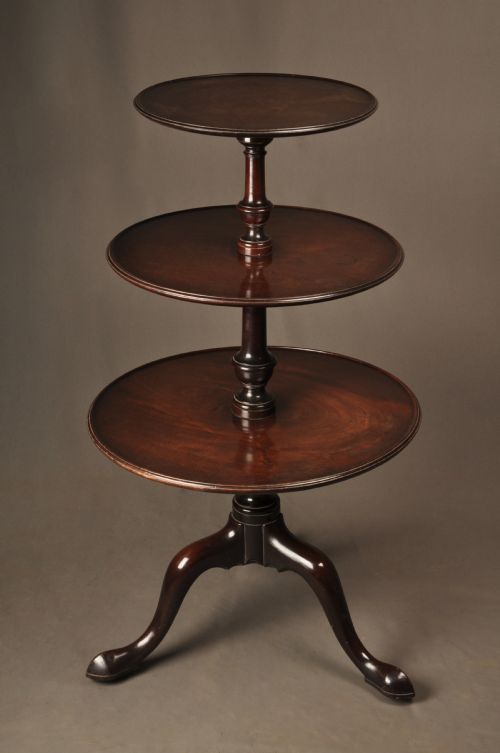
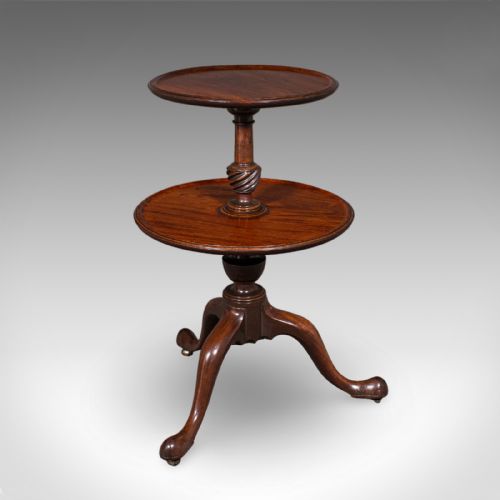
When you search for an antique tripod dumbwaiter, you encounter tiered serving tables designed during the Georgian, Regency and Victorian eras. These pieces stand on three-legged pedestal bases and typically feature circular tiers graduated in size from top to bottom.
The versions most commonly met on this page date from the eighteenth century and the early nineteenth century, styled in the manner of George III or Regency periods. Some examples present two or three tiers, while others incorporate folding shelves or drop-leaves for compact storage.
Makers constructed these serving stands primarily as functional dining room furniture to hold wine bottles, glasses and plates during formal meals. Today, they function equally well as accent tables or side tables in a drawing room or study.
Assessing quality and craftsmanship
Quality rests in the choice of timber and the proportion of the graduated tiers relative to the central pedestal. Pieces constructed from dense, well-figured mahogany with crisp turning on the pillar display superior cabinet work.
The smoothness of the revolving mechanism on a rotating wine table separates standard workshop output from finer examples. Furthermore, sophisticated folding tier mechanisms and neat brass details indicate a higher standard of original design.
Listings feature mahogany serving stands across the Georgian, Regency, and Victorian periods, incorporating two or three tiers.
Gillow Attributed
The Antique Tripod Dumbwaiter Glossary
- Dumb waiter
- A tiered serving table used in dining rooms to hold food and drink without domestic staff present. These pieces usually feature multiple revolving shelves mounted on a single central column.
- Tripod
- A three-legged support base commonly found beneath the central pedestal of Georgian and Regency tables. This design ensures stability on uneven dining room floors.
- Tiered table
- Furniture built with multiple stacked surfaces rising one above the other. In this category, the shelves diminish in diameter toward the top.
- Drop-leaf
- A tabletop design with hinged flaps that fold down when not in use. This feature allows the serving stand to be stored compactly against a wall.
- Fiddleback mahogany
- Highly figured timber exhibiting a wavy, rippled grain pattern resembling the back of a violin. Cabinet makers selected this wood for decorative impact on high-end commissions.
Antique Tripod Dumbwaiter: Frequently Asked Questions
What is an antique tripod dumbwaiter?
An antique tripod dumbwaiter is a multi-tiered serving table supported by a three-legged central pillar, originating mainly in the eighteenth and nineteenth centuries. They were designed to hold dishes and wine bottles during meals.
These pieces often feature revolving circular shelves graduated in size. Today they serve as versatile side tables in traditional interiors.
How were dumbwaiters used?
Dining rooms utilised these stands to reduce the need for servants during private meals. Diners could easily reach wine and second-course dishes placed on the revolving tiers.
Some designs included folding shelves or drop-leaves to save space when the dining room was cleared. They functioned as portable server stations close to the dining table.
How do I date a dumbwaiter?
Dating relies on stylistic clues such as the leg profile, timber selection and edge moulding. Pieces from the eighteenth century typically exhibit Georgian proportions and solid mahogany construction.
Later Victorian interpretations often show heavier turning or added decoration. Examining the joinery and hardware underneath also helps clarify the period of manufacture.
Can I use one as a side table?
These serving stands adapt well to modern living rooms as multi-level accent tables. The graduated tiers provide convenient surfaces for lamps, books and decorative objects.
Their compact tripod footprints allow them to fit neatly beside chairs or into corners. Revolving versions add a practical element for reaching items placed on the shelves.