


Antique Triple Back Settee
An antique triple back settee is a seat for three designed with three conjoined chair backs, offering elegance and generous proportions for a traditional interior.

Antique Triple Back Settee
An antique triple back settee combines the form of three distinct chairs into a single long seat, creating a striking silhouette along a wall. Buyers searching for an antique triple back settee will encounter pieces spanning the eighteenth, nineteenth, and early twentieth centuries.
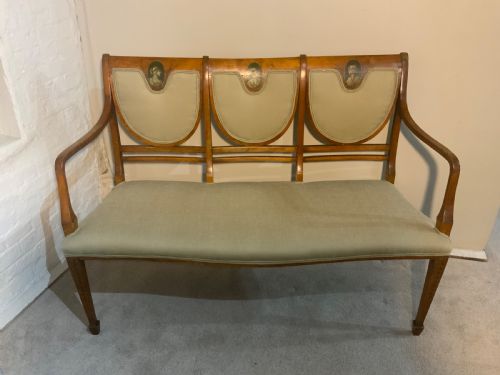
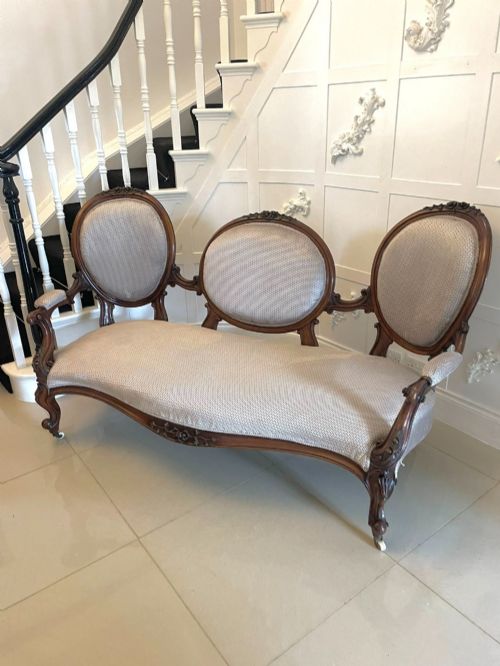
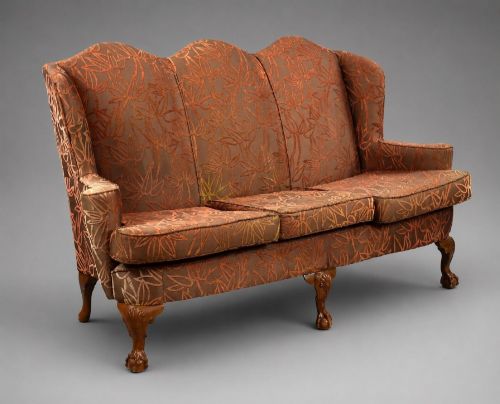
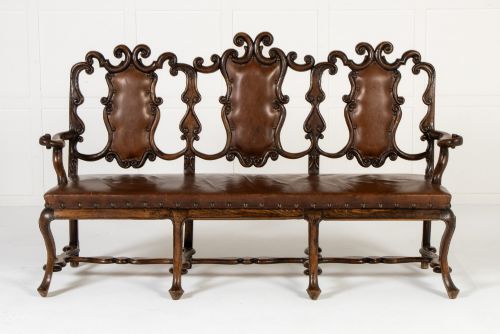
The selections here showcase distinct stylistic revivals, including Hepplewhite, Queen Anne, and Sheraton styles. Walnut and mahogany dominate the construction, often enhanced with intricate carving or decorative inlay.
Makers adapted classic chair forms such as shield backs and cameo backs into extended seating. These settees function as central focal points in formal reception rooms and long hallways.
How they were made
Cabinetmakers constructed these frames using dense timbers like walnut and mahogany, occasionally employing satinwood for decorative contrast. Skilled hands shaped solid wood into curved rails, cabriole legs, and pierced splats.
Upholstery techniques varied from drop-in seats covered in textile or leather to fully padded backs and arms. Brass details and gilt accents frequently completed the decorative scheme on refined examples.
The inventory records Hepplewhite, Regency, and Queen Anne style revivals among these settees.
What varies in quality
The distinction between standard and exceptional pieces lies in the crispness of the wood carving and the fluidity of the frame's lines. Superior examples display balanced proportions across all three chair sections without visual crowding.
Selection of timber grain and the precision of inlaid woodwork elevate a piece significantly. Original surface patination and restrained decorative details demonstrate superior craftsmanship compared to heavily altered frames.
The Antique Triple Back Settee Glossary
- Shield back
- A chair or settee back shaped in the outline of a classical shield, frequently seen in Hepplewhite designs. This curved form provides ergonomic comfort while offering a delicate visual profile.
- Splat
- The vertical wooden strip down the centre of a chair back, often carved or pierced in revival pieces. In triple back settees, three distinct splats support the upper rail.
- Cabriole leg
- A furniture leg that bends outward in a convex curve and tapers inward in a concave curve, ending in a pad or claw foot. This form derives from animal limbs and typifies Queen Anne style pieces.
- Inlay
- A technique where pieces of contrasting wood or other materials are inserted into depressions in the base wood to form decorative patterns. Satinwood is commonly used for this contrasting work on mahogany frames.
Antique Triple Back Settee: Frequently Asked Questions
Where should I place a triple back settee?
These long seats suit spacious hallways, grand living rooms, or large bedrooms where a statement furniture piece is required. Their linear format works well against flat walls or positioned opposite a fireplace.
Ensure adequate clearance around the settee so the detailed backrest remains visible from multiple angles within the room.
How do I care for the wood frame?
Dust the carved woodwork regularly with a soft, dry cloth to prevent dirt accumulation in the crevices. Avoid placing the settee near direct heat sources or strong sunlight, which can dry out timber and fade upholstery.
Apply a microcrystalline wax periodically to nourish the surface polish without building up excessive residue.
Can I use these settees for everyday seating?
Solid hardwood frames provide robust structural support suitable for daily use when properly maintained. Upholstered seats offer comfortable lounging, though antique textiles require gentle treatment.
Consider the original joinery strength and seat webbing condition before subjecting the piece to heavy daily loads.
How do I identify the design period?
Examine the stylistic motifs, such as shield backs, cabriole legs, or inlaid satinwood patterns, which correlate with specific historical revivals. Construction methods and timber types also offer clues regarding the approximate decade of manufacture.
Compare the carving depth and secondary woods used on the underside to verify stylistic consistency.