

Antique Trilogy Ring
An antique trilogy ring unites three stones representing past, present, and future, making it a timeless choice for modern commitments.
Antique Trilogy Ring
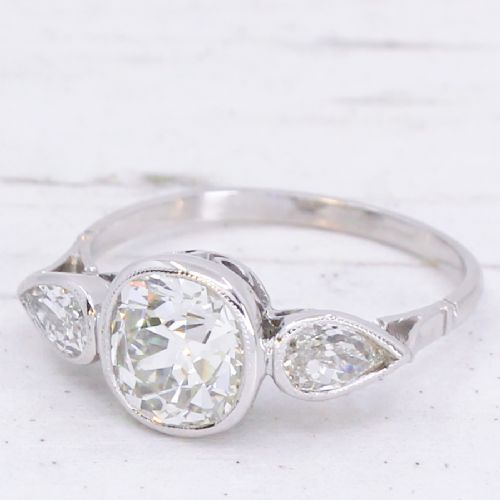
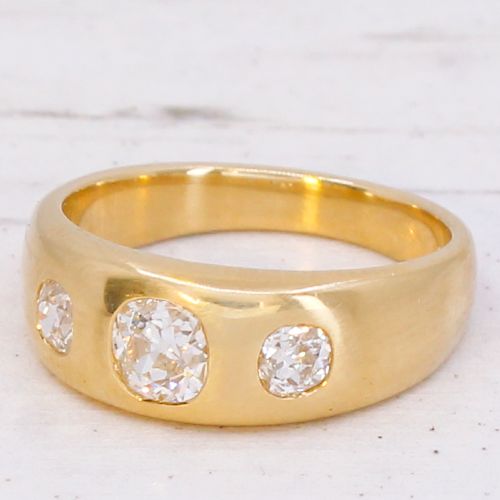
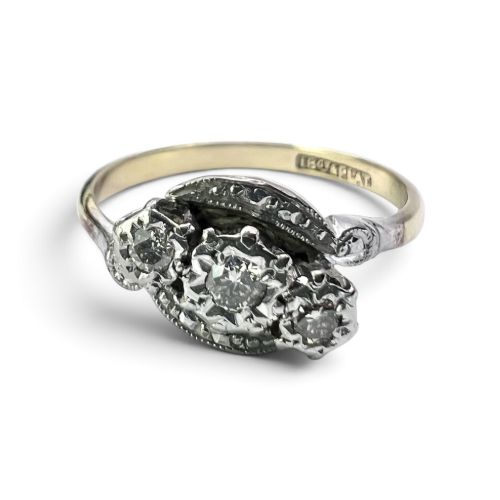
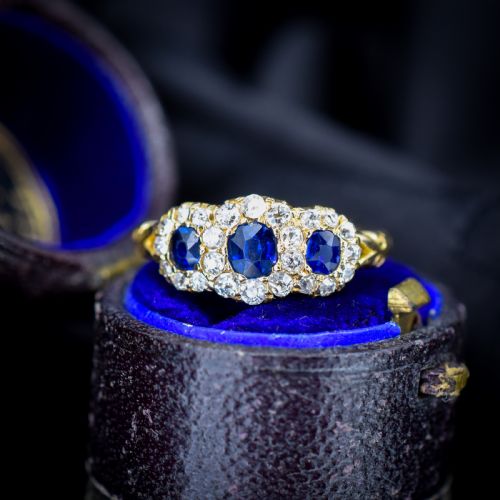
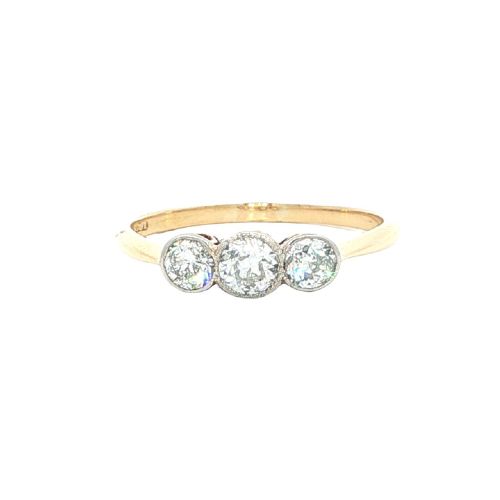
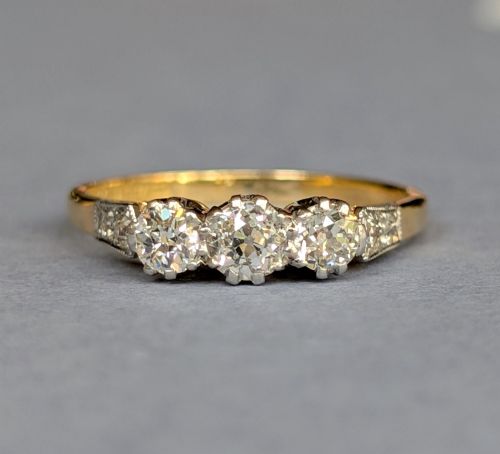
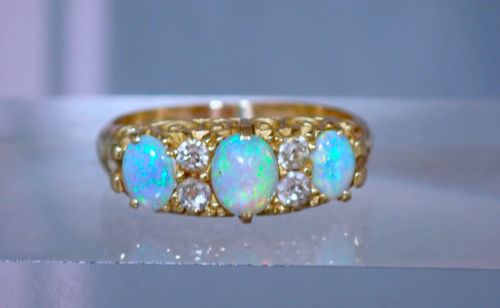
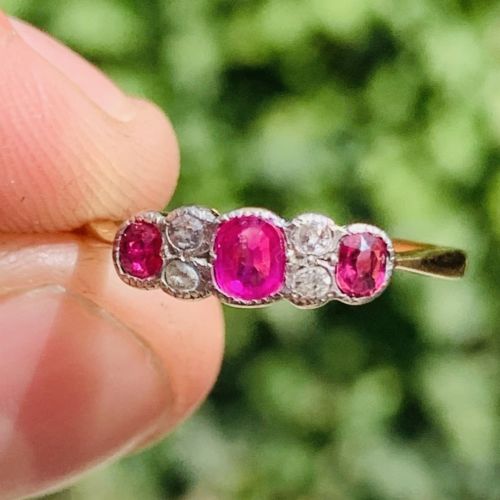
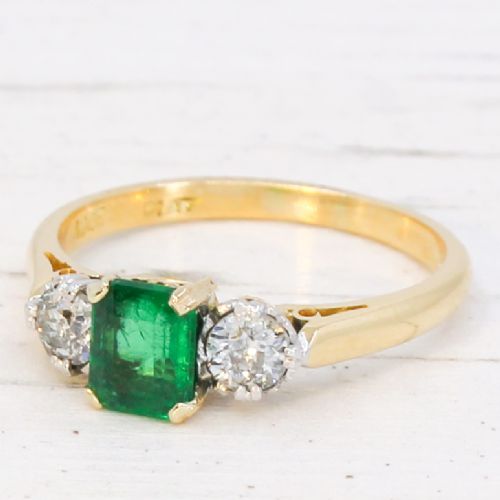
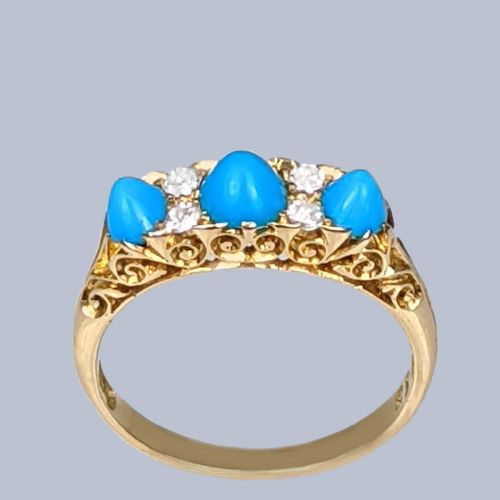
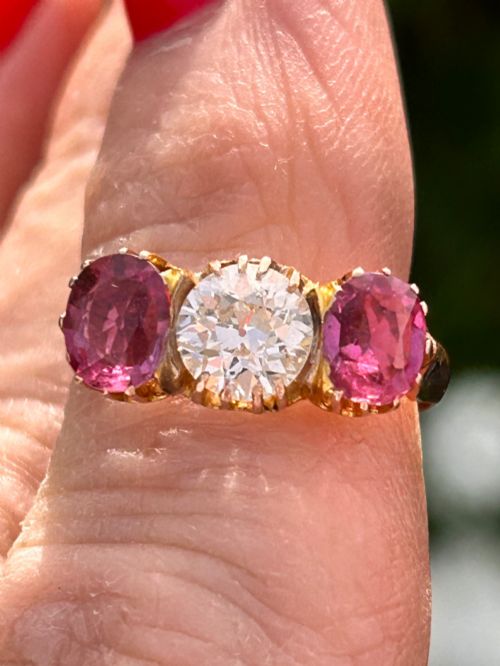
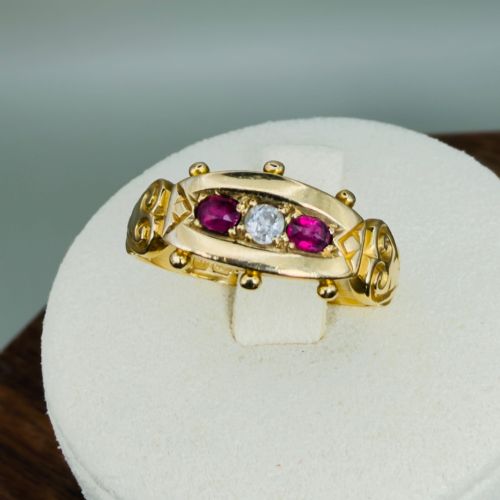
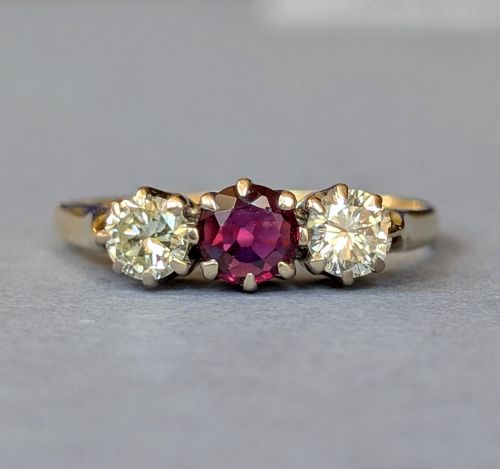
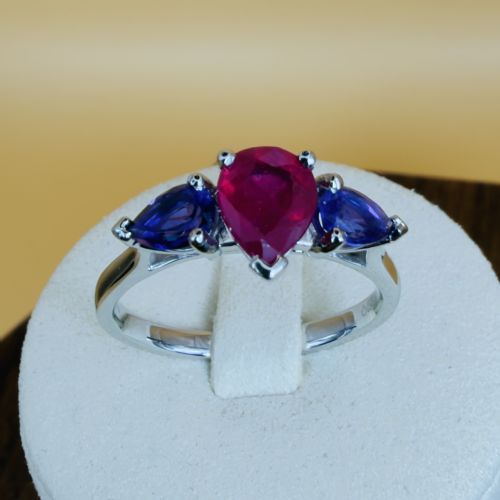
Buyers will frequently encounter traditional old cut diamonds paired alongside sapphires, rubies, or opals set within yellow gold bands or platinum mountings. These three-stone layouts appear in straight linear formats as well as twist or crossover designs.
Examples originate from eras spanning the nineteenth century up to the 1960s, offering a wide array of mounting styles from simple claw settings to ornate Victorian cluster arrangements.
How They Were Made
Jewellers utilised durable platinum and various carats of gold, notably 18ct yellow and white gold, to construct secure settings for precious gems. Stones were shaped by hand into old cushion, old pear, and transitional cuts that maximise candlelight brilliance rather than strict modern symmetry.
Craftsmen secured central gemstones using hand-cut claws, flush gypsy settings, or intricate bezel mounts often enhanced with delicate milgrain detailing during the Edwardian and Art Deco periods.
Antique Trilogy Ring Retail Price Guide 2026
Typical asking prices for trilogy ring among the pieces listed under this phrase on Sellingantiques today, from the lower quarter to the upper quarter. They describe what is for sale here now, not the wider market.
Current listings feature pieces spanning the Georgian era through to the 1960s, utilising platinum, 18ct yellow gold, and gemstones including emerald, ruby, sapphire, and opal.
What Varies in Quality
The overall standard is dictated by the natural saturation and clarity of the flanking coloured stones, such as Burmese rubies or Colombian emeralds, balanced against the lively scintillation of the central old cut diamonds. Superior execution is evident in harmonious stone proportions where the graduate sizing maintains a balanced visual weight across the finger.
Integrity of the original metalwork, including crisp hallmarks and well-preserved gallery wirework without thinning claws, separates everyday surviving trinkets from finer collector specimens.
William Griffiths
The Antique Trilogy Ring Glossary
- Old cut diamond
- A hand-faceted diamond cut before modern machine standards, typically featuring a smaller table, higher crown, and open culet designed to catch ambient light.
- Trilogy ring
- A ring featuring three distinct stones arranged in a row, traditionally denoting the past, present, and future of a relationship.
- Gypsy ring
- A style where stones are flush-set directly into the heavy metal band, creating a smooth, uninterrupted surface popular during the late nineteenth century.
- Crossover ring
- A design where the shank twists or intertwines as it approaches the stones, creating a fluid silhouette often seen in Edwardian pieces.
- Milgrain
- A decorative beaded edge applied along the metal borders of jewellery settings, characteristic of Edwardian and Art Deco craftsmanship.
Antique Trilogy Ring: Frequently Asked Questions
What do the three stones signify?
The three stones traditionally represent the past, present, and future of a relationship. This romantic symbolism makes the design a popular choice for engagements and anniversaries.
Historically, the central stone is often slightly larger than the two flanking side gems, creating a balanced visual hierarchy across the hand.
How do I care for an antique ring?
Regular gentle cleaning with warm soapy water and a soft brush helps maintain the brilliance of the stones. Avoid harsh chemical dips, particularly if the ring contains softer gems like opal.
Periodic inspection by a jeweller ensures that antique claws and settings remain secure and protective of the original gems.
Can these rings be resized easily?
Most gold and platinum mountings can be adjusted by a skilled jeweller experienced in handling antique pieces. The process depends on the band's thickness and whether any decorative shoulders or hallmarks risk disturbance.
Consulting a specialist before alteration preserves the structural integrity and historical value of the metalwork.
How do I identify the period?
Hallmarks stamped inside the band provide official assay office stamps and date letters that pinpoint the exact year of manufacture. Stylistic clues, such as Edwardian milgrain or Victorian gypsy mountings, further narrow down the era.
Gemstone cutting styles also offer hints, as hand-cut old European and old mine diamonds predate modern machine-cut stones.