



Antique Tribal Sculptures
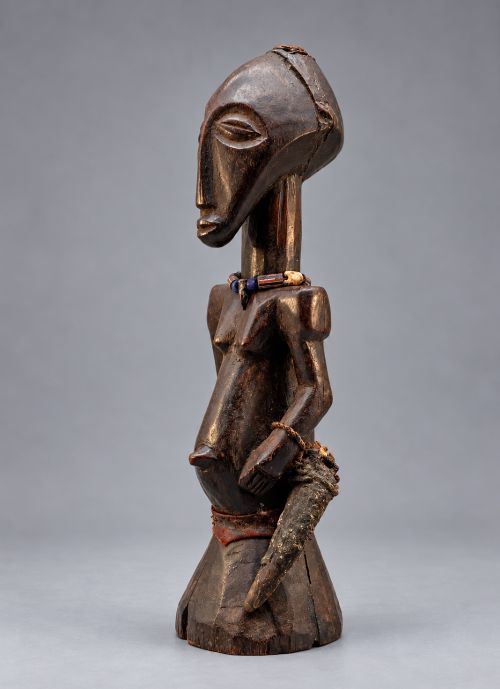
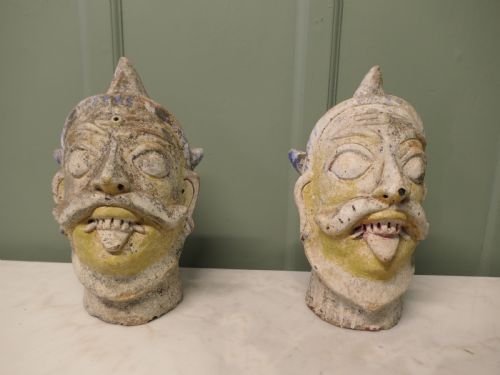
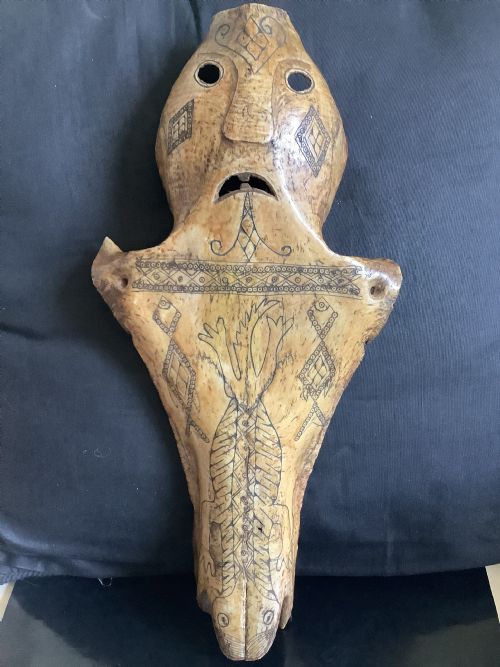
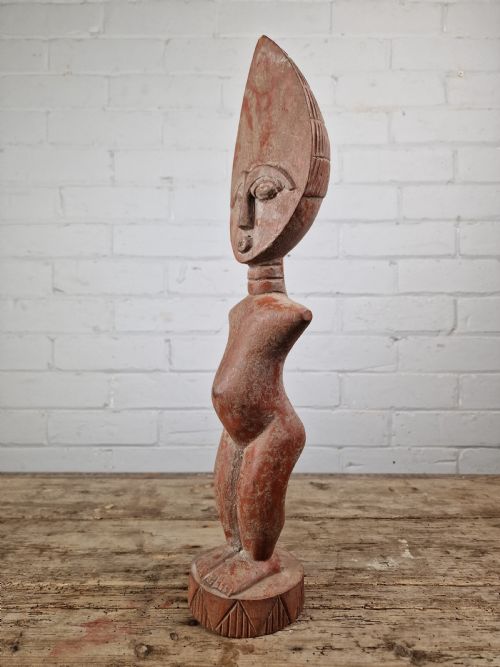
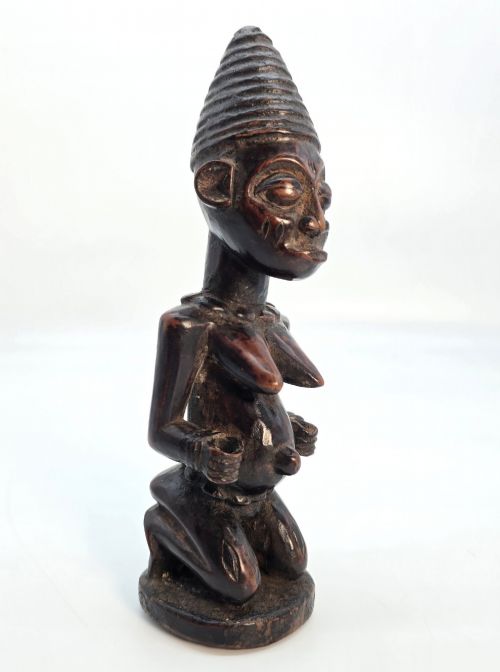
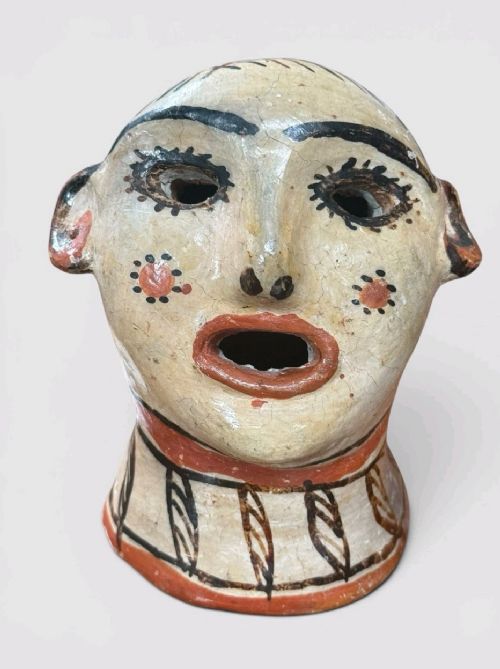
These antique tribal sculptures bring raw cultural power into a room, spanning carved wood figures, cast bronzes and bone artefacts.
Antique Tribal Sculptures
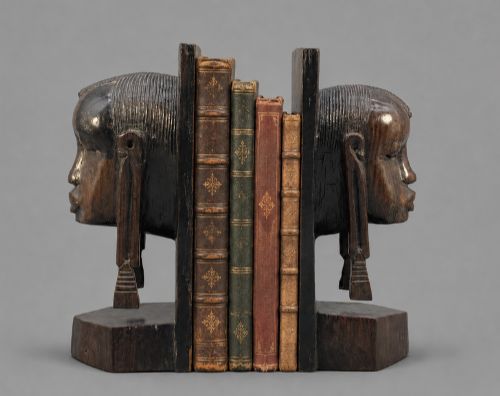
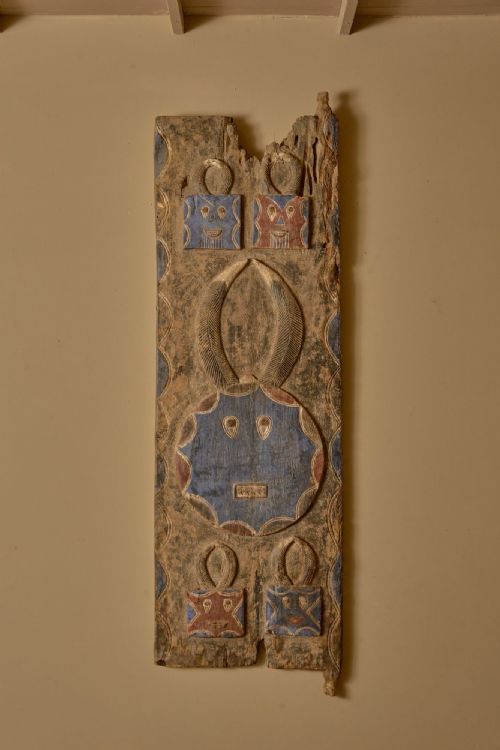
When you search for antique tribal sculptures, you encounter a diverse range of objects originating from African, Asian, and Indigenous traditions, primarily dating from the nineteenth and early twentieth centuries. These pieces encompass ceremonial masks, ancestral guardian figures, fertility carvings, and bronze statuary that once served functional or ritual roles within their communities.
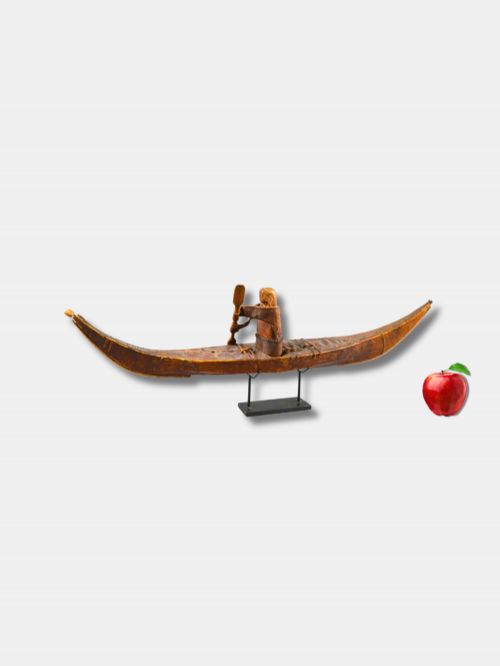
The most common versions met on this page include West African wooden masks and bronze figures from cultures such as the Yoruba, alongside Himalayan demon masks and Inuit whalebone or seal skin carvings. Makers and specific regional styles vary widely, reflecting distinct indigenous artistic practices from regions spanning Gabon, the Ivory Coast, India, and the Sepik River.
Beyond standalone statuary, the grouping extends to utilitarian and ceremonial objects imbued with sculptural form, such as carved combs, ritual axes, and headdresses. Each piece records the material culture and spiritual life of its makers, shaped by traditional methods handed down through generations.
Materials and construction
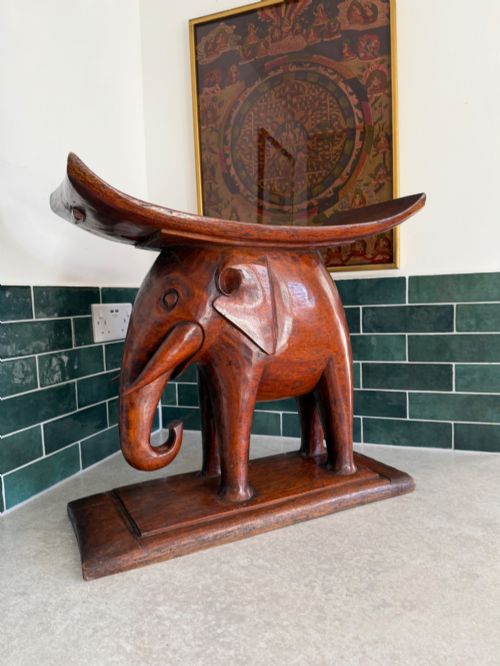
The objects rely heavily on native timbers, utilising dense hardwoods like mahogany and ebony that permit intricate hand-carving using traditional adzes and chisels. Artisans frequently integrated secondary materials such as bone, ivory, cowrie shells, fibre, and pigment to enhance the visual impact and symbolic meaning of masks and figures.
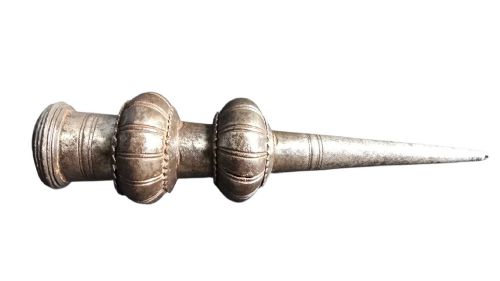
Metal sculptures on this page demonstrate advanced lost-wax casting techniques, particularly visible in the sophisticated bronze work associated with Benin and Yoruba traditions. These metal pieces often display crisp surface detail and complex patination achieved through centuries-old metallurgical practices.
Antique Tribal Sculptures Retail Price Guide 2026
Typical asking prices for tribal sculptures among the pieces listed under this phrase on Sellingantiques today, from the lower quarter to the upper quarter. They describe what is for sale here now, not the wider market.
A nineteenth-century Congo bone and wood pipe proves our ancestors enjoyed a contemplative smoke with sculptural flair.
Distinguishing quality in tribal artefacts
Quality rests upon the sculptural vigour of the carving, the authenticity of the cultural use wear, and the proportional balance achieved by the maker. Master carvers demonstrated superior command over anatomy and expression, whereas lesser examples remain rigid and formulaic in execution.
The integrity of the surface skin - developed through handling, ritual application of oils, and age-related patina - distinguishes significant tribal art from later commercial reproductions. Preservation of original native repairs and integrated organic elements further elevates the standing of an individual piece.
Franz Bergman·Abegunde of Ede
The Antique Tribal Sculptures Glossary
- Lost-wax casting
- A metal-casting method where a molten metal is poured into a mould that has been created by means of a wax model. Once the mould is made, the wax is melted and drained away.
- Patina
- A surface sheen or coloration that develops on wood, metal, bone, or stone over time through use, handling, and exposure to the elements. This natural layer provides vital clues to an object's age and history.
- Reliquary guardian
- A carved figure or head placed upon or near a container holding ancestral relics to protect the sacred contents from profane interference.
- Janus figure
- A sculptural representation featuring two faces oriented in opposite directions, commonly symbolizing watchfulness or the transition between spiritual realms.
Antique Tribal Sculptures: Frequently Asked Questions
How do I identify genuine tribal masks?
Genuine masks display appropriate wear patterns around the interior mounting points and rim where they touched the wearer's face or head. Look for consistent ageing of the wood and organic residues left by ceremonial use.
Avoid pieces with uniform, artificially distressed surfaces or lack of tool marks. Authentic examples show the individual hand of a carver working with traditional implements.
What woods were used in African carvings?
Carvers utilised locally available indigenous hardwoods suited to their region, including mahogany, ebony, and various dense fruitwoods. These timbers provided the durability needed for ceremonial objects and ritual statuary.
The weight and grain of the wood offer clear indicators of origin and period. Denser woods resist insect damage more effectively, contributing to better survival rates over the centuries.
How should I display tribal bronzes?
Bronze sculptures require stable indoor humidity and temperature to prevent corrosion of the metal surface and breakdown of historic patinas. Place them on sturdy, level surfaces away from direct sunlight and heating vents.
Avoid aggressive cleaning agents or polishes that strip away the accumulated oxidation of the metal. A soft, dry cloth is sufficient for removing dust from intricate cast surfaces.