





Antique Tribal Panel
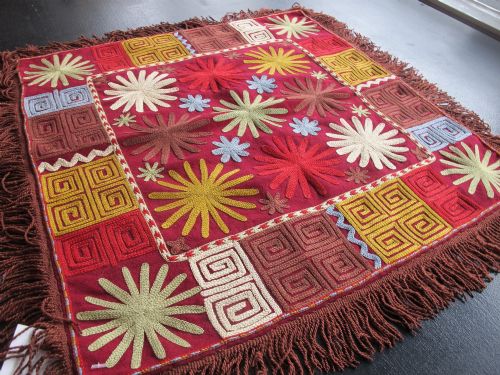
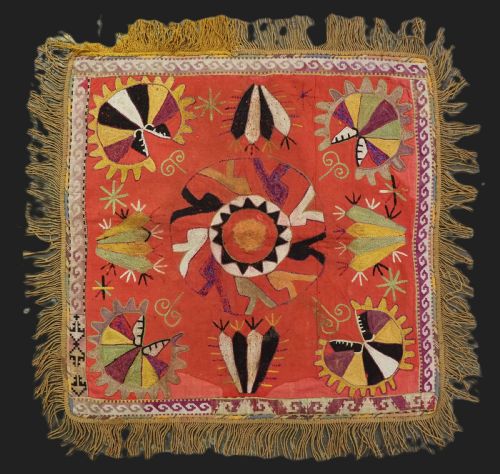
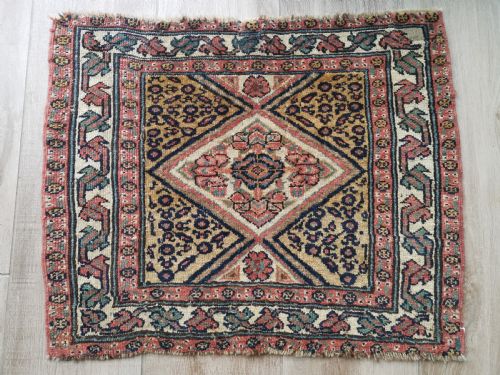
When you search for an antique tribal panel, you are looking at textile fragments, dowry embroideries, and nomadic storage face pieces created across Central Asia and Persia during the nineteenth and early twentieth centuries.
Antique Tribal Panel
When searching for an antique tribal panel, buyers encounter nomadic and village textiles originating from Central Asian and Persian regions, including works by Uzbek, Turkmen, Qashqai, and Shahsavan makers. These pieces span wall hangings, dowry embroideries, storage bag faces, and fabric panels dating from the mid-nineteenth century through to the early twentieth century.
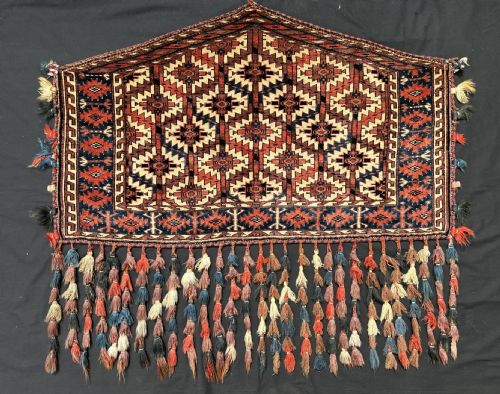
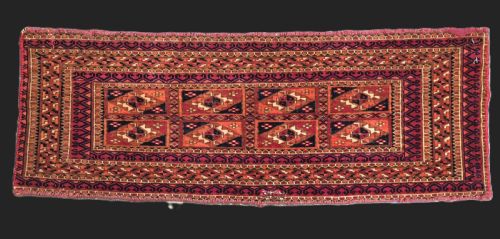
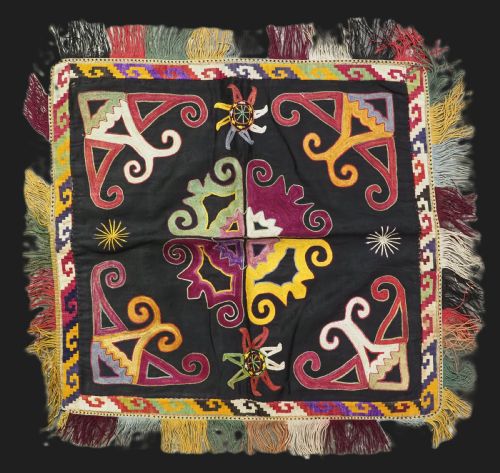
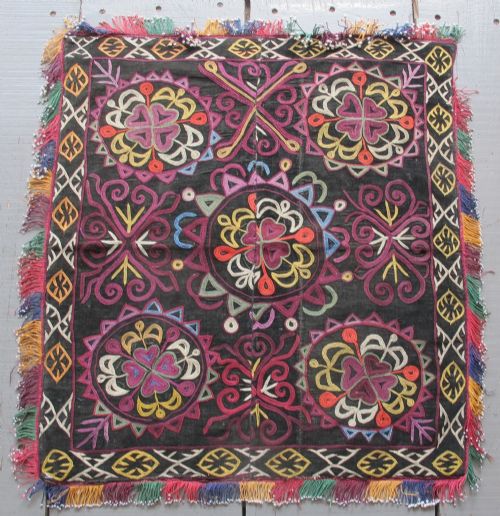
The most common formats on this page are dowry items and utilitarian objects repurposed for display, such as Lakai ilgich embroideries, Yomut asmalyks, and ikat fabric lengths. Many were originally created as functional household or transport items, including saddle covers, pillow bag faces, and tent storage bags.
Origins heavily influence the character of each piece, ranging from the geometric compositions of Turkmen and Shahsavan weavers to the spirited, curved needlework of Uzbek and Lakai tribes. These textiles reflect the distinct cultural identities and nomadic lifestyles of the communities that produced them.
How they were made
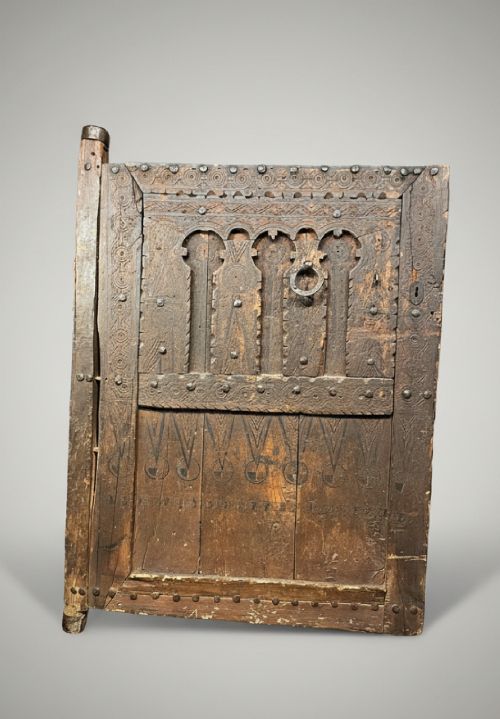
Makers utilised natural materials such as wool, cotton, and silk, often combined with felt and supported by timber or wrought iron elements in architectural pieces like doors. Dyes were traditionally derived from natural sources, yielding deep, rich tones across woven and embroidered surfaces.
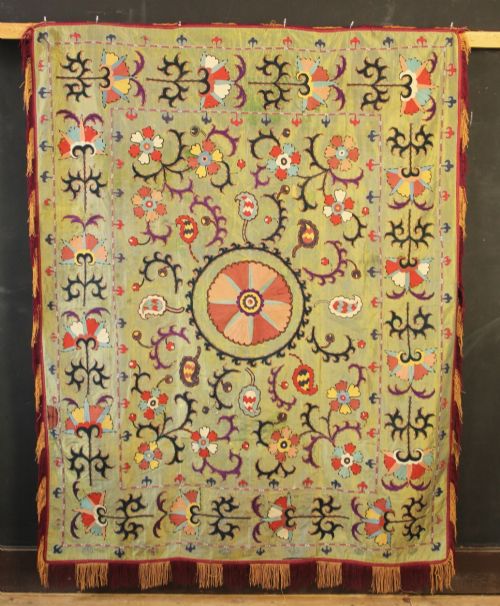
Techniques varied by function and culture, encompassing fine embroidery, flatweave construction, and warp-faced ikat patterning. Artisans employed complex needlework for silk suzanis and geometric knotting or flatweaving for storage bags and wall hangings.
Antique Tribal Panel Retail Price Guide 2026
Typical asking prices for tribal panel among the pieces listed under this phrase on Sellingantiques today, from the lower quarter to the upper quarter. They describe what is for sale here now, not the wider market.
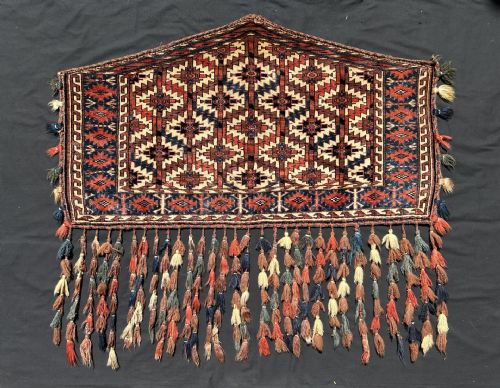
Camels wore decorative asmalyks during wedding processions, ensuring the bride arrived in style.
What varies in quality
Quality rests upon the fineness of the weave or embroidery and the complexity of the design layout. Finer thread count, tighter knotting, and meticulous execution separate standard utility pieces from masterworks created for significant dowries.
The integrity and vibrancy of the materials also dictate value, with saturated natural dyes and well-preserved silk or wool fibres holding superior aesthetic strength. The precision of traditional tribal motifs and the balance of composition further distinguish exceptional examples.
The Antique Tribal Panel Glossary
- Ilgich
- An Uzbek dowry embroidery piece, frequently created as a wall hanging by Lakai tribes. These textiles feature dynamic, figurative or geometric needlework.
- Asmalyk
- A pentagonal trapping used in Turkmen weddings, traditionally hung on the flanks of a bridal camel. They display characteristic guls and stepped motifs.
- Suzani
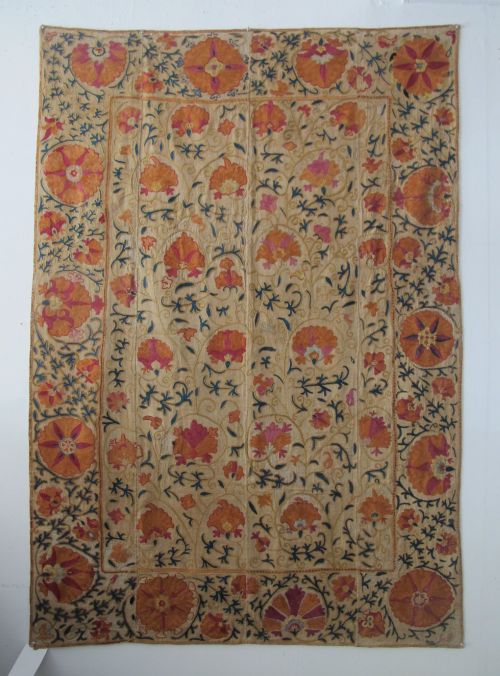
- A large, embroidered wall hanging from Central Asia, typically worked in silk on a cotton or silk foundation. They showcase sprawling floral and medallion designs.
- Torba
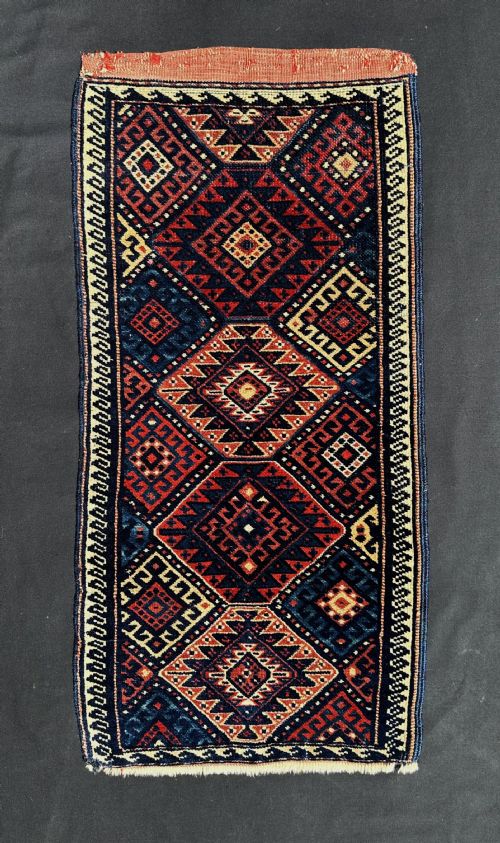
- A small horizontal storage bag made by Turkmen and other nomadic groups for tent organisation. These pieces feature distinctive tribal gul patterns across the face.
- Ikat
- A dyeing and weaving technique where threads are tied and dyed prior to weaving to create blurred, feathered pattern edges. Adras fabrics utilise a semi-silk composition of this method.
- Gul
- A repeating, octagonal medallion motif used extensively in Turkmen and Central Asian rug and textile design to denote tribal affiliation.
Antique Tribal Panel: Frequently Asked Questions
How were tribal panels used?
Nomadic groups utilised these textiles primarily for practical storage, transport, and interior tent decoration. Items such as torbas and bag faces held household goods, while asmalyks served ceremonial roles during weddings.
Over time, many of these utilitarian items transitioned into decorative wall hangings and display pieces. Their robust construction and striking designs made them ideal for interior embellishment within traditional dwellings.
How do I hang a textile panel?
Hanging requires methods that distribute weight evenly across the fabric to prevent distortion or tearing. Conservation-grade Velcro or a custom-stitched sleeve along the top edge is standard practice for mounting.
Avoid direct piercing with nails or heavy clamping that stresses the old fibres. Professional framing behind UV-filtered glass provides maximum protection for delicate silk embroideries.
How do I care for antique textiles?
Care involves protecting the pieces from direct sunlight, excess moisture, and insect damage. Gentle vacuuming through a mesh screen helps remove surface dust without disturbing fragile threads.
Professional textile conservators should handle any significant cleaning or repair work. Harsh chemical treatments or standard washing will damage old natural dyes and brittle fibres.