




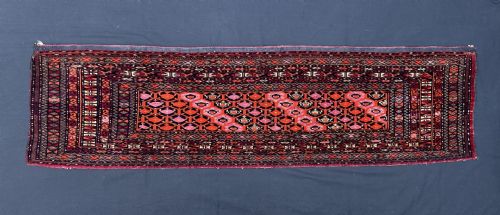
Antique Tribal Hanging
An antique tribal hanging brings tactile nomadic art into a room through woven and embroidered textiles from Central Asia and Persia.
Antique Tribal Hanging
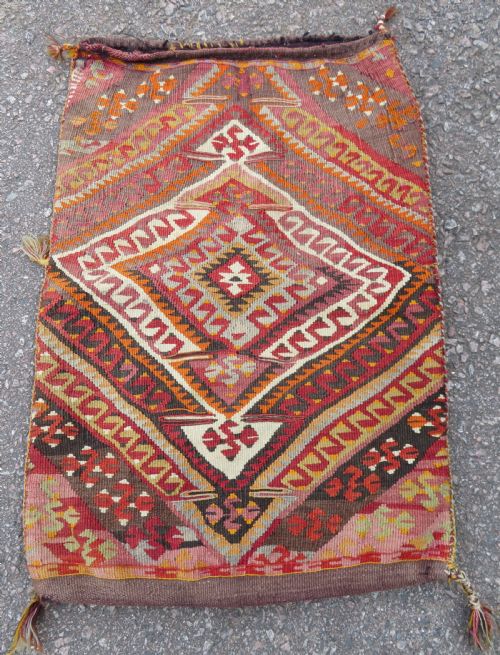
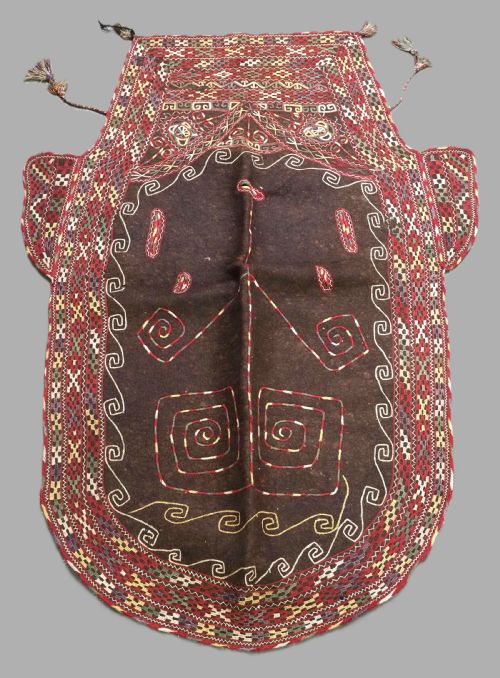
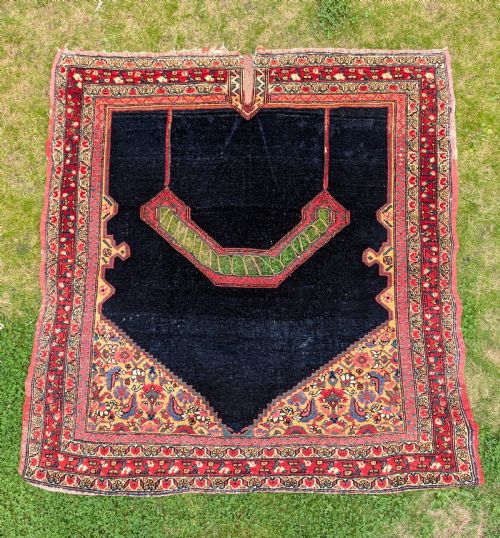
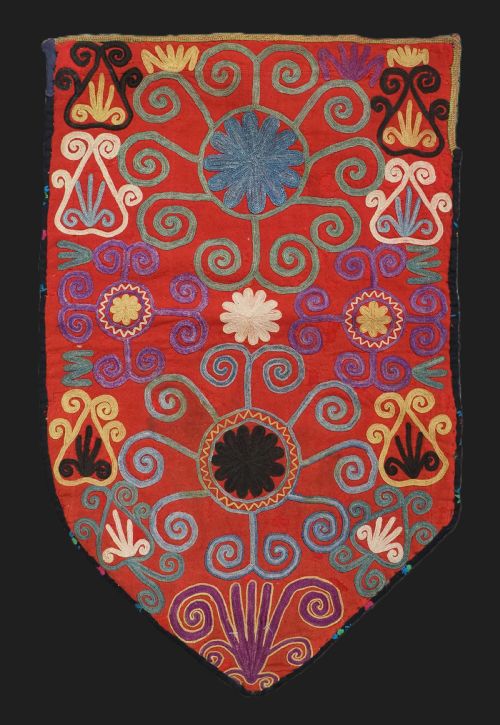
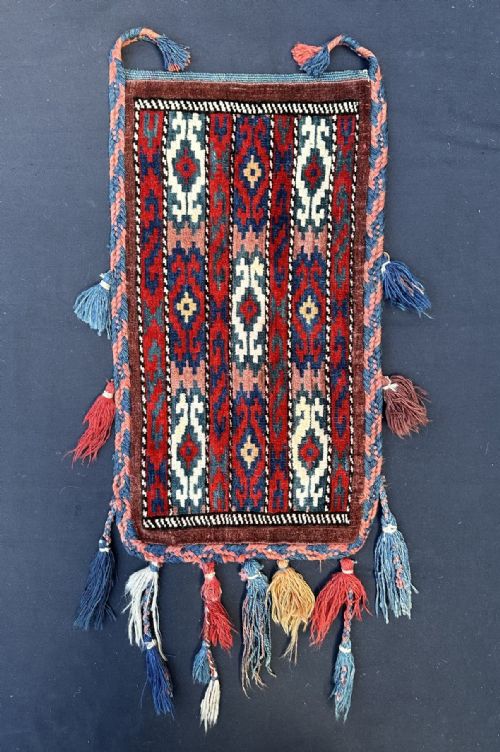
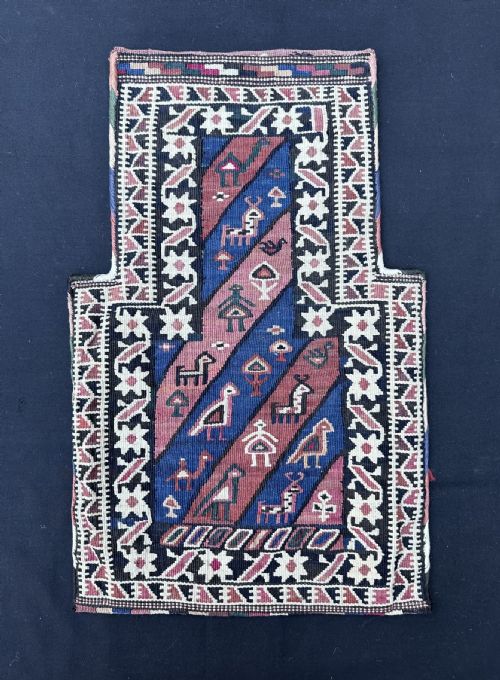
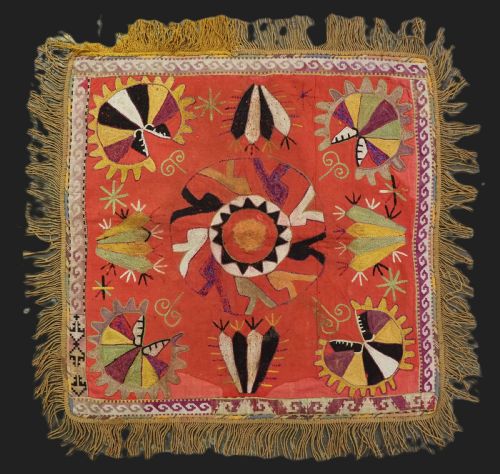
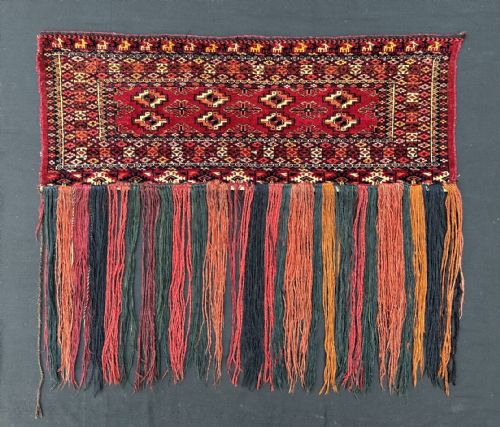
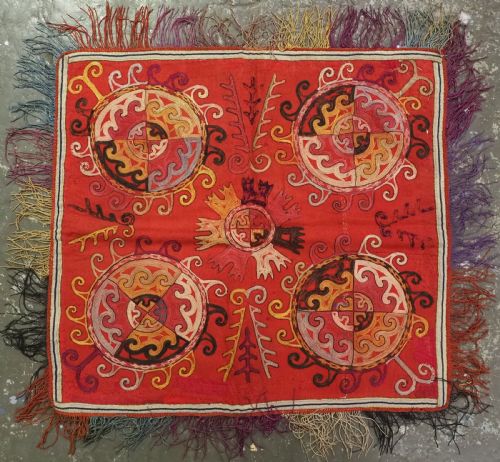
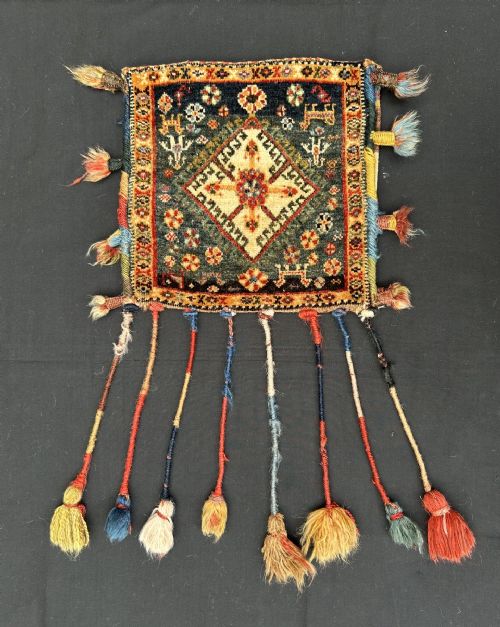
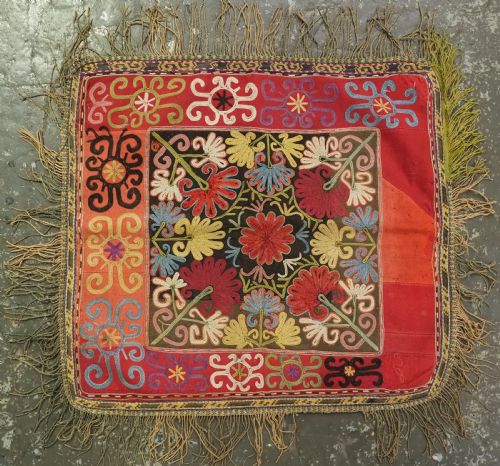
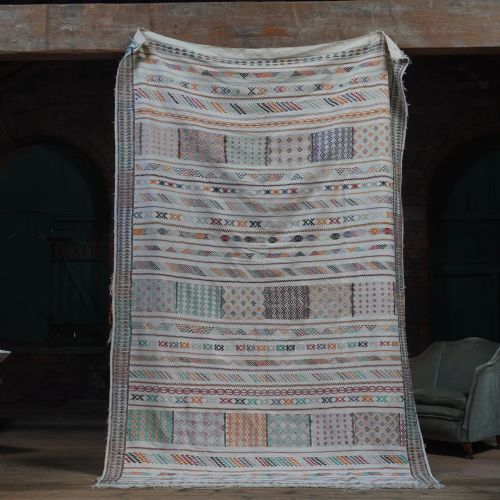
An antique tribal hanging encompasses various utilitarian and decorative objects originating from nomadic and village groups in regions such as Persia, Central Asia, and Anatolia. When searching for an antique tribal hanging, buyers encounter functional items repurposed for display, including dowry embroideries, storage bags, animal trappings, and saddle covers.
The material record on this page spans the nineteenth and early twentieth centuries, capturing pieces attributed to groups like the Yomut, Ersari, Lakai, and Qashqai. These textiles functioned within pastoral daily life before entering the decorative sphere as wall hangings and textile art.
Formats vary from square dowry panels and elongated storage bags to horse blankets and animal decorations. Each piece reflects the specific material culture and tribal identity of its maker.
How They Were Made
Maker communities relied on animal fibres, utilising wool, hand-spun wool, and felted wool alongside cotton and silk foundations. Natural dyes imparted rich colour to threads that were woven into flatweaves, pile rugs, and intricate embroideries.
Embellishments such as glass beads and cotton thread added texture and detail to specific regional pieces, particularly dowry hangings and ceremonial covers.
Antique Tribal Hanging Retail Price Guide 2026
Typical asking prices for tribal hanging among the pieces listed under this phrase on Sellingantiques today, from the lower quarter to the upper quarter. They describe what is for sale here now, not the wider market.
Object types include wall hangings, saddle covers, storage bags, animal trappings, and dowry embroideries.
What Varies in Quality
Quality rests upon the fineness of the execution, the complexity of the design layout, and the integrity of the materials. Dense wool, tight stitching, and well-preserved natural dyes distinguish superior examples.
The crispness of tribal motifs and the survival of original elements like tassels or complete borders influence the character and visual impact of each hanging.
The Antique Tribal Hanging Glossary
- Igat
- A dyeing technique where bundles of threads are tightly wrapped and dyed before weaving to create intricate patterns with characteristic feathered edges.
- Asmalyk
- A ceremonial pentagonal camel trapping traditionally produced by Turkmen tribes and used during wedding processions.
- Ilgich
- An Uzbek dowry embroidery piece, often associated with the Lakai tribe, traditionally used as a wall hanging inside a yurt.
- Kilim
- A flatwoven textile produced without a pile, resulting in a thin, durable fabric with geometric patterns visible from both sides.
- Jollar
- A Turkmen storage bag face woven in pile technique, historically mounted on tent walls for household storage.
Antique Tribal Hanging: Frequently Asked Questions
What is a tribal hanging?
A tribal hanging is a textile originating from nomadic or village traditions, often repurposed from practical objects like storage bags or animal trappings into wall art.
These pieces reflect the distinct weaving and embroidery traditions of specific tribal groups across Persia and Central Asia.
How do I care for a textile wall hanging?
Protect the fabric from direct sunlight to prevent natural dye fading, and mount the textile using archival methods that distribute weight evenly across the structure.
Keep the hanging away from excess moisture and inspect it periodically to ensure the fibres remain stable.
How can I tell different tribal styles apart?
Tribal styles are distinguished by their specific colour palettes, geometric or figurative motifs, and structural techniques associated with particular regions.
For example, Turkmen pieces often feature deep madder reds and distinct göl motifs, while Qashqai works display varied animal and medallion designs.