





Antique Treen Collectible
These antique treen collectible pieces are small wooden utilitarian objects shaped by hand, offering a tangible link to domestic life from the seventeenth century to the Edwardian period.
Antique Treen Collectible
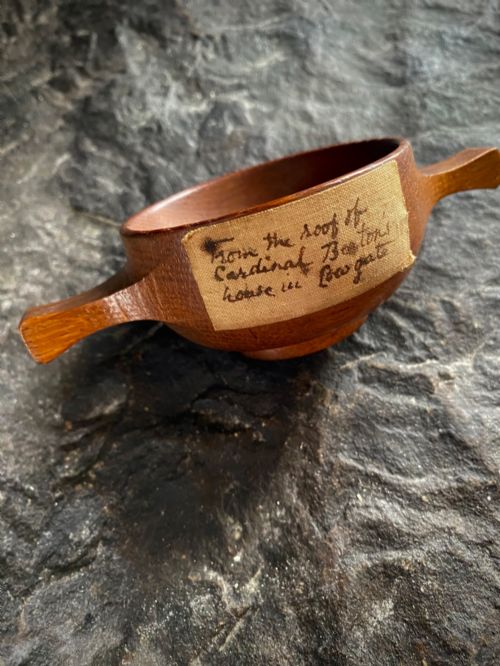
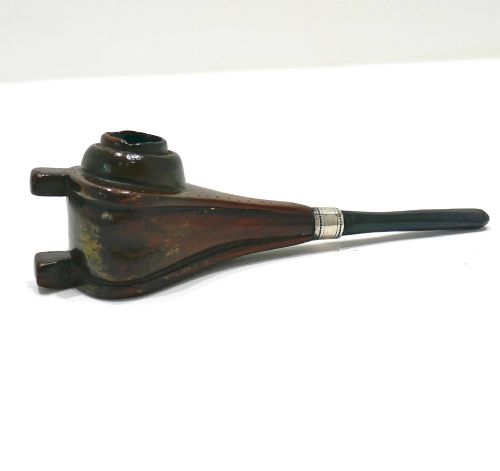
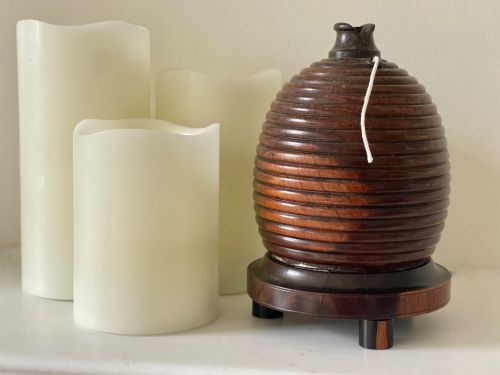
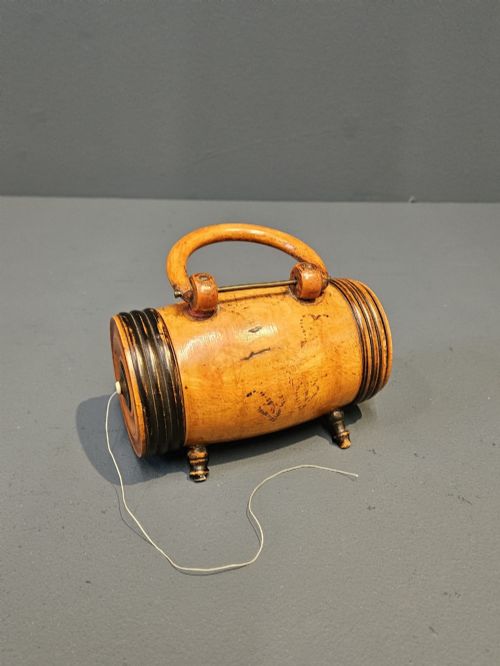
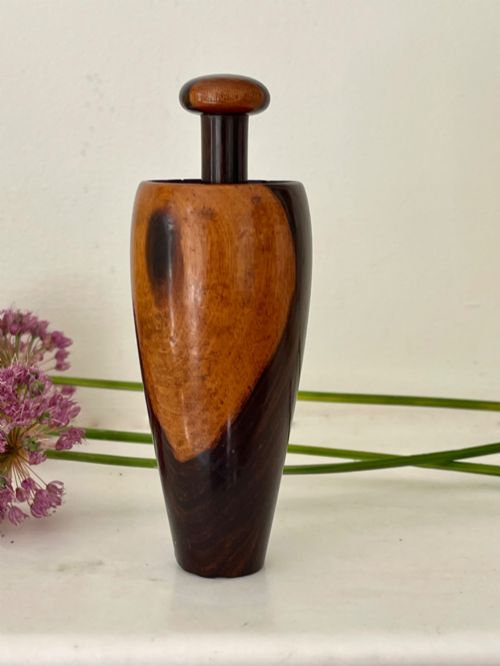
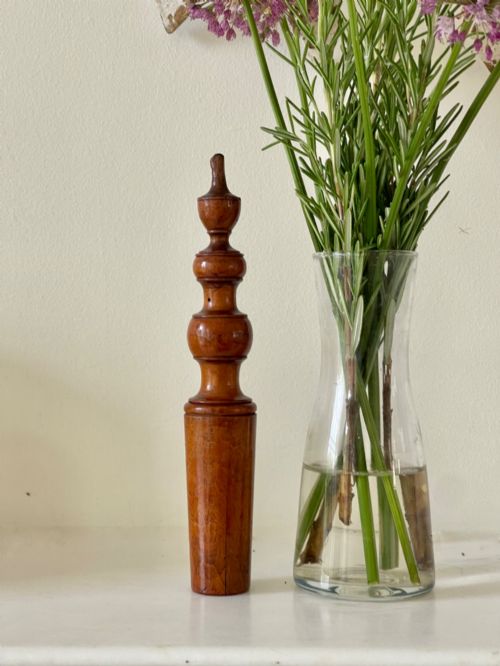
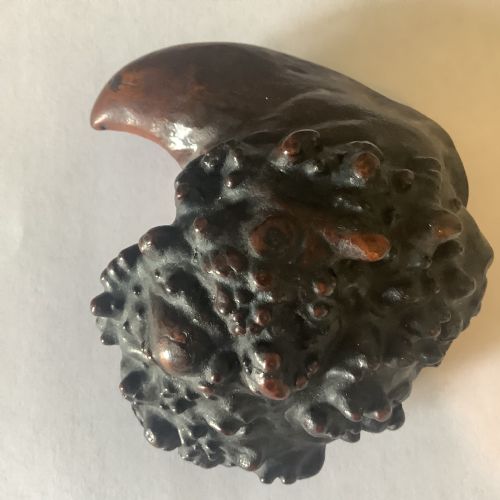
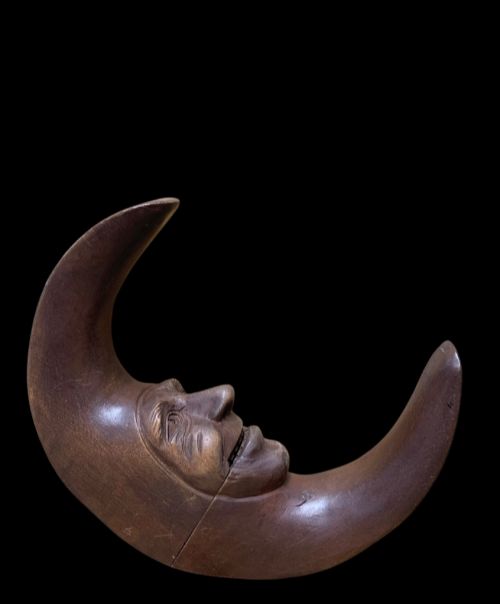
When you search for antique treen collectible items, you encounter a diverse range of small wooden objects that served practical domestic, professional, or personal functions in past centuries. The selection spans utilitarian kitchenalia, snuff boxes, nutcrackers, and playful items like puzzle balls and rattles.
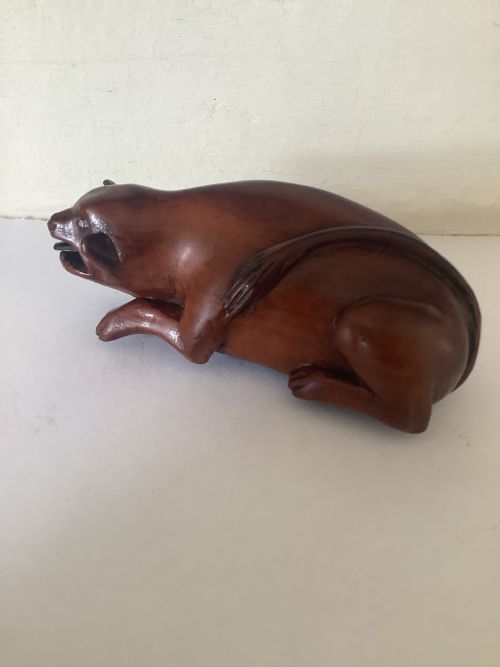
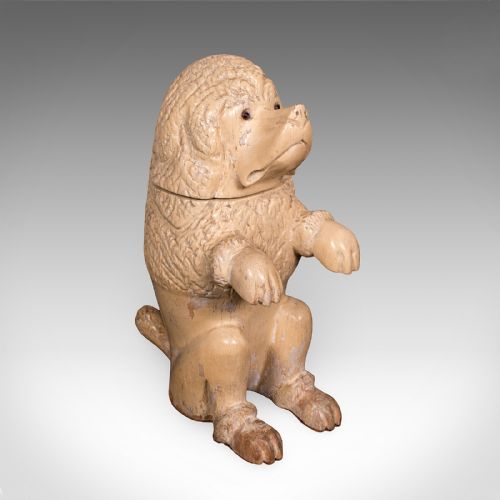
Most pieces you meet on this page originate from the nineteenth century, with strong representation from the Georgian and Victorian eras, alongside select seventeenth-century examples. Forms vary from simple mortars and pestles to elaborately carved shoes, animals, and figural objects.
The materials reflect the working timbers available to past turners and carvers, leaning heavily on dense hardwoods, fruitwoods, and boxwood. These items were made for daily use by ordinary households, tradespeople, and travellers, surviving through generations due to the durability of turned and carved timber.
How they were made
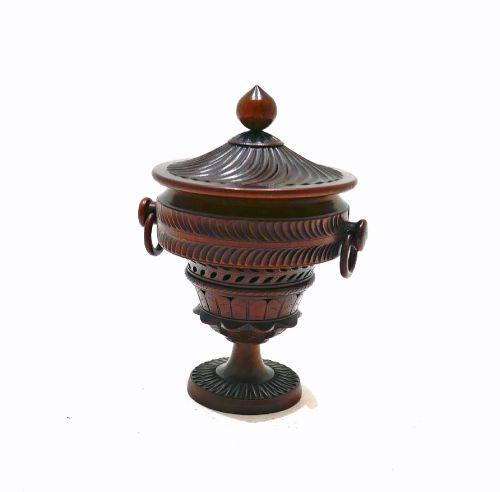
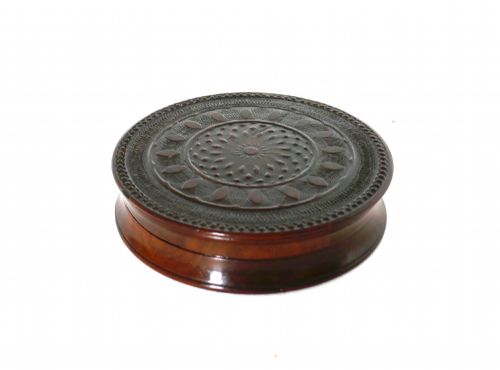
Makers utilised a lathe for circular items like bowls, mortars, and lidded boxes, employing engine turning for decorative surface patterns on woods such as laburnum and walnut. Hand-carving created figural shapes, shoes, animals, and naive details using gouges and chisels on fruitwood, boxwood, and yew.
Dense timbers like lignum vitae and hardwood provided the necessary weight and strength for implements subjected to friction and impact, such as mallets and pestles. Surface finishes often relied on natural wear from handling, though occasional examples retain traces of early paint or bone inlay.
Antique Treen Collectible Retail Price Guide 2026
Typical asking prices for treen collectible among the pieces listed under this phrase on Sellingantiques today, from the lower quarter to the upper quarter. They describe what is for sale here now, not the wider market.
Past owners trusted carved wooden shoes to hold their snuff, pairing footwear with tobacco storage in surprising domestic harmony.
What varies in quality
The standard of a piece depends largely on the crispness of the turning or the sculptural ambition of the carving, distinguishing casual workshop output from skilled folk art. Objects that capture expressive detail, such as figural nutcrackers or animal forms, demonstrate superior handwork.
Material selection plays a significant part in the desirability of a piece, with figured timbers like burr walnut, laburnum, or well-patinated fruitwood holding greater visual appeal. Original surface patination accumulated through generations of handling separates pieces that retain their honest character from those with over-cleaned or stripped timber.
The Antique Treen Collectible Glossary
- Treen
- Small handmade wooden objects for domestic or personal use. The term derives from the old word for tree.
- Lignum vitae
- A dense, heavy self-lubricating hardwood often used for mortars, mallets, and pulleys. It sinks in water due to its extreme density.
- Fruitwood
- Timber sourced from fruit-bearing trees such as apple, pear, or plum. Turners favoured it for its fine grain and stable working qualities.
- Snuff box
- A small lidded container designed to hold ground tobacco. These were frequently carved into whimsical shapes including shoes, animals, and books.
- Knitting sheath
- A carved wooden holder tucked into a belt to support a knitting needle. They were common items of folk art produced in regions like Durham.
Antique Treen Collectible: Frequently Asked Questions
What is antique treen?
Antique treen encompasses small, functional wooden objects made before the twentieth century. These items include domestic utensils, desk accessories, and personal items shaped by turning or carving.
They represent everyday material culture produced before mass manufacturing replaced traditional woodworking crafts.
How were these wooden items used?
These objects served practical purposes in the kitchen, workshop, and parlour. People used them for grinding spices, storing tobacco, cracking nuts, and measuring pharmaceuticals.
Many also fulfilled social roles, such as carrying snuff or entertaining guests with puzzle mechanisms.
How do I date an antique wooden piece?
Dating relies on tool marks, style, timber choice, and wear patterns. Georgian and seventeenth-century items often show hand-tool signatures and heavier proportions.
Later Victorian and Edwardian examples incorporate different mechanical decoration methods and machine assistance alongside traditional hand finishing.
How do I care for antique treen?
Keep wooden objects away from direct sunlight and sudden temperature shifts to prevent splitting. Maintain stable indoor humidity.
Clean surfaces gently with a dry, soft cloth, avoiding harsh chemical polishes or excessive moisture that can strip the natural patina.