





Antique Tree Painting Framed
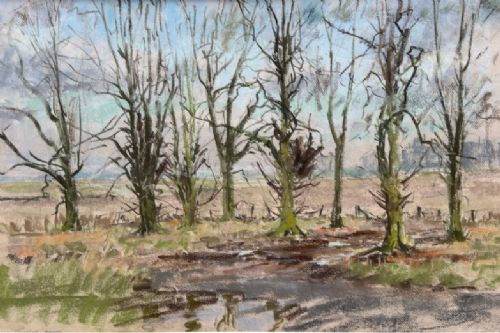
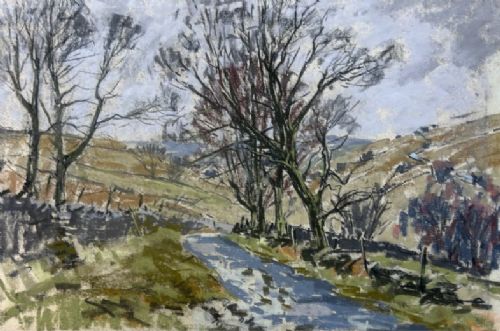
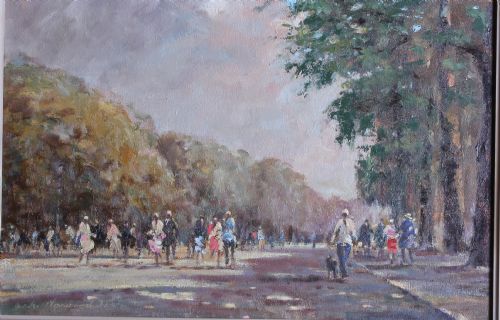
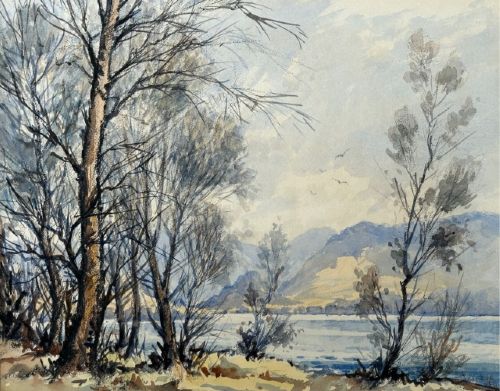
When you search for antique tree painting framed, you uncover historical landscape works capturing woodlands, orchards, and riverside willows preserved behind glass or within period surrounds.
Antique Tree Painting Framed
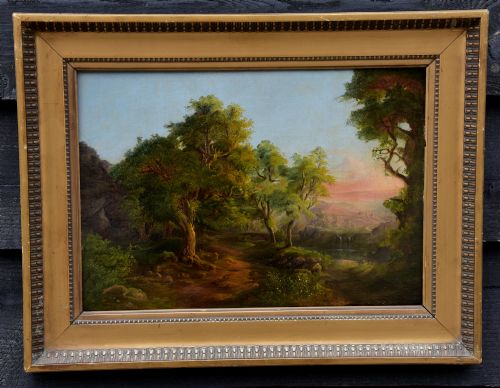
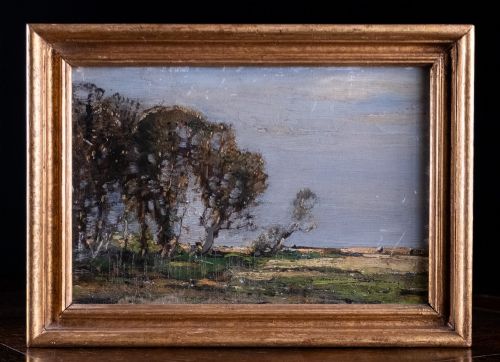
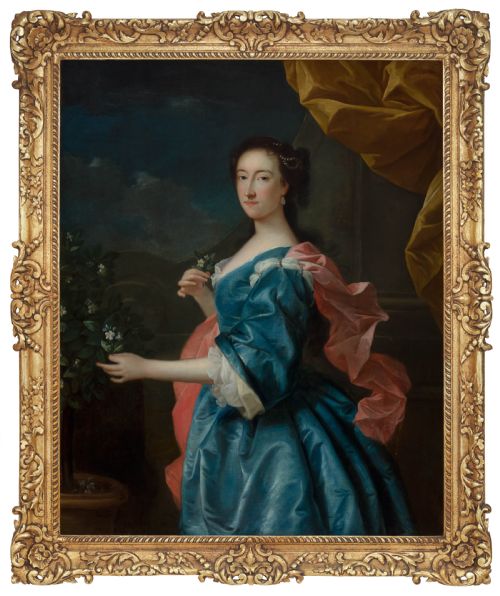
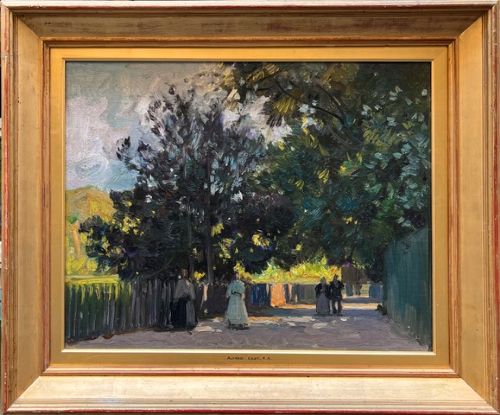
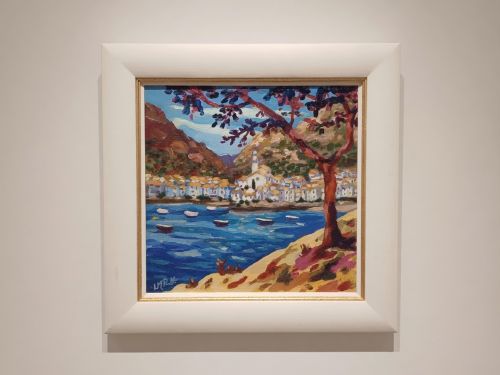
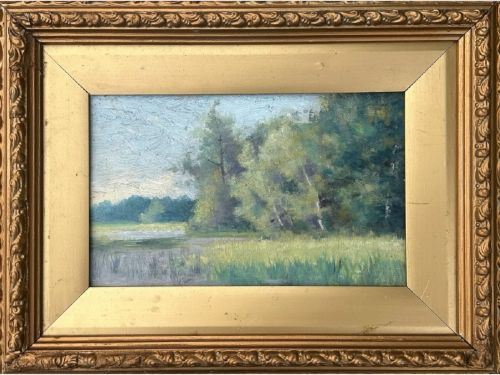
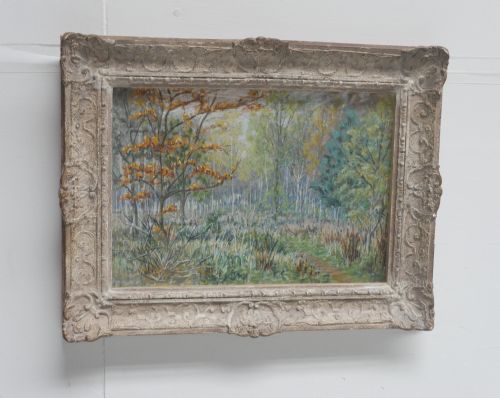
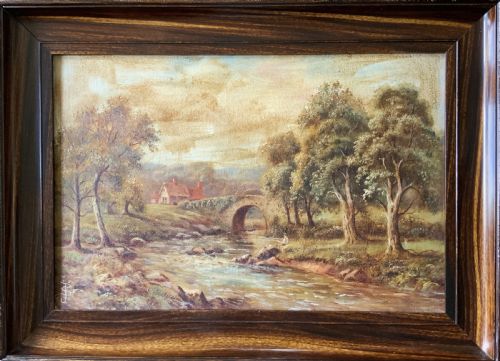
When searching for antique tree painting framed, you encounter depictions of woodlands, river paths, orchards, and individual specimens such as willows or orange trees. These works record natural settings through the eyes of various historical movements, ranging from Victorian realism to British Impressionism and Post-Impressionism.
The most common examples on this page span the late nineteenth century and the early decades of the twentieth century. Painters utilised canvas, board, and paper to render foliage, bark, and branching structures across British, European, and occasionally Orientalist landscapes.
Framing forms an integral part of these pieces, often utilising gilt timber or period mouldings that complement the painterly interpretation of the natural world. Buyers select these works to bring established historical depth and botanical subject matter into domestic spaces.
Materials and Technique
Artists relied primarily on oil paint and watercolour, applying pigment to stretched canvas, wooden panels, heavy paper, or board supports. Oil applications vary from thin, smooth glazes to heavy impasto that builds the texture of tree trunks and dense canopies.
Watercolour works frequently employ wash techniques on paper or board, sometimes combined with gouache or pastel to capture the soft light filtering through branches. Supports are housed within protective frames constructed from wood, frequently finished with gilt decoration or simpler moulded profiles.
Antique Tree Painting Framed Retail Price Guide 2026
Typical asking prices for tree painting framed among the pieces listed under this phrase on Sellingantiques today, from the lower quarter to the upper quarter. They describe what is for sale here now, not the wider market.
The selection spans multiple decades from the nineteenth century through to the mid-twentieth century.
Assessing Quality
Quality rests upon the artist's ability to render light, shadow, and depth within foliage rather than the mere recording of botanical details. Superior pieces demonstrate confident brushwork and a coherent atmospheric perspective that places the viewer within the woodland or orchard setting.
The harmony between the artwork and its frame also dictates overall standard, as period-appropriate surrounds enhance the visual impact of the composition. Better examples exhibit a sophisticated palette and assured handling of form, whether capturing a windswept willow or an autumnal path.
Jeremiah Davison·Kershaw Schofield·Sydney Yates Johnson·Henri Joseph Harpignies·Berthe des Clayes
The Antique Tree Painting Framed Glossary
- Oil on canvas
- Pigment suspended in drying oil applied to a woven fabric stretched across a wooden stretcher. This combination provides a resilient surface favoured by landscape painters for blending tones.
- Watercolour
- A paint consisting of colour pigments suspended in a water-soluble vehicle, typically applied to paper. It allows for luminous, transparent washes of light and colour.
- Impressionism
- A nineteenth-century art movement characterised by relatively small, thin, yet visible brush strokes and an emphasis on accurate depiction of light. Artists applied these principles to capture transient effects in natural woodland settings.
- Gilt frame
- A wooden structure decorated with gold leaf or metallic gilt powder. These surrounds protect the edges of the canvas or paper while adding reflective warmth to the presentation.
- Board
- A rigid flat support made of wood or pressed pulp used by artists in place of canvas. It offers a firm, stable surface for direct painting en plein air.
Antique Tree Painting Framed: Frequently Asked Questions
How do I care for an antique oil painting?
Keep the canvas away from direct sunlight and fluctuating temperatures to prevent the paint layer from cracking or drying out prematurely.
Dust the surface gently with a soft, dry brush and avoid using chemical cleaning agents or water on the exposed pigment.
Are these paintings supplied with their original frames?
Many pieces retain their period wooden or gilt frames, which have protected the artwork for over a century.
Some frames show signs of age or restoration, reflecting their long history alongside the canvas or paper they enclose.
What subjects appear most frequently in these landscapes?
Woodland paths, riverside willows, orchards, and rural country lanes dominate the compositions across various historical periods.
Artists frequently focused on seasonal changes, capturing blossoming spring trees or bare winter branches against rural backgrounds.
How can I distinguish between a watercolour and an oil painting?
Watercolours are painted on paper or board and typically displayed behind glass to protect the delicate pigment from moisture and dust.
Oil paintings use thicker, textured pigments on canvas or wooden panels and remain unglazed to let the brushwork texture show.