




Antique Travel Vanity
These antique travel vanity pieces are fitted portable cases built to hold grooming gear, jewels, and documents on the road.
Antique Travel Vanity
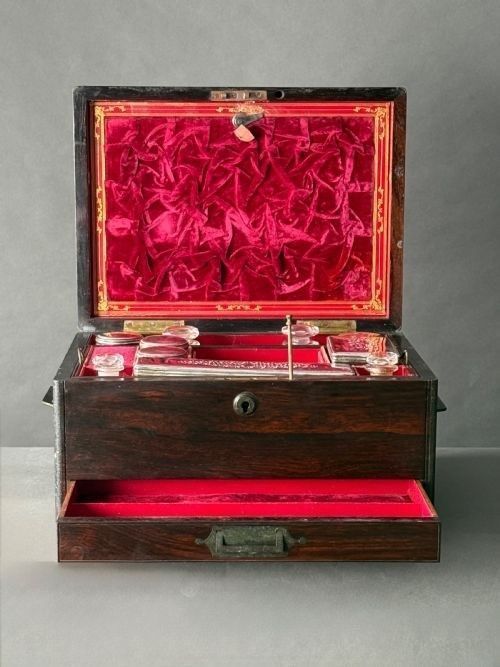
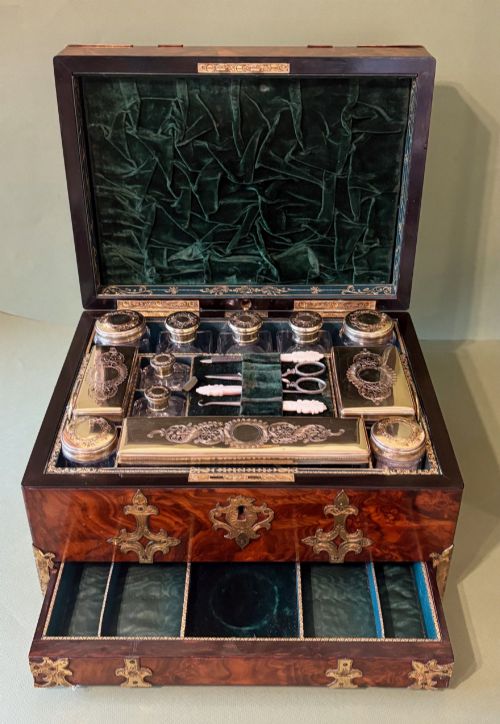
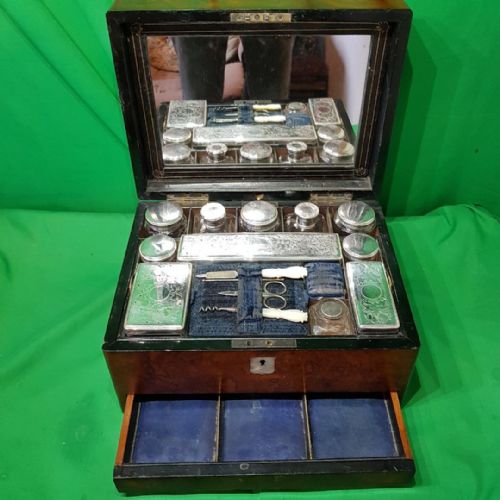
An antique travel vanity encompasses portable dressing boxes, campaign kits, fitted suitcases, and specialised cases designed for grooming and personal care while away from home. These items emerge primarily from the Georgian, Victorian, Edwardian, and Art Deco periods, spanning the eighteenth, nineteenth, and early twentieth centuries.
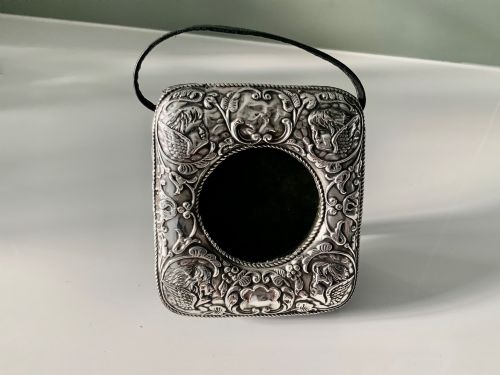
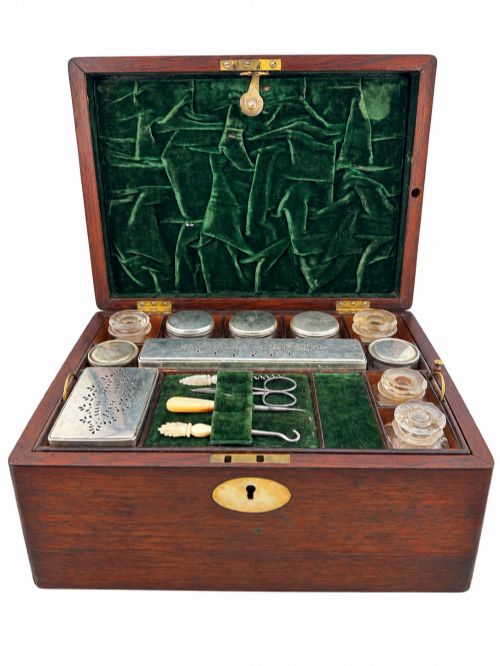
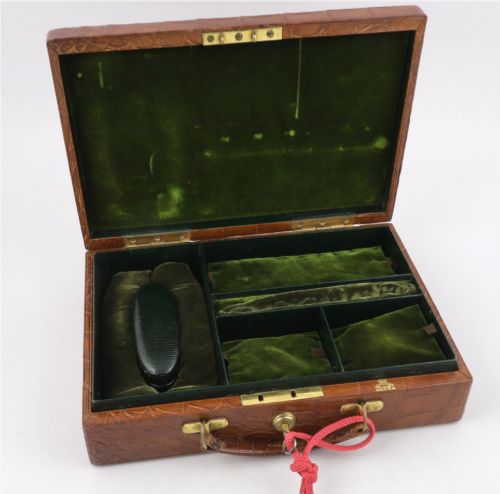
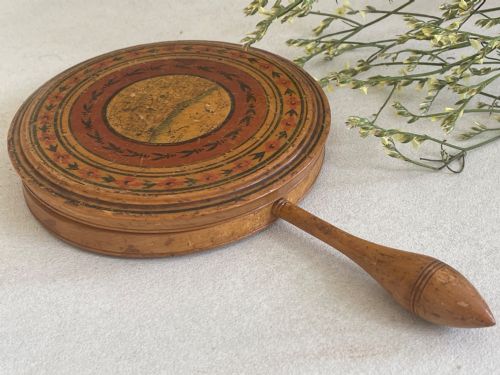
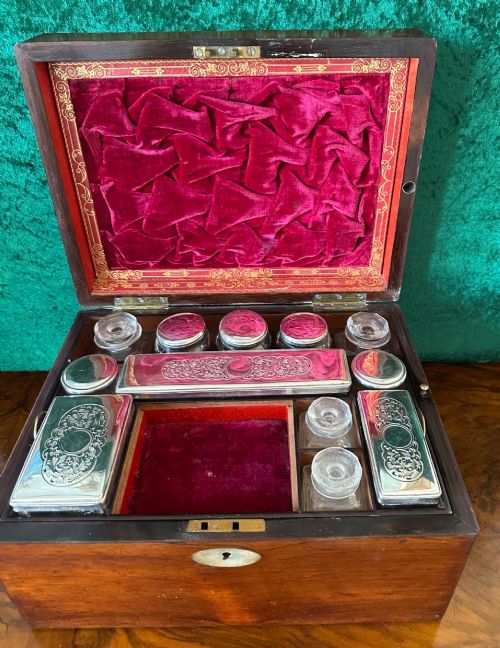
The most common forms on this page include fitted wooden dressing boxes lined in velvet, leather suitcases equipped with silver and glass bottles, and portable campaign mirrors. Originating from British workshops, French makers, and international sources such as Qing Dynasty China or Sorrento, these pieces reflect the travel habits of past centuries.
Buyers seek these objects for their intricate internal engineering, secret compartments, and combination of fine cabinetmaking with utilitarian function. Each box provides a glimpse into historical routines of personal maintenance during transit by coach, train, or steamship.
How They Were Made
Cabinetmakers constructed the primary carcases of these boxes using dense timbers like mahogany, rosewood, burr walnut, and coromandel, often reinforcing the corners with brass banding and corner plates to withstand the rigours of travel. Interiors were fitted with precision to house glass scent bottles, silver-gilt lids, and manicuring tools securely during movement.
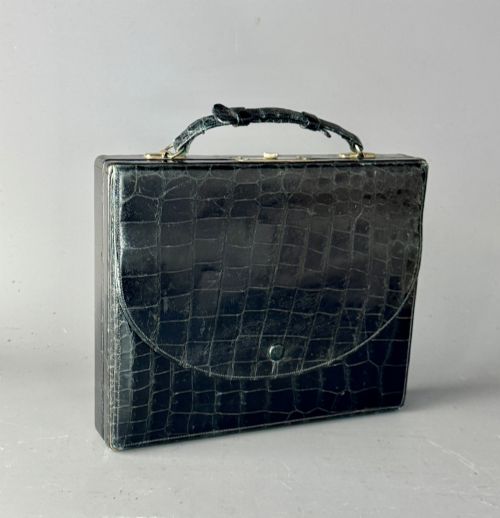
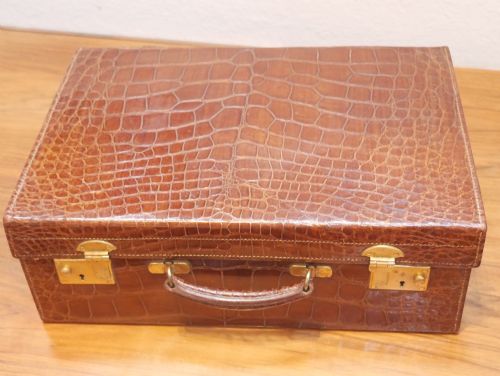
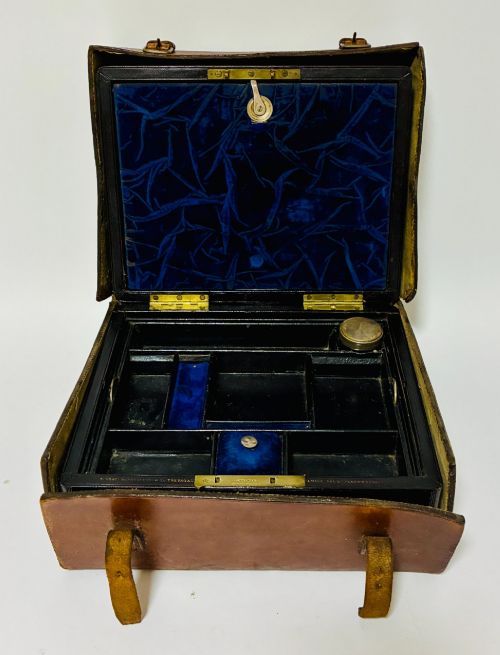
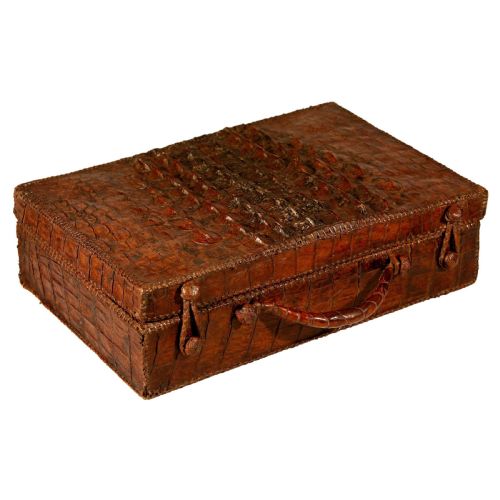
Exterior coverings relied on durable leathers, vellum, and crocodile leather stitched or glued over rigid foundations, complemented by lock mechanisms forged from brass or steel. Glass components typically feature cut crystal details, while internal trays utilise velvet linings and silk or leather pockets.
Antique Travel Vanity Retail Price Guide 2026
Typical asking prices for travel vanity among the pieces listed under this phrase on Sellingantiques today, from the lower quarter to the upper quarter. They describe what is for sale here now, not the wider market.
The inventory records portable campaign mirrors and shaving kits originating from British, French, and Chinese workshops across three centuries.
What Varies in Quality
The distinction between ordinary and exceptional pieces rests upon the integrity of the fitted interior and the completeness of its original contents. Top-tier examples retain matching sets of hallmarked silver bottle tops, unblemished cut glass, and functioning locks with their original keys.
Craftsmanship in the secondary woods and hidden mechanisms also dictates rank, where superior boxes feature secret drawers operated by concealed spring releases and flawless grain matching across the burr walnut or coromandel surfaces.
F. West·J C Vickery·Jane Brownett Alexander Jones·Drew & Sons·John Pound·Harrods·Dunhill London·Asprey
The Antique Travel Vanity Glossary
- Campaign case
- A portable box, chest, or mirror designed for military officers or travellers, typically featuring brass flush handles and reinforced corners for easy transport. These items break down or fold compactly for journeys.
- Dressing box
- A fitted container housing compartments for cosmetics, brushes, mirrors, and jewellery, often incorporating a folding writing slope or secret drawers. They sit on dressing tables or travel inside larger luggage trunks.
- Tunbridge ware
- Woodware decorated with tiny mosaic tiles assembled from different coloured woods to form geometric or pictorial patterns. This decorative technique appears on boxes and small travel accessories.
- Guilloche enamel
- A decorative metal technique where a precise, intricate pattern is mechanically engraved beneath a translucent layer of coloured enamel. It frequently adorns the lids of travel clocks and pocket watch cases.
- Coromandel
- A heavy, durable timber imported from Asia with dark brown colouration and striking contrasting streaks. Cabinetmakers utilised this exotic wood for high-end Victorian dressing cases.
Antique Travel Vanity: Frequently Asked Questions
How were travel boxes used?
Travellers packed these boxes with glass scent bottles, shaving gear, hairbrushes, and small valuables before setting off by coach, train, or ship. The fitted interiors kept fragile items secure while moving between destinations.
Many boxes included lift-out trays and hidden compartments for private letters or currency. Upon arrival at an inn or country house, the box opened to function as a mobile dressing table.
How do I date a travel vanity?
Dating relies on examining the materials, lock stamps, cabinet style, and any silver hallmarks present on the internal bottles and fittings. Georgian pieces often feature simpler mahogany or rosewood exteriors with brass stringing.
Victorian and Edwardian versions frequently incorporate complex folding mechanisms, burr walnut veneers, or exotic leathers like crocodile. Maker marks stamped into the leather or brass hardware also provide precise historical markers.
How do I care for leather cases?
Leather and crocodile vanity cases require stable indoor humidity and protection from direct sunlight to prevent the hide from drying out or cracking. Periodic dusting with a soft, dry cloth keeps the surface clean without damaging the historic finish.
Internal velvet linings should be kept free of moisture to protect against mould and fabric degradation. Natural leather balms can be applied sparingly by professionals to maintain flexibility.