

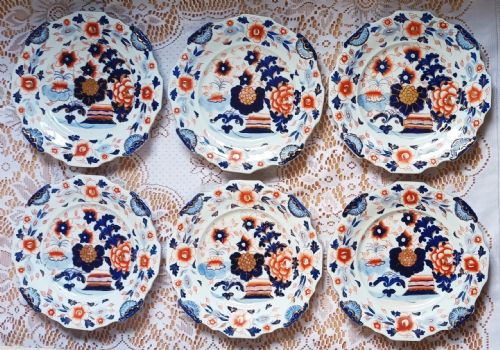


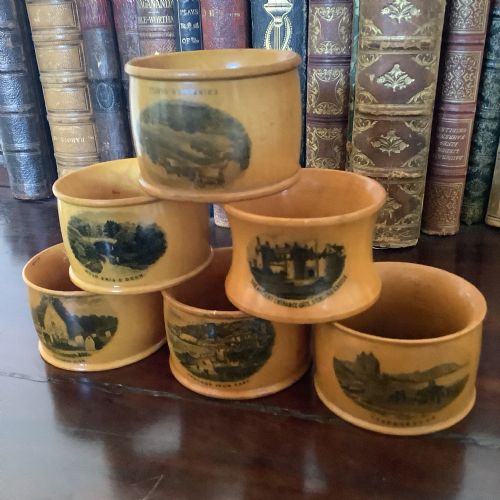


Antique Transferware Set
An antique transferware set brings patterned earthenware to the table, offering printed scenes developed in eras from Georgian to Edwardian.
Antique Transferware Set
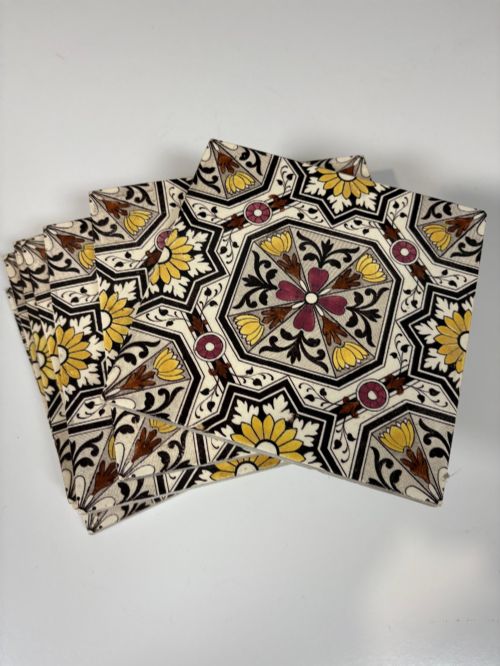
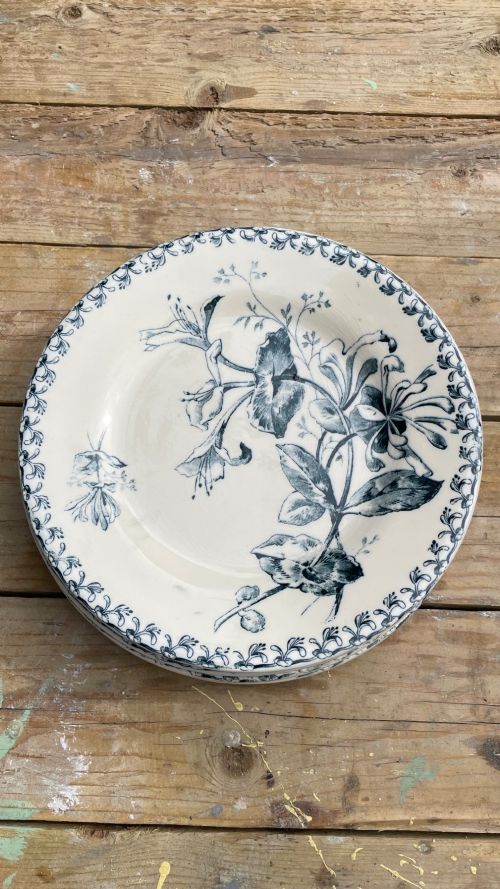
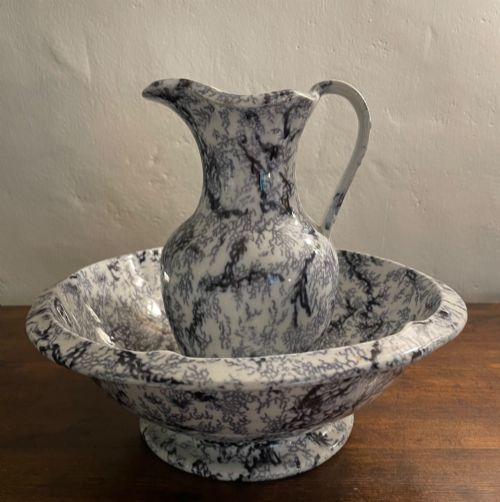
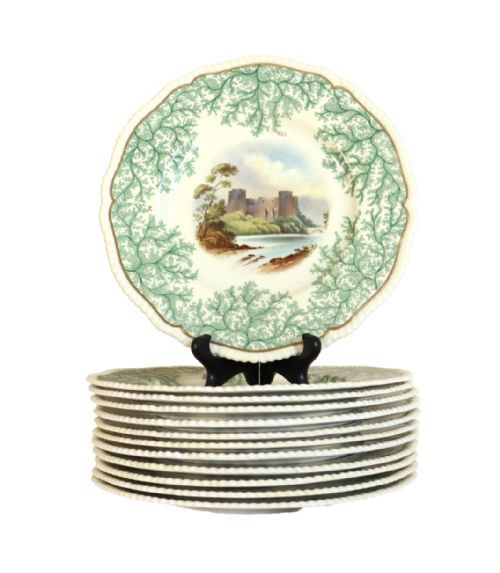
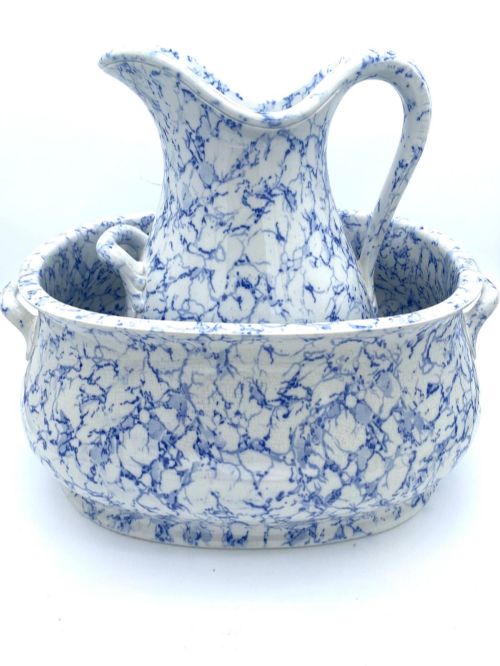
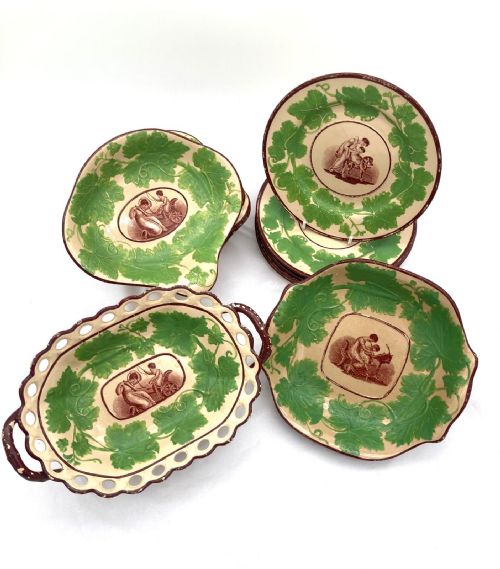
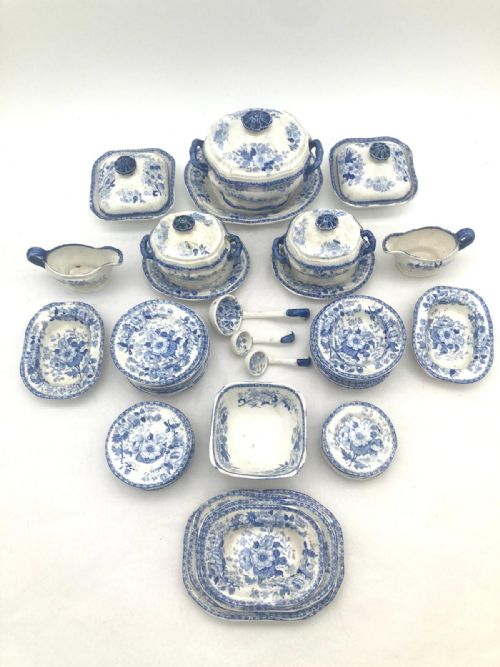
An antique transferware set comprises coordinated ceramic items featuring printed designs transferred from engraved copper plates to earthenware, pearlware, or ironstone. These groupings range from large dinner services and dessert services to smaller wash sets, child's sets, and tea bowls with saucers.
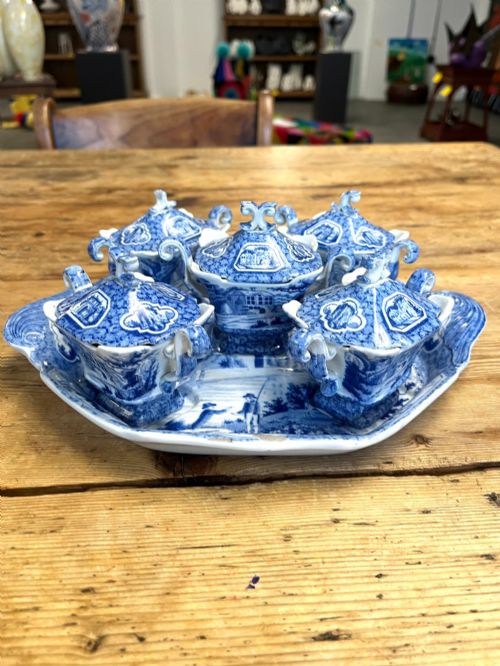
Buyers encountering this page will frequently see Victorian and 19th-century examples, alongside pieces dating back through the Georgian and Regency periods. These sets appear in various configurations, including plates, platters, jugs, basins, and supper tureens adorned with pictorial patterns like the willow pattern or Japanese-inspired motifs.
The origin of these sets spans notable English potteries and factories, reflecting domestic dining and washing habits of the nineteenth century. Whether comprising a full dinner service or a smaller nursery set, each arrangement demonstrates the era's industrial printing capabilities.
Materials and production
Potters formed the body using ceramic materials such as earthenware, ironstone, and pearlware, applying a glaze to seal the porous clay surface. Some pieces received additional hand-painting over the glaze or touches of enamel and gilt to heighten the visual impact of the printed designs.
The transfer printing technique required an engraved copper plate to take up cobalt blue or other coloured pigments, which were then transferred to tissue paper and rubbed onto the unglazed or bisque ceramic body. Following this transfer, the pieces were fired in a kiln to set the pattern permanently beneath the protective glaze.
Antique Transferware Set Retail Price Guide 2026
Typical asking prices for transferware set among the pieces listed under this phrase on Sellingantiques today, from the lower quarter to the upper quarter. They describe what is for sale here now, not the wider market.
Listings feature earthenware, ironstone, and pearlware ceramics decorated with transfer printing across the 18th, 19th, and early 20th centuries.
Assessing quality
Quality in these sets depends upon the crispness of the transfer print and the uniformity of the glaze across each vessel. Pieces that maintain sharp lines in complex pictorial scenes without smudging or blurring represent finer production standards.
The completeness of a service and the matching consistency of the ceramic body and colour tone across all component parts elevate the standing of the group. Makers who employed superior ironstone or pearlware bodies achieved a more durable and refined result.
Spode·Minton·Wedgwood·Sewell·Elkin & Newbon
The Antique Transferware Set Glossary
- Transferware
- Earthenware or ironstone decorated by transferring a printed design from an engraved metal plate onto the ceramic surface using paper. This method allowed for intricate pictorial scenes to be replicated consistently across multiple plates and vessels.
- Flow blue
- A style of cobalt blue transfer printing where the colour deliberately bled into the surrounding white glaze during the kiln firing. This created a soft, hazy outline around the printed subject.
- Ironstone
- A heavy, durable type of feldspathic earthenware patented in the early nineteenth century. It provided a strong ceramic body that resisted chipping during daily use.
- Pearlware
- A refined earthenware developed in the late eighteenth century featuring a bluish-white glaze that pooled in crevices. It served as a precursor to later white earthenwares.
- Chinoiserie
- A decorative European style imitating Chinese artistic motifs and landscapes. It frequently appeared on nineteenth-century ceramic services in blue and white transfer.
Antique Transferware Set: Frequently Asked Questions
What pieces belong in a transferware set?
A transferware set can include matching dinner plates, dessert plates, tea bowls, and larger serving pieces like platters and tureens. Some groupings also comprise toilet services with jugs and basins for washing.
These collections vary from small child's sets to extensive dinner services numbering dozens of individual components designed for formal dining or household use.
How do I care for antique transferware?
These ceramic pieces require gentle hand washing in warm water with mild soap rather than mechanical dishwashing. Avoiding harsh detergents protects the delicate glaze and any secondary enamel or gilt highlights.
Storing plates with felt dividers prevents surface scratching and preserves the integrity of the nineteenth-century ceramic bodies during handling.
How are different periods identified?
Dating relies on ceramic body composition, such as the transition from pearlware to ironstone, alongside maker marks stamped or printed on the underside. Stylistic cues in the transfer prints, from Georgian botanical motifs to Victorian scenic patterns, also indicate the era of manufacture.
Comparing the manufacturing technique and glaze characteristics helps narrow the timeframe to specific decades within the nineteenth century.
Were these sets used daily?
Many nineteenth-century transferware services served practical functions in domestic dining rooms, kitchens, and bedrooms. Dinner services and wash sets saw regular household employment before surviving into the antique market.
Smaller child's services and specialised custard sets were typically intended for nursery use or occasional dining, accounting for their varied survival rates.