


Antique Traditional Rug
When you search for an antique traditional rug, you enter a world of woven floor coverings originating from Persian, Caucasian, Anatolian, and Chinese workshops.
Antique Traditional Rug
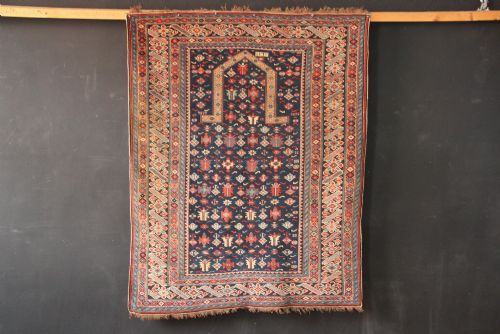
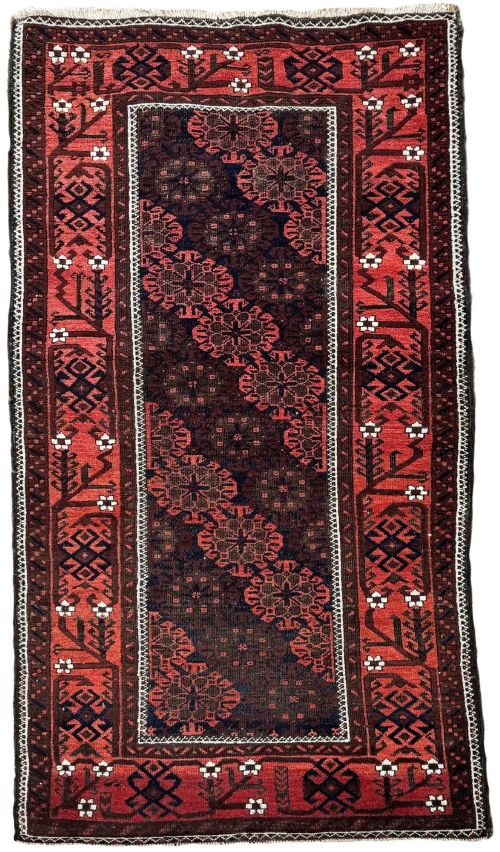
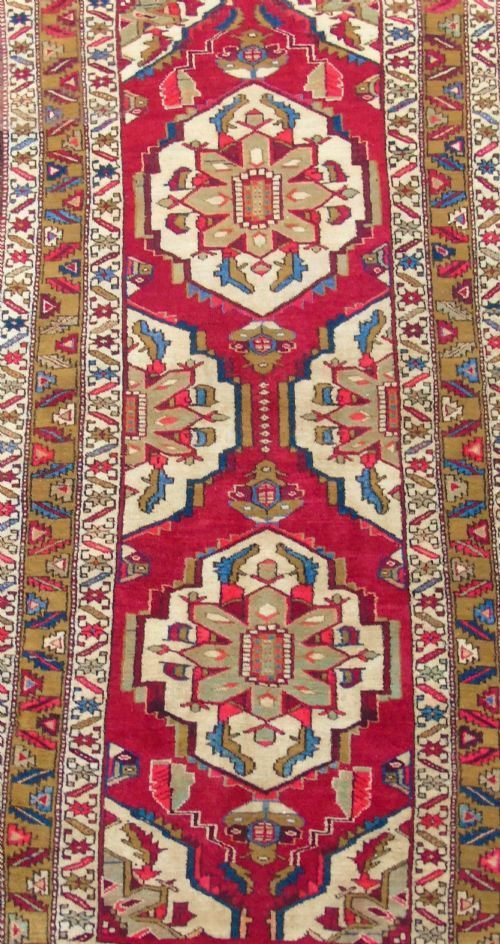
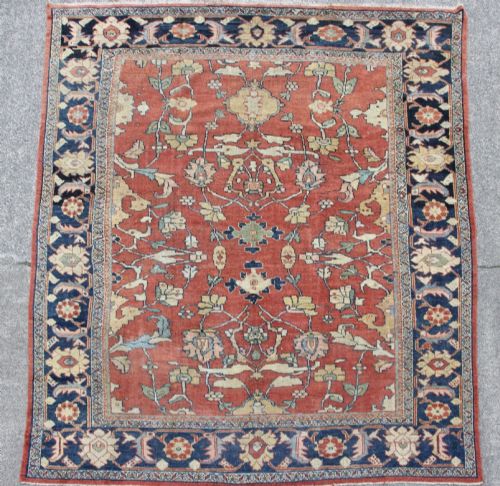
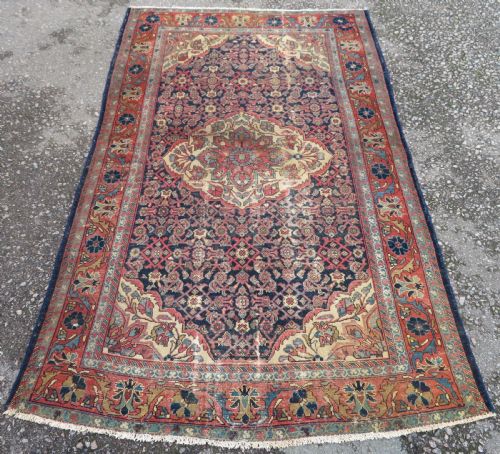
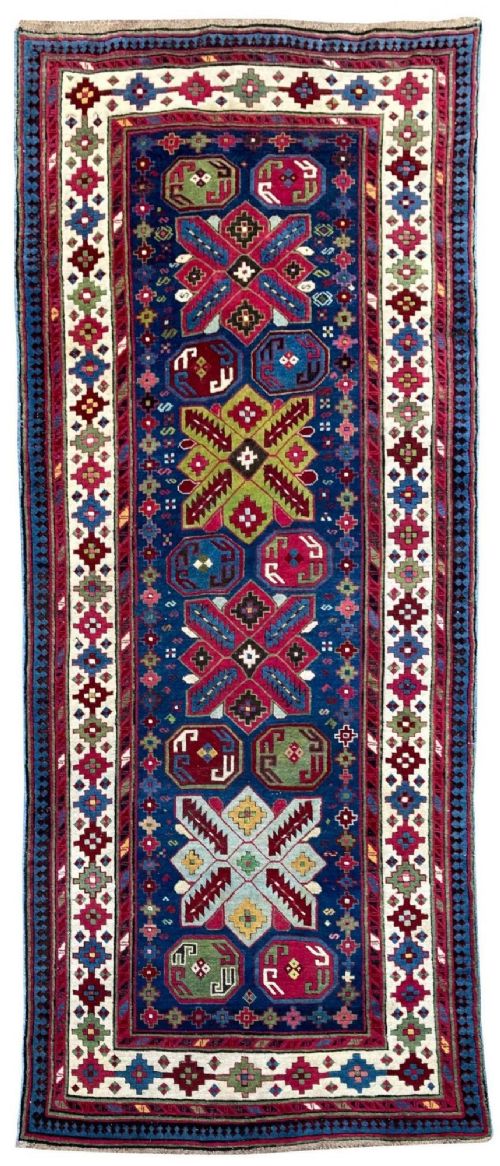
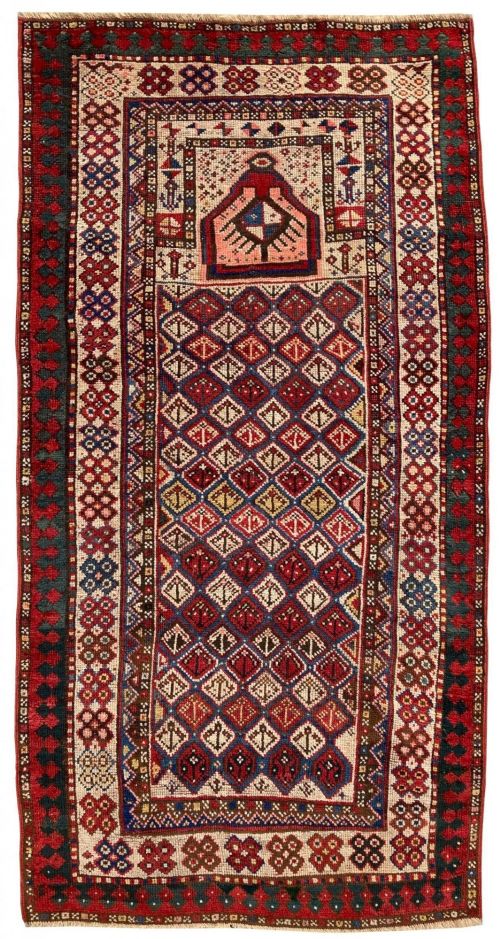
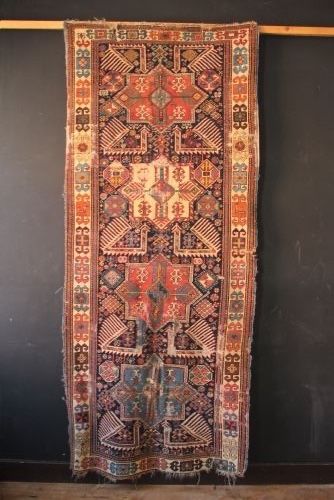
An antique traditional rug encompasses regional woven textiles spanning from the nineteenth century into the early twentieth century. Buyers seeking this category encounter diverse formats ranging from small prayer rugs and long runners to substantial carpets suitable for country houses.
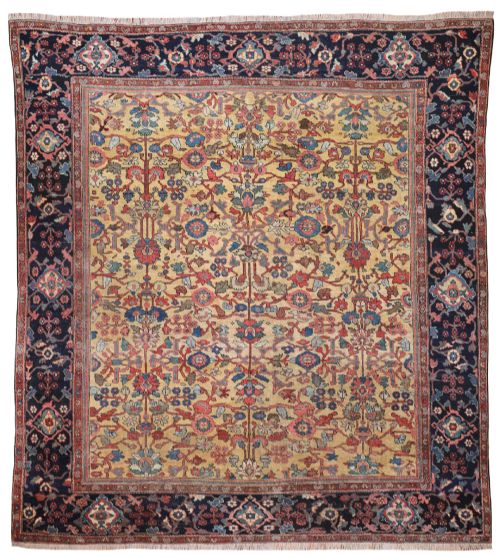
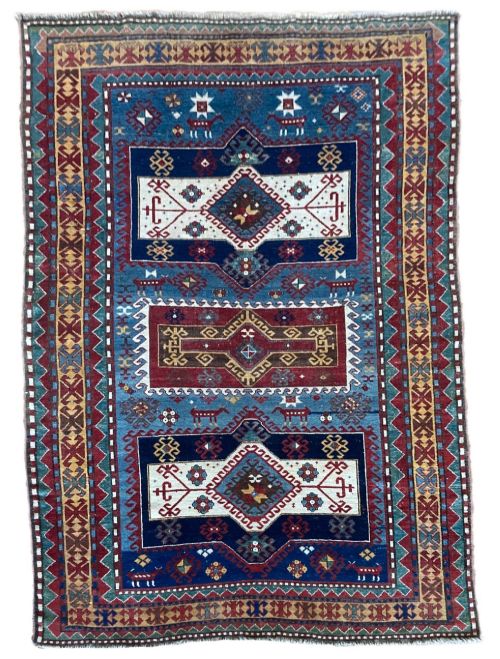
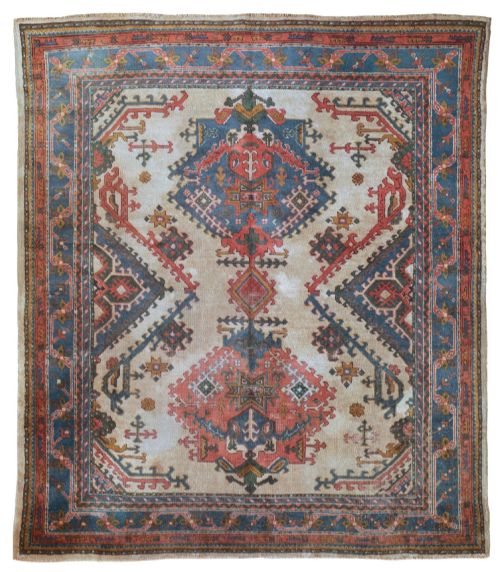
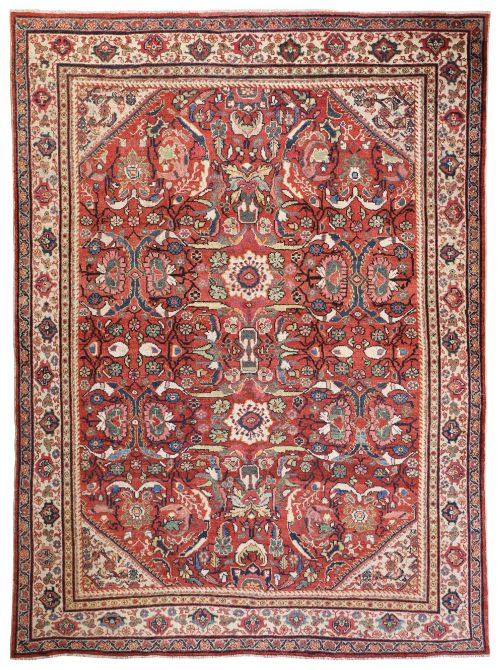
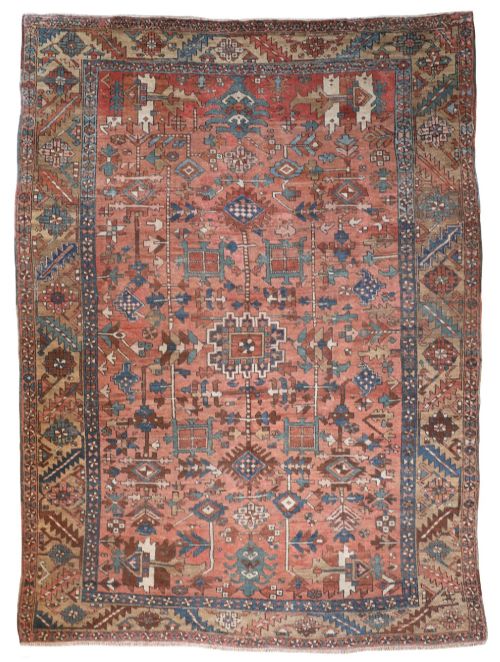
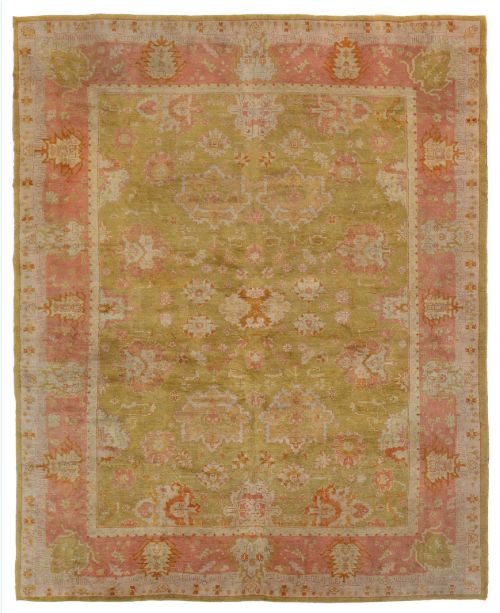
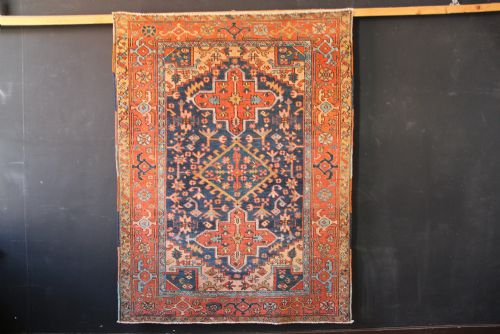
The selection primarily reflects Persian, Caucasian, and Anatolian traditions, alongside examples from Turkmenistan, Tibet, and China. Tribal pieces such as Baluch, Khamseh, and Kazak sit alongside city-woven Heriz, Tabriz, and Kashan carpets.
Formats vary significantly in scale, including square proportions, elongated runners, and large room-size carpets. The designs incorporate geometric medallions, prayer mihrabs, and intricate floral motifs peculiar to their specific regions of manufacture.
Materials and construction
The physical structure relies predominantly on wool, cotton, and silk, with many older village and tribal examples utilising hand-spun wool for the pile. Foundations generally employ cotton or wool warps and wefts to support the knotted or flatwoven surfaces.
Weavers constructed these pieces using traditional hand-knotting techniques or flatweave methods such as kilim and Soumak construction. Natural dyes yielded the rich palettes seen across Caucasian Kazaks, Persian Heriz carpets, and Anatolian prayer rugs.
Antique Traditional Rug Retail Price Guide 2026
Typical asking prices for traditional rug among the pieces listed under this phrase on Sellingantiques today, from the lower quarter to the upper quarter. They describe what is for sale here now, not the wider market.
Listings span periods from the mid-nineteenth century through the 1930s, incorporating wool, cotton, and silk across Persian, Caucasian, and Anatolian styles.
Distinctions in quality
Quality rests upon the fineness of the knot density, the integrity of the foundation, and the purity of the dyestuffs utilised in the wool or silk pile. Superior examples maintain structural stability and crispness of design, whereas lesser pieces show heavy wear to the foundation or imprecise execution.
The sophistication of the tribal or city design and the scarcity of particular ground colours, such as white or specific greens, separate ordinary production from exceptional historical weaving. Retaining original borders and uncompromised dimensions elevates the standing of any carpet.
The Antique Traditional Rug Glossary
- Mihrab
- The arched niche design found on prayer rugs, symbolising a doorway to paradise. This motif directs the orientation of the textile during daily devotions.
- Soumak
- A flatweaving technique producing a durable rug without a cut pile. The technique creates a braided surface texture on the face and loose threads on the reverse.
- Kazak
- A style of geometric rug originating from the Caucasus region. These pieces are recognised by bold primary colours and strong rectilinear medallions.
- Kilim
- A flatwoven carpet or rug made without a pile. These versatile textiles rely on tightly packed slit-weave construction to form sharp geometric patterns.
- Heriz
- A durable Persian carpet type originating from the Northwest region. They typically display large geometric central medallions and robust corner spandrels.
Antique Traditional Rug: Frequently Asked Questions
How do I identify a Kazak rug?
Kazak rugs originate from the Caucasus and are easily identified by their bold geometric motifs, primary colours like red and blue, and sturdy wool construction.
They often feature stylized animal or human figures alongside large octagons or hooked polygons within the field.
What is a prayer rug?
A prayer rug is a smaller format textile featuring a distinctive architectural arch known as a mihrab at one end. Historically, these pieces were used for personal daily devotion.
The design directs the user on how to orient the textile towards Mecca during prayer.
Where were Heriz carpets made?
Heriz carpets were woven in the Northwest region of Persia, specifically around the town of Heriz and surrounding villages. These large formats were built to withstand heavy domestic use.
Their robust structure relies on sturdy cotton foundations and resilient wool piles.
How do I care for an antique rug?
Protect an antique rug by placing a breathable rug pad underneath to prevent slipping and reduce friction against the floorboards. Vacuum gently using suction only, avoiding the rotating brushes of a modern vacuum cleaner.
Rotate the textile periodically to ensure even exposure to foot traffic and sunlight.