






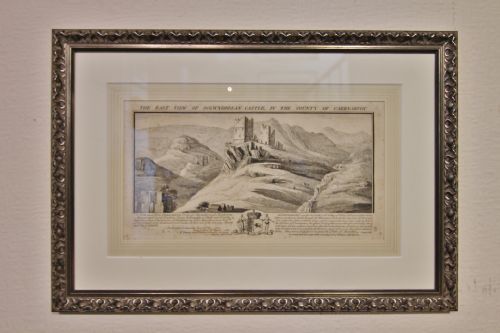


Antique Topographical View
An antique topographical view records specific cities, rivers and castles on paper, canvas or ceramic, offering a direct window into past landscapes.
Antique Topographical View
An antique topographical view depicts a recognisable real-world location, ranging from cityscapes and river prospects to specific buildings and coastal fortifications. These works document locations across Britain and Europe, capturing landmarks such as Nottingham Castle, Eton College, the River Thames and continental mountain ranges.
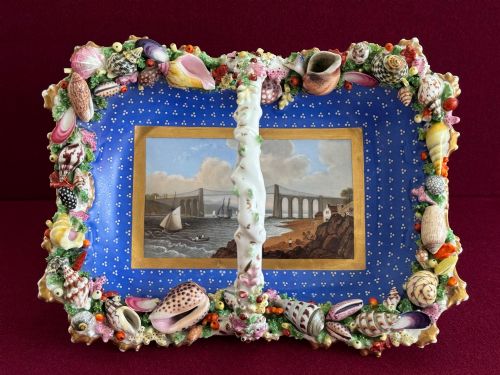
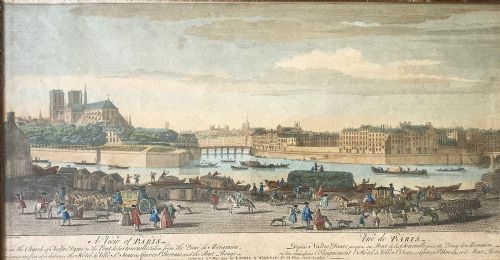
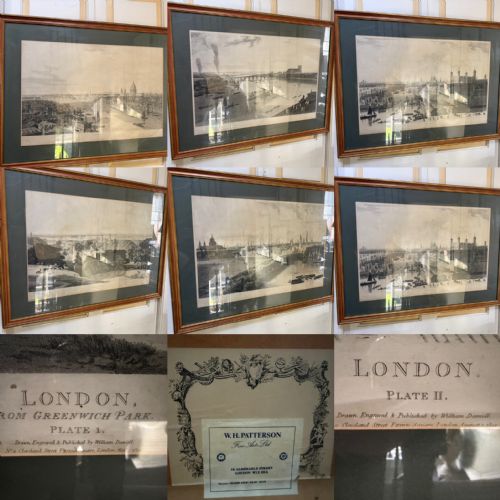
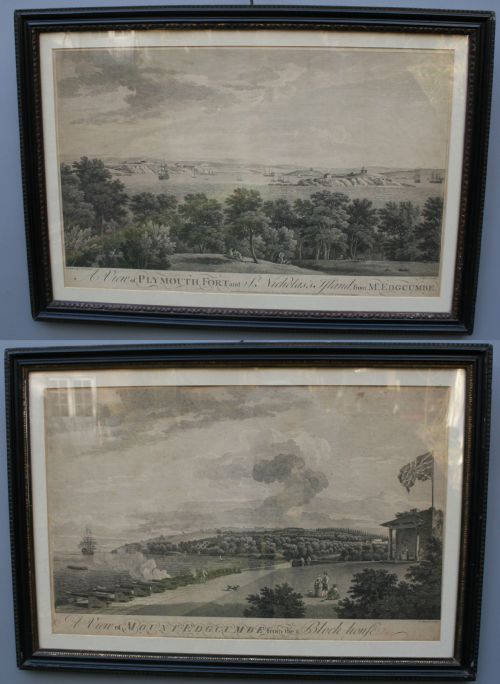
The selections on this page appear in various portable and displayable forms, including framed watercolours, oil paintings, engravings, lithographs, monochrome photographs and decorated porcelain baskets. Such pieces span several periods from the eighteenth century through the Victorian era into the early twentieth century.
Buyers encounter everything from individual hand-coloured aquatints and detailed pencil or ink studies to sets of prints showing series of landmarks. These items served historically as souvenirs of travel, records of civic pride or educational wall art for domestic interiors.
How they were made
Makers produced these works using paper, watercolour pigment, oil on canvas or board, and printing inks, often applying original hand-colouring over engraved lines. Engravers and lithographers pressed metal plates or stones onto paper sheets, while painters applied washes of pigment by hand.
Some items combine painting with decorative framing in wood and gold leaf or gilt wood, while others appear as hand-painted ceramic surfaces on porcelain baskets. Artisans mounted prints and photographs behind glass within protective wooden frames to preserve the fragile paper surfaces.
Listings feature works created across the eighteenth, nineteenth and twentieth centuries, using paper, canvas, glass, wood and ceramic.
What varies in quality
Quality depends on the precision of the draughtsmanship and the clarity of the architectural or geographical detail rendered by the artist or engraver. Finer examples display meticulous brushwork, careful perspective and expert handling of light, particularly in works attributed to accomplished hands or identified schools.
The vibrancy and preservation of the original pigments, hand-colouring or printing ink also determine the visual impact of the piece. Superior items retain their crisp paper textures, clean margins and stable framing without excessive fading or discoloration.
Thomas Cooper Moore·Joseph Farrington·Joseph Constantime Stadler·Chamberlain Worcester·William A. Macdonald·Peter Tillemans·Joseph William Carey·William Marlow
The Antique Topographical View Glossary
- Aquatint
- A printmaking technique that produces areas of tone resembling watercolour washes. It allowed printmakers to create subtle gradations of light and shade behind etched outlines.
- Lithograph
- A planographic printing method using a flat stone or metal plate. Artists drew directly onto the surface with a greasy medium to transfer ink onto paper.
- Prospect
- A comprehensive view or panoramic outlook of a landscape, town or estate. These compositions typically offer a wide perspective from an elevated vantage point.
- Gilt wood
- Wood coated with a thin layer of gold leaf or gold paint. This finish commonly appears on decorative picture frames surrounding prints and paintings.
Antique Topographical View: Frequently Asked Questions
What is an antique topographical view?
An antique topographical view is a historical artwork, print or photograph that depicts a specific real place, such as a named castle, bridge, river or city. These pieces document actual geography and architecture from past centuries rather than imaginary scenes.
They were produced in various media including watercolour, oil, engraving and lithography. Collectors value them for their historical record of how towns and countryside appeared long ago.
How were these views used originally?
Historically, people displayed these framed works on domestic walls as decoration or collected them in portfolios following travels such as the Grand Tour. They served as records of civic pride, personal journeys or familiar local landmarks.
Printed series also appeared in books or as standalone sets for educational and observational purposes. Porcelain items like painted baskets combined utility with scenic decoration for the dining table or drawing room.
How do I care for antique paper views?
Protect works on paper from direct sunlight to prevent the watercolour pigments and printed inks from fading over time. Keep them in stable indoor environments away from excessive moisture and humidity.
When hanging framed pieces, ensure the backing and glass remain secure to protect the delicate paper surface from dust and atmospheric pollutants. Professional framing with acid-free materials helps preserve the paper over the long term.
How can I tell the period of a view?
Dating often relies on the printing technique, paper type, framing style and any inscribed dates or signatures on the piece. Hand-coloured engravings and aquatints frequently point to eighteenth or early nineteenth-century production.
Clothing styles of figures in the foreground, architectural additions to buildings and photographic processes like monochrome prints also provide clear clues to the era. Reference signatures or attribution to known artists help confirm the historical timeframe.