



Sepia Tone Painting
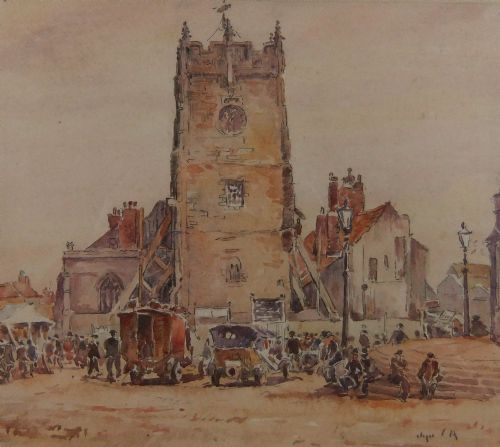
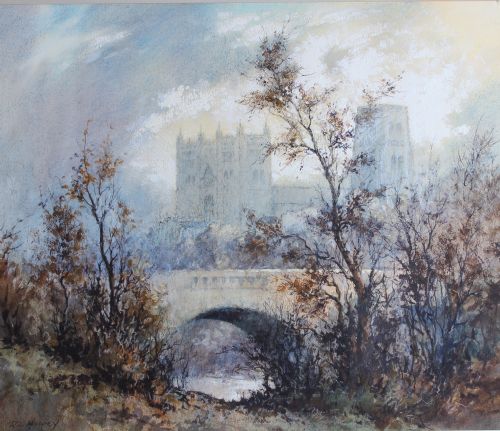
A sepia tone painting brings the quiet, monochromatic warmth of historical monochrome ink and watercolour to your walls.
Sepia Tone Painting
When you search for a sepia tone painting, you encounter works executed in restrained, single-colour palettes spanning the eighteenth, nineteenth and twentieth centuries. These pieces encompass landscapes, townscapes, portraits and marine subjects produced across various historical periods.
The selection on this page relies heavily on watercolours, monochrome inks and reverse glass techniques. You will regularly find works originating from the Georgian, Victorian and Edwardian eras, alongside mid-century British examples.
The forms vary from intimate framed prints and drawings to more substantial watercolour paintings and oil compositions. Each piece captures a specific historic place or subject through tonal gradation rather than bright polychromatic colour.
Materials and techniques
Artists created these works primarily using paper, watercolour pigment and monochrome ink, often working over initial pencil underdrawings. The application of transparent washes allowed creators to build depth and shadow using a restricted tonal range.
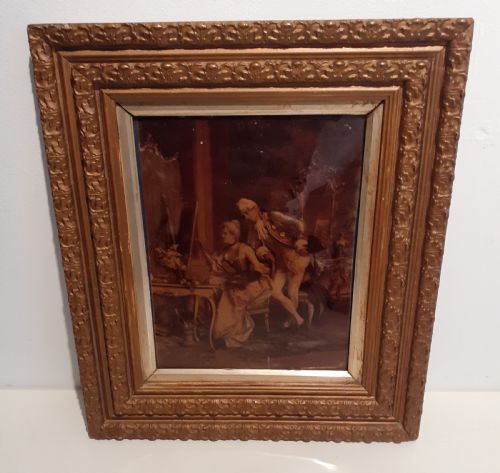
Alternative methods documented in the listings include reverse painting on glass and mezzotints. These specialist techniques required meticulous handwork, applying pigments directly to glass plates or working metal printing plates to achieve rich monochrome tones.
Listings feature works executed on paper, wood and glass, utilising watercolour, ink, pencil and oil paint across eight distinct periods.
What separates the finest examples
Quality in these works rests upon the surety of the draughtsmanship and the control of tone across the monochrome palette. An accomplished hand achieves atmospheric depth and architectural clarity without relying on a full spectrum of colour.
The integration of the medium with its support, whether absorbent paper or smooth glass, determines the longevity and visual impact of the piece. Superior examples demonstrate a confident economy of line and a harmonious balance between light and shadow.
John Smith Atherton·Robert Leslie Howey·Charles James Lauder·Tom Dudley·Dame Laura Knight·Fred Lawson·John Thirtle
The Sepia Tone Painting Glossary
- Monochrome
- Executed in a single colour or shades of a single colour. This term describes works relying on tonal variation rather than varied hues.
- Watercolour
- A painting method in which the paints are made of pigments suspended in a water-based solution. Artists applied these onto paper to achieve translucent washes.
- Reverse glass painting
- An art form where the artist paints or draws on the reverse side of a piece of glass, viewed from the front. This technique produces a glossy, preserved finish.
- Mezzotint
- A printmaking process of the intaglio family, done from a metal plate. It was the first printmaking method that could yield half-tints without using line or dot shading.
- Crystoleum
- A historical method of applying a hand-coloured photograph to convex glass and making it translucent. This process allowed the image to be delicately tinted from behind.
Sepia Tone Painting: Frequently Asked Questions
How do I care for a paper sepia painting?
Keep works on paper away from direct sunlight to prevent the monochrome pigments from fading over time. Ensure they are mounted with acid-free materials and framed behind protective glass.
Maintain stable humidity levels in the room where the painting hangs to protect both the paper support and the historic frame from environmental damage.
What periods do these paintings come from?
The pieces span multiple centuries, ranging from eighteenth-century works and Georgian examples through to Victorian, Edwardian and mid-twentieth-century British pieces.
Each period brings its own characteristic paper weights, framing styles and subject matters, reflecting the shifting tastes of historical artists.
Are reverse glass paintings fragile?
Reverse glass paintings require careful handling because the delicate pigment layer sits unprotected on the rear surface of the glass panel. They must be securely framed to prevent any movement that could cause the paint to flake.
When cleaning, use a soft, dry cloth on the front glass and avoid applying moisture or pressure directly to the back of the piece.
How can I tell an ink drawing from a watercolour?
Monochrome ink drawings rely primarily on sharp lines and hatched marks made with a pen or quill, sometimes enhanced with a light wash. Watercolours utilise washes of pigment applied with a brush to create softer tonal transitions.
Many period works combine both techniques, using ink for the initial architectural or landscape outlines and watercolour wash for the shadows.