





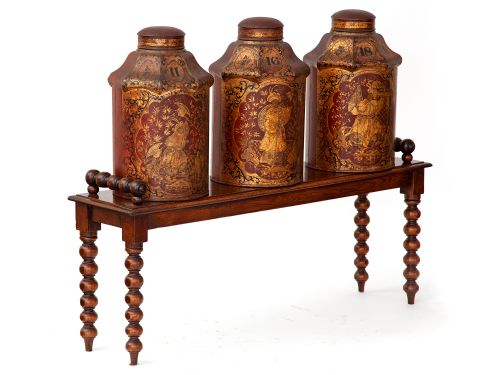

Antique Toleware Tin
Antique toleware tin pieces bring painted metal into domestic spaces with rich historic colour.
Antique Toleware Tin
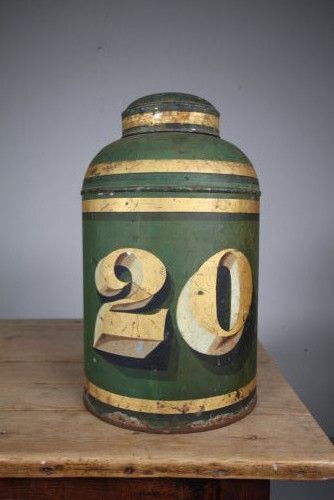
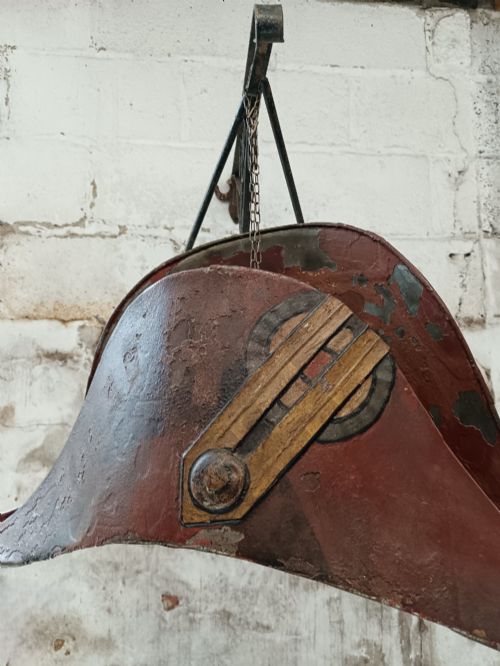
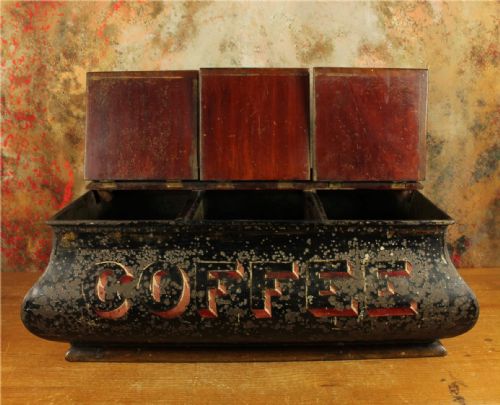
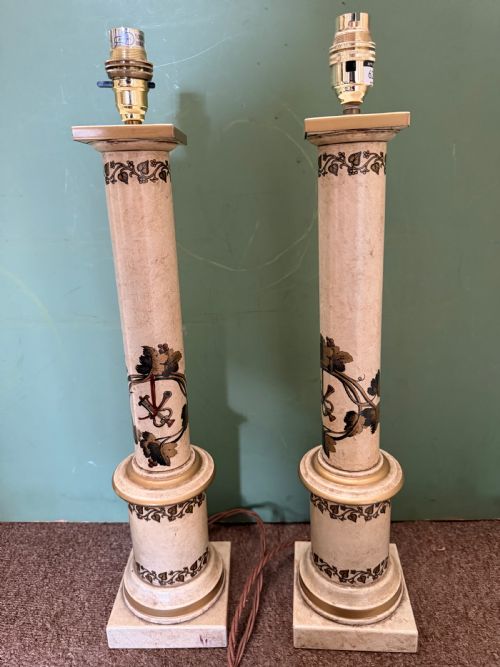
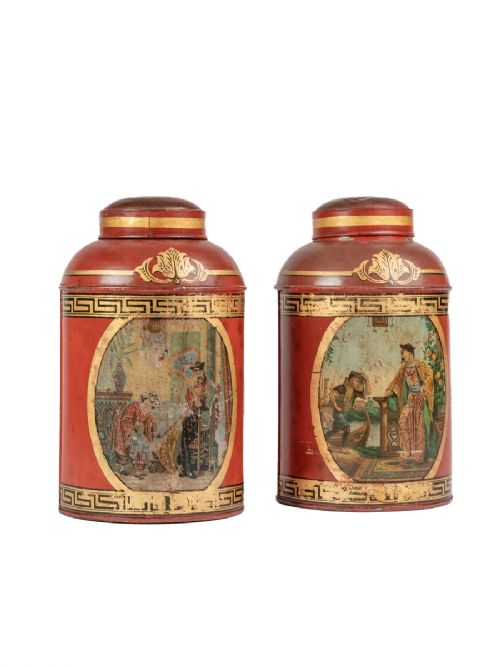
Antique toleware tin items encompass functional containers and decorative objects designed for daily use in domestic and commercial settings. Collectors seeking antique toleware tin encounter forms ranging from tea canisters and storage boxes to serving trays, trade signs, and lamps.
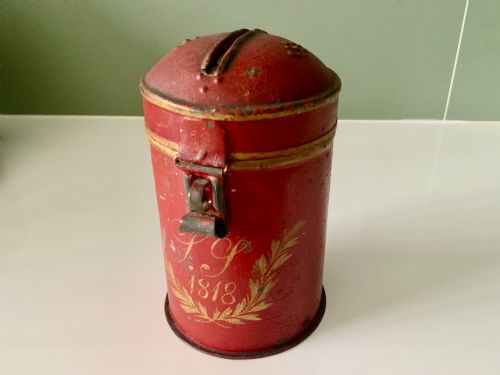
The pieces on this page stem primarily from the nineteenth century, including Georgian, Regency, and Victorian periods. Buyers regularly find utilitarian items transformed by hand-painted decoration, such as flour bins, document tins, and wine coolers.
Origins stretch across English and French workshops, encompassing styles like Chinoiserie, neoclassical, and folk art barge wear. Each surviving object demonstrates how painted metal served both practical storage needs and interior decoration.
How they were made
These items rely on sheet iron and tinplate formed into rigid containers, trays, and structural shapes. Makers applied base layers of lacquer or japan to seal the metal before adding decorative pigment.
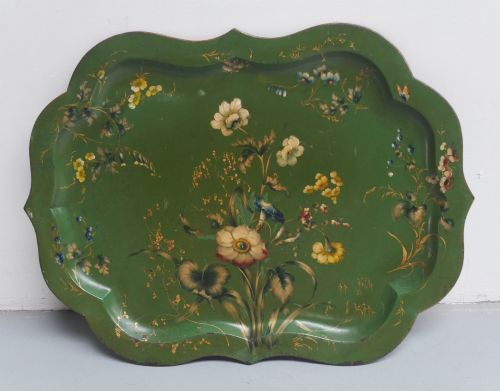
Surface ornamentation involved hand-painting, often enhanced with gold leaf accents and floral or figural motifs. Brass fittings, rims, and handles occasionally complemented the iron and tin bodies.
Antique Toleware Tin Retail Price Guide 2026
Typical asking prices for toleware tin among the pieces listed under this phrase on Sellingantiques today, from the lower quarter to the upper quarter. They describe what is for sale here now, not the wider market.
Listings feature nineteenth-century items in sheet iron, tinplate, and brass, spanning styles from Regency to Victorian Chinoiserie.
What varies in quality
Quality rests upon the skill and detail of the hand-painted surface decoration, distinguishing standard utility items from finely rendered artistic pieces. Elaborate pictorial scenes and precise floral motifs elevate an object above simple monochrome japanning.
The structural integrity of the sheet iron or tinplate and the preservation of original paint surfaces dictate desirability. Pieces retaining uncompromised lacquer, crisp gilt work, and maker attribution demonstrate superior craftsmanship.
H. Meeson·Pontypool
The Antique Toleware Tin Glossary
- Toleware
- Painted or lacquered metalware, typically tinplate or sheet iron, produced to imitate Asian lacquerware. European makers adopted this technique extensively throughout the eighteenth and nineteenth centuries.
- Japanned
- A type of European finish that emulates Japanese and Chinese lacquerware through successive coats of dark varnish. This durable coating protected underlying metal and wooden objects.
- Tôle peinte
- French term for painted sheet metal objects. The phrase specifically describes decorative trays, urns, and lamps adorned with fine artistic brushwork.
- Pontypool
- A Welsh centre renowned for early tinplate manufacture and distinctive lacquering techniques. Pontypool pieces often exhibit high-gloss finishes and skilled hand-painting.
Antique Toleware Tin: Frequently Asked Questions
What is antique toleware tin?
Antique toleware tin refers to painted and lacquered metal objects made from sheet iron or tinplate. These items range from household storage boxes to decorative trays and lighting.
Craftsmen shaped the metal and applied protective japanning before executing detailed hand-painted designs. The resulting pieces combined utility with vibrant interior decoration.
How were these tins used historically?
These metal items served practical functions in kitchens, shops, and offices for storing dry goods, documents, and provisions. Tea canisters, spice boxes, and flour bins kept contents secure from moisture and pests.
Other forms like hot water cans, wine coolers, and document boxes fulfilled specific domestic and professional requirements. Their decorative finishes allowed them to sit openly in parlours and reception rooms.
How do I date antique toleware?
Dating relies on stylistic clues, construction methods, and the types of pigments and lacquers used across different eras. Georgian and Regency examples often display classical or neoclassical motifs, while Victorian pieces embrace varied styles including Chinoiserie and folk art.
Examining the underlying metal preparation and the style of hand-painted decoration helps place an item within the nineteenth century. Specific regional centres, such as Pontypool, also provide historical context for dating.