


Antique Tobacco Snuff Container
These antique tobacco snuff containers are small receptacles used for carrying and dispensing dry tobacco powder, valued for their intricate craftsmanship and social history.
Antique Tobacco Snuff Container
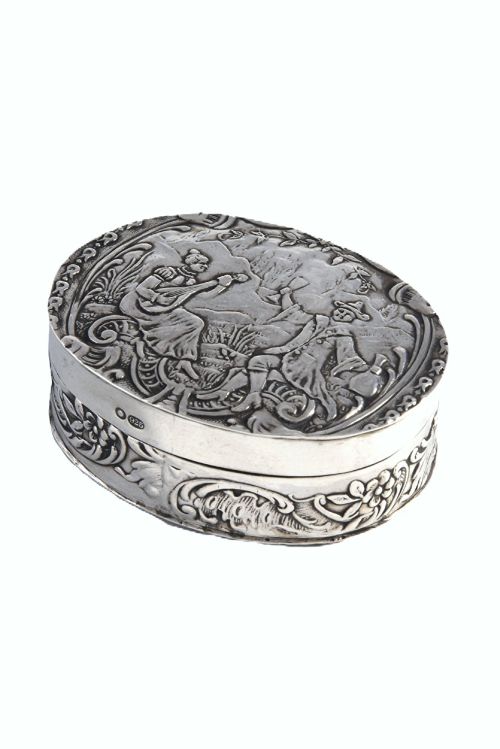
An antique tobacco snuff container encompasses pocket boxes, table boxes, and horn mulls designed to hold snuff during the eighteenth, nineteenth, and early twentieth centuries.
The pieces on this page span Georgian, Regency, Victorian, and Edwardian periods, reflecting diverse social uses from communal table boxes to personal pocket items.
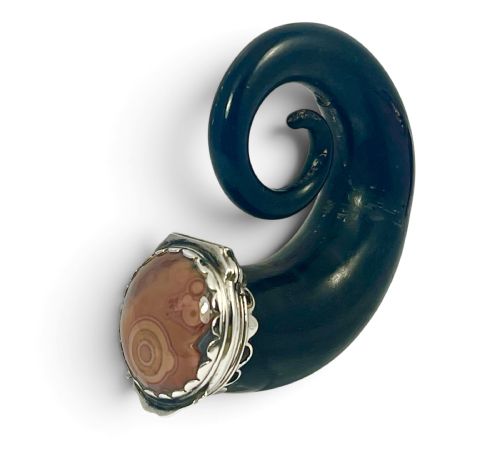
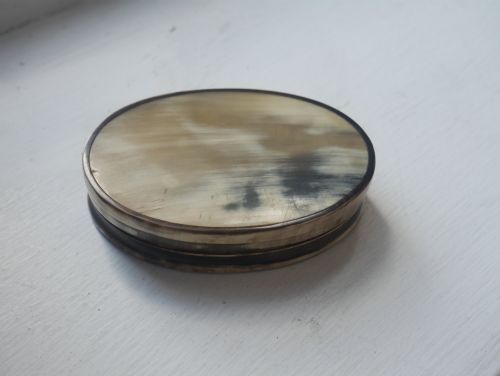
Common formats include hinged rectangular metal boxes, turned wooden treen vessels, and Scottish horn mulls mounted in silver or pewter.
Materials and Technique
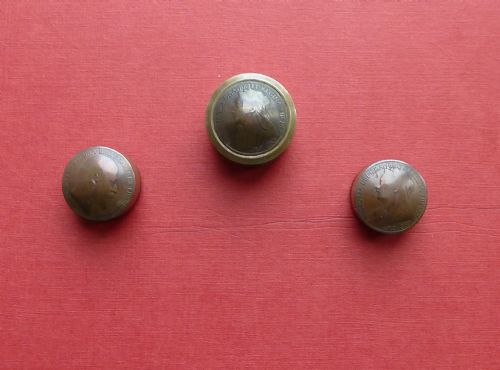
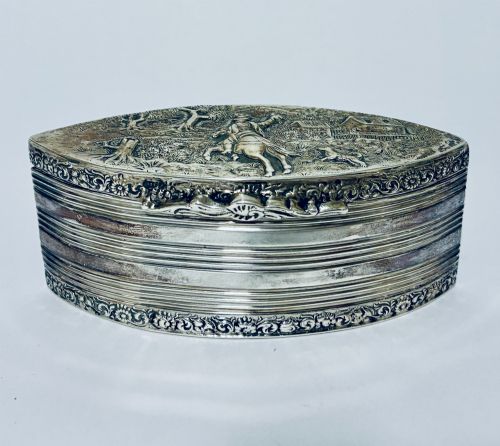
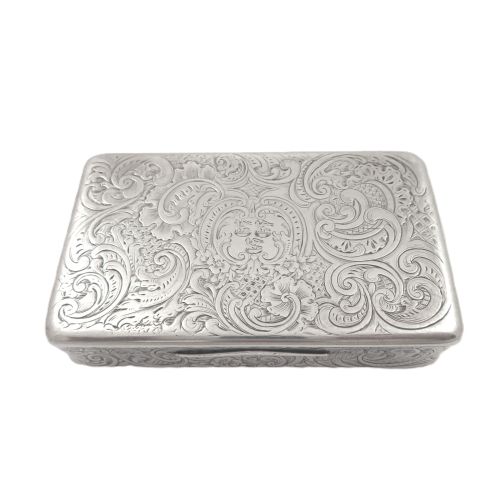
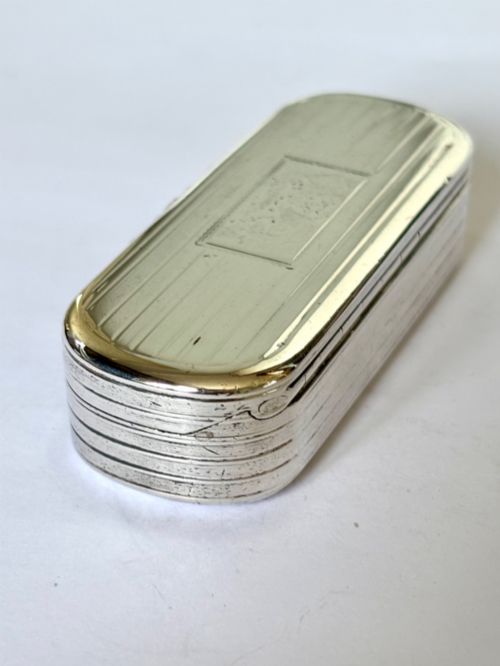
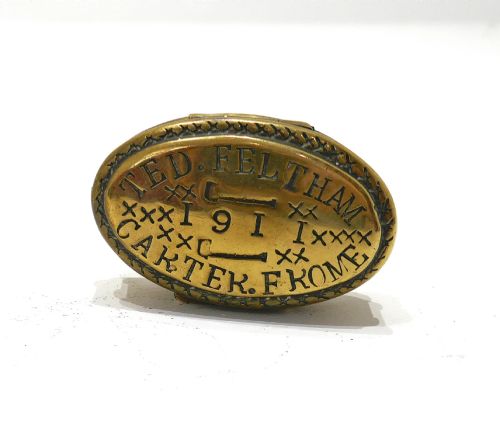
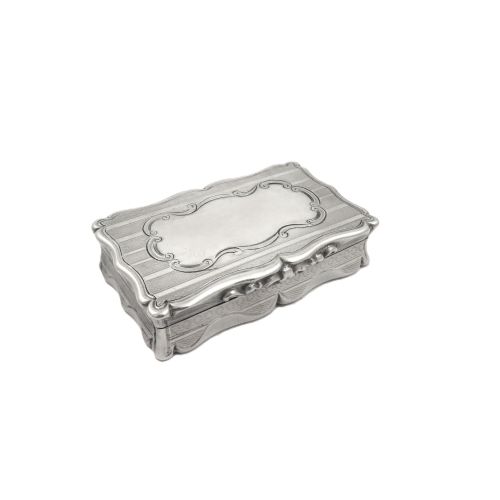
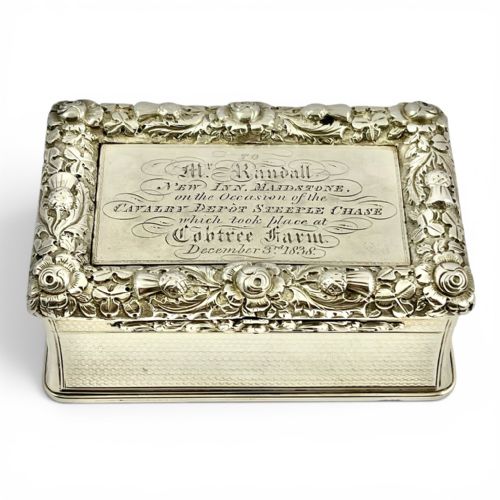
Metal containers utilise sterling silver, silver gilt, and brass, often shaped with engine-turned decoration, coin embellishments, or personalised engravings.
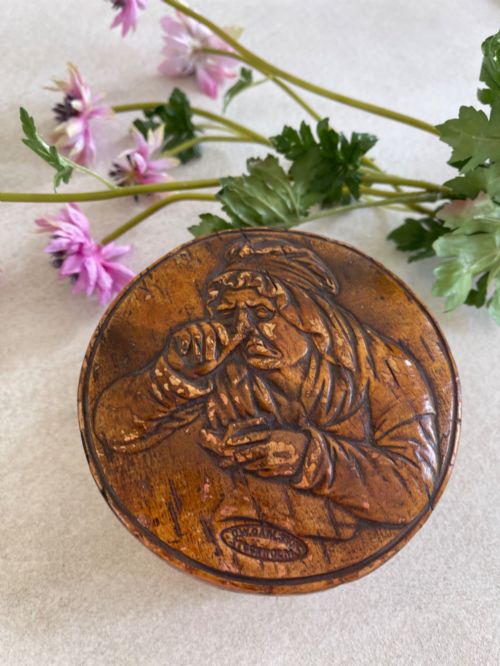
Organic vessels employ horn, tortoiseshell, coquilla nut, walnut, amboyna, and other specimen woods, shaped through turning, carving, and occasionally pressed maple techniques.
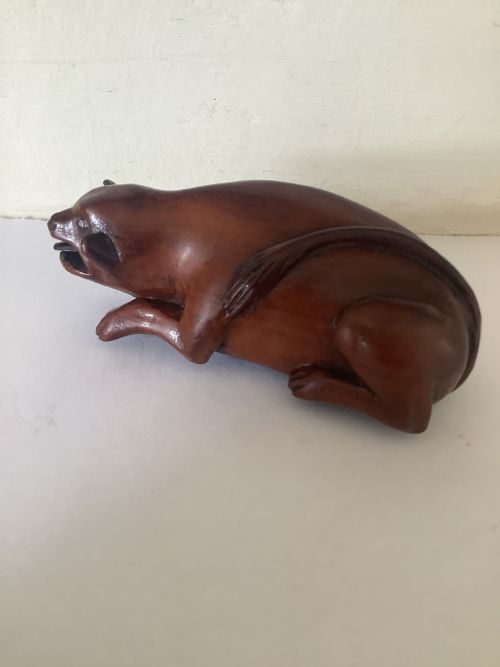
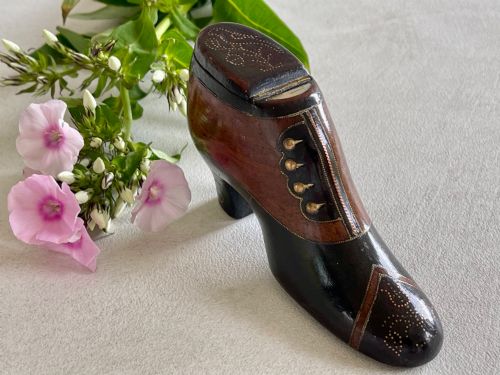
Folk art examples incorporate brass pique work, inlaid diamonds, painted details, and intricate hand-carved motifs such as shoes, birds, and hands.
Materials represented across the collection include sterling silver, brass, horn, tortoiseshell, papier-mache, painted surfaces, and diverse hardwoods.
The Measure of Quality
Quality rests on the crispness of the carving, the precision of the metal engraving, and the structural integrity of the hinges and lids.
Greater refinement appears in pieces with well-preserved detail, original linings, and sophisticated decorative programmes such as inlaid pictorial motifs or complex silver mounts.
Robert Thornton·William Eaton
The Antique Tobacco Snuff Container Glossary
- Snuff mull
- A horn container used for holding and dispensing ground tobacco, often fitted with a silver or pewter mount and a hinged lid.
- Treen
- Small handmade wooden domestic objects produced from the sixteenth century onwards, encompassing turned boxes, shoes, and carved containers.
- Navette
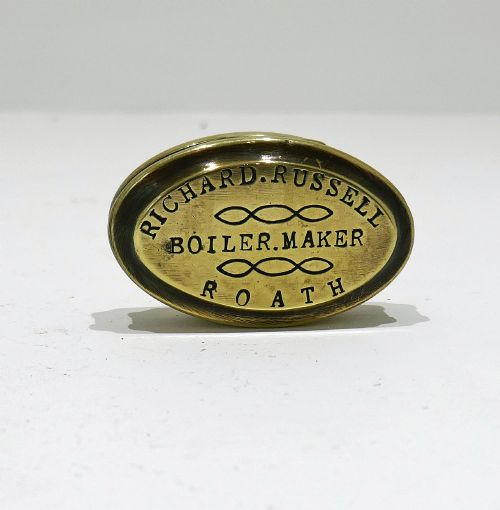
- A pointed oval shape with tapering ends, commonly seen in Georgian brass and silver table boxes.
- Pique work
- A decorative technique involving tiny points of gold or brass inlaid into tortoiseshell, horn, or ivory to create floral or geometric patterns.
- Silver gilt
- Silver covered with a thin layer of gold applied through chemical or fire gilding methods, providing a rich interior finish.
Antique Tobacco Snuff Container: Frequently Asked Questions
What is an antique snuff container?
An antique snuff container is a small lidded vessel created to hold dry tobacco powder for inhalation. These pieces were carried in pockets or kept on tables for social use.
They appear in materials ranging from sterling silver and brass to carved wood, horn, tortoiseshell, and papier-mache.
How do I date a silver snuff box?
Dating silver containers relies on hallmarks stamped into the metal, which indicate the assay office, the year of manufacture, and the maker's mark.
Stylistic indicators such as Georgian navette shapes or Victorian engraving styles also help narrow down the period of production.
What are Scottish horn mulls?
Scottish horn mulls are specialised tobacco containers fashioned from natural animal horn, frequently finished with silver or pewter mounts.
Many examples feature hinged lids and served as robust portable containers for communal or personal use.
How were wooden snuff boxes decorated?
Wooden containers were often carved by hand into figurative shapes like shoes or hands, or turned from specimen woods such as amboyna and walnut.
Some incorporate inlaid brass pique work, tortoise shell panels, or detailed folk art carvings depicting animals and figures.