
Antique Timber Stand
An antique timber stand offers a practical perch for plants, lights, or books while anchoring a room with genuine period character.
Antique Timber Stand
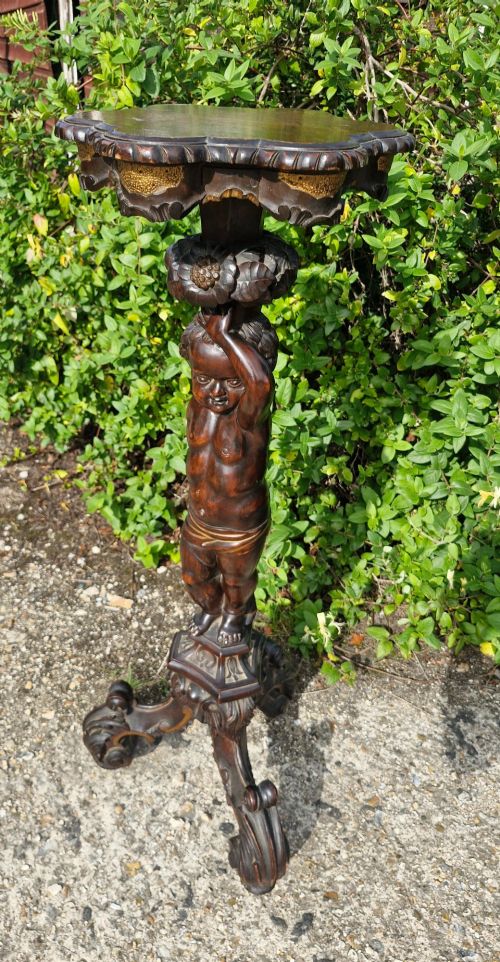
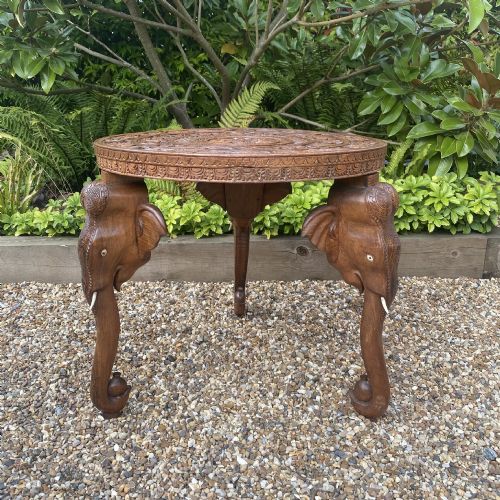
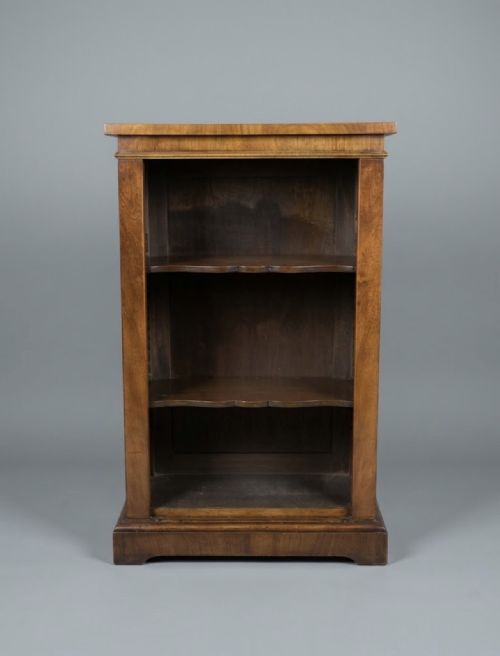
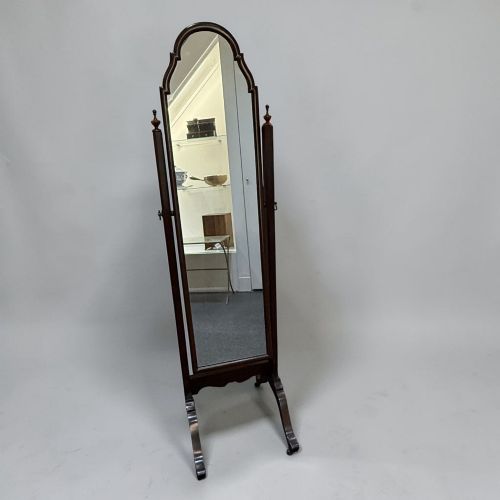
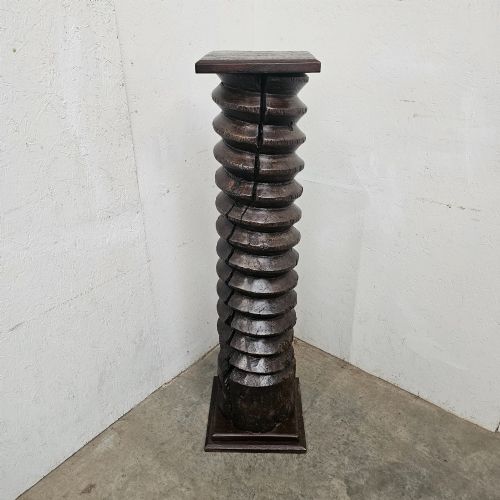
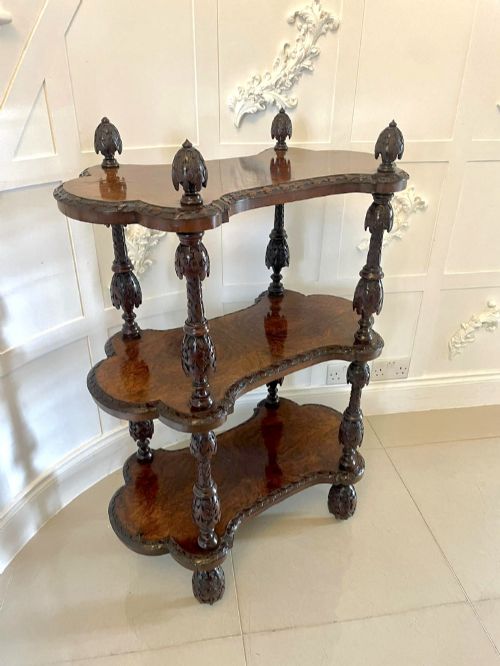
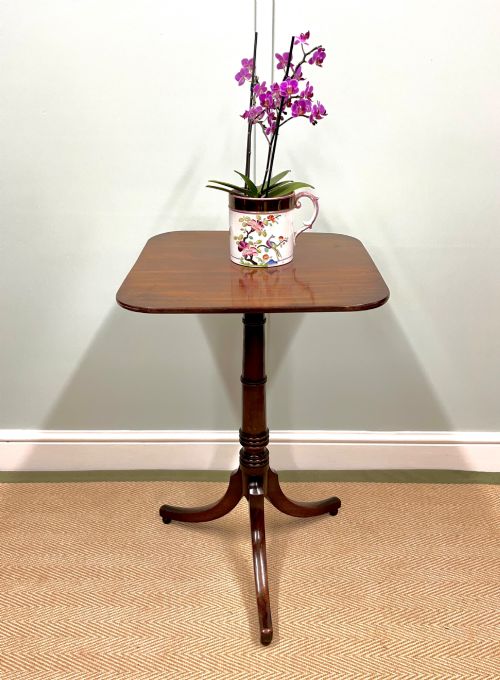
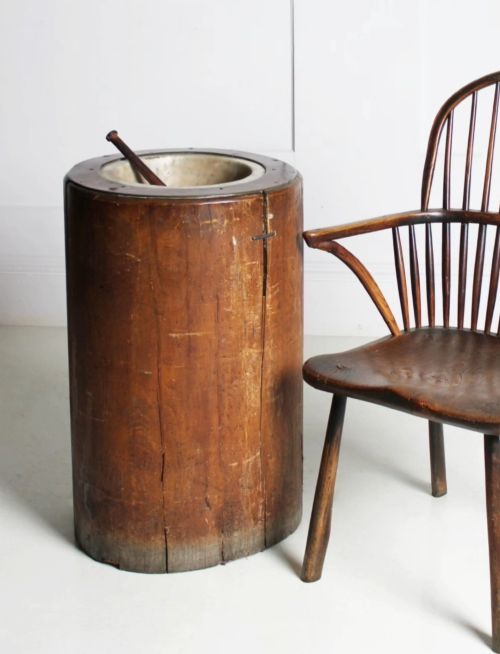
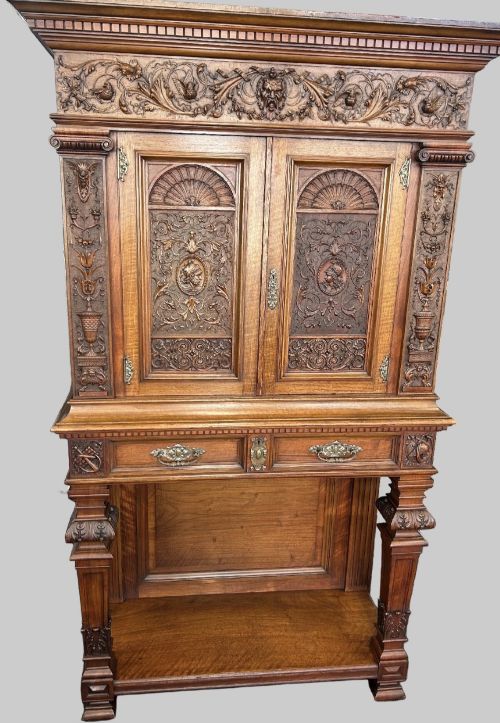
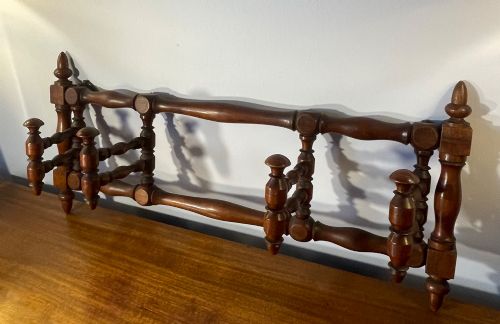
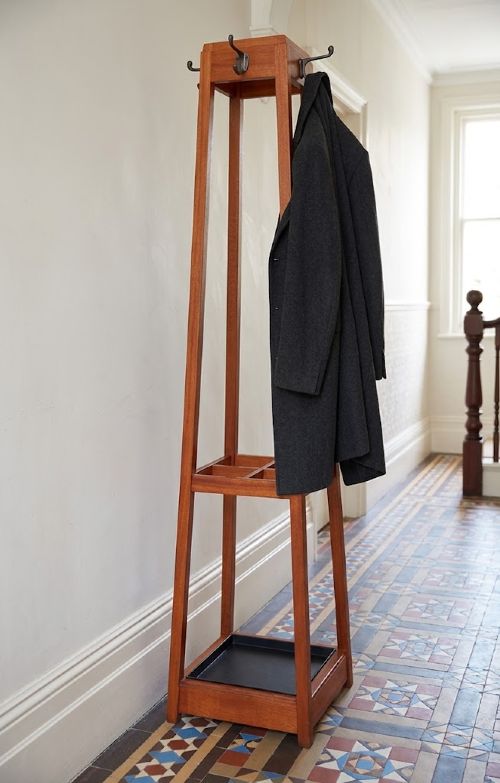
When you search for an antique timber stand, you encounter a diverse group of functional wooden furnishings designed to elevate objects or hold garments. The selections span compact occasional tables, pedestals, plant stands, coat stands, and specialised supports originating from the Georgian, Victorian, and Edwardian eras.
You are most likely to meet mahogany, oak, and walnut examples from the nineteenth century on this page. These pieces range from simple tripod tables and towel rail stands to intricately carved pedestals and hall stands utilising mixed materials like brass and marble.
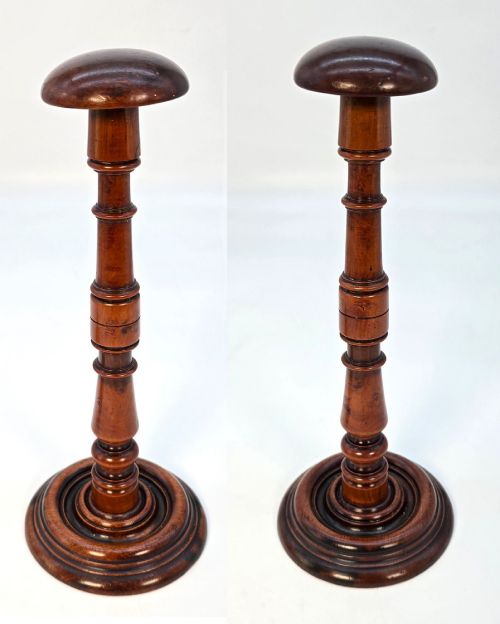
The assortment includes domestic items such as wig stands and smokers stands alongside display columns and occasional tables. Their forms reflect the specific utility demanded by past households, executed in prevailing historical styles from rustic farmhouse to Renaissance Revival.
Materials and construction methods
Cabinetmakers constructed these supports primarily using dense hardwoods such as mahogany, oak, walnut, and rosewood. Artisans frequently combined these woods with secondary timbers, incorporating brass hardware, marble tops, or mother of pearl inlay for decorative and structural contrast.
Joining methods relied on traditional mortise and tenon joints, dovetailing, and careful turning on lathes to produce bobbin-turned legs and upright columns. Surface finishes involved hand-applied polish, wax, or paint, preserving the natural grain while protecting the wood from daily wear.
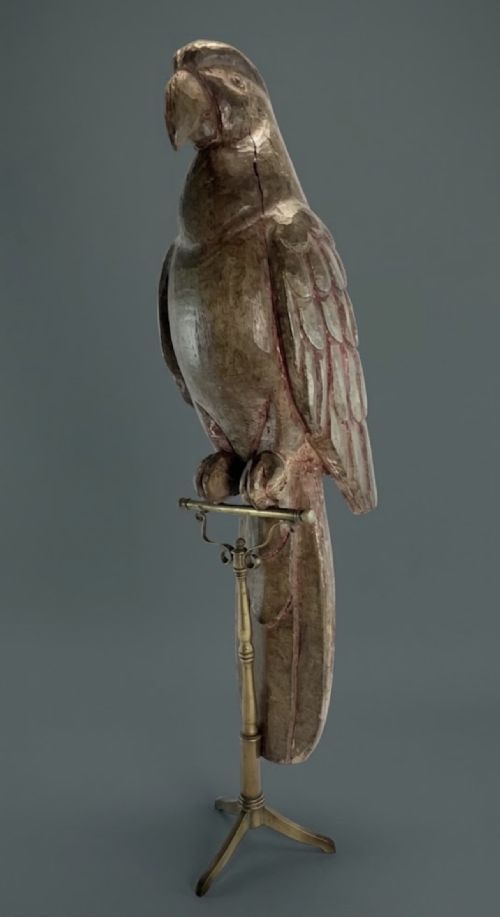
A carved wooden parrot perches patiently on a brass stand, watching over the room.
Distinctions in construction and design
The highest quality pieces display superior selection of timber grain, such as burr walnut or solid mahogany, matched with crisp, deep hand-carving rather than shallow machine-pressed ornamentation. Superior examples maintain structural integrity through precise joinery that withstands centuries of use without wobble.
Design sophistication separates standard utility items from exhibition pieces, evident in well-proportioned turnings, harmonious brass fittings, and thoughtful inlay work. Maker attribution, through stamps or known workshop signatures, elevates the standing of a piece within its period.
Gillows·Brown and Lamont
The Antique Timber Stand Glossary
- Tripod table
- A small freestanding table supported by a pillar above three legs. These tables often feature tilt tops or folding mechanisms for easy storage.
- Pedestal
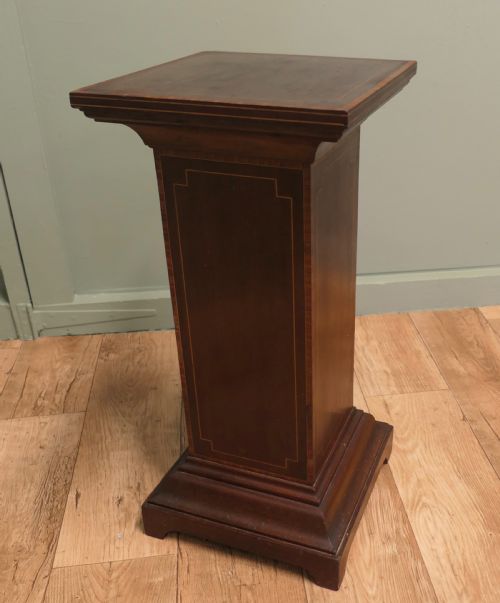
- A tall upright support used to elevate a bust, urn, or plant. They appear in circular or square forms with carved or fluted columns.
- Occasional table
- A small, light table intended for intermittent use in a reception room or parlour. They accommodate lamps, books, or decorative items.
- Hall stand
- A tall piece of hall furniture incorporating coat hooks, umbrella wells, and sometimes a mirror or small seat. They organise outerwear near the entrance of a home.
- Inlay
- A decorative technique where contrasting materials like bone, mother of pearl, or lighter woods are inserted into recesses in the timber surface.
Antique Timber Stand: Frequently Asked Questions
Where should I place a timber stand at home?
These supports function well in corners, hallways, or beside seating where they hold lamps, plants, or small decorative objects without blocking movement.
Choose locations away from direct heat sources and strong sunlight to protect the timber surface and prevent the wood from drying out.
How do I clean an antique wooden stand?
Dust the surface regularly with a soft, dry lint-free cloth to prevent particle buildup. Avoid modern silicone sprays that can damage historical finishes.
Apply a traditional beeswax polish sparingly once or twice a year to nourish the timber and maintain a soft lustre.
How can I tell a Victorian stand from an Edwardian one?
Victorian pieces tend to feature heavier proportions, darker woods, and rich, ornate carvings reflecting historical revivals. They often incorporate dense walnut, mahogany, or ebonised finishes.
Edwardian items generally present lighter forms, simpler lines, and brighter mahogany or inlaid decoration, pointing towards a shift in domestic taste towards airier interiors.
Were these stands meant for daily use?
Most of these items served practical household roles, from hanging hats and coats in entrance halls to supporting basins, candles, or reading materials. Their sturdy construction ensured they could handle regular domestic demands.
Today, they continue to serve these functional purposes while adding period authenticity to modern living spaces.