



Antique Timber Panelling
Antique timber panelling brings the weight of centuries into a room, offering genuine historical depth through carved wood wall panels and architectural salvage.
Antique Timber Panelling
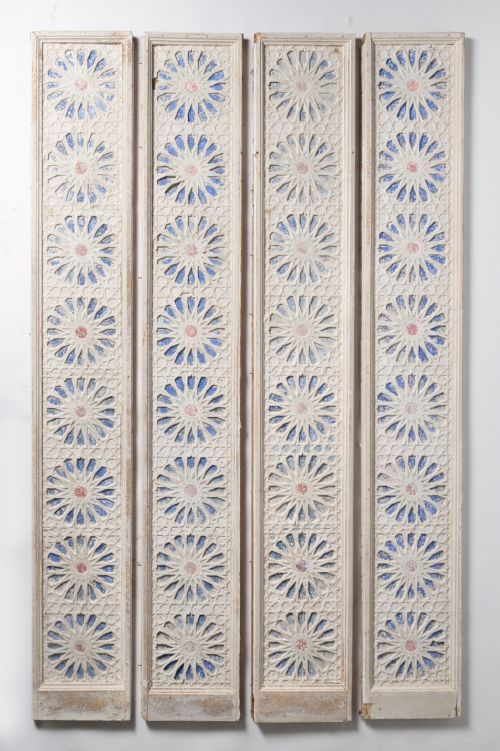
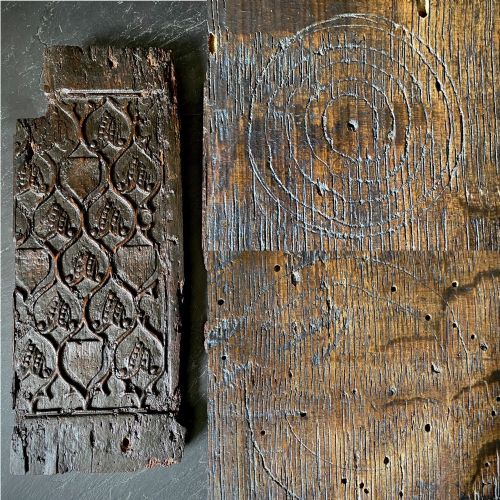
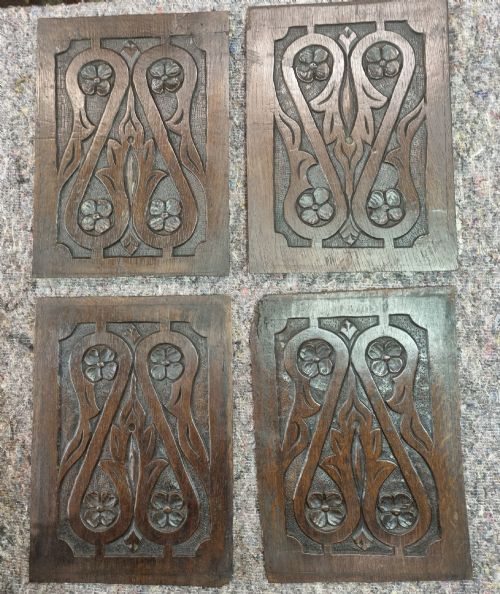
Antique timber panelling encompasses architectural elements and wall panels that range from sixteenth century linenfold designs to seventeenth century carvings. Pieces frequently appear as sets of panels, wall plaques, and architectural salvage pulled from historic buildings.
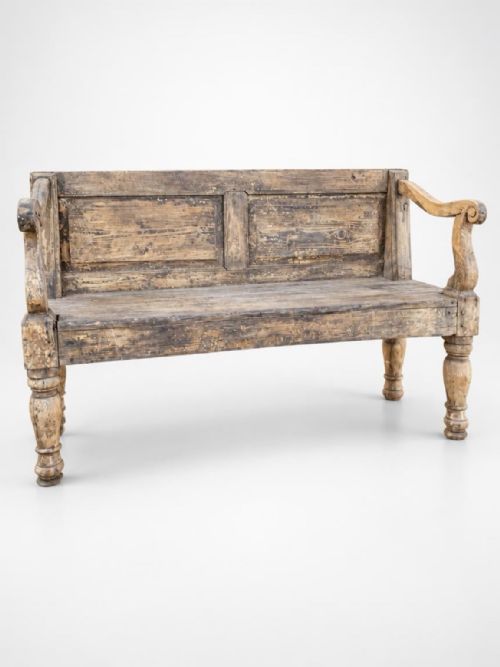
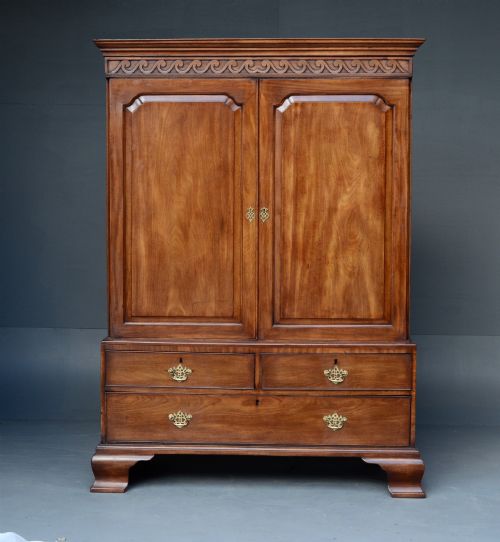
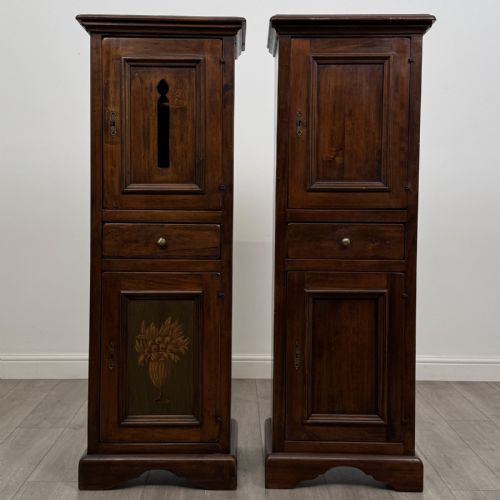
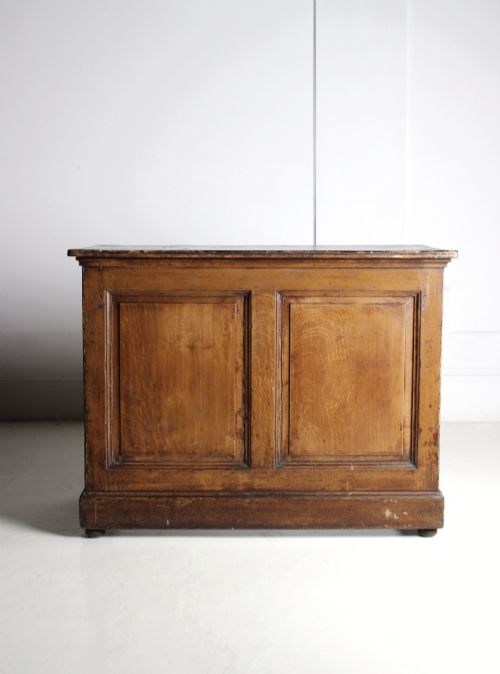
Buyers encounter oak most often, alongside pine, mahogany, and mixed woods shaped into panels, cupboards, and settles. The selection extends to nineteenth century and twentieth century revivals alongside earlier country pieces.
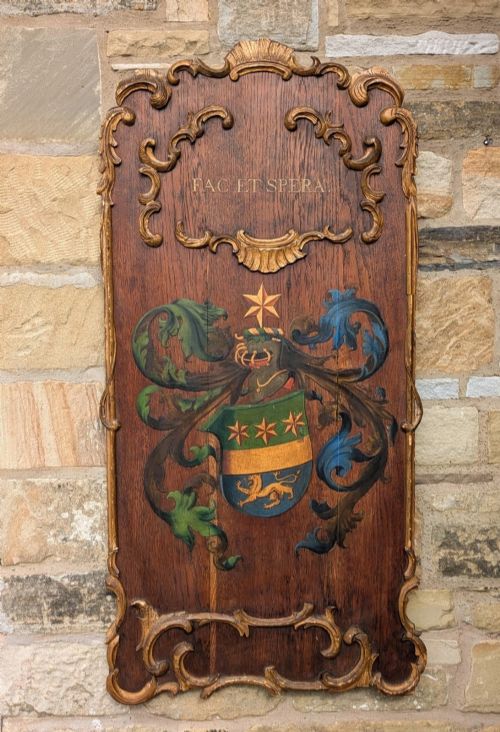
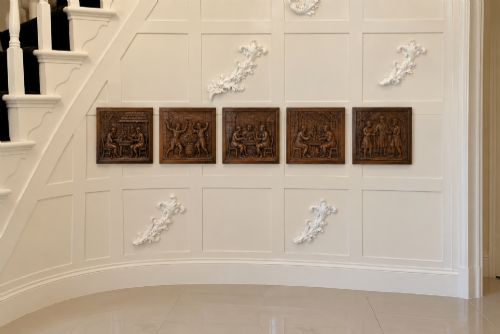
The category absorbs related items salvaged from interiors, including carved wooden plaques depicting figures, painted panels, and fitted furniture constructed from reclaimed wood.
How antique timber panelling was made
Joiners and carpenters worked primarily in solid oak and pine, employing traditional hand tools such as panel planes to square and smooth boards. Carvers used chisels and gouges to render relief motifs directly into the grain.
Surface treatments included hand painting with polychrome or plain pigments, leaving natural wood exposed, or applying dark finishes that accumulated patinas over centuries of wear. Iron and brass fixings held structural elements together.
Construction techniques relied on mortise and tenon joints to allow wood to expand and contract naturally within wall settings and furniture carcases.
Antique Timber Panelling Retail Price Guide 2026
Typical asking prices for timber panelling among the pieces listed under this phrase on Sellingantiques today, from the lower quarter to the upper quarter. They describe what is for sale here now, not the wider market.
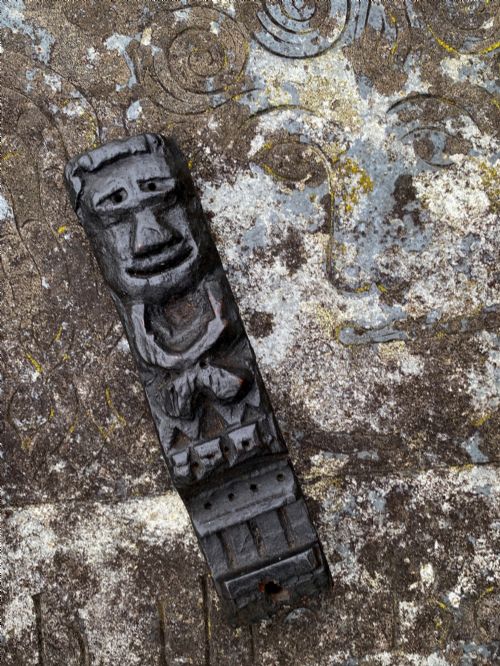
Green Man carvings peer out from sixteenth century panels, bringing ancient foliage masks right into domestic hallways.
What varies in quality in antique timber panelling
Depth and clarity of the hand carving distinguish exceptional panels from simpler commercial work, particularly in sixteenth and seventeenth century examples where facial expressions and drapery folds show sculptural ambition.
The integrity of the timber and the survival of original surface finishes, such as early paint layers or deep patinated wax, determine the historical weight of a piece. Alterations to dimensions or replaced backing boards alter the original character.
Consistency across a matched set of panels elevates the value compared to assembled collections gathered from disparate sources.
Norris London·Nanninga Uitterdyke
The Antique Timber Panelling Glossary
- Linenfold
- A style of wood carving popular in the Tudor period that imitates folded fabric or parchment. It creates vertical ribbed textures on panel surfaces.
- Architectural salvage
- Building components and decorative elements rescued from demolition or renovation sites for reuse. These include doors, panelling, and carved plaques.
- Panel plane
- A woodworking hand plane designed for smoothing large boards and panels. Carpenters used them to prepare timber surfaces before assembly.
- Polychrome
- Decoration applied in several colours on wood or stone surfaces. This technique appears on historic carved panels and statues.
- Relief carving
- Sculpture where figures project from a background plane rather than standing free. Carvers utilised this method extensively on wall panels.
Antique Timber Panelling: Frequently Asked Questions
How do I install antique timber panelling?
Panels generally require fixing to a secure batten framework attached to existing walls, allowing an air gap behind the historic timber.
Professional joiners often scribe the outer edges to fit uneven period walls without damaging the original wood.
Can I clean antique timber panelling safely?
Dust surfaces regularly with a soft, dry brush and avoid commercial sprays that leave residues in carved recesses.
Feed dry oak and pine occasionally with a traditional beeswax applied sparingly with a clean cloth.
How do I date antique timber panelling?
Examine the rear surfaces and joint construction for tool marks left by pit saws, adzes, or early hand planes.
Match stylistic motifs like linenfold or linen-scroll patterns to known sixteenth and seventeenth century periods.
Were panels originally painted?
Many early panels received lead-based paints, decorative stenciling, or polychrome schemes to brighten dim historic interiors.
Subsequent generations often stripped these finishes off to expose the raw oak underneath during later revival periods.