



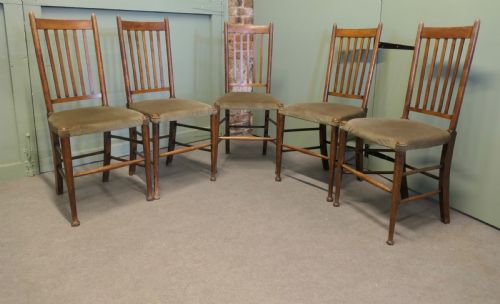


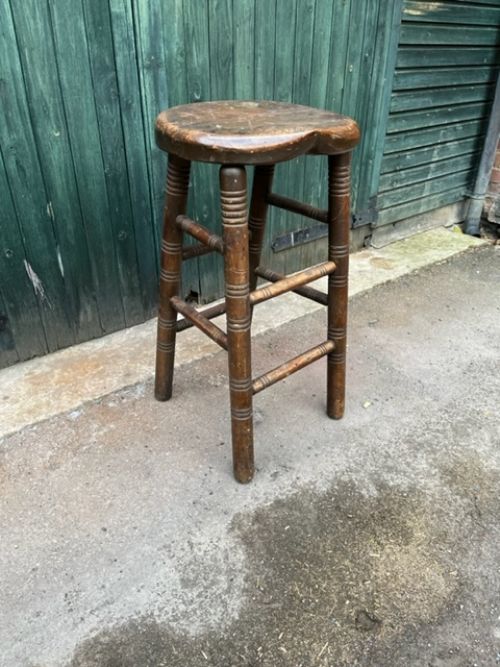
Antique Timber Kitchen Chairs
These antique timber kitchen chairs bring honest utility and enduring character to a modern table, drawing on robust nineteenth and early twentieth century traditions.
Antique Timber Kitchen Chairs
When you search for antique timber kitchen chairs, you encounter sturdy seating designed for daily domestic service rather than formal parlours. The pieces available here span robust nineteenth century designs through to early twentieth century variations.
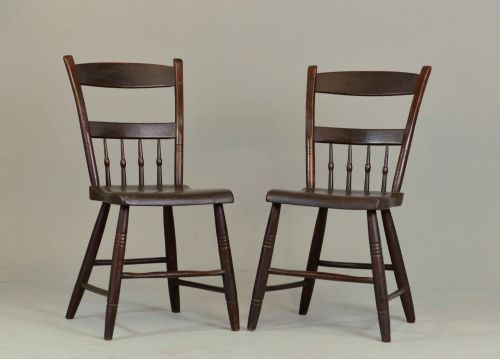
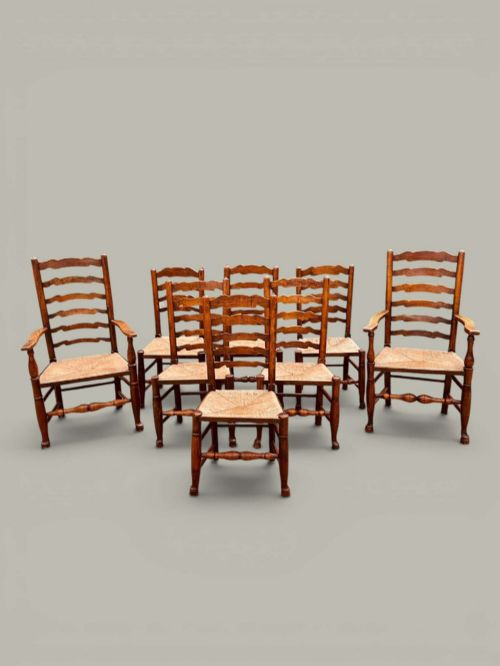
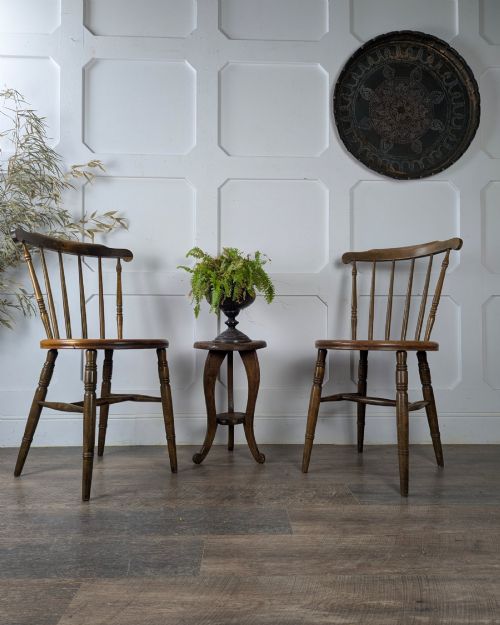
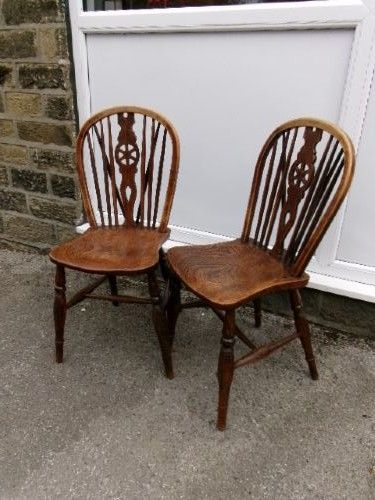
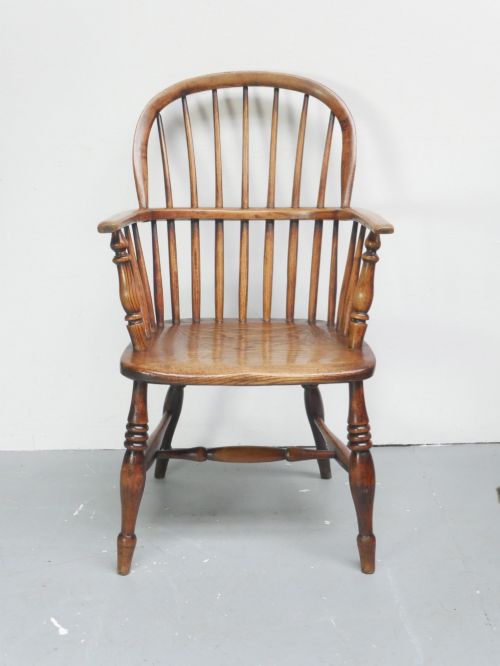
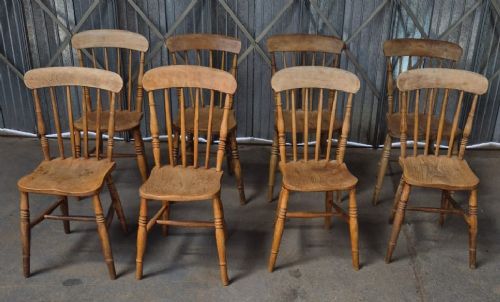
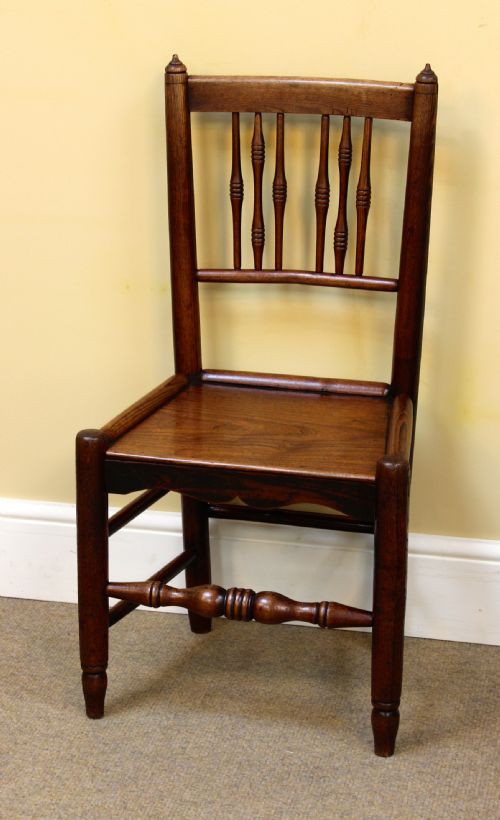
Most examples originate from British and country traditions, featuring regional forms like Windsor wheelbacks, stick backs, and slat backs. You will find single chairs, pairs, and matched sets suitable for daily dining.
Makers utilised resilient native timbers to construct dining chairs, armchairs, and stools that endured generations of family life. These items remain practical for contemporary homes seeking functional historic furniture.
How they were made
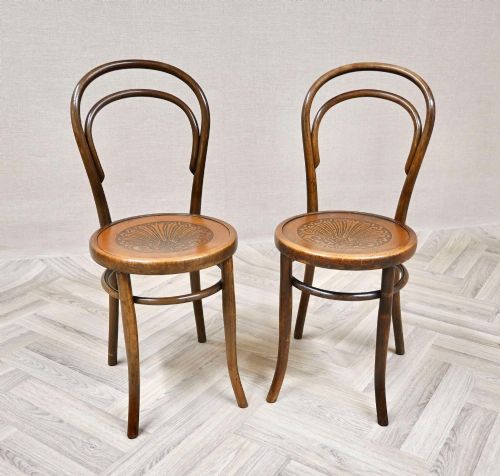
Cabinet makers and bodgers constructed these seats using regional hardwoods such as elm for solid, figured seats and ash or beech for resilient spindles and legs. Timbers were often turned on a lathe or steam bent to form the characteristic hooped backs.
Joinery relied on traditional methods including wedged tenons and mortise joints to withstand heavy domestic use. Surfaces were finished simply, allowing the natural grain of the timber to show through generations of wear.
Antique Timber Kitchen Chairs Retail Price Guide 2026
Typical asking prices for timber kitchen chairs among the pieces listed under this phrase on Sellingantiques today, from the lower quarter to the upper quarter. They describe what is for sale here now, not the wider market.
Several chairs retain historic layers of paint, whispering tales of messy farmhouse kitchens and decades of family meals.
What varies in quality
The distinction between standard utility seating and finer examples lies in the selection of timber and the sophistication of the turning. Elm seats with deep saddle shaping and well-defined grain command greater appreciation than plain hardwood boards.
Construction integrity also separates the output, with tighter joinery and balanced proportions indicating superior regional craftsmanship. Sets that retain matching turnings and uniform patination demonstrate higher original intent than assembled groups.
The Antique Timber Kitchen Chairs Glossary
- Windsor
- A chair built with a solid wooden seat into which the legs and back spindles are directly tenoned. This form evolved in regional workshops during the eighteenth and nineteenth centuries.
- Stick back
- A vernacular seating form where slender turned spindles form the backrest rather than a solid splat. These are commonly found on country dining and kitchen chairs.
- Wheelback
- A Windsor variation featuring a pierced splat shaped like a cartwheel in the centre of the backrest. It is a frequent design element in nineteenth century dining chairs.
- Rush seat
- A seating surface woven from dried marsh rushes around a wooden frame. This technique appears on traditional country chairs.
- Slat back
- A chair design utilising horizontal wooden slats across the backrest rather than vertical spindles. This configuration provides sturdy support in domestic settings.
Antique Timber Kitchen Chairs: Frequently Asked Questions
Are antique kitchen chairs comfortable for daily dining?
Many nineteenth century kitchen chairs were shaped with sculpted wooden seats to provide ergonomic support during long hours of domestic work.
Adding loose seat pads can improve comfort for modern dining without altering the historic timber structure.
How do I care for timber kitchen chairs?
Keep wooden chairs away from direct heat sources and sudden temperature changes to prevent the timber from splitting or joints from loosening.
Apply occasional microcrystalline wax to nourish the surface and preserve the historic patina.
Can I mix different styles of kitchen chairs together?
Historic farmhouse dining often involved assembled sets of chairs gathered over time rather than a single uniform suite.
Matching chairs by wood type, such as elm and beech combinations, helps create a cohesive look across mixed sets.
How do I date an antique kitchen chair?
Examine the tool marks, construction methods, and timber species to help determine the period of manufacture.
Turned components and assembly techniques often reveal whether a piece originates from the nineteenth or early twentieth century.