
Antique Timber Cabinet
An antique timber cabinet brings solid construction and rich grain into a room, offering practical storage disguised in centuries of craft.
Antique Timber Cabinet
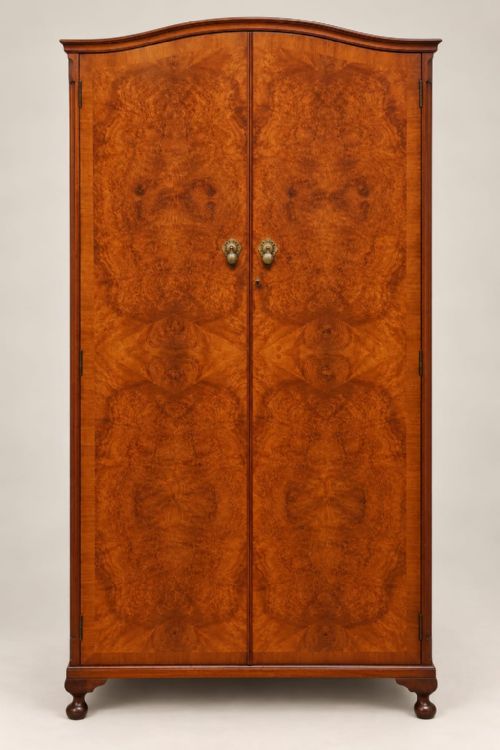
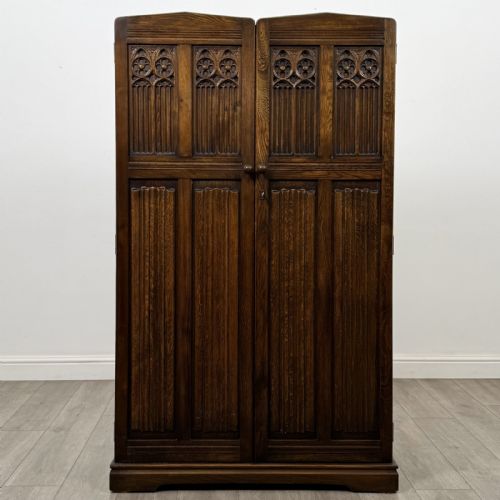
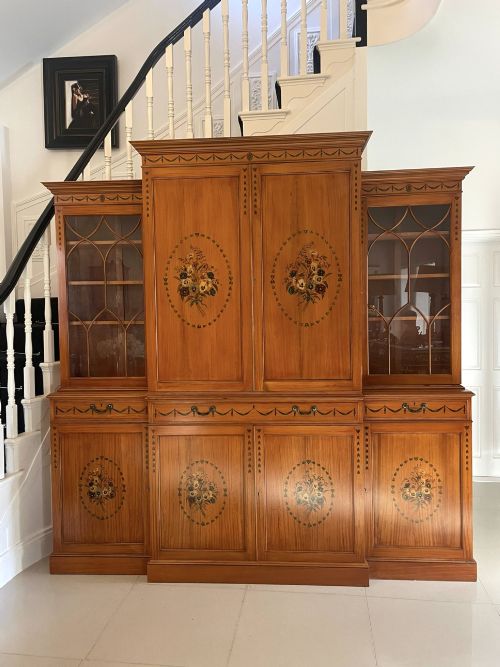
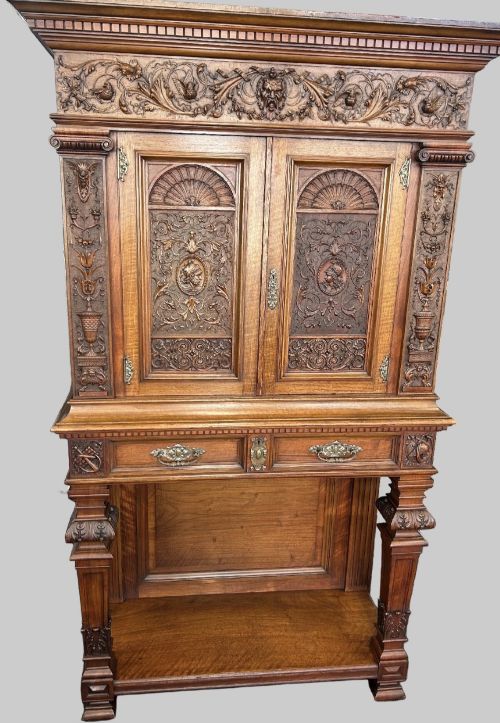
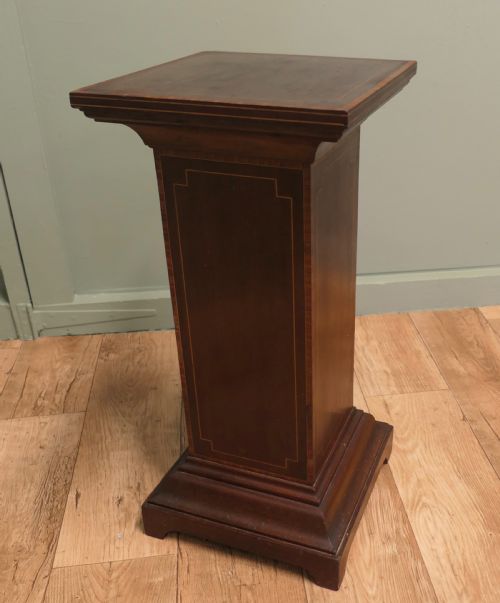
An antique timber cabinet encompasses a broad variety of storage pieces designed across centuries, from 17th-century oak cupboards to 1930s burr walnut wardrobes.
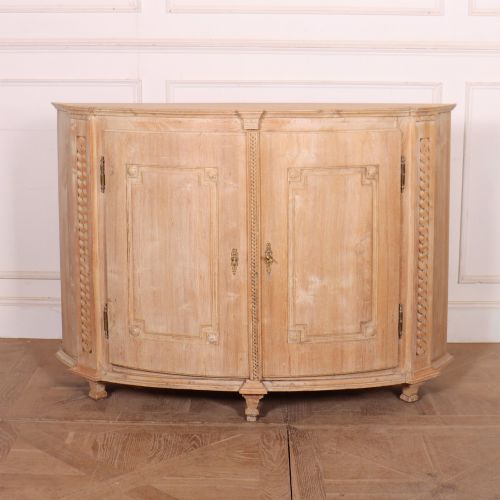
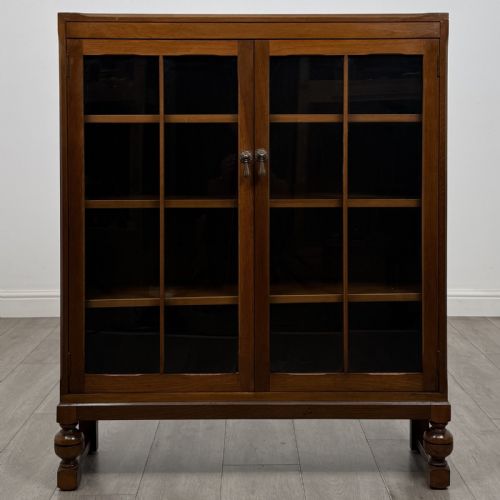
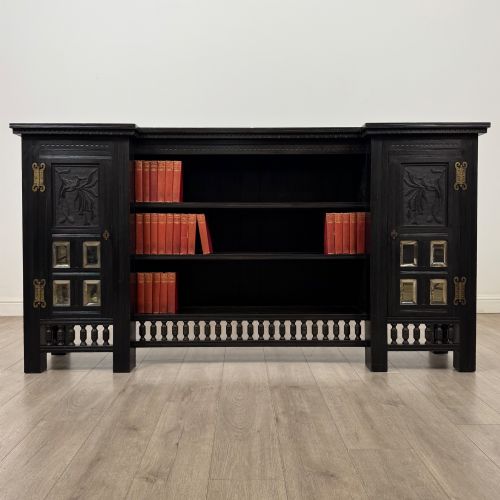
The term covers functional domestic items such as sideboards, bookcases, bedside cabinets, and display cases intended for everyday organisation or the showcase of prized objects.
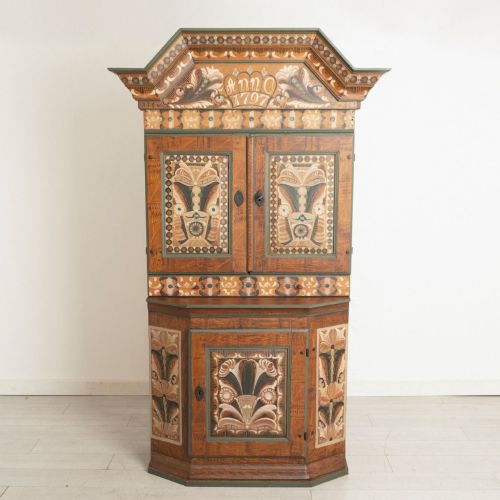
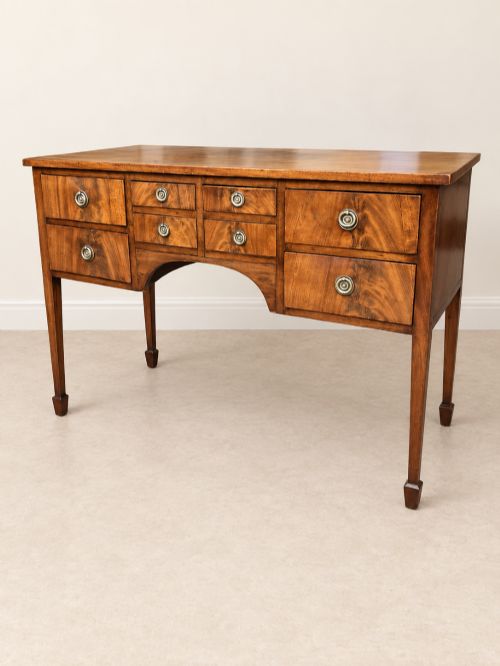
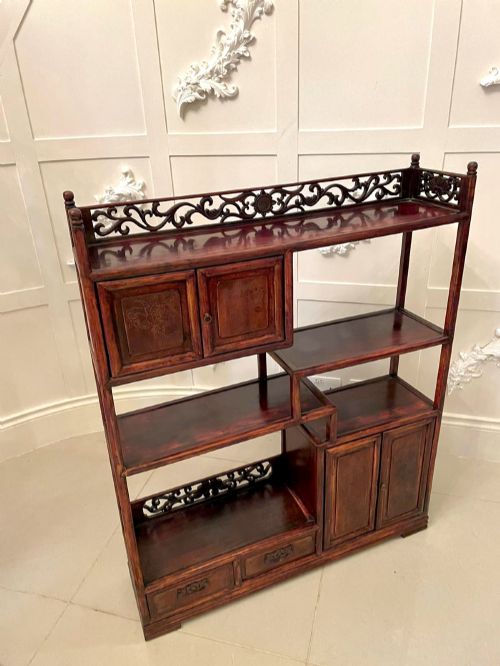
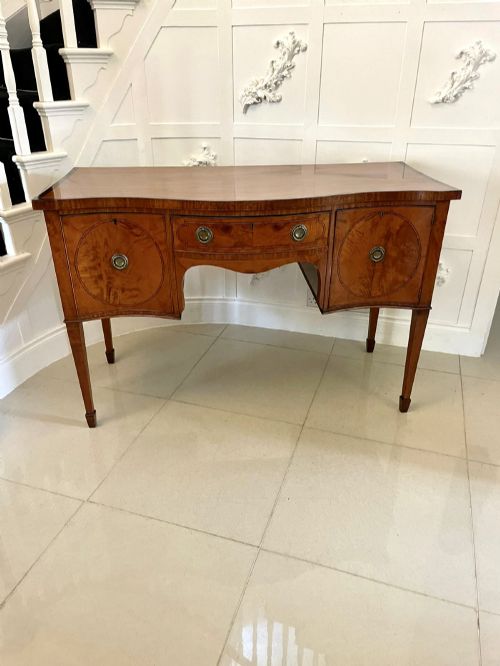
Buyers meeting this phrase will encounter diverse regional forms, including Swedish hand-painted cupboards, Chinese hardwood display cabinets, and English Georgian sideboards.
How they were made
Maker construction relies on domestic and exotic timbers such as oak, mahogany, walnut, pine, and satinwood, frequently enhanced with contrasting veneers and crossbanding.
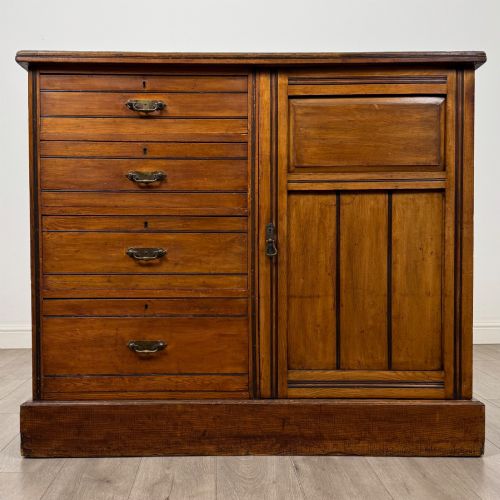
Joinery techniques incorporate traditional hand-cut dovetails for drawer construction, mortise and tenon frames, and turned supports, complemented by brass handles, locks, and glass panels.
Surface finish ranges from waxed and polished grain to hand-painted decoration, ebonised highlights, and mother of pearl inlay.
Taxidermy occasionally joins the furniture lineup, including a horned owl standing ready to oversee your sideboard collection.
What varies in quality
Quality rests upon the selection of timber figures, such as burr walnut or figured mahogany, and how symmetrically veneers are matched across drawer fronts and doors.
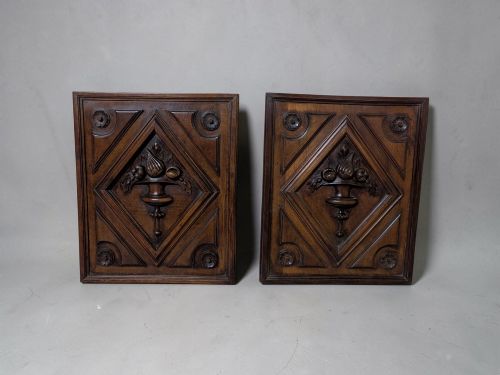
Construction integrity distinguishes better examples, visible in tight joints, substantial backboards, original brass hardware, and the crispness of carved detailing.
Attribution to documented makers or specific regional schools elevates a piece, as seen in works produced by Gillows or the Cotswold School.
G. Bartholomew & Co·Gillows·Rowland Ward Ltd·Whytock and Reid·Waring & Gillow
The Antique Timber Cabinet Glossary
- Serpentine
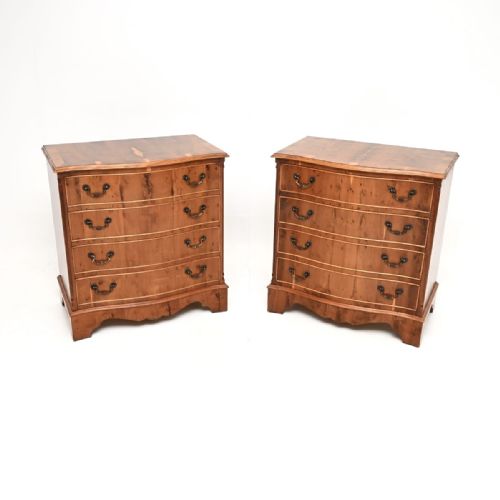
- A curved front shape featuring a convex centre flanked by concave ends. This contour requires precise woodworking skill to execute cleanly on sideboards and chests.
- Breakfront
- A piece of furniture where the central section projects forward from the flanking wings. This architectural layout creates depth and shadow on large bookcases and sideboards.
- Vitrine
- A glass-fronted cabinet designed for displaying porcelain, curiosities, or books. The term originates from the French word for glass.
- Burl
- A woody growth on a tree resulting in swirling, highly figured grain patterns when sliced into veneer. Cabinet makers prize this timber for decorative panels on doors and drawers.
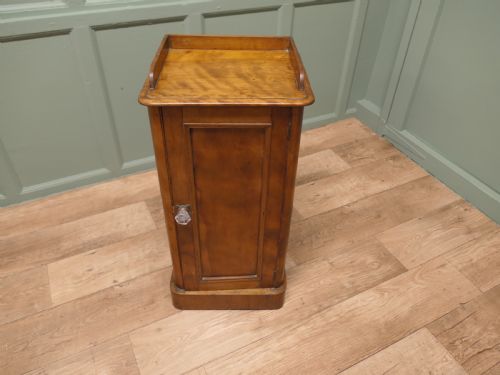
- Pot cupboard
- A small bedside cabinet originally constructed to house a chamber pot. These compact units typically feature a single door and sometimes a small drawer.
Antique Timber Cabinet: Frequently Asked Questions
How do I date an antique timber cabinet?
Dating relies on examining construction methods, timber choices, and hardware styles. Hand-cut dovetails, secondary woods like pine or oak behind primary veneers, and original brasses often point towards specific centuries.
Stylistic cues such as Gothic Revival tracery, Arts and Crafts simplicity, or Art Deco curves help narrow down the decade of manufacture alongside any maker stamps.
Can I use an antique cabinet in a modern kitchen?
These cabinets adapt well to contemporary spaces, providing character and robust storage that flat-pack furniture cannot match. Sideboards and cupboards serve as kitchen islands or pantries.
Display cabinets and bookcases work effectively in living areas for dinnerware or books, provided humidity and direct sunlight are managed properly.
How should I care for waxed timber surfaces?
Maintain waxed timber by applying a quality beeswax paste occasionally and buffing it with a soft, clean cloth. Avoid silicone sprays and excessive moisture.
Keep wooden cabinets away from direct heat sources and radiators to prevent the timber from drying out, shrinking, or splitting.