






Antique Timber Brackets
These antique timber brackets are architectural carvings and wall supports sourced from Georgian, Victorian, and earlier centuries.
Antique Timber Brackets
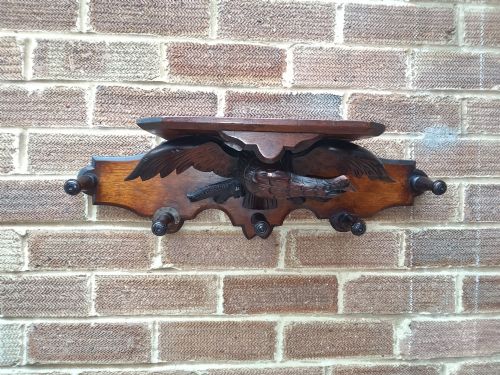
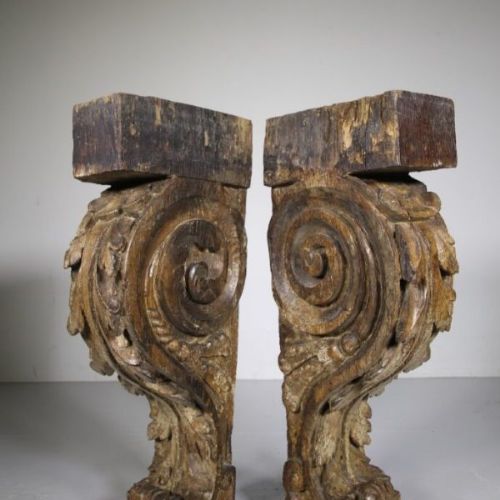
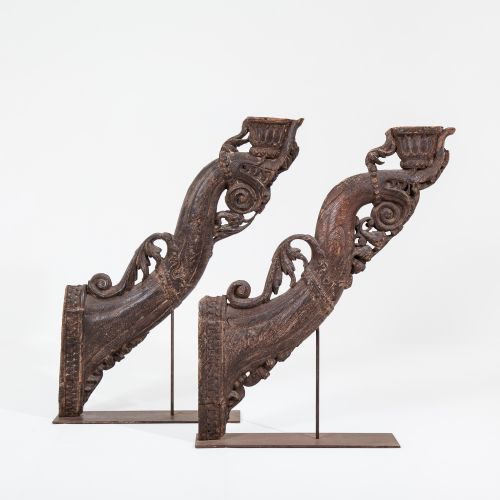
When you search for antique timber brackets, you encounter architectural salvage and wall supports spanning the seventeenth to nineteenth centuries. These pieces appear in forms such as large carved corbels, building brackets, and architectural carvings shaped from solid woods.
The selection here includes seventeenth-century oak carvings alongside eighteenth-century architectural brackets and later pine or oak pieces. They originate from British, Continental, and domestic architectural settings, functioning originally to support beams, shelves, or structures.
How they were made
Craftsmen shaped these items from dense native and imported timbers, predominantly oak, mahogany, walnut, and pine, working by hand with chisels and gouges. The material dictated the depth and crispness of the carving, with harder woods holding intricate detail over centuries.
Surfaces frequently retain their original patination, sometimes enhanced by early finishes or wax without modern intervention. Structural integrity relied on solid timber construction, jointed or pegged to bear weight in buildings.
Antique Timber Brackets Retail Price Guide 2026
Typical asking prices for timber brackets among the pieces listed under this phrase on Sellingantiques today, from the lower quarter to the upper quarter. They describe what is for sale here now, not the wider market.
One seventeenth-century oak corbel quietly depicts a medieval man who looks as though he has spent four hundred years holding up the ceiling.
What varies in quality
Quality rests in the depth, vigour, and precision of the hand-carving executed by the artisan. Bold relief work and anatomically convincing figures or crisp foliate details distinguish superior examples from plain or mechanically smoothed alternatives.
The choice of timber and the preservation of original surface patination also determine the standing of a piece. Well-figured oak, walnut, or mahogany that retains its authentic age character commands greater regard among collectors.
William Gomm·Connell of London
The Antique Timber Brackets Glossary
- Corbel
- A structural member projecting from a wall to support a weight inside or outside a building. These are often carved in figurative or scroll designs.
- Architectural salvage
- Building elements rescued from structures undergoing demolition or alteration. This category preserves decorative woodwork for reuse in interior design.
- Caryatid
- A sculpted female figure serving as an architectural support taking the place of a column or a pillar. Examples in this category date from the seventeenth century.
- Patina
- The surface sheen and colour developed on timber through age, handling, and waxing. It serves as an indicator of authenticity and historical depth.
Antique Timber Brackets: Frequently Asked Questions
How were timber brackets used originally?
These pieces served primarily as structural supports beneath ceiling beams, mantelpieces, or projecting masonry. They transferred the weight of upper elements down into the vertical wall.
Over time, many survived independently as decorative architectural salvage when buildings were remodelled or demolished.
How do I mount an antique bracket on a wall?
Mounting requires assessing the weight of the timber and fixing through secure structural points at the back. Professional installation ensures the bracket bears load safely if used to support a shelf.
Many collectors choose to display larger architectural carvings simply as sculptural objects mounted on custom brackets.
How can I tell the period of a carved bracket?
Dating relies on the style of the carving, the choice of timber, and tool marks left on the wood. Seventeenth-century pieces often feature robust oak figures and geometric strapwork.
Eighteenth and nineteenth-century examples shift towards classical motifs like acanthus leaves, scrollwork, or Corinthian capitals reflecting prevailing architectural tastes.
Should I refinish the wood on an old bracket?
Stripping or varnishing destroys the historic surface patination accumulated over centuries. Preservation of the original timber skin maintains both the visual depth and the historical integrity of the object.
Gentle cleaning with appropriate wax is usually sufficient to maintain the condition without altering the surface.