



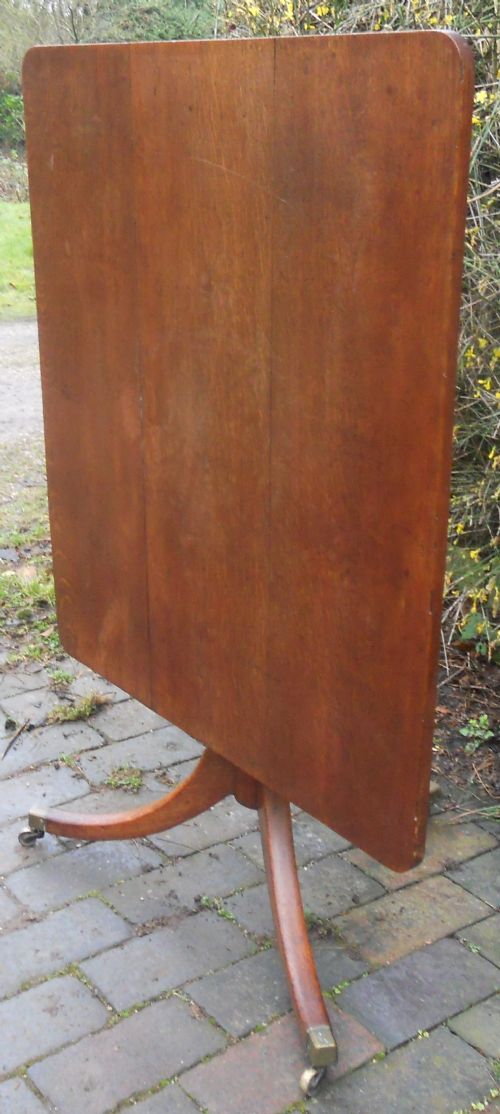
Antique Tilting Desk
An antique tilting desk offers adjustable surfaces for reading, writing, and drafting, combining functional mechanics with period cabinetmaking.
Antique Tilting Desk
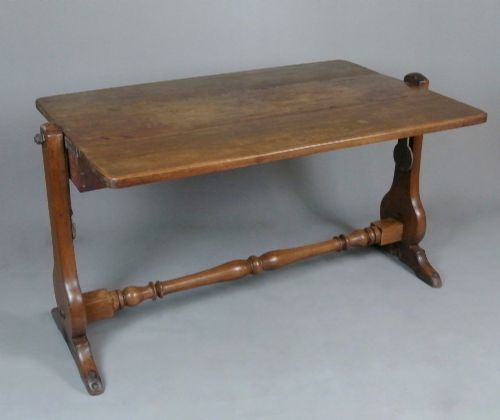
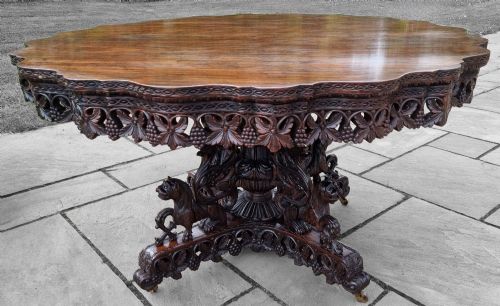
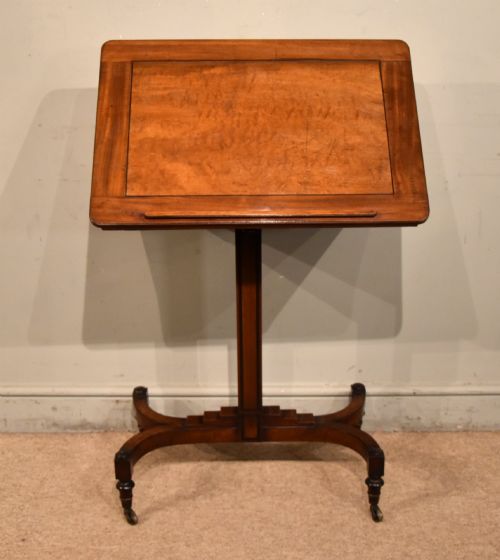
An antique tilting desk serves as a specialised surface designed for reading, writing, and drafting, featuring adjustable mechanisms that alter the angle of the top. Buyers seeking an antique tilting desk find forms ranging from library reading tables and music stands to campaign pieces and architects' tables.
The pieces listed on this page span several centuries and styles, drawing heavily from the Regency, Georgian, and Victorian periods. Mahogany remains the most common primary timber encountered, alongside oak, padauk, and solid teak.
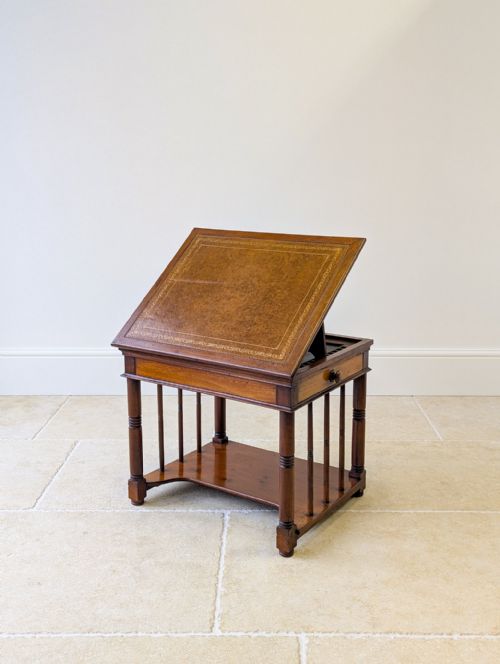
Functional variations include reading stands, lecterns, swivel desk chairs, and double-sided tables equipped with brass fittings and leather inserts. These items originate from British, Dutch, and Anglo-Indian workshops, reflecting the diverse domestic and colonial requirements for adjustable furniture.
How they were made
Cabinetmakers constructed these desks primarily using dense hardwoods like mahogany and oak, which provided the structural stability needed for moving parts. Secondary timbers such as pine appear in internal or utilitarian constructions.
Adjustable mechanisms rely on brass ratchets, iron hardware, and pivoting pivots that permit the top to tilt or swivel securely. Surfaces frequently incorporate fitted leather writing panels or marquetry inlay to finish the top.
Antique Tilting Desk Retail Price Guide 2026
Typical asking prices for tilting desk among the pieces listed under this phrase on Sellingantiques today, from the lower quarter to the upper quarter. They describe what is for sale here now, not the wider market.
Several Victorian pieces include mobility aids and bed attachments, proving that nineteenth-century inventors took breakfast in bed very seriously.
What varies in quality
The sophistication of the mechanical adjustment mechanism dictates much of the distinction between standard examples and finer pieces. Solid timber selection, crispness of carving, and the integration of brass fittings show the maker's hand.
Proportion and secondary details, such as marquetry inlay or the execution of turning on pedestals, separate simpler utility items from grand library tables and architect's desks.
The Antique Tilting Desk Glossary
- Tilting top
- A writing or reading surface mounted on a ratchet or pivot mechanism that alters the angle relative to the base. This allows users to read or draft at an incline.
- Campaign table
- Portable furniture made for travel, typically featuring folding legs, brass mounts, and durable timbers such as teak or mahogany. These pieces disassemble or fold for transport.
- Ratchet support
- An adjustable toothed metal arm underneath the reading surface that locks the tilting top at various angles. It allows precise control over the slant of the desk.
- Marquetry
- Decorative veneer work arranged in geometric or pictorial patterns across the surface of a table or desk. Artisans use contrasting woods to create detailed designs.
Antique Tilting Desk: Frequently Asked Questions
What is the difference between a reading table and an architect's desk?
Reading tables generally feature smaller surfaces designed to hold books, music sheets, or folios at an angle. They often include ratchets and book ledges.
Architect's desks provide larger flat surfaces with internal drawers for tools and papers, occasionally incorporating a tiltable centre section for drafting.
Were campaign tilting desks used by the military?
Yes, campaign furniture was manufactured for officers on military campaigns or colonial service. These pieces needed to withstand travel and assemble quickly.
Solid teak and mahogany were chosen for their resistance to humidity and rough handling, fitted with robust brass corners.
How do I care for the leather inserts on these desks?
Leather writing surfaces require gentle cleaning with a slightly damp cloth followed by a suitable leather cream or wax. Avoid using harsh chemical cleaners that dry out the material.
Keep the desk away from direct sunlight and heat sources to prevent the leather from cracking or shrinking over time.