
Antique Tilt Top
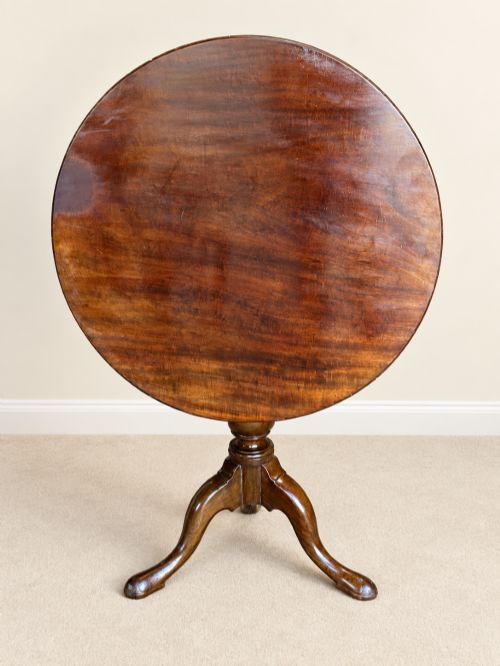
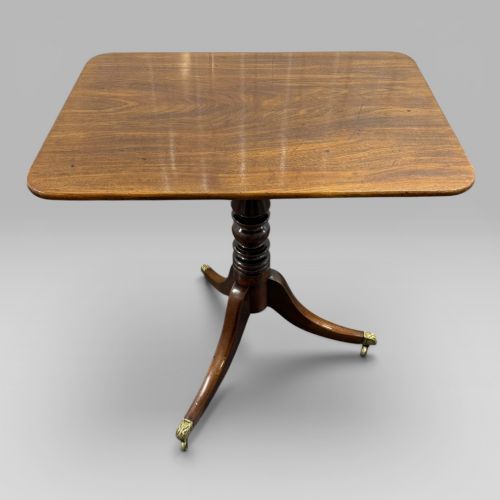
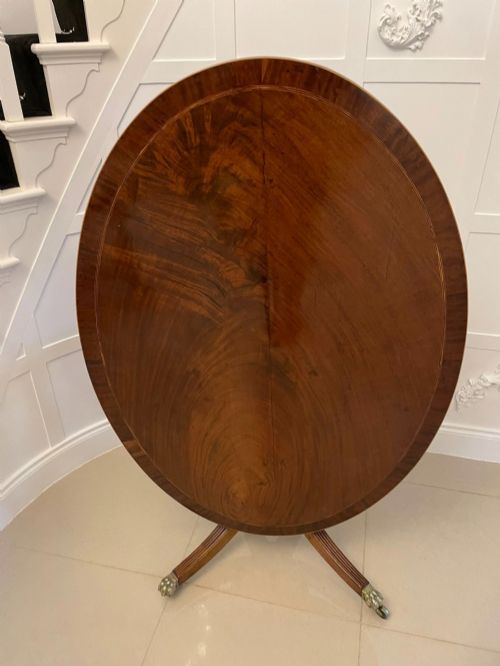
These antique tilt top tables fold flat for storage and tilt up when not in use, offering clever engineering wrapped in fine timber.
Antique Tilt Top
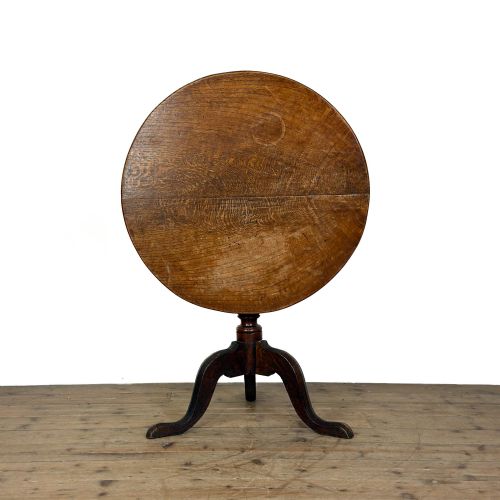
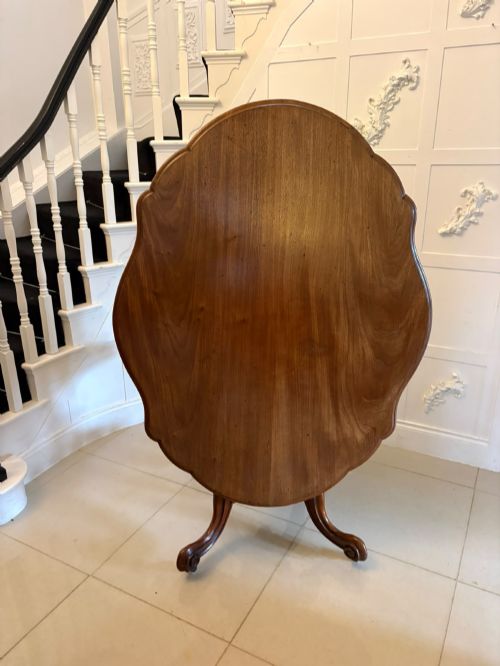
When you search for antique tilt top, you are looking at clever tables designed to fold upright against a wall or corner when floor space matters. The selections here span the eighteenth and nineteenth centuries, including Georgian, Regency, and Victorian periods.
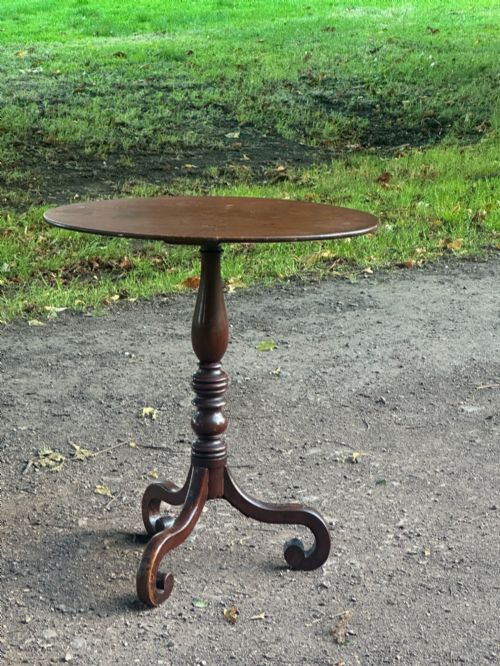
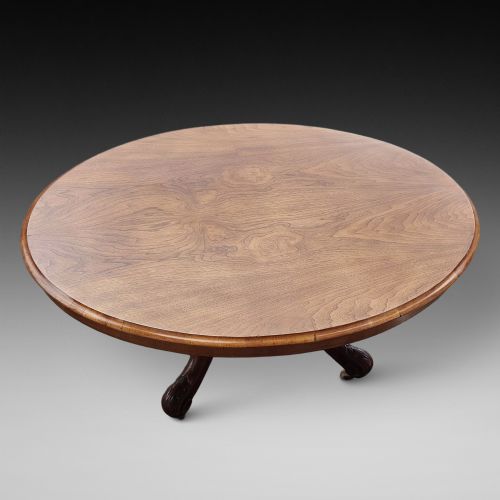
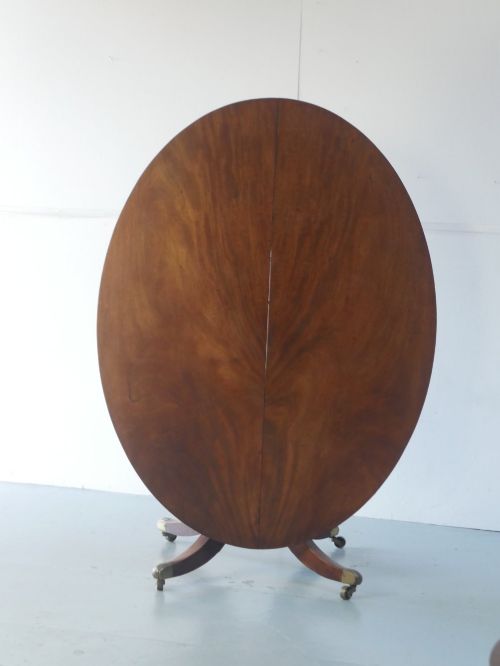
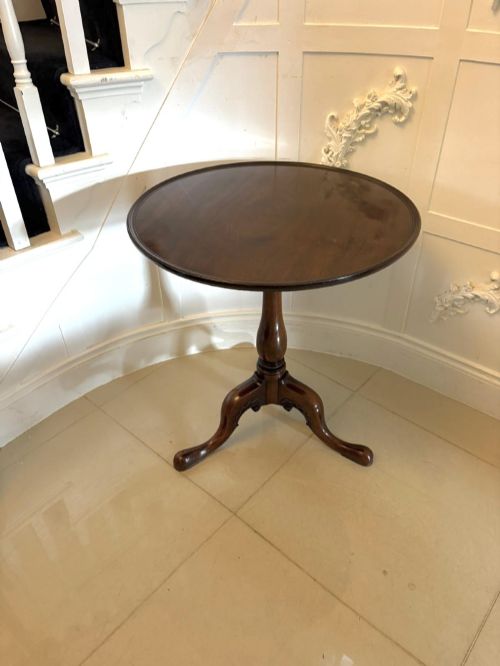
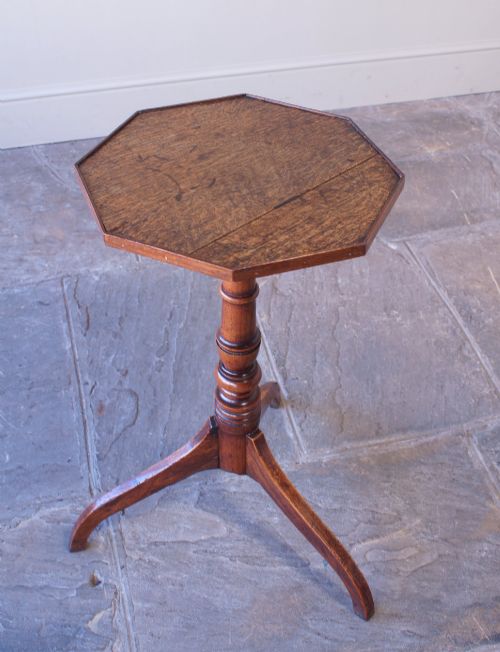
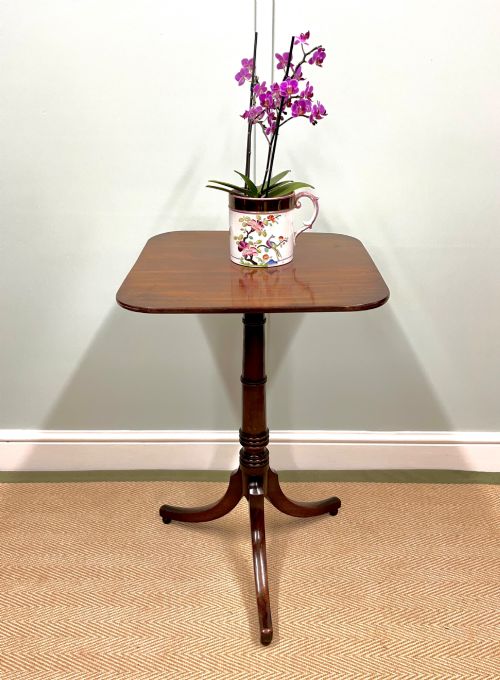
The most common forms on this page are tripod wine tables, lamp tables, and occasional tables supported by a single central pedestal with three legs. Larger dining and centre tables also appear, offering circular or oval tops supported on heavy pillars.
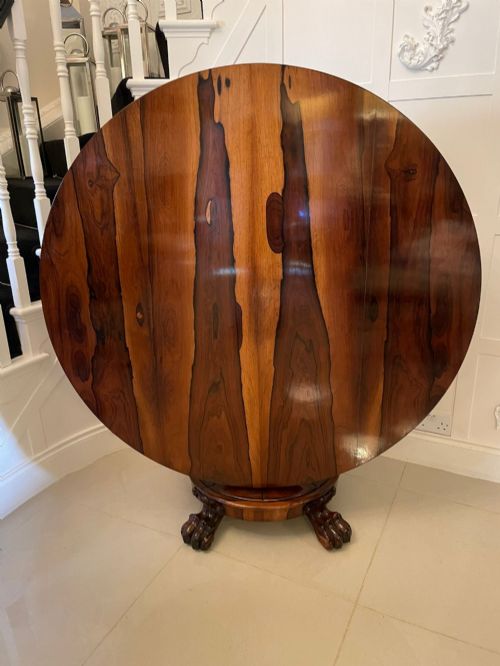
Timbers vary widely across these eras, with mahogany, oak, rosewood, and walnut appearing regularly alongside rarer highlights like burr walnut and satinwood crossbanding.
How they were made
Cabinetmakers constructed these pieces using solid timbers and decorative veneers such as mahogany, rosewood, and burr walnut, often supported by turned pedestals and brass casters.
The mechanism relies on a clever catch or block beneath the surface, allowing the top to pivot and snap flat or upright as needed.
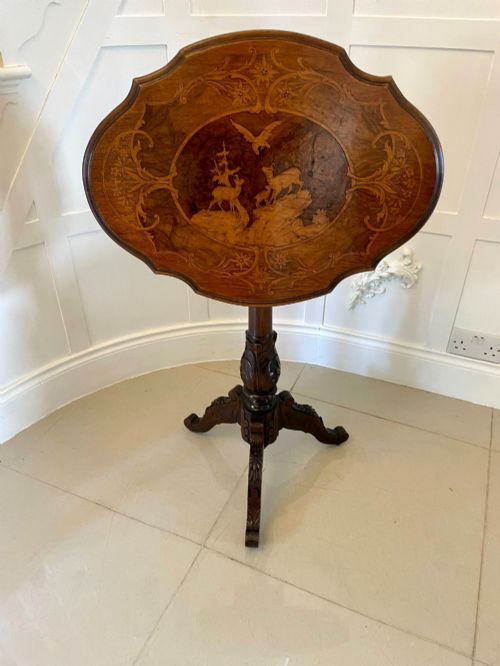
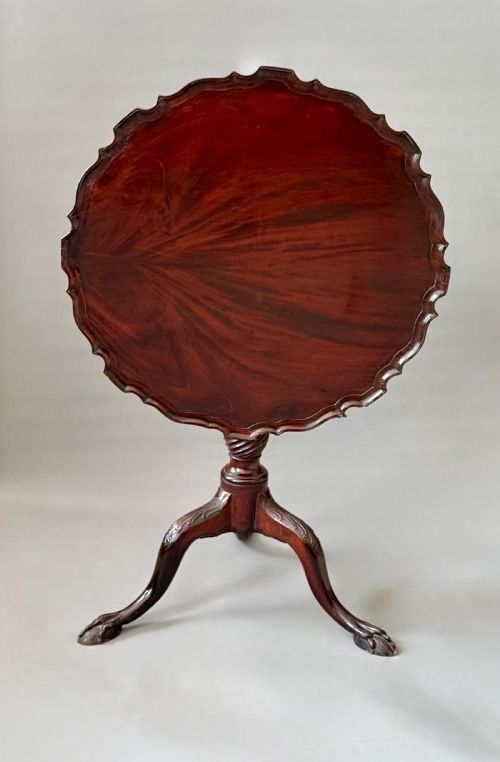
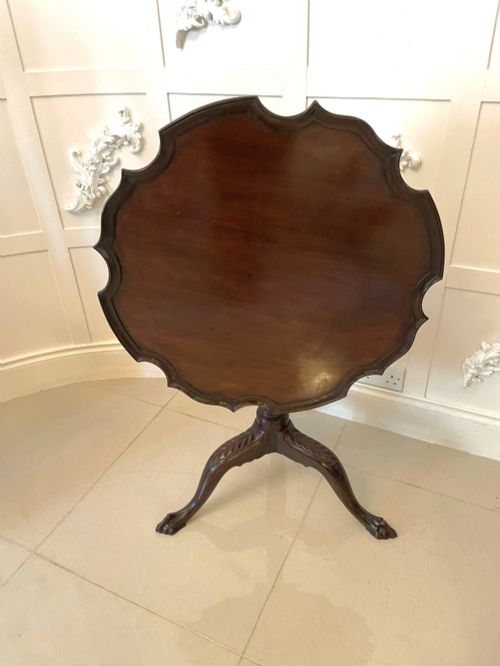
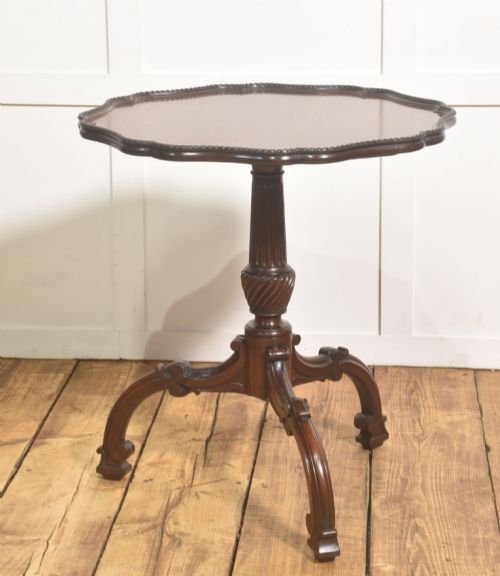
Surface decoration includes intricate marquetry, parquetry, brass inlay, and carved piecrust edges shaped directly from the solid wood.
Listings span the Georgian, Regency, and Victorian eras, utilising mahogany, rosewood, oak, and walnut.
What varies in quality
Quality rests in the crispness of the carving, the selection of figured wood grains, and the stability of the tilting mechanism. Finer examples display hand-carved tripod legs and seamless table catches that lock securely into place without wobble.
The choice of timber creates a distinct hierarchy, shifting from plain country oak and elm to highly figured mahogany, rosewood, and burr walnut with elaborate crossbanding.
Gillows
The Antique Tilt Top Glossary
- Tilt top
- A table mechanism allowing the surface to pivot into a vertical position for storage. This clever design saved valuable floor space in historical rooms.
- Tripod table
- A small freestanding table supported by a central pillar resting on three legs. These form the backbone of the smaller tables found here.
- Pie crust edge
- A raised, decorative carved rim shaped to resemble pastry work on a pie. Cabinetmakers carved this intricate profile directly from solid mahogany.
- Snap top
- An alternative term for a tilt top table utilising a metal catch to hold the surface rigid when horizontal. It prevents the top from tipping accidentally during use.
- Marquetry
- Decorative veneer work forming pictorial or geometric patterns using various coloured woods. Italian and Victorian examples often showcase this technique on the tabletop.
Antique Tilt Top: Frequently Asked Questions
What is an antique tilt top table?
An antique tilt top table is a piece featuring a hinged mechanism beneath the surface, allowing the top to pivot vertically. This design enabled the table to stand flat against a wall when not in use.
Most examples date from the eighteenth and nineteenth centuries, built from timbers like mahogany, walnut, and rosewood.
How do I use a tilt top table today?
These tables function well as lamp tables, wine tables, or occasional surfaces in modern living spaces. Their compact footprints suit corners and tight hallways.
When floor space is needed, simply release the catch and tilt the top upright to display the timber grain.
How do I identify a Georgian tilt top table?
Georgian pieces often utilise solid mahogany or oak, featuring tripod bases with pad feet or snake feet. The mechanism typically relies on a wooden birdcage or block catch.
Proportions remain elegant and restrained, avoiding the heavier ornamentation seen in later Victorian periods.
What is the difference between a wine table and a centre table?
Wine tables are small, portable tripod pieces designed to hold a single glass or bottle beside a chair. Centre tables are larger, heavier pieces meant to stand in the middle of a room.
Centre tables frequently serve as dining or breakfast surfaces and rarely feature tilting mechanisms.