
Antique Tilt Top Snap Table
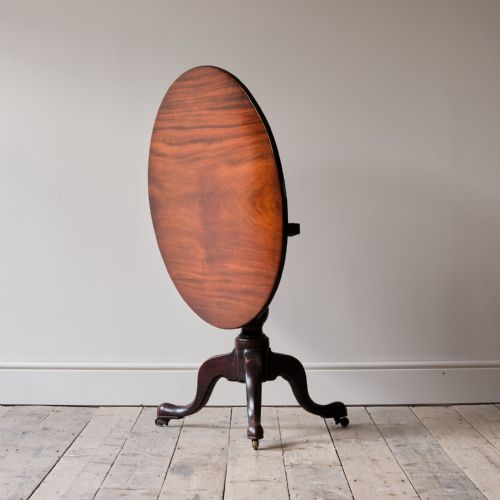
An antique tilt top snap table folds flat against the wall when not in use, combining ingenious space-saving engineering with exceptional timber.
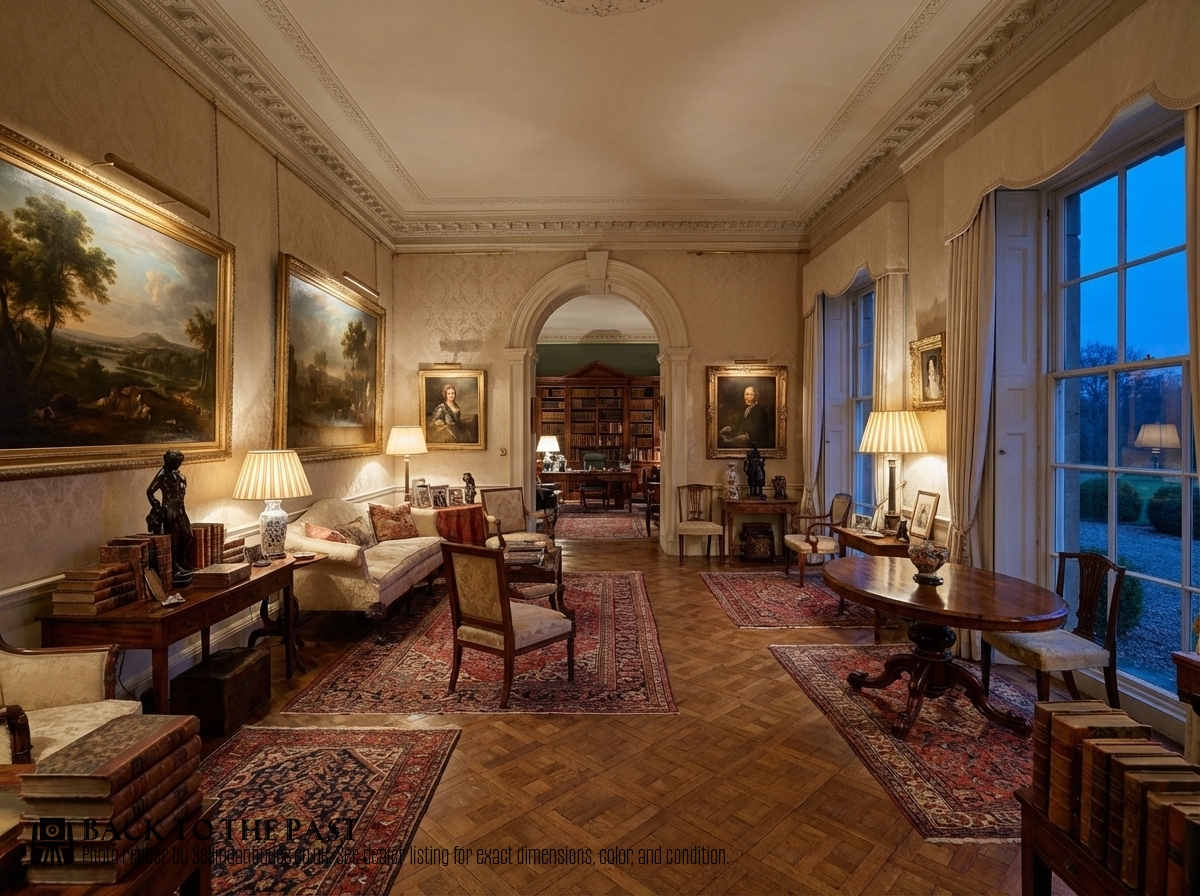
Antique Tilt Top Snap Table
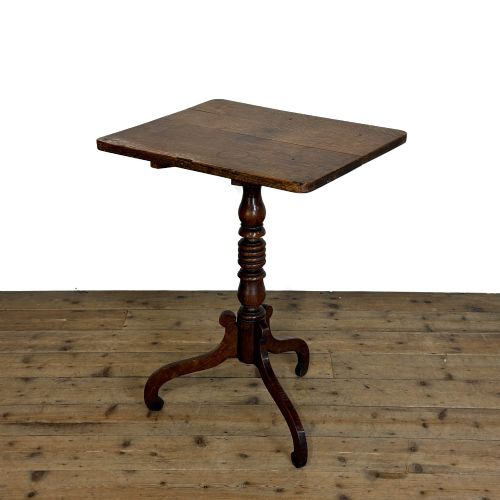
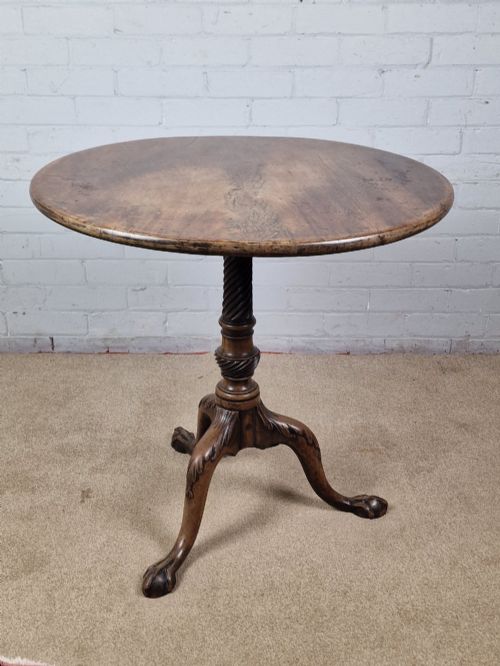
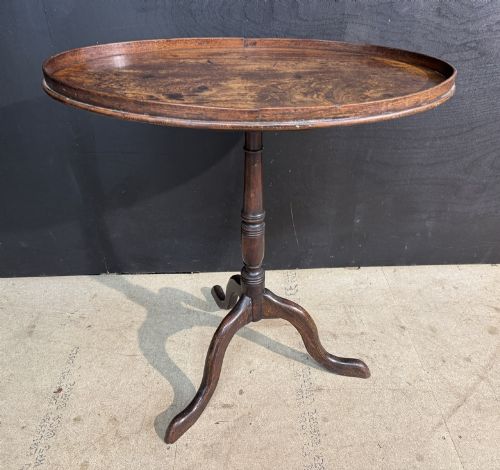
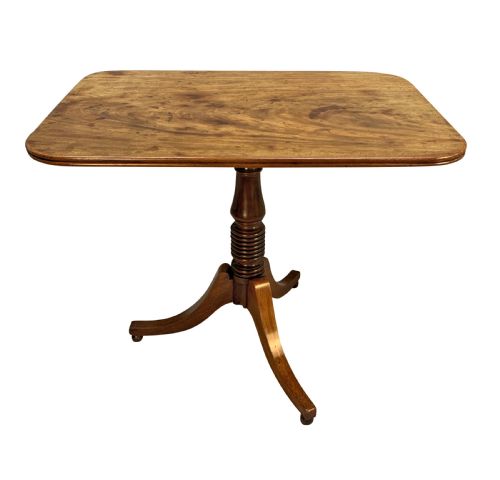
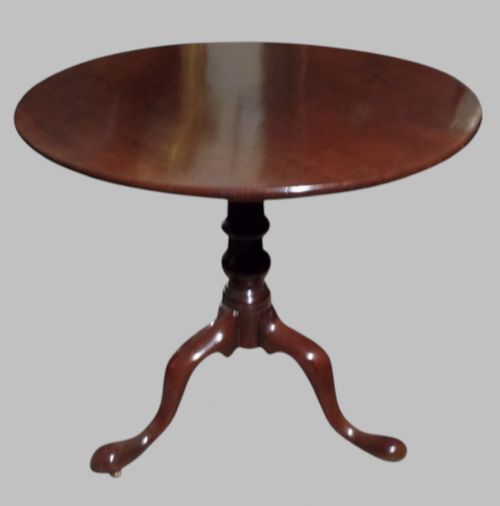
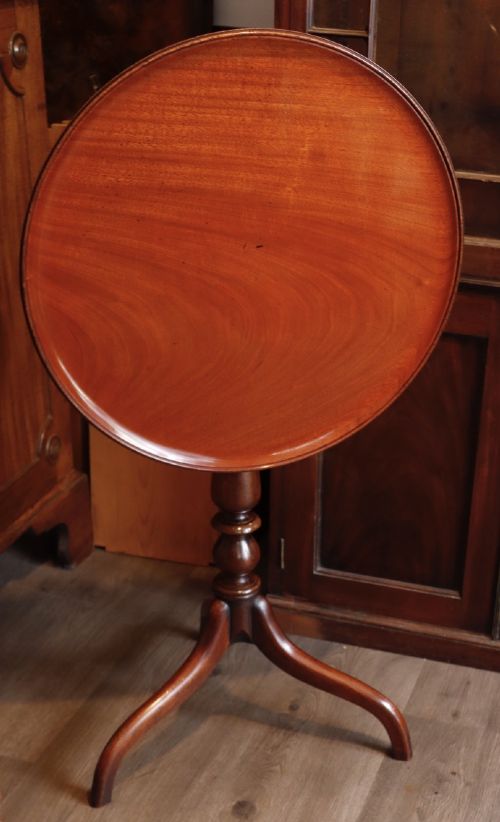
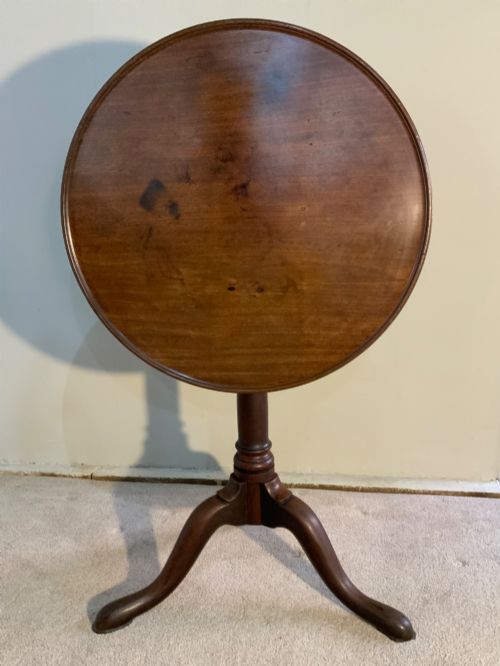
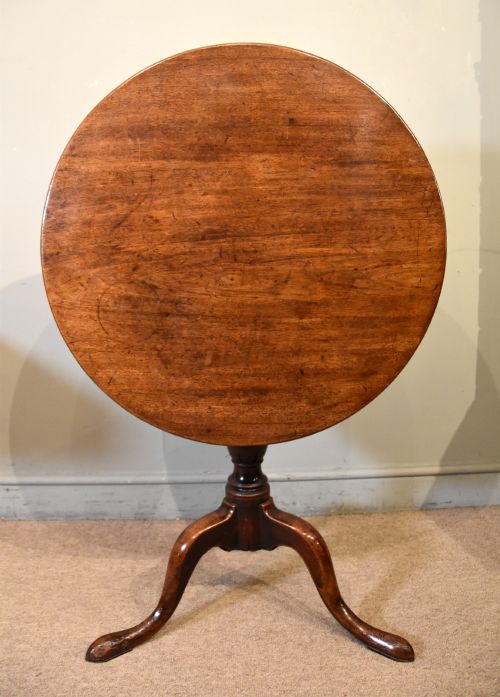
An antique tilt top snap table is a versatile piece designed to save space in domestic interiors by tipping the tabletop into a vertical position when idle. The listings show forms ranging from small wine tables and occasional tables to larger dining and breakfast formats, often supported on tripod pedestals.
Buyers will most frequently encounter mahogany examples dating from the Georgian and Victorian periods, alongside occasional walnut, oak, and fruitwood variants. These tables typically feature a revolving or tilting mechanism, sometimes incorporating a birdcage action atop a central pillar.
Origins span 18th-century workshops through to 19th-century interpretations and later revival pieces. The enduring appeal lies in the combination of a functional pivoting surface with classical tripod or pillar supports.
Materials and construction
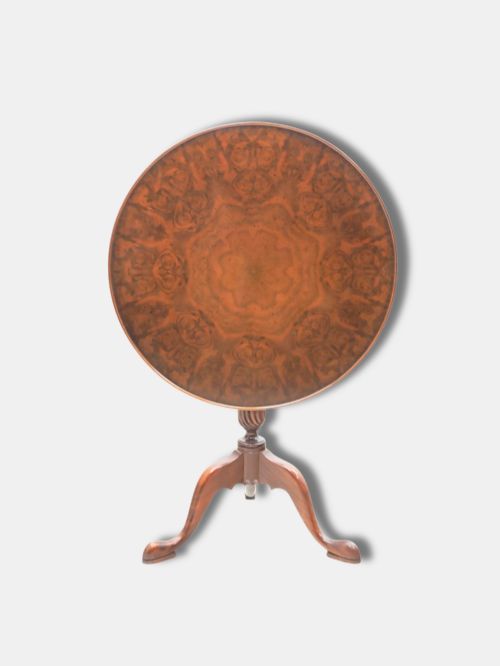
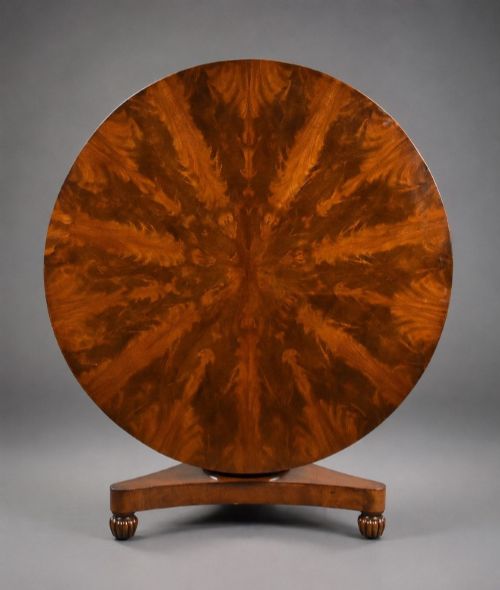
Cabinetmakers relied heavily on solid mahogany, oak, and walnut, frequently enhancing surfaces with flame mahogany veneer, burr walnut veneer, or lacquer. Timber selection dictated both the visual richness and the structural stability of the pivoting top.
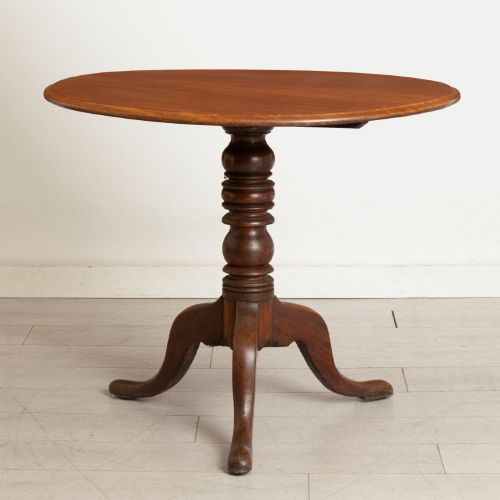
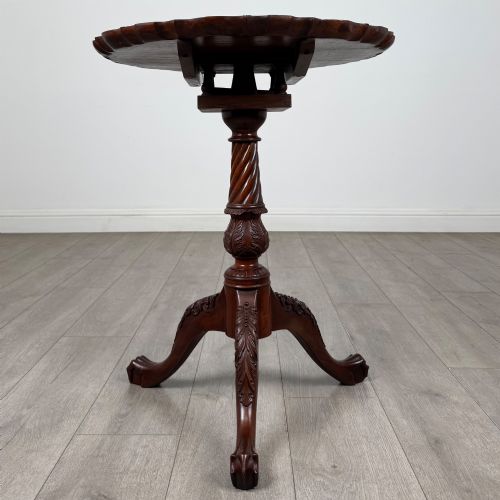
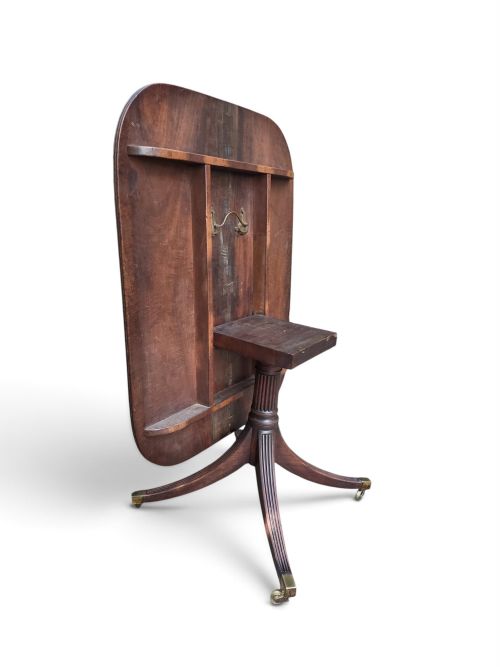
The mechanism relied on clever joinery, including the traditional birdcage action and pivoting catches that locked the top securely in place. Tripod bases were jointed directly into central pedestals, often finished with brass casters on larger Regency and Victorian examples.
The inventory spans the Georgian, Regency, and Victorian eras, alongside 20th-century revival pieces.
Distinctions in quality
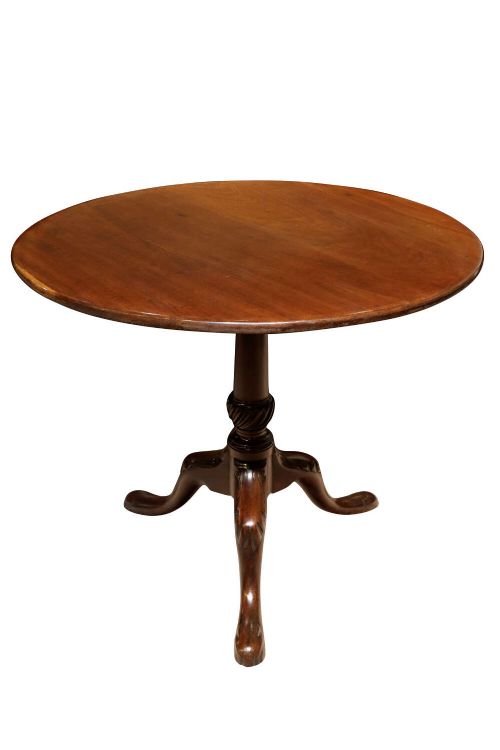
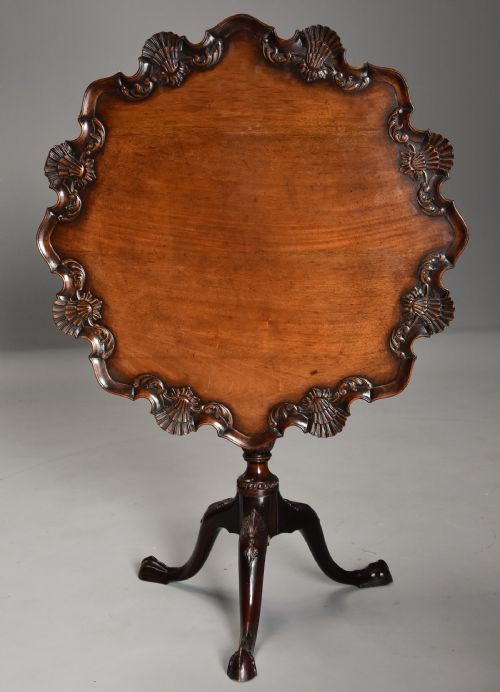
Quality rests upon the crispness of the timber carving, particularly on tripod legs and piecrust borders, where hand-carved details demand high artisan skill. The sophistication of the mechanism also marks the grade, with complex birdcage actions and smooth-revolving pivots representing superior craftsmanship.
The choice and figuring of the wood veneer substantially elevate a piece, as seen in richly grained flame mahogany and burr walnut selections. Proportional harmony between the top, the central column, and the base ultimately separates standard workshop production from finer studio output.
The Antique Tilt Top Snap Table Glossary
- Tilt top
- A tabletop mounted on a pivoting mechanism that allows the surface to be folded into a vertical position when not in use. This clever adaptation saved valuable floor space in historic rooms.
- Snap top
- An alternative term for a tilt top table, utilising a catch or spring mechanism to snap the surface securely back into the horizontal position. It prevents the table from tipping accidentally during use.
- Birdcage
- A revolving wooden framework situated beneath the tabletop that permits the surface to both tilt and rotate. This complex mechanism is typical of finer 18th-century tripod tables.
- Tripod base
- A supporting pillar anchored by three diverging legs, frequently terminating in pad feet or claw and ball feet. It provides stable floor contact on uneven historical flooring.
- Piecrust edge
- A raised, decoratively carved tabletop rim shaped in undulating curves resembling pastry work. This ornate border is commonly associated with mid-Georgian mahogany tables.
Antique Tilt Top Snap Table: Frequently Asked Questions
How were tilt top tables used historically?
These tables served multiple functions in domestic interiors, operating as tea tables, wine tables, or occasional surfaces for the evening.
Because the top tipped vertically, servants could easily tuck the furniture against the perimeter of a parlour or dining room to clear floor space for dancing or other activities.
What is a birdcage mechanism?
The birdcage is a small wooden cage-like structure of intersecting spindles placed directly beneath the pivoting tabletop.
It allows the surface to rotate horizontally as well as tilt vertically, providing greater flexibility and mechanical sophistication.
How do I care for an antique wood table?
Keep wooden tables away from direct heat sources and strong sunlight to prevent the timber and delicate veneers from drying out or splitting.
Regular dusting with a dry cloth and occasional application of appropriate wax will maintain the lustre of the historic finish.
How do I distinguish Georgian from Victorian examples?
Georgian pieces, particularly those from the 18th century, generally display lighter proportions, finer cabinetwork, and restrained classical carving on the tripod legs.
Victorian iterations tend to be heavier in scale, utilising darker finishes, bolder turnings, and occasionally broader pedestals fitted with brass casters.