



Antique Thuringian Porcelain
Antique Thuringian porcelain brings cabinet figures and figural candlesticks from German factories like Volkstedt and Sitzendorf into your home.
Antique Thuringian Porcelain
When you search for antique Thuringian porcelain, you find glazed hard-paste ceramic figures, sweetmeat dishes, candlesticks and candelabra produced in the German region of Thuringia. These pieces span the eighteenth, nineteenth and early twentieth centuries, encompassing Georgian and Victorian eras.
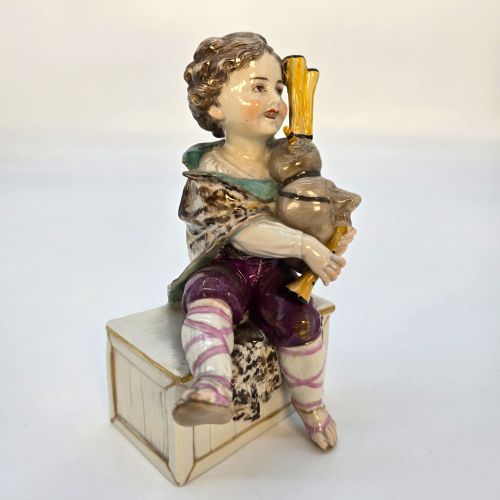
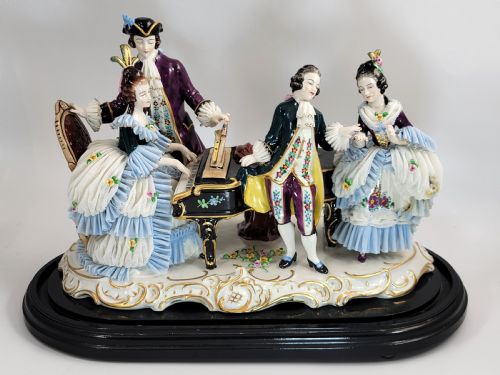
The most common forms on this page are nineteenth-century figurines, often depicting musicians, gardeners, shepherds, or children, frequently modelled as pairs or single decorative items. Alongside these stand larger figural groups and table lamps, showing the sustained output of Thuringian kilns.
How They Were Made
Thuringian factories utilised hard-paste porcelain, a durable ceramic body fired at high temperatures to achieve a vitrified, dense structure. Artisans coated this body with glaze before adding detailed hand-painted enamel colours and gold leaf highlights.
Makers shaped the detailed forms through mould-pressing and hand-modelling, incorporating delicate elements such as applied porcelain lace. Final decoration involved fixing the enamel paints and gilt details in a second, lower-temperature kiln firing.
Antique Thuringian Porcelain Retail Price Guide 2026
Typical asking prices for thuringian porcelain among the pieces listed under this phrase on Sellingantiques today, from the lower quarter to the upper quarter. They describe what is for sale here now, not the wider market.
Materials recorded on this page cover hard-paste porcelain, enamel, gold leaf, and glaze applied to figures, lamps, and sweetmeat dishes.
What Varies in Quality
The application of enamel and gold leaf also distinguishes the work. Finer items exhibit careful colour blending and precise gilding, whereas simpler productions rely on heavier, less nuanced brushwork.
Volkstedt Rudolstadt Factory·Richard Eckert·Limbach·Sitzendorf·Ernst Bohne Söhne·Gotthelf Greiner·Triebner ENS and Eckert
The Antique Thuringian Porcelain Glossary
- Hard-paste porcelain
- A durable ceramic paste composed of kaolin and petuntse, fired at high temperatures. This material forms the solid, vitrified body typical of German figures.
- Sweetmeat dish
- A small ornamental container used for confectionery or sweet delicacies. These pieces often feature figures incorporated into the design.
- Gilt
- A thin layer of gold leaf or gold paint applied to decorate highlights and borders. It adds reflective detail to the porcelain figures and candlesticks.
- Figural candelabra
- A branched lighting fixture supported or decorated by sculpted human or animal figures. Thuringian examples integrate these figures directly into the ceramic structure.
Antique Thuringian Porcelain: Frequently Asked Questions
What factories made Thuringian porcelain?
Production centres in the Thuringia region include factories in Volkstedt, Sitzendorf, and Limbach. Notable makers such as Ernst Bohne Söhne and Gotthelf Greiner operated in these areas.
These kilns produced a wide variety of hard-paste porcelain objects, ranging from individual figures to complex candelabra and lamps.
How are these porcelain figures dated?
Dating relies on factory marks stamped or painted on the base, stylistic traits such as Rococo revival or Victorian aesthetics, and known operating periods of makers. Comparing costume details also helps place items in the eighteenth or nineteenth century.
Many pieces carry specific decade attributions based on stylistic evolution and historical registry records from the region.
Where were sweetmeat dishes placed?
Sweetmeat dishes served as decorative table ornaments during formal dining in the Georgian and Victorian periods. Hosts filled them with small confections, nuts, or dried fruits for guests.
Their figural designs made them central conversation pieces on dining tables and mantelpieces.
How do I care for antique porcelain?
Clean these delicate pieces gently with a soft, dry brush to remove dust. Avoid using water or chemical cleaners, particularly on areas with hand-painted enamel or gold leaf.
Display them away from direct sunlight and areas subject to sudden temperature changes to protect the glaze and body.