




Antique Textile Fragments
Antique textile fragments bring centuries of domestic craft, tribal weaving and European workshop artistry directly into modern interiors as framed wall art.
Antique Textile Fragments
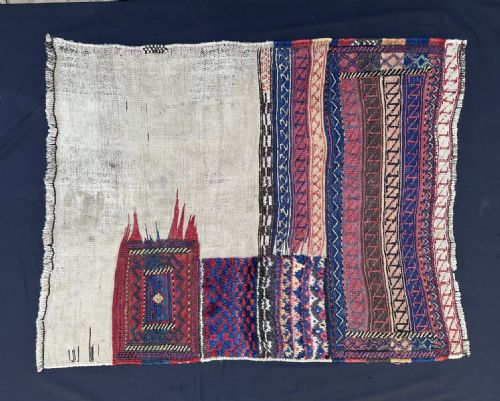
These pieces are surviving portions of larger woven, embroidered or tapped items, preserved from centuries past. When you search for antique textile fragments, you uncover remnants of nomadic bags, border sections of wall hangings and panels from bedsheets or tapestries.
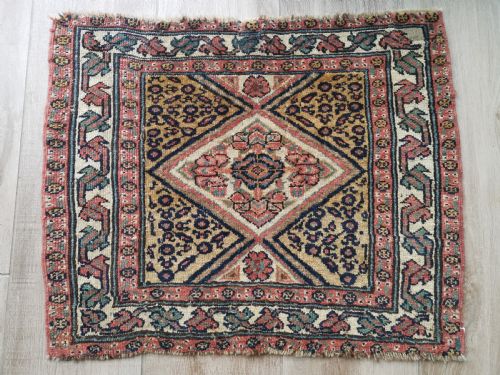
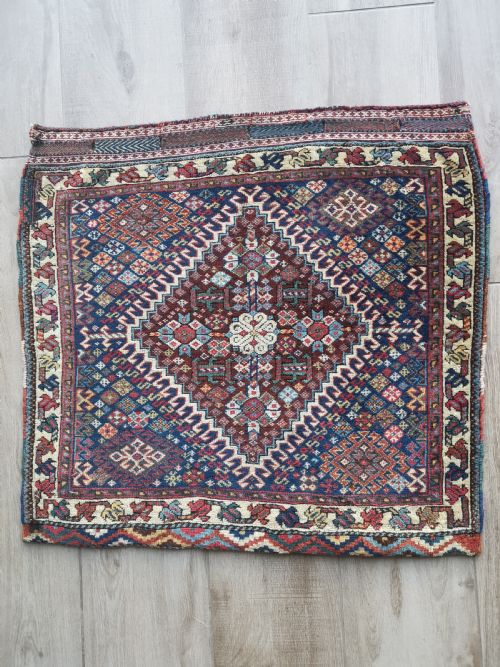
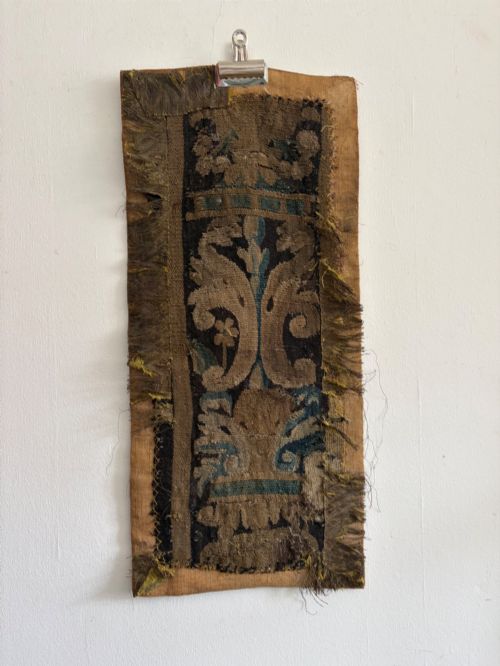
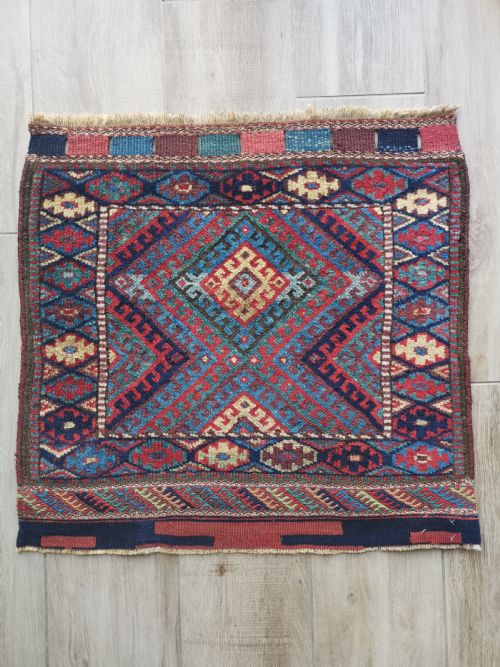
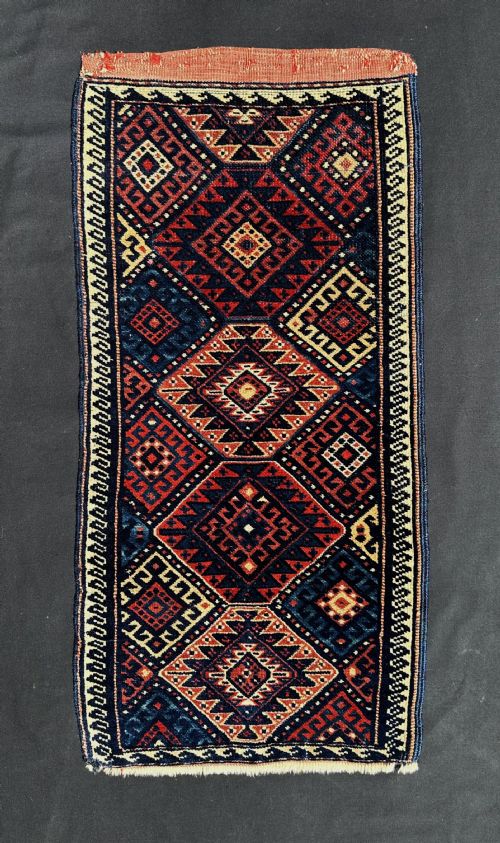
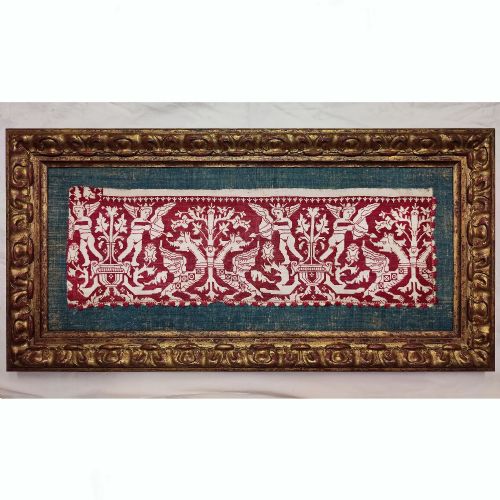
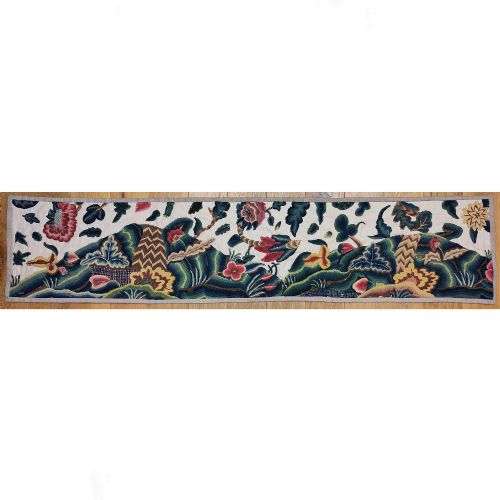
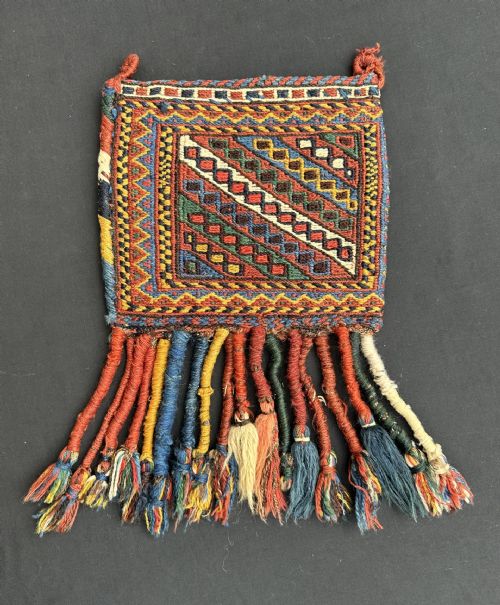
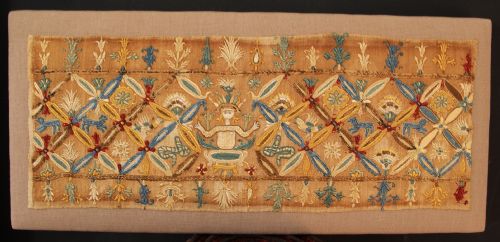
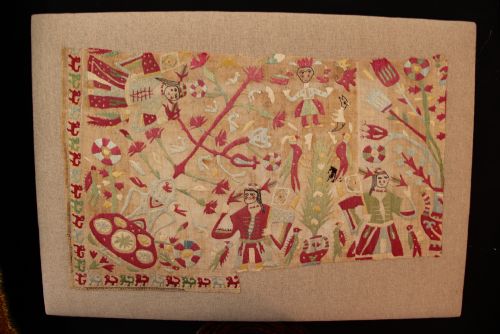
The selections span tribal bagfaces from Persian and Turkmen weavers alongside European verdure tapestries and Greek island embroideries. Most items on this page originate from the seventeenth through the nineteenth centuries, reflecting diverse regional traditions across Asia and Europe.
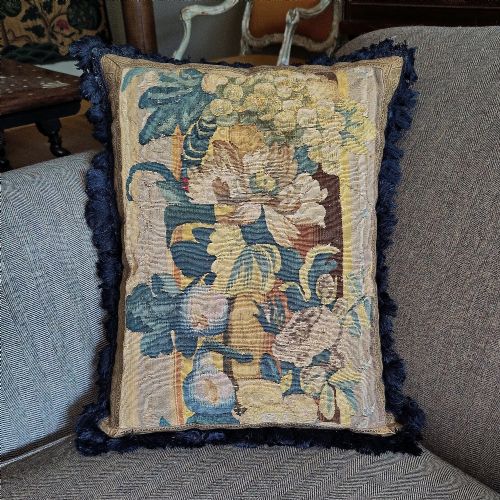
Many items represent functional nomadic items such as torba faces, salt bags and pillow covers reduced to their decorative faces. Others emerge from stately European workshops as fragments of larger pastoral landscapes and heraldic scenes.
Materials and construction methods
Materials rely heavily on natural fibres, combining hand-spun wool, cotton, linen and lustrous silk. Artisans employed natural dyes alongside metallic threads to build rich visual depth across tribal and European workshops alike.
Construction techniques range from fine hand-knotting and sumac weaving to intricate embroidery and high-warp tapestry weaving. Many fragile remnants are subsequently mounted onto supportive fabrics like linen or framed to ensure structural stability.
Some nomadic bags survived purely because goats found them too scratchy to chew.
Assessing quality in historical fragments
Quality rests upon the tightness of the weave, the intricacy of the design motifs such as guls or floral scrolls, and the vibrancy of the surviving natural dyes. Pieces exhibiting exceptionally fine knotting or detailed needlework demonstrate superior artisan skill.
Condition and the extent of original survival dictate the overall integrity of a remnant. The precision of mounting and the preservation of original selvedges or borders elevate standard remnants into collector-grade visual art.
The Antique Textile Fragments Glossary
- Torba
- A small storage bag produced by Turkmen tribes, usually featuring open compartments or specific gul patterns. Surviving faces are often mounted as wall art.
- Verdure Tapestry
- A European wall hanging featuring lush botanical scenes, foliage and trees. Fragments typically display woodland landscapes or animal figures.
- Gul
- A repeating geometric medallion motif used widely in Turkmen and Central Asian tribal weaving. Each tribe utilised distinct gul designs for identification.
- Sumac
- A flat-weave technique where coloured weft threads wrap around warp threads to create a textured finish. This method provides sturdy structure to tribal bags.
- Bagface
- The decorative front panel of a nomadic utility bag, preserved after the plain backing wore away. These panels function as compact rugs or textile art.
Antique Textile Fragments: Frequently Asked Questions
What are antique textile fragments?
These items are surviving portions of historical rugs, tapestries, tribal bags and traditional garments. They offer a tangible connection to historical textile arts from various global regions.
Most pieces represent functional objects reduced over time to their most decorative sections. Collectors mount and frame these remnants to preserve their intricate patterns and natural dyes.
How were these fragments used originally?
Nomadic tribes utilised woven bags for domestic storage, bedding transport and tent decoration. European workshops produced large tapestries and embroideries to insulate stone walls and adorn stately rooms.
Over decades or centuries, wear caused larger items to break apart. Surviving sections were salvaged for their beauty rather than discarded.
How do I display antique textile fragments safely?
Framing behind UV-protective glass shields fragile natural fibres from fading in sunlight. Professional mounting onto neutral linen provides vital structural support for heavy or delicate pieces.
Keep mounted textiles away from damp environments and direct heat sources. Gentle surface cleaning should be left to specialist conservators.
How can I tell tribal fragments apart?
Distinguishing regional styles depends on identifying specific motifs, colour palettes and weaving structures. Turkmen items frequently display geometric guls, whilst Persian nomadic pieces showcase tribal medallions.
European fragments typically feature floral verdure designs or classical figural scenes. Examining the back of the weave often reveals the specific technique employed by the maker.