

Antique Terracotta Vase
These pieces combine tactile earthen bodies with historic forms, offering an antique terracotta vase that brings warmth and sculptural weight to a room.
Antique Terracotta Vase
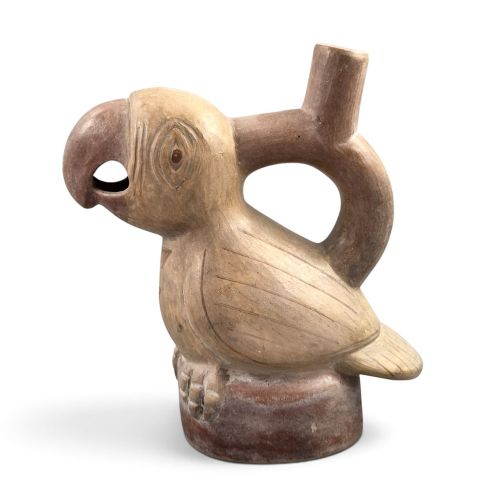
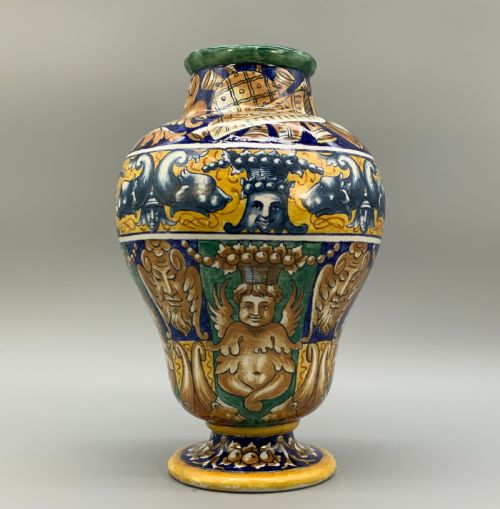
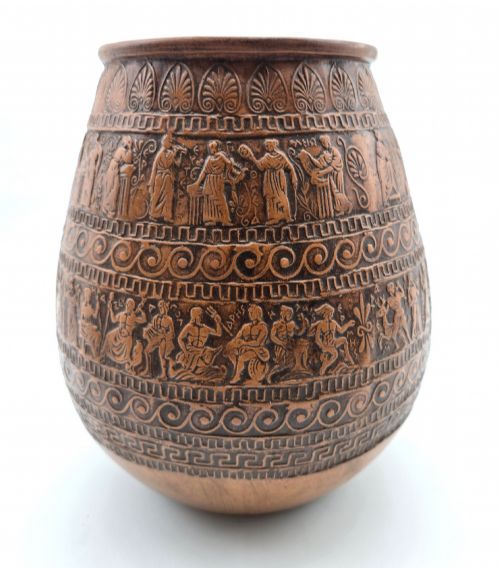
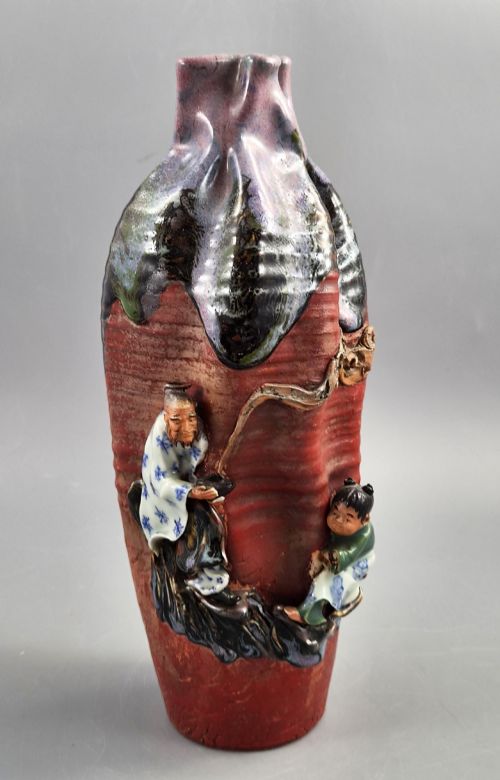
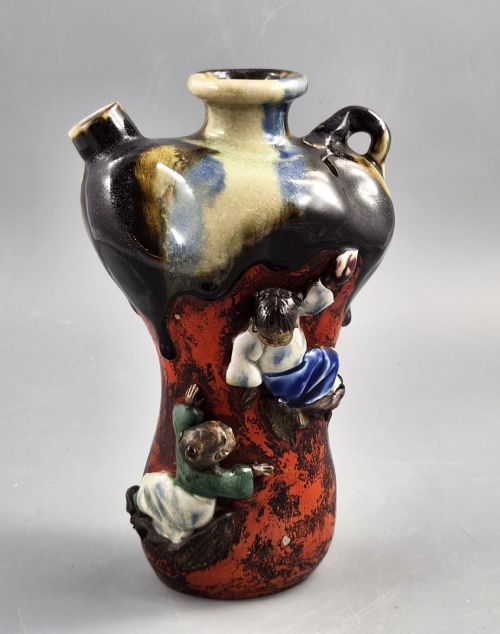
An antique terracotta vase encompasses a wide lineage of earthenware, pottery and ceramic vessels ranging from ancient pre-Columbian and Chinese Neolithic examples to 19th-century Mediterranean amphorae, French confit pots and Japanese Sumida Gawa creations. Buyers seeking this category encounter both utilitarian storage jars and decorative urns shaped in styles that span Victorian, Arts and Crafts, Renaissance Revival and Japanese Meiji periods.
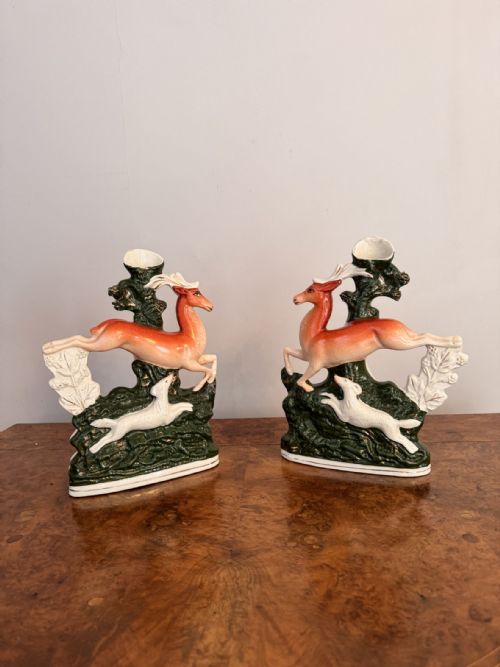
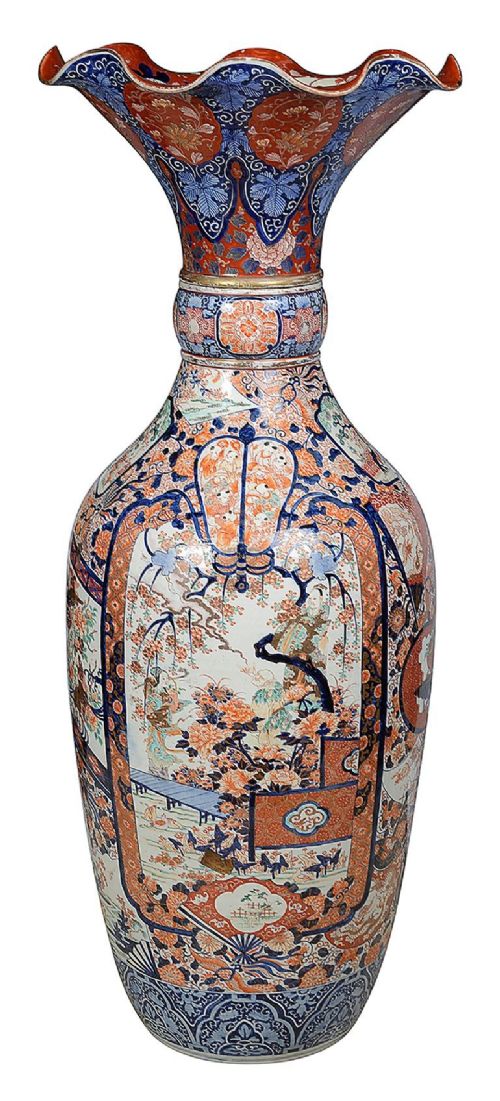
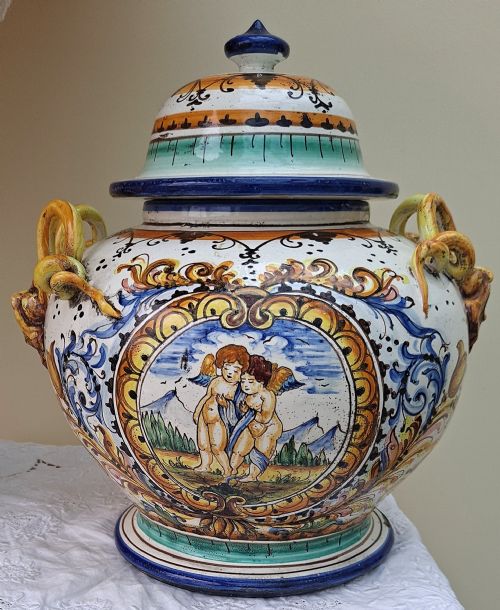
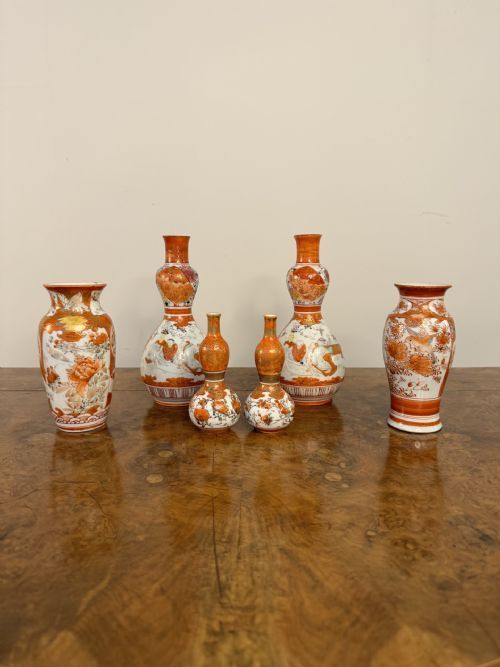
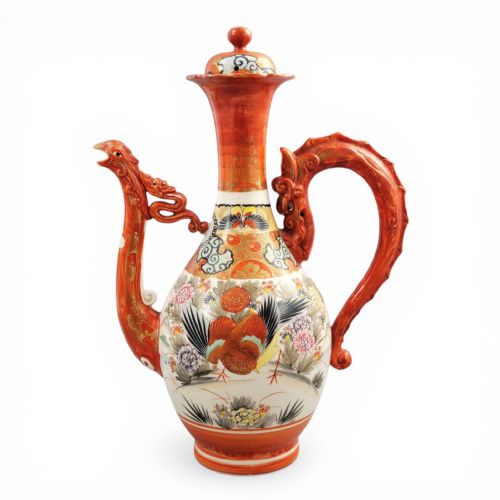
The selection on this page leans heavily toward 19th-century European and Asian iterations, including grand tour classical designs, Italian maiolica, and signed Japanese pottery from the Meiji and Taishō eras. Forms stretch from simple baluster shapes and floor vases to spill vases, ewers, and converted garden pots.
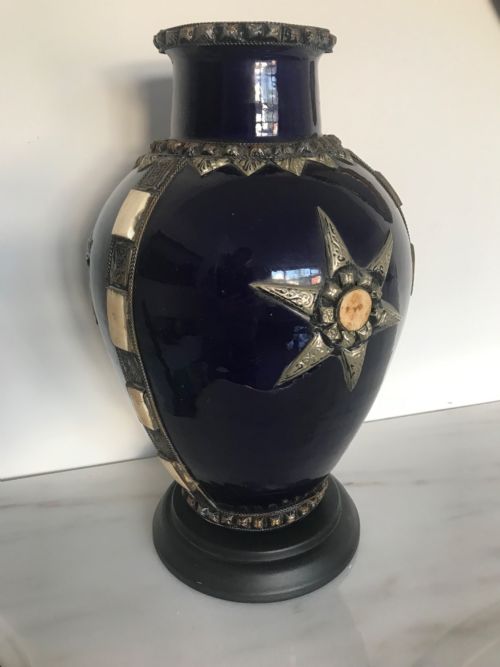
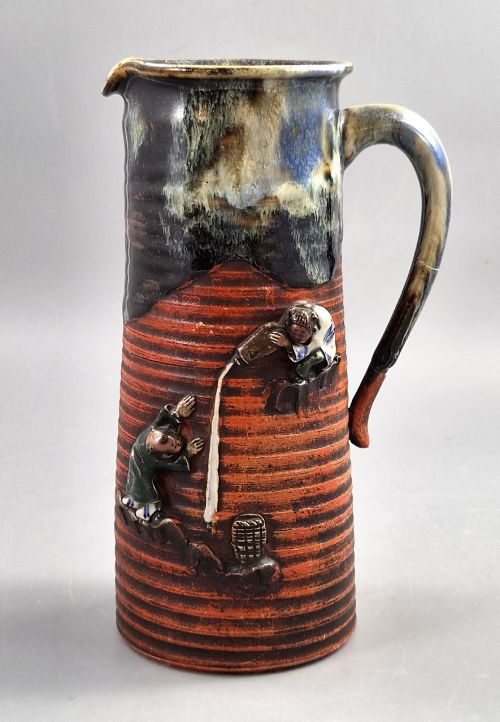
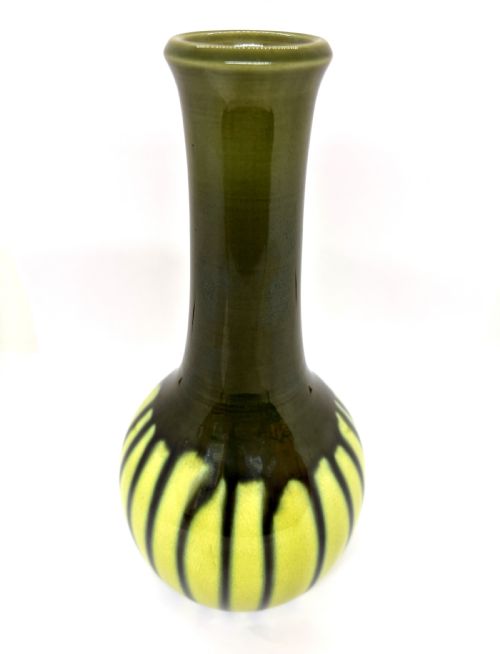
While classical Mediterranean amphorae and rustic olive jars provide unglazed, porous earth textures, other examples feature rich green, cobalt blue, or oxblood glazes, sometimes accented with silver mounts or applied figures.
How They Were Made
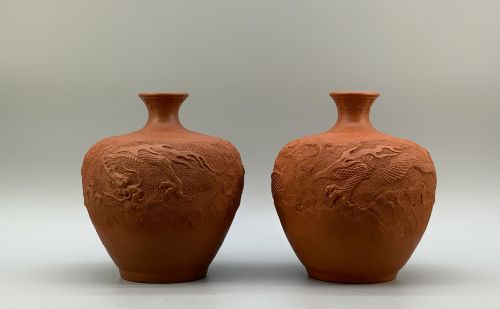
Makers shaped these vessels using traditional throwing and moulding techniques with earthen clays, terracotta, and regional pottery bodies. Many pieces rely on the natural porosity and warm red or buff tones of the unglazed clay.
Surface finish involved various methods, from lead and enamel glazes to applied decorative elements, carved incised patterns, and reticulated work. Some workshops added metal mounts, gold leaf, or enamel highlights to complete the surface design.
Listings feature 19th-century earthenware, porcelain, and terracotta alongside ancient pre-Columbian and Tang dynasty vessels.
What Varies in Quality
Quality rests in the crispness of the modelling, the depth and execution of applied figures or carved details, and the stability of the clay body. Pieces bearing legible artist signatures or factory marks display a higher degree of individual studio care.
The harmony of the glaze application, whether a smooth green confit coat or a complex flambe finish, distinguishes masterwork pots from utilitarian wares. Original mounts and well-preserved surfaces elevate the overall integrity of the vessel.
Inoue Ryosai·P Ipsens Enke·Bernhard Bloch
The Antique Terracotta Vase Glossary
- Terracotta
- A porous, fired red-brown earthenware clay used for sculptural and utilitarian pottery. It forms the primary material base for many antique vessels and garden jars.
- Amphora
- A two-handled ancient jar with a narrow neck used for storage or transport. Later revival pieces imitate this classical silhouette.
- Confit Pot
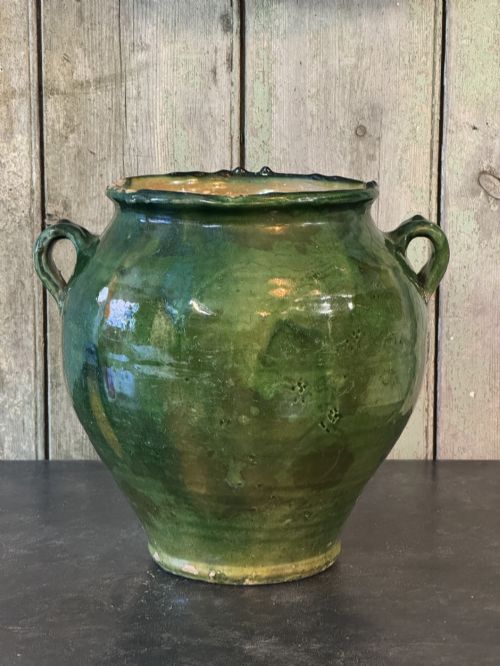
- A French glazed earthenware pot traditionally used for preserving food. These vessels typically feature a partially glazed body in rich green or earth tones.
- Maiolica
- Tin-glazed Italian earthenware painted with colourful polychrome designs. It often mimics Renaissance or revival styles.
- Sumida Gawa
- Japanese pottery characterised by thick, dripping flambe glazes and applied figures in high relief. The style flourished during the Meiji and Taishō periods.
Antique Terracotta Vase: Frequently Asked Questions
Are these vases waterproof?
Unglazed antique terracotta vessels remain porous and will slowly seep water if filled directly. They are best suited for dry botanicals or used purely as decorative sculptural objects.
Glazed pieces and confit pots may hold water, but internal hairline fractures can develop in older ceramics. Placing a small glass or plastic liner inside protects the antique interior from moisture damage.
How do I date an antique vase?
Examine the base, throwing marks, and wear patterns to understand the manufacturing period. Hand-thrown clay bodies often show characteristic irregularities and tool marks unique to older production methods.
Compare stylistic cues such as glaze types, kiln scars, and signatures with documented examples from periods like the Meiji era or Victorian times. Maker stamps and registration marks further narrow down the date of origin.
What is the difference between terracotta and earthenware?
Terracotta is a specific type of unglazed or glazed porous earthenware fired at lower temperatures. It is distinguished by its characteristic reddish-brown iron-rich clay body.
Earthenware is the broader ceramic category encompassing all fired clay that remains porous and permeable to liquids unless glazed. Terracotta sits directly beneath this wider definition as a subset of unrefined red clay pottery.