
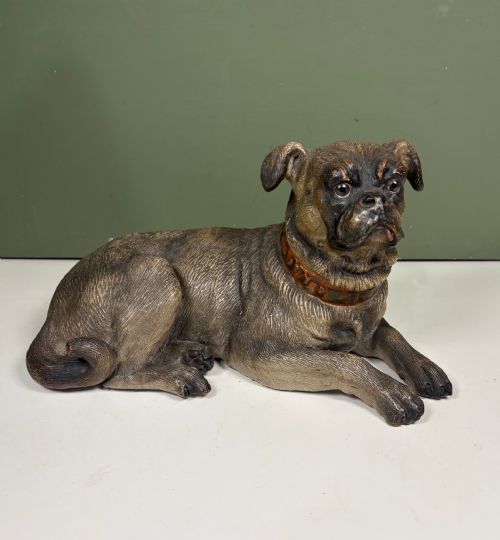
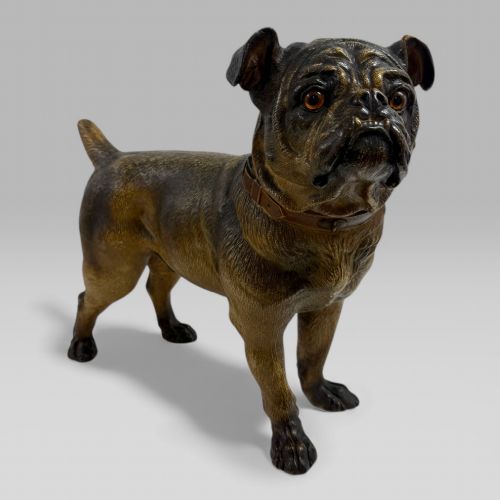
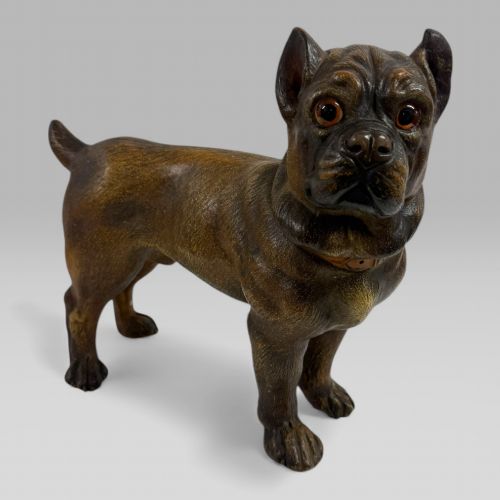

Antique Terracotta Ornaments
Antique terracotta ornaments bring sculptural presence to gardens and interiors through moulded clay, bringing centuries of modelled character to your home.
Antique Terracotta Ornaments
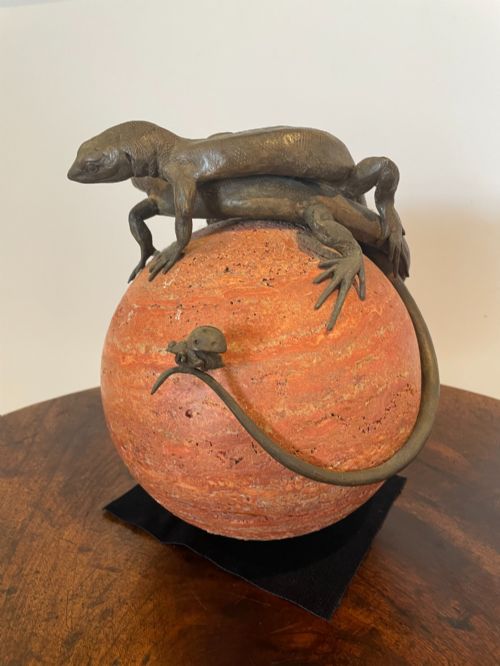
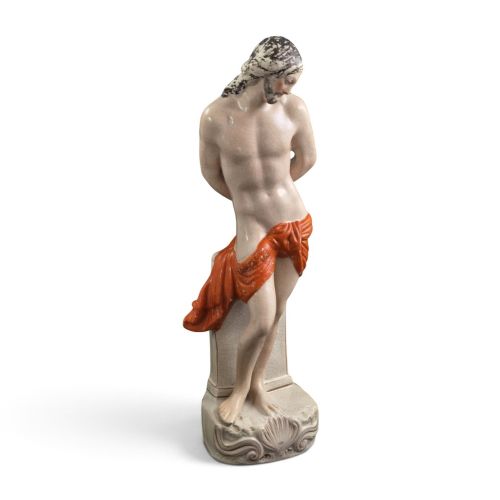
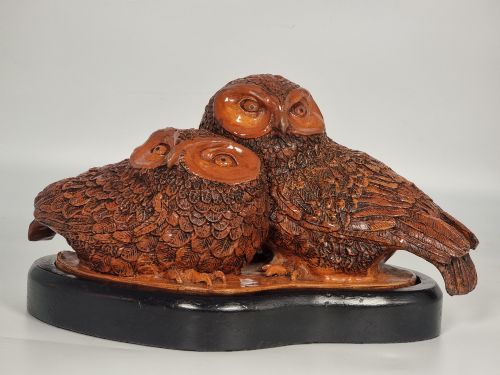
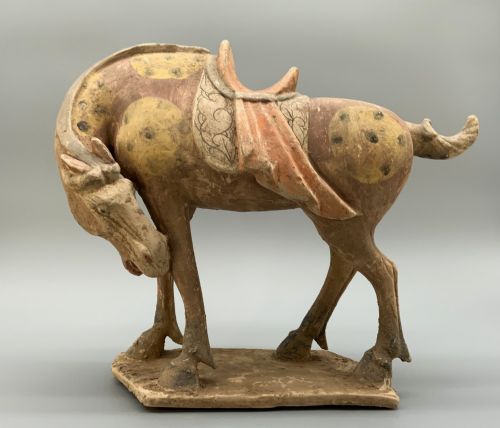
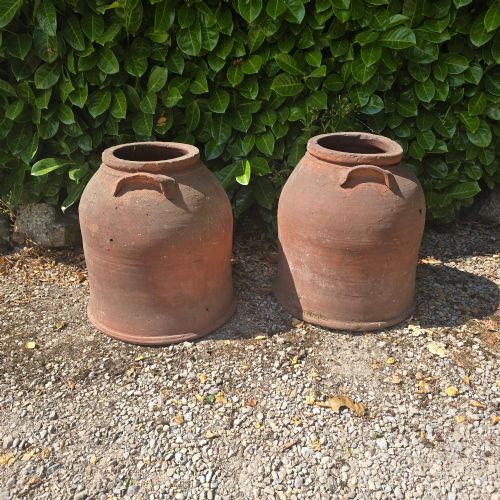
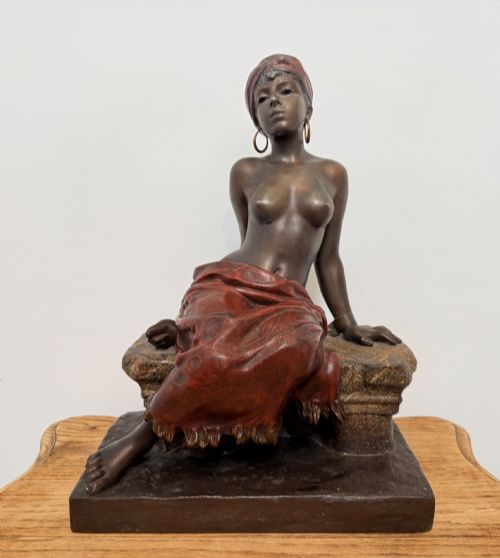
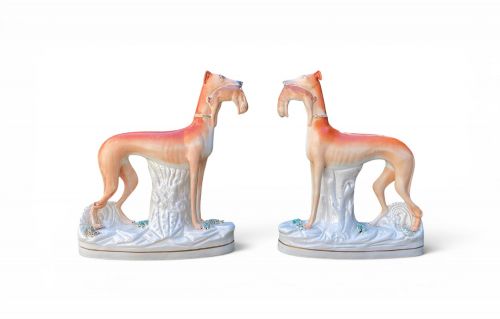
These pieces encompass sculptural figures, garden statuary, architectural elements, and decorative animals modelled from fired earth. When you search for antique terracotta ornaments, you encounter nineteenth-century garden figures, life-size dogs, and architectural salvage shaped from clay. Victorian country house pieces and Italianate garden urns appear frequently among these listings.
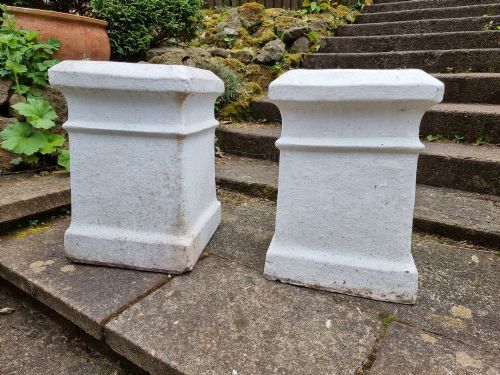
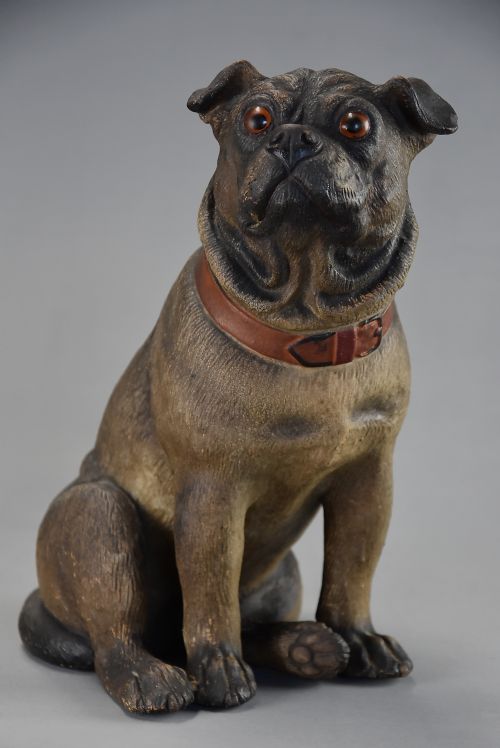
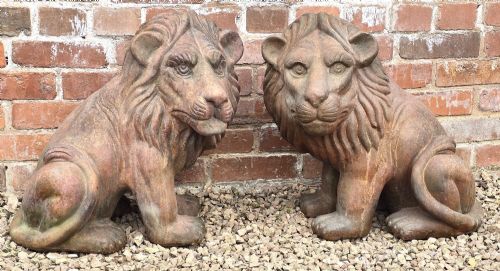
The selection spans domestic ornaments and exterior architectural pieces originating from British, French, Austrian, and Italian makers. Figures range from seated pugs and lions to chimney pot pedestals and roof tiles.
Dated examples lean heavily into the Victorian era and the late nineteenth century, reflecting periods of domestic embellishment and garden landscaping. Forms alternate between functional chimney pieces and purely decorative animal sculptures.
How they were made
Makers shaped these items using clay, earthenware, and terracotta, often applying glazes, paint, or salt finishes to the fired ceramic bodies. Artisans utilised hand sculpting or moulding techniques to achieve lifelike animal and human forms.
Firing procedures hardened the buff and red clays, sometimes incorporating stoneware or porcelain elements for structural resilience in exterior settings. Surface treatments ranged from natural matte terracotta to coloured glazes and decorative painting.
Materials represented across the inventory include terracotta, earthenware, ceramic, salt glaze, and buff clay.
What varies in quality
Makers known for sculptural precision achieve better balance and proportion in life-size figures and large pairs of lions. The integrity of the fired body and the retention of original surface finishes further divide average items from museum-standard examples.
Thomas Parr·Royal Dux·Ernst Whaliss·E Villanis·Bavent Terracotta
The Antique Terracotta Ornaments Glossary
- Terracotta
- A porous, fired red or buff clay used for unglazed or slipped sculptural and architectural items. It gains weathering character over time.
- Earthenware
- Pottery fired at lower temperatures, remaining slightly porous until glazed. This material forms the body of many nineteenth-century Staffordshire figures.
- Chimney Pot
- A clay or stoneware structure placed atop a chimney stack, frequently repurposed as a garden planter or architectural pedestal. These items provide robust garden ornaments.
- Salt Glazed
- A ceramic finish achieved by throwing common salt into the kiln during high-temperature firing, producing a characteristic pitted texture. This glaze protects stoneware from frost.
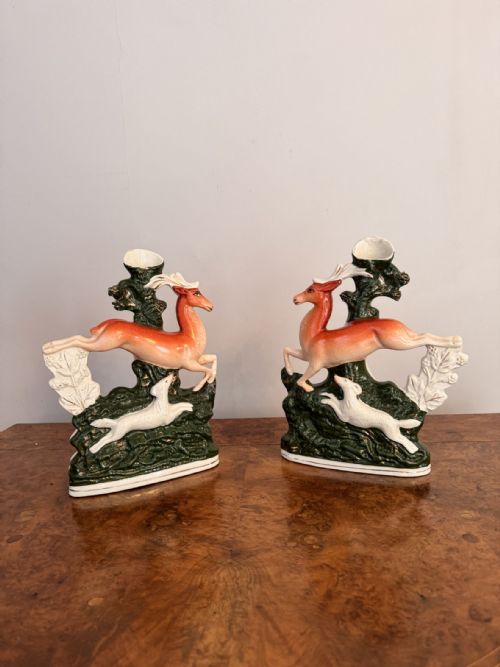
- Spill Vase
- A hollow ceramic figure featuring an attached cylinder designed to hold wooden spills for lighting fires. Victorian examples often depict animals or biblical scenes.
Antique Terracotta Ornaments: Frequently Asked Questions
Where should I place a terracotta garden ornament?
These garden statues and urns suit patios, lawns, and garden borders where they can weather naturally in the elements. Positioning them on stone bases or pedestals protects the unglazed clay from prolonged moisture absorption.
Interior spaces accommodate smaller figures, busts, and bookends away from damp environments. Ensure adequate support for life-size dog sculptures and heavy architectural pieces.
How do I clean antique terracotta safely?
Remove surface dust and loose debris using a soft dry brush without applying abrasive cleaners or harsh chemicals. Gentle brushing preserves the original patina and any delicate painted surfaces.
Avoid high-pressure washing on porous clay or salt-glazed stoneware to prevent surface erosion. Allow damp items to dry naturally in a well-ventilated space.
Can antique terracotta ornaments stay outside in winter?
Unglazed terracotta absorbs moisture, making severe frost a risk for pieces left unprotected outdoors through freezing weather. Raising statues off the ground with pot feet prevents water from drawing up through the base.
Moving vulnerable items into a shed or greenhouse during freezing spells extends their lifespan significantly. Salt-glazed stoneware typically withstands exterior conditions better than porous unglazed earthenware.
How do I distinguish nineteenth-century pieces from later copies?
Examine the base and interior surfaces for tool marks, firing flaws, and weathering patterns consistent with nineteenth-century manufacturing methods. Weight, clay density, and the subtlety of hand-finished details help differentiate older items from modern reproductions.
Maker marks, registration numbers, and distinct regional styles also provide clues to date the piece accurately. Compare the modelling style with documented examples from the same period.