

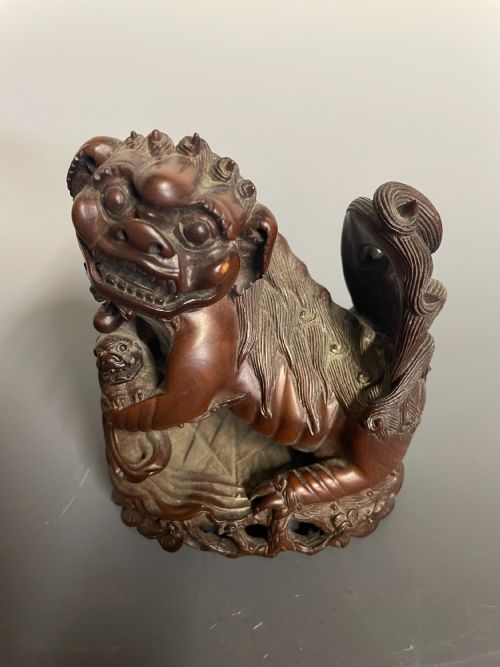


Antique Temple Lions
These antique temple lions are guardian figures cast in bronze or carved from wood and stone, placed to protect sacred spaces.
Antique Temple Lions
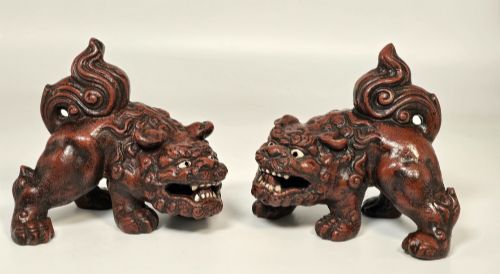
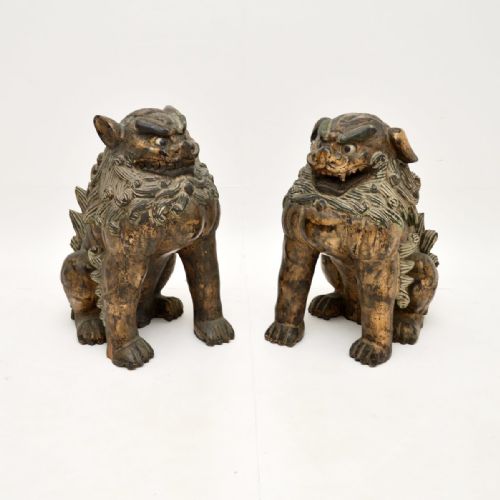
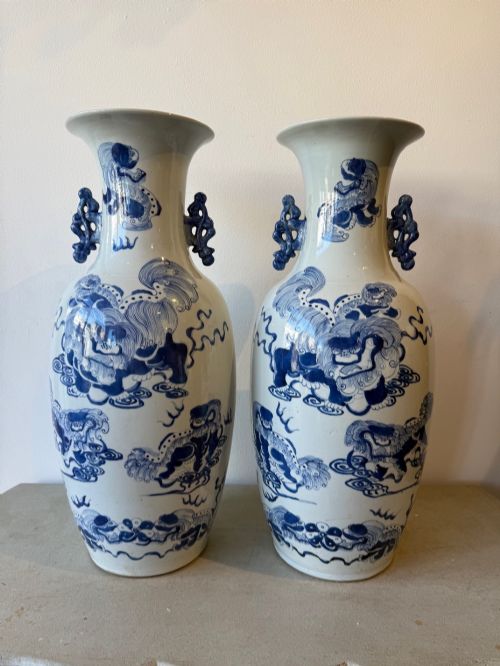
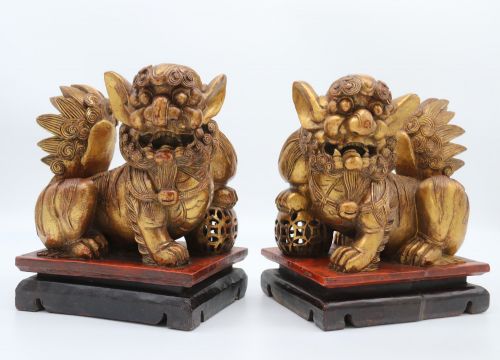
When you search for antique temple lions, you encounter guardian figures traditionally placed at the thresholds of sacred and imperial spaces. These sculptures take various forms, including pairs of Buddhist lions or foo dogs cast in bronze or carved from wood.
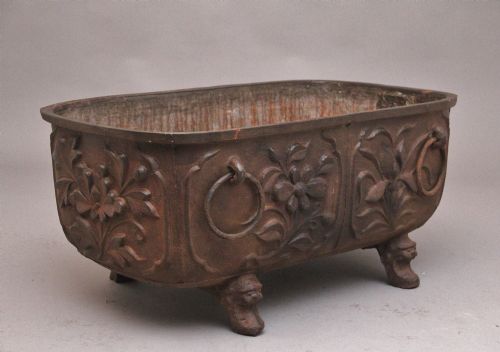
The pieces on this page span the eighteenth and nineteenth centuries into the early twentieth century, originating from Chinese, Japanese, Tibetan, and Burmese traditions. Sculptures and decorative figures dominate the selections, alongside related vessels and planters.
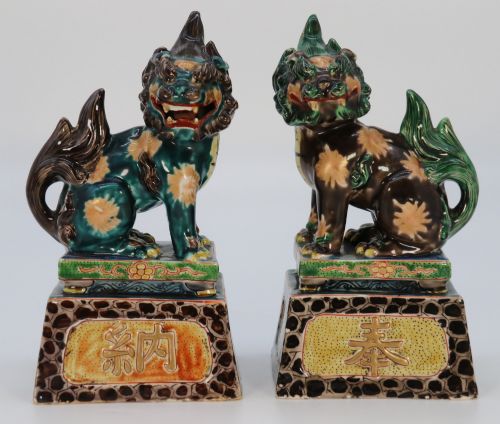
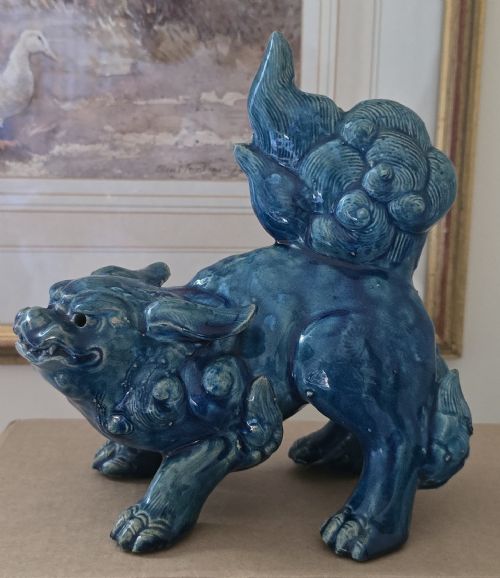
You are most likely to meet pairs of ceramic or bronze guardian figures originating from the Qing Dynasty or the Japanese Meiji period. These range from turquoise-glazed shishi figures to substantial bronze castings.
How they were made
Artisans formed these figures using traditional metalcasting, ceramic moulding, and wood carving techniques. Bronze and cast iron pieces utilise detailed metalwork, sometimes enhanced with gilt or lacquer finishes.
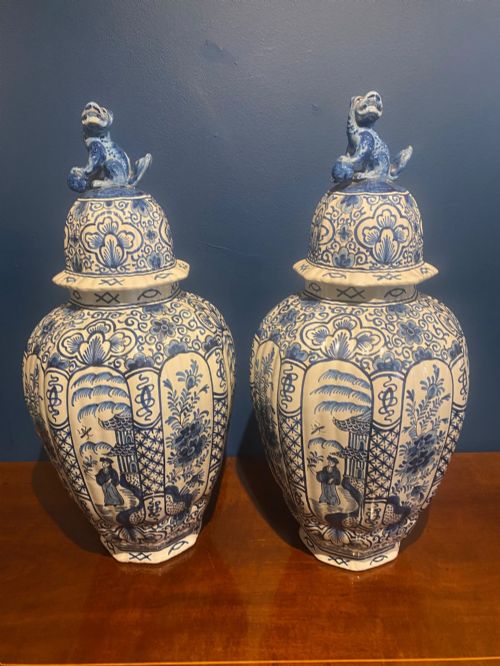
Ceramic examples employ porcelain, pottery, and earthenware bodies finished with enamel, turquoise glaze, or blue and white pigments. Wood carvings utilise boxwood and larger timbers, frequently showing intricate chisel work and surface polish.
Antique Temple Lions Retail Price Guide 2026
Typical asking prices for temple lions among the pieces listed under this phrase on Sellingantiques today, from the lower quarter to the upper quarter. They describe what is for sale here now, not the wider market.
Listings include materials ranging from porcelain, ceramic, and enamel to bronze, brass, iron, and carved wood.
What varies in quality
Quality rests upon the clarity of the carving or casting and the sophistication of the glaze or surface finish. Masterpieces display expressive anatomical detailing and confident proportions rather than mechanical repetition.
The durability of the material and the preservation of original gilding, enamels, or patination define the tier of the piece. Earlier works from the eighteenth and nineteenth centuries often exhibit superior hand-finishing compared to later mass production.
Unno Shomin
The Antique Temple Lions Glossary
- Foo Dog
- A Western term for Chinese guardian lions, which are stylized representations of Buddhist lions rather than actual dogs. They traditionally stand outside temples and palaces to ward off malevolent spirits.
- Shishi
- The Japanese term for stone or bronze guardian lions, sharing roots with Chinese Buddhist lion iconography. These figures frequently appear in Japanese art with distinct regional styling.
- Karashishi
- A traditional Japanese depiction of a Chinese lion, often shown playing with a brocade ball or peony. This motif appears across porcelain and metalwork.
- Okimono
- A Japanese decorative figurine designed for display on a tokonoma alcove or shelf. These objects showcase fine metal, ivory, or wood craftsmanship from the Meiji period.
- Imari
- A type of Japanese porcelain decorated in underglaze blue and overglaze red, gold, and green. Pieces from this tradition often feature vibrant polychrome schemes.
Antique Temple Lions: Frequently Asked Questions
What are temple lions?
Temple lions are traditional guardian figures placed at the entrances of sacred buildings, tombs, and official residences to provide spiritual protection.
They derive from Buddhist iconography and represent majesty, strength, and the protection of sacred law.
How were temple lions used?
Pairs of these figures stood flanking doorways or gates, with the male holding a brocade ball representing supremacy and the female restraining a cub representing nurture.
Smaller versions served as desk ornaments, incense burners, or decorative items within scholarly and domestic interiors.
How do I date a temple lion?
Dating relies on material characteristics, stylistic traits of specific dynasties or periods like the Qing or Meiji, and the natural wear of bronze patination or ceramic glazes.
Historical casting techniques and regional stylistic shifts provide further clues for placing a piece within the eighteenth or nineteenth centuries.
Where did temple lions originate?
The motif originated in ancient India as guardian lions associated with Buddhism before spreading along trade routes into China, Korea, and Japan.
Each culture adapted the form, resulting in distinct Chinese foo dogs, Japanese shishi, and Tibetan or Burmese guardian figures.
How do I live with temple lions?
These sculptures suit placement on sturdy sideboards, mantelpieces, or designated display tables where their weight and presence can be appreciated.
Bronze and stone pieces require minimal maintenance beyond gentle dusting, while glazed ceramics benefit from stable indoor environments away from direct moisture.