



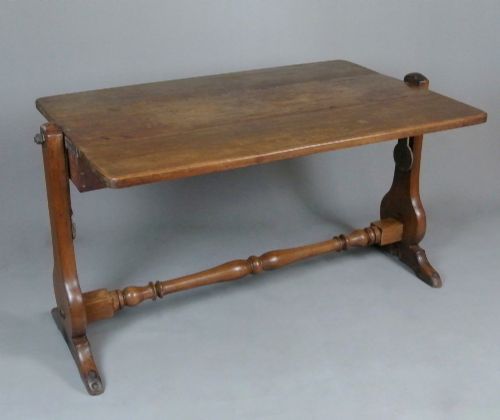
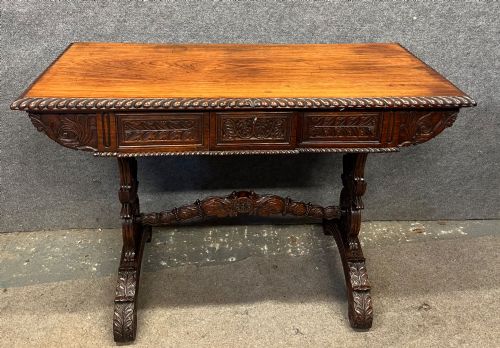
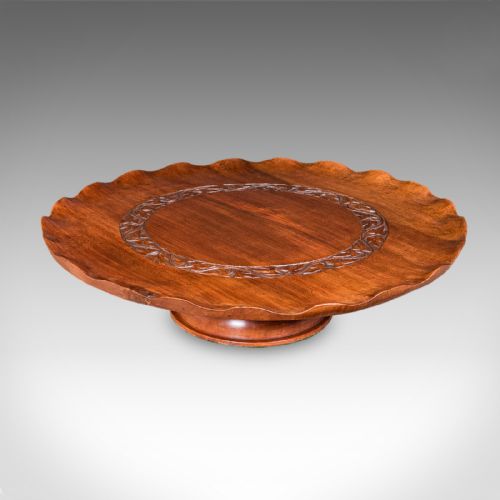
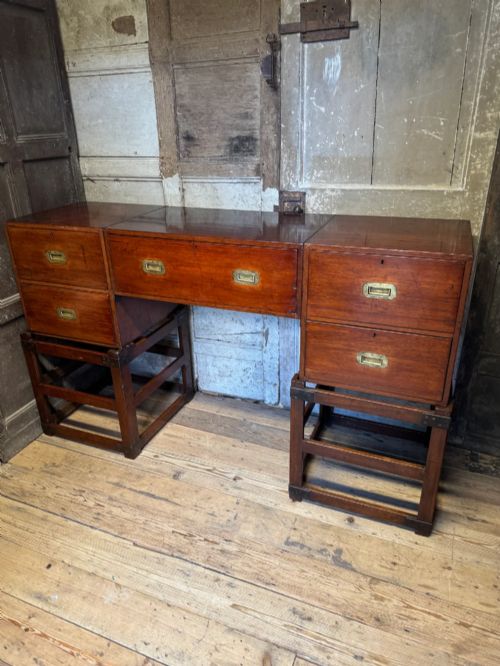

Antique Teak Table
An antique teak table brings dense grain and intricate colonial carving straight from nineteenth-century workshops into modern rooms.
Antique Teak Table
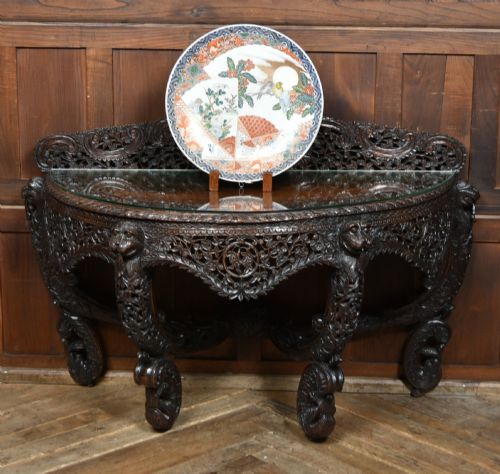
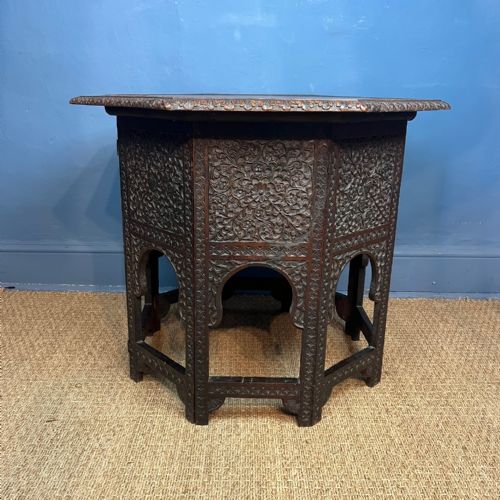
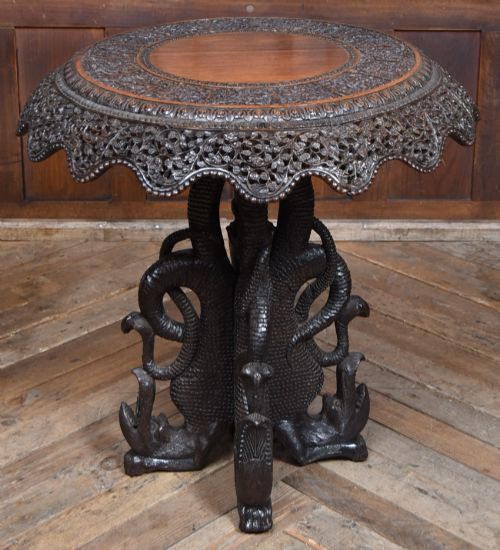
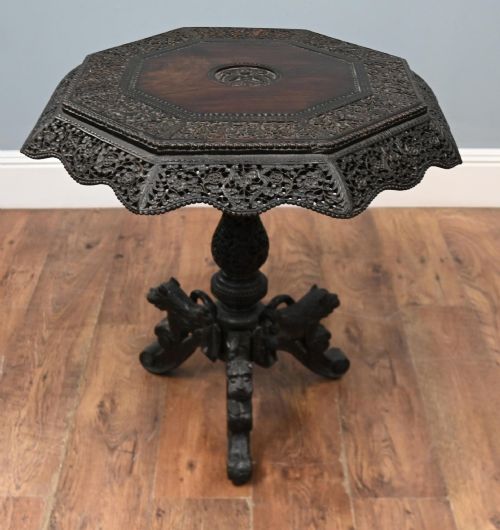
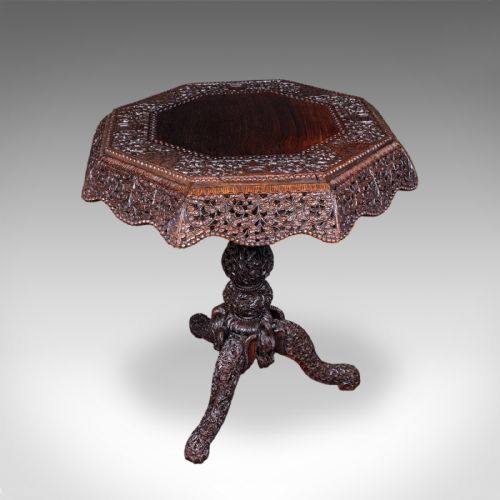
An antique teak table encompasses everything from small octagonal tea pieces to large campaign dining furniture shaped by British colonial influence in India and Burma. You will frequently encounter heavy carving depicting foliage and figures, alongside octagonal shapes designed for domestic use.
The selection ranges across side tables, occasional tables, coffee tables, and desks dating from the eighteenth century through to the early twentieth century. Regional variations include Hoshiarpur brass inlay and Burmese tip-top designs.
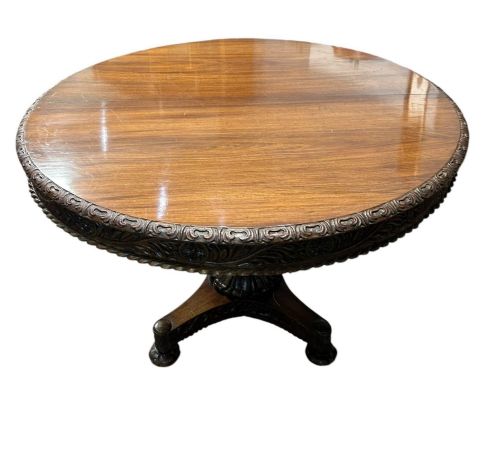
Makers produced these forms using dense hardwoods suited to tropical climates, adapting traditional motifs for export to British homes. Forms extend to multi-tiered buffets and low tables originally used for sitting.
How they were made
Artisans constructed an antique teak table using solid timber combined with contrasting materials like brass wire, bone, and copper for surface decoration. The dense nature of the wood allowed for deep relief carving without splintering the structure.
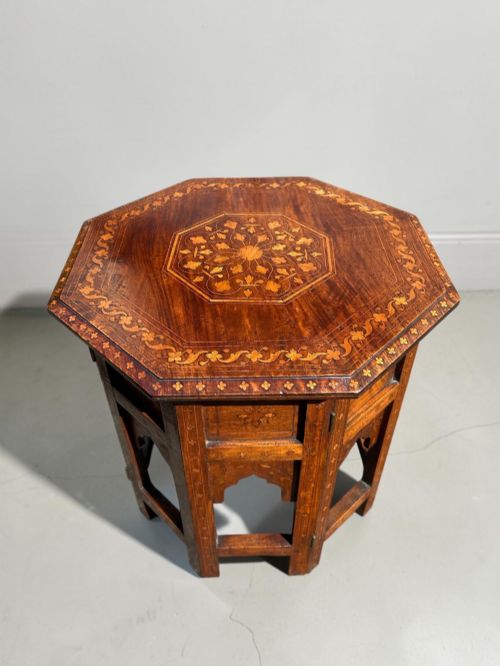
Joining techniques often involved folding bases for campaign pieces or pegged joints for static occasional tables. Inlays were hammered precisely into recessed channels cut directly into the dark hardwood surface.
Antique Teak Table Retail Price Guide 2026
Typical asking prices for teak table among the pieces listed under this phrase on Sellingantiques today, from the lower quarter to the upper quarter. They describe what is for sale here now, not the wider market.
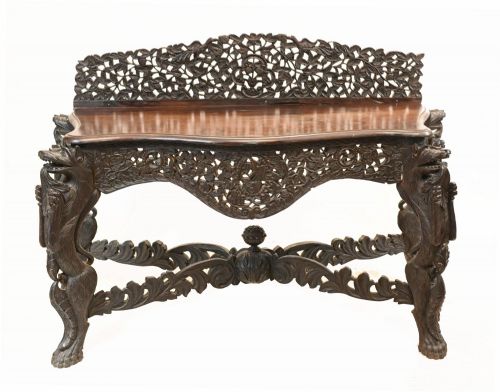
Several pieces feature carved elephants keeping watch beneath the table top, ready to hold your afternoon tea.
What varies in quality
The depth and clarity of the chisel work separate standard production pieces from finer examples, particularly in regional Indian and Burmese carving. Crisp details in foliage and animal figures indicate skilled hand execution.
The integration of brass inlay work affects the overall finish, where flush placement and intricate geometric precision mark superior craftsmanship. Structural stability in folding mechanisms and original surface patination also determine the standing of each piece.
The Antique Teak Table Glossary
- Octagonal table
- An eight-sided table top, frequently seen in Hoshiarpur and Burmese designs. This shape allowed complex border carvings to wrap evenly around the perimeter.
- Campaign table
- Portable furniture made for military officers on the move. These pieces often feature folding legs and brass corners for transport.
- Hoshiarpur
- A stylistic attribution referring to work from the Punjab region known for dense brass and bone inlay on dark timber. Artisans created intricate geometric patterns covering the entire surface.
- Tip-top table
- A table with a hinged top that tilts vertically for storage when not in use. This mechanism appeared frequently on occasional and tea tables.
- Takhat
- A low Indian seating platform or table used traditionally for cross-legged lounging. These low forms serve well as contemporary coffee tables.
Antique Teak Table: Frequently Asked Questions
How do I clean an antique teak table?
Wipe surfaces gently using a soft, dry cloth to remove dust from deep carvings and brass inlays. Avoid harsh chemical polishes that can soften the original timber finish.
Apply natural beeswax sparingly if the wood appears dry, buffing it thoroughly after application to maintain a soft sheen without trapping moisture in the grain.
Can I use an antique teak table outdoors?
These tables are designed for interior use and lack modern weatherproofing treatments. Exposure to rain and direct sunlight will damage the timber and loosen inlaid brass.
Keep pieces away from direct heat sources and fluctuating humidity levels inside your home to prevent the hardwood from splitting or warping over time.
How do I date an antique teak table?
Examine the construction methods, secondary woods, and style of carving to estimate the period of manufacture. Nineteenth-century examples often display deep hand-chiseled motifs influenced by colonial trade.
Compare the brass inlay patterns and hardware, such as campaign hinges or locks, with documented pieces from known production centres like Hoshiarpur or Burma.