

Antique Teacup
An antique teacup brings the weight of past drawing rooms into the hand, offering porcelain crafted across centuries for quiet morning rituals.
Antique Teacup
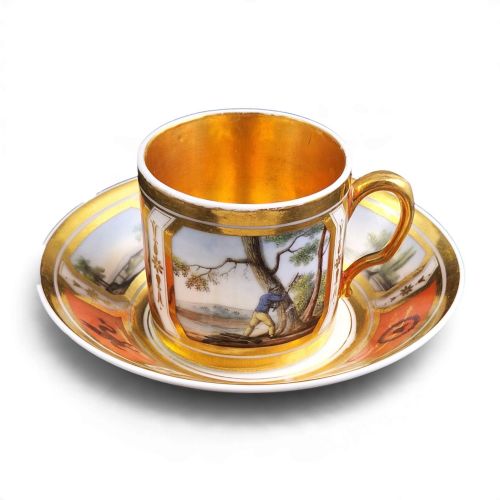
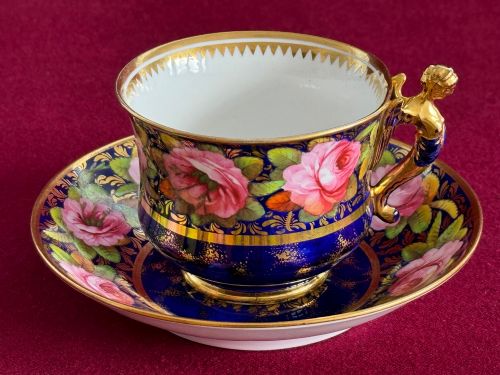
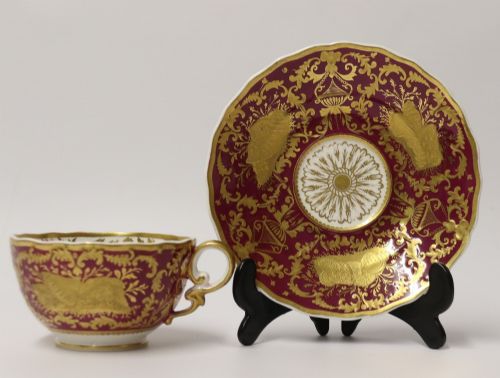
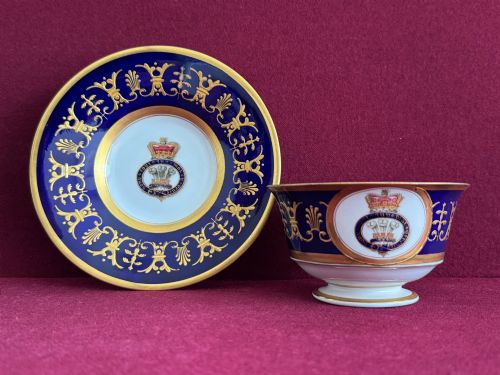
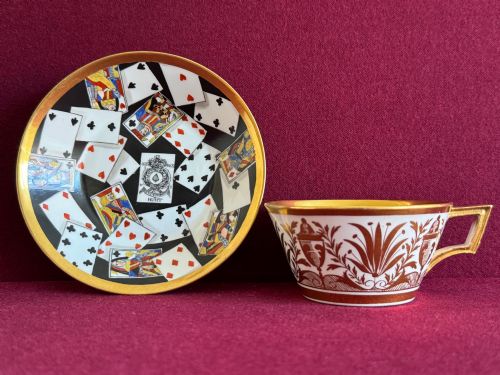
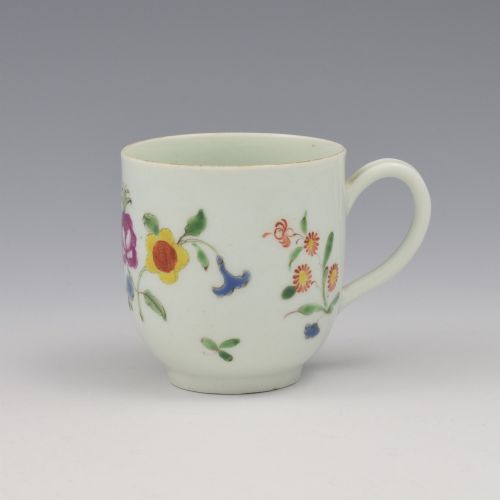
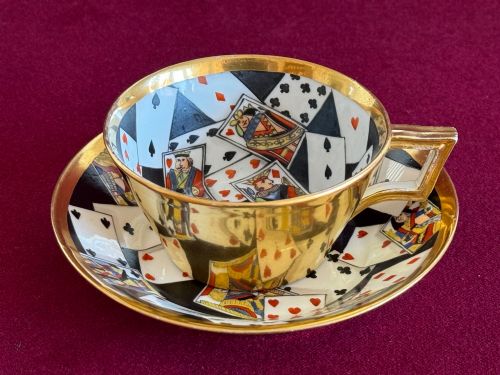
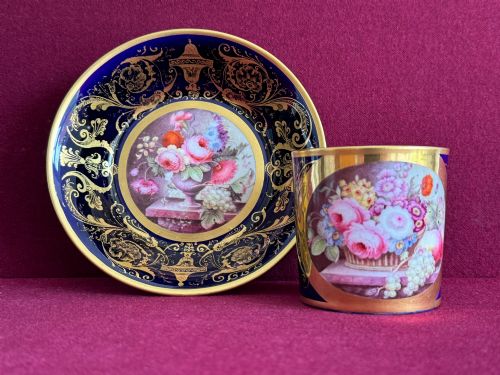
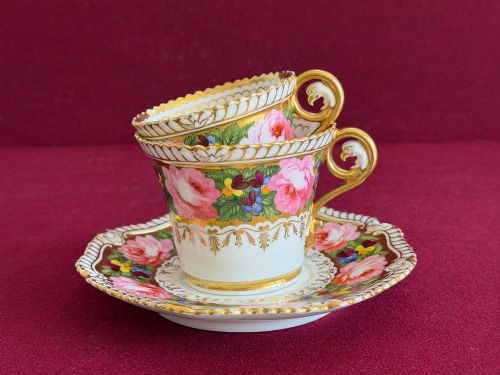
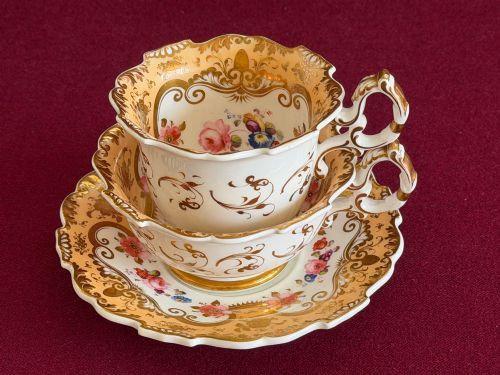
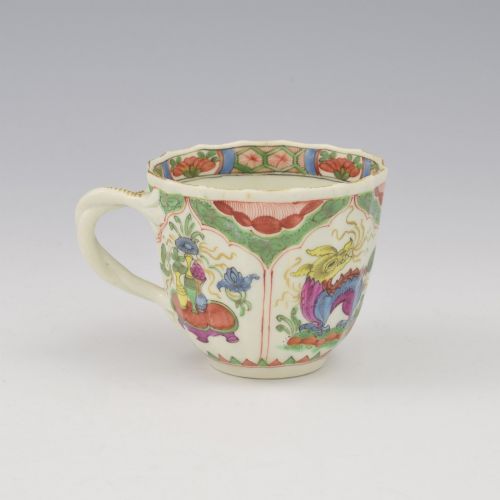
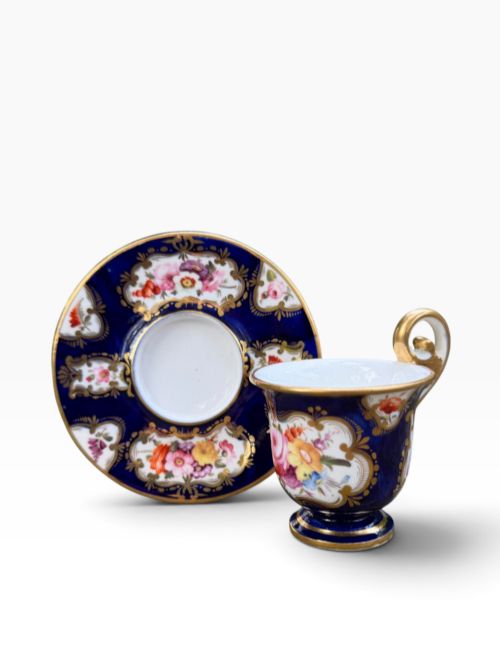
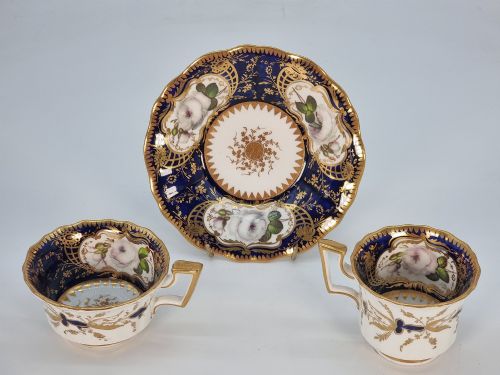
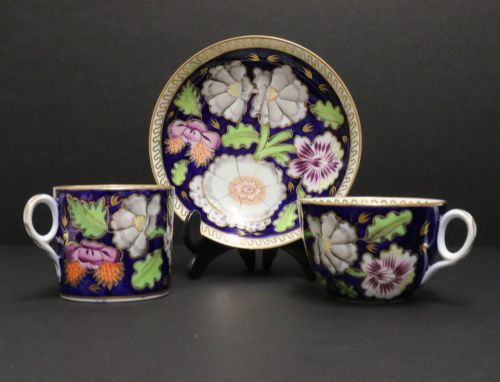
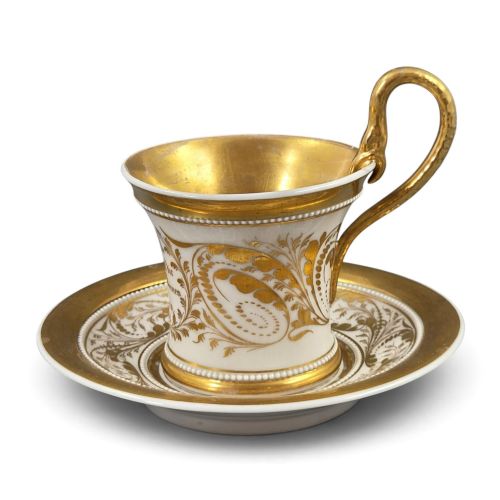
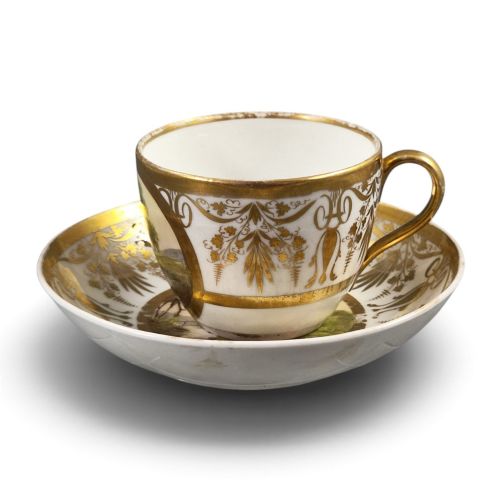
An antique teacup represents a diverse array of drinking vessels produced from the eighteenth century through to the Edwardian period, encompassing individual cups, duos, trios, and larger service sets. Collectors searching for an antique teacup frequently encounter Georgian and Regency porcelain pieces alongside Victorian iterations and occasional continental or Asian imports. Forms range from simple tea bowls and coffee cans to elaborate cabinet cups featuring handles shaped as images or lion masks.
The materials span soft-paste and hard-paste porcelain, bone china, and enamel, often decorated with hand-painted botanicals, landscapes, or gilt borders. Many surviving examples originate from English factories such as Worcester, Spode, Derby, and Coalport, though continental makers like KPM Berlin and Old Paris are well represented. Buyers will find that these domestic and continental objects reflect the shifting tastes of dining and tea consumption across successive centuries.
Manufacturing methods and materials
Makers utilised porcelain and bone china bodies, shaping them either by throwing on a wheel or pressing into moulds before firing in kilns at high temperatures. Early English pieces often relied on soft-paste porcelain, while later nineteenth-century production adopted bone china and hard-paste porcelain for increased durability.
Decoration involved hand-painting with enamels and applying gold leaf gilding, frequently fixed with secondary kiln firings. Artisans painted botanical studies, landscapes, and intricate patterns directly onto the glazed surfaces, sometimes incorporating moulded details such as fluting or applied figures.
Antique Teacup Retail Price Guide 2026
Typical asking prices for teacup among the pieces listed under this phrase on Sellingantiques today, from the lower quarter to the upper quarter. They describe what is for sale here now, not the wider market.
Certain nineteenth-century cups feature whimsical lion mask handles that peer out from beneath the rim while you sip your morning tea.
Distinguishing quality in porcelain
Quality rests upon the crispness of the porcelain body, the precision of the moulding, and the finesse of the hand-painted decoration. Superior pieces display even glazing, balanced proportions, and detailed brushwork executed by skilled artists rather than generic transfer printing.
The refinement of the gilding and the complexity of the shape further separate standard domestic wares from exhibition-grade cabinet cups. Finer examples exhibit meticulous attention to detail in handles, borders, and topographical or floral scenes.
Spode·Barr and Barr Worcester·Duesbury and Kean Derby·H and R Daniel·Chamberlain Worcester·Richard Chaffers·New Hall·Coalport John Rose·Dr Wall Worcester·KPM Berlin·Old Paris·Yates Leeds·Manufacture de la Reine·Royal Worcester·Ishiguro Koko
The Antique Teacup Glossary
- Cabinet cup
- A decorative cup intended for display rather than everyday use. These pieces often feature elaborate painted scenes or sculptural handles and were produced in limited quantities.
- Trio
- A matched set comprising a teacup, a coffee cup, and a saucer. Trios became popular in the early nineteenth century as tea and coffee gained equal footing at the table.
- Soft-paste porcelain
- An artificial ceramic body fired at lower temperatures than hard-paste porcelain. It possesses a warm, slightly translucent appearance typical of eighteenth-century English factories.
- Coffee can
- A cylindrical cup designed specifically for drinking strong coffee without a handle. They frequently appear paired with a matching saucer in Regency tea services.
- Gilding
- The application of gold leaf or gold paint to ceramic surfaces. It highlights rims, handles, and borders to add visual richness.
Antique Teacup: Frequently Asked Questions
How do I identify eighteenth-century porcelain?
Eighteenth-century porcelain often shows the softer body of soft-paste ceramics under magnification, displaying slight glaze pooling and hand-painted underglaze blue or enamel decoration.
Factory marks from this era are frequently painted by hand rather than stamped.
Can I use antique cups for daily tea drinking?
While many nineteenth-century bone china pieces remain structurally sound, centuries-old glazes and hand-painted enamels are sensitive to modern dishwashers and abrasive detergents.
Gentle hand washing preserves the fragile gilding and delicate ceramic bodies for occasional use.
What does cabinet cup mean?
A cabinet cup refers to a highly decorative presentation piece intended to be housed in a glass display cabinet rather than utilised at the tea table.
These items showcase exceptional painting and moulding skills from prominent European factories.