


Antique Tea Platter
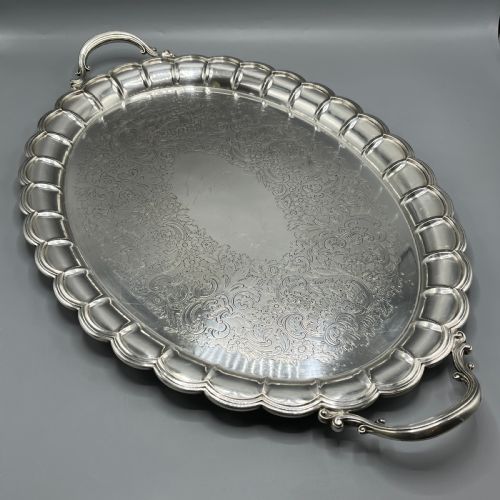
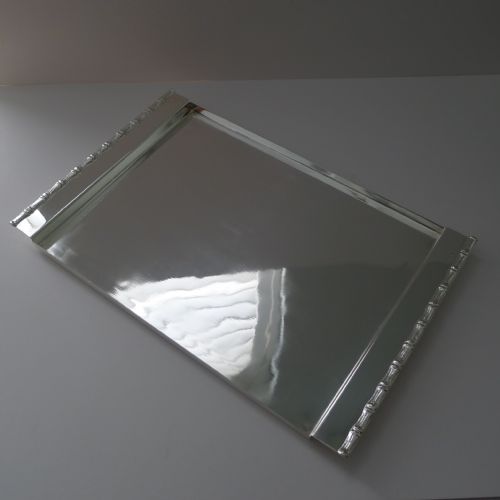
An antique tea platter brings heavy silver plate and polished mahogany to the table, designed for carrying cups and serving guests with substance.
Antique Tea Platter
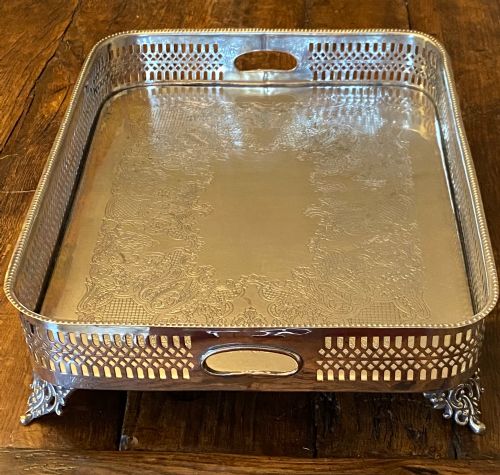
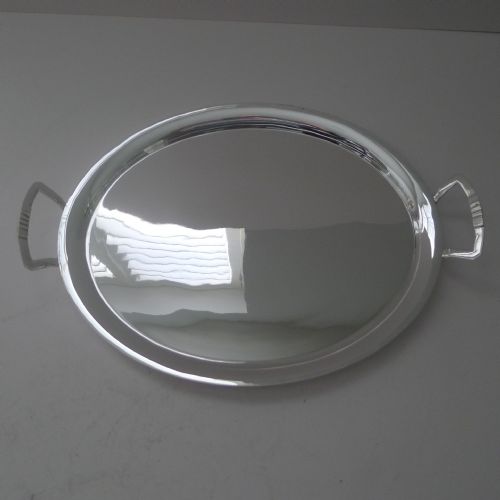
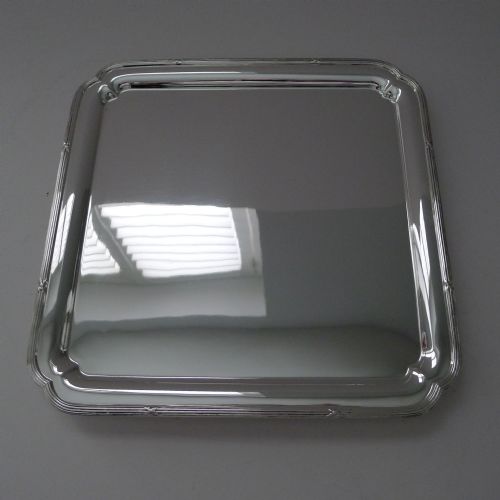
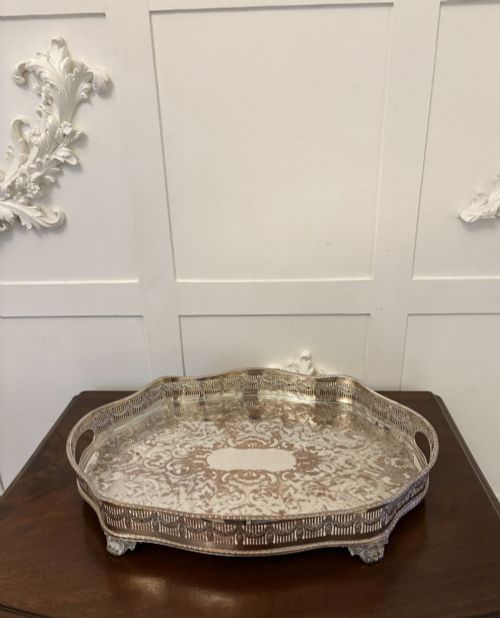
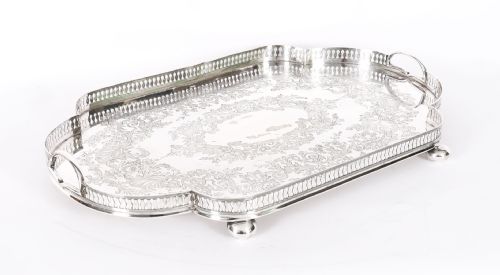
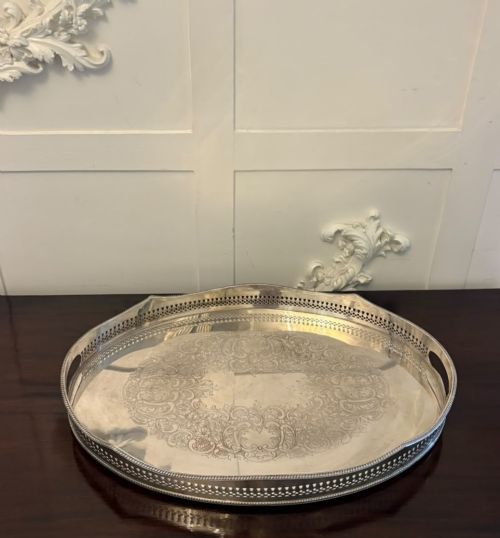
An antique tea platter spans periods from the Georgian era through the Victorian and Edwardian years into Art Deco and the early twentieth century. These pieces appear as serving trays, gallery trays with raised rims, and oval or circular platters.
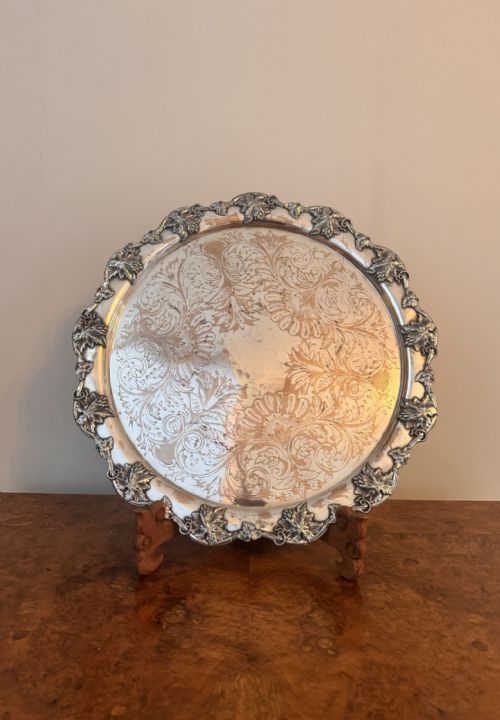
The most common version on this page is the silver plated tea tray from the Edwardian period or late nineteenth century, often bearing engraved surfaces and sturdy handles.
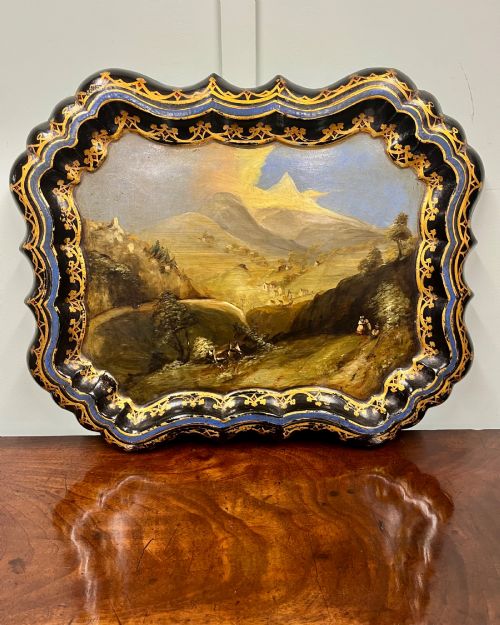
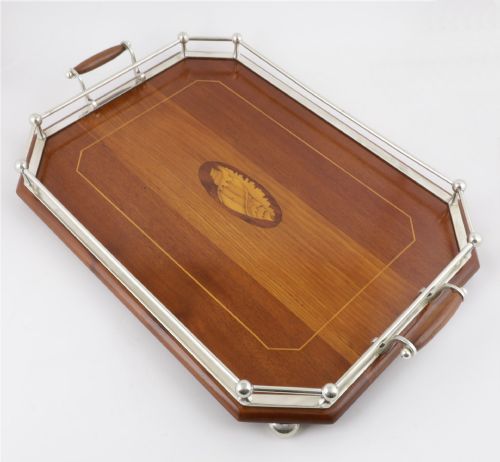
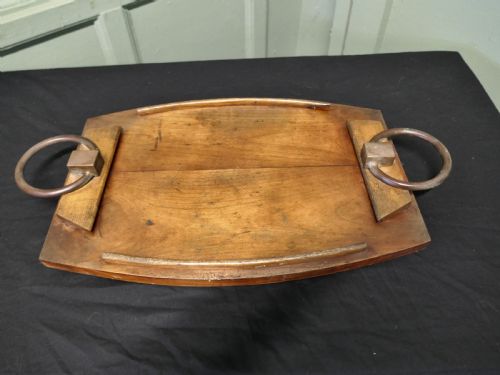
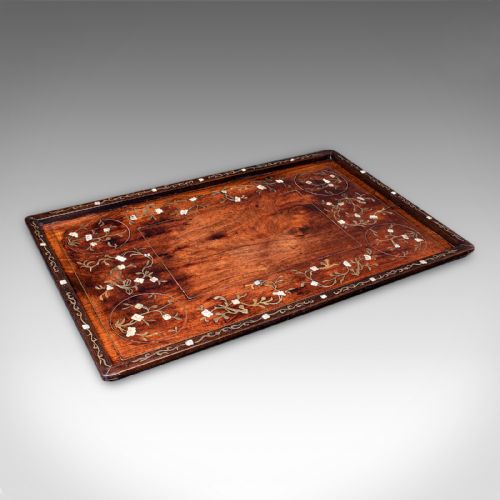
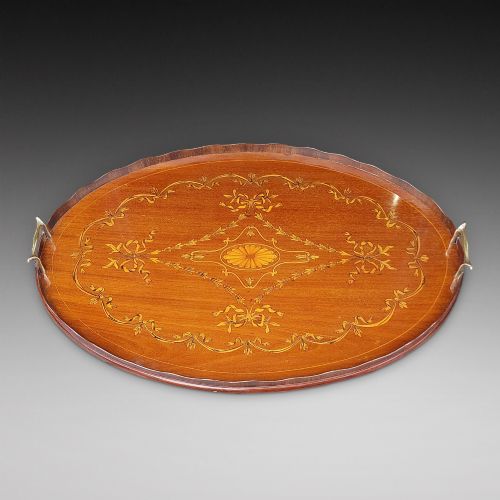
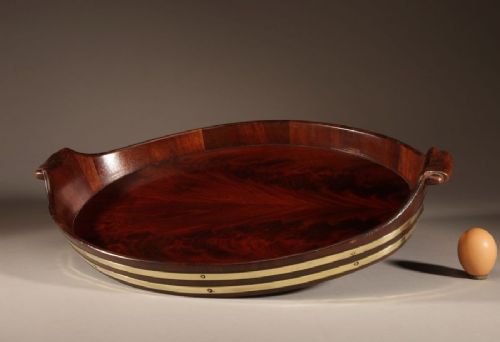
Wooden examples also recur, including mahogany butler trays, coopered designs, and marquetry pieces alongside papier-mâché and japanned surfaces.
Materials and construction
Silver plate and EPNS form the majority of metal pieces, applied over base metals alongside solid copper, brass, and Sheffield plating methods. Makers also utilised gold leaf and mixed metals for decorative borders and reserves.
Cabinetmakers constructed wooden platters from mahogany, teak, satinwood, and golden elm, incorporating oyster veneering, shell inlay, and brass handles into the joinery.
Papier-mâché and lacquered surfaces received hand-painted decoration, japanning, or gilded motifs, creating smooth boards designed for afternoon service.
Antique Tea Platter Retail Price Guide 2026
Typical asking prices for tea platter among the pieces listed under this phrase on Sellingantiques today, from the lower quarter to the upper quarter. They describe what is for sale here now, not the wider market.
Several trays include hidden afternoon tea slides designed for discreet service behind closed parlour doors.
Craftsmanship and weight
Quality rests in the thickness of the silver plate over the base metal, the depth of the hand-engraving on the field, and the crispness of applied cast borders depicting grapes or scrollwork.
Wooden platters reveal their standard through the choice of timber, the tightness of coopered staves, and the precision of marquetry inlay rather than surface finish alone.
Elkington & Co.·James Deakin·Mappin & Webb·Thomas Bradbury & Sons·Hugh Wallis
The Antique Tea Platter Glossary
- Gallery tray
- A tray featuring a pierced metal or wooden gallery rail raised around the perimeter to prevent items from sliding off.
- Sheffield plate
- An early form of silver plating produced by fusing a sheet of silver to a thicker copper ingot before rolling them together.
- Papier-mâché
- A composite material made from paper pulp or layers of paper bound with glue, then lacquered and often japanned or painted.
- Coopered
- Built using tapered wooden staves fitted together side by side and bound with bands, similar to barrel construction.
- Japanning
- A European imitation of East Asian lacquerware involving layers of varnish cured by heat and decorated with gilt designs.
Antique Tea Platter: Frequently Asked Questions
What is an antique tea platter used for?
These pieces served to carry tea services, pots, and cups from the kitchen to the drawing room during afternoon visits.
Today they function as display surfaces on sideboards or as functional serving trays for drinks and gatherings.
How do I clean a silver plated tea tray?
Clean silver plate with a soft cloth and a gentle polish formulated specifically for plated items to preserve the silver layer.
Avoid harsh abrasives that can wear through the plating down to the underlying copper or brass base.
How do I tell Victorian from Edwardian trays?
Victorian trays often feature heavy, elaborate floral engraving and dense grapevine borders with robust cast handles.
Edwardian pieces tend toward lighter neoclassical or gallery designs with cleaner pierced brass rails and simpler oval geometries.
Are wooden trays suitable for daily use?
Mahogany and walnut trays handle dry items well, but moisture can damage older polishes and veneer surfaces over time.
Use coasters and wipe spills promptly to protect the timber and any inlaid marquetry or shell work.