
Antique Tea Ceramic
These antique tea ceramic pieces span the eighteenth and nineteenth centuries, offering collectors domestic vessels for the table.
Antique Tea Ceramic
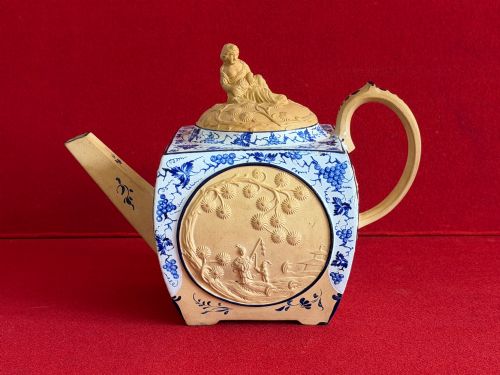
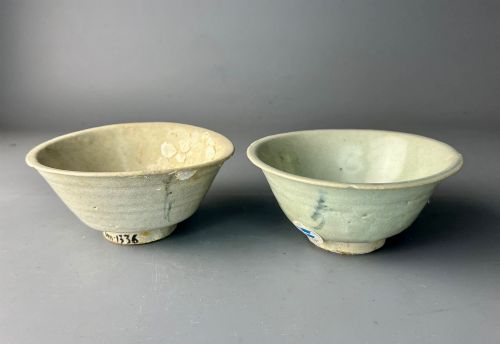
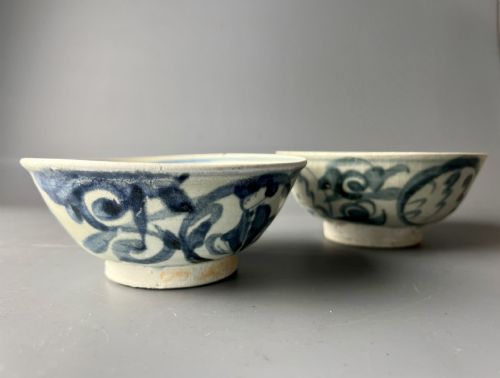
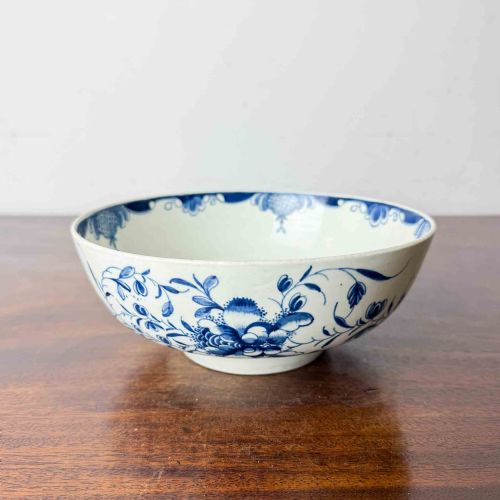
When searching for antique tea ceramic, buyers encounter items designed for historical tea service across domestic interiors. The selection comprises teapots, tea canisters, cups and saucers, and sugar bowls originating from Georgian, Regency, and Victorian periods.
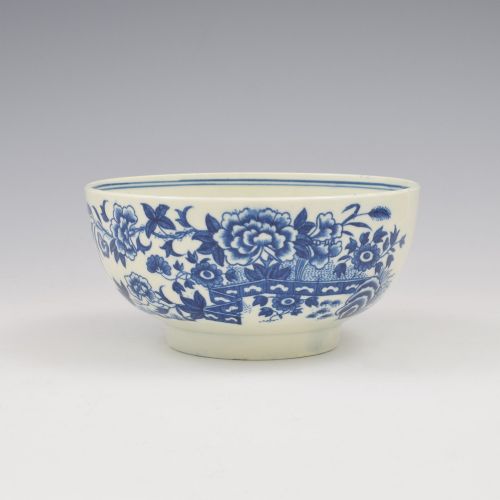
English factories such as Worcester, Spode, and New Hall dominate the offerings alongside Chinese export porcelain. Pieces range from blue and white transfer printed wares to hand-painted polychrome porcelain and creamware.
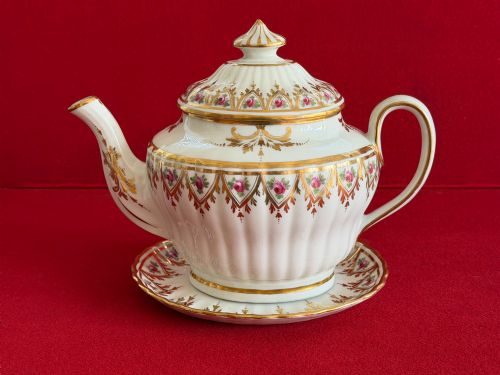
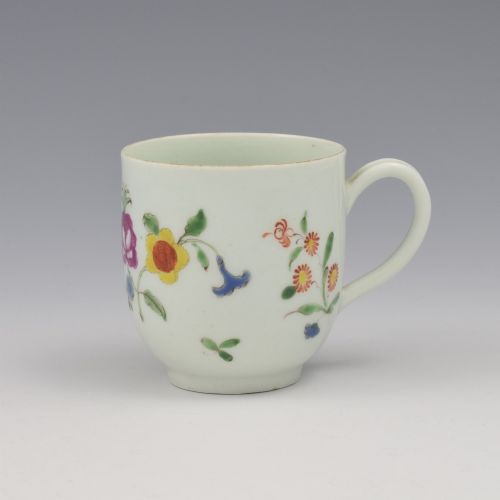
Teapots and tea bowls reflect the changing social rituals of tea drinking through the eighteenth and nineteenth centuries. Domestic porcelain and earthenware services survive in varying degrees of completeness, from solitary coffee cups to matched trios.
Materials and Techniques
Potters shaped these vessels using porcelain, earthenware, stoneware, and creamware bodies, finished with transparent or opaque glazes. Decoration relied on underglaze blue painting, enamelling, and transfer printing.
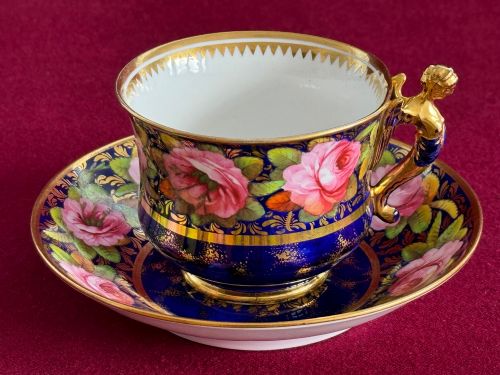
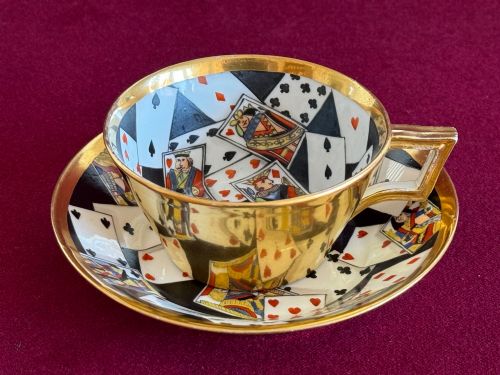
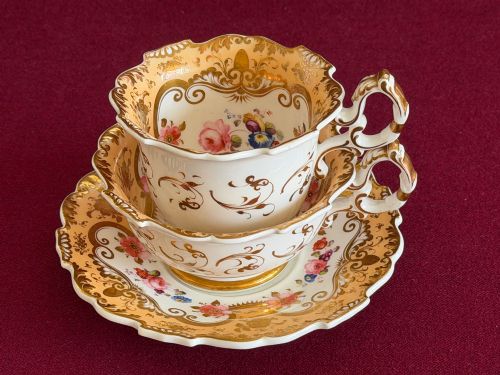
Gilding and gold leaf accent borders and handles on finer cabinet pieces, whilst ironstone and caneware provided robust alternatives for daily utility. Enamel colours were applied over the glaze and fired in small kilns to achieve permanence.
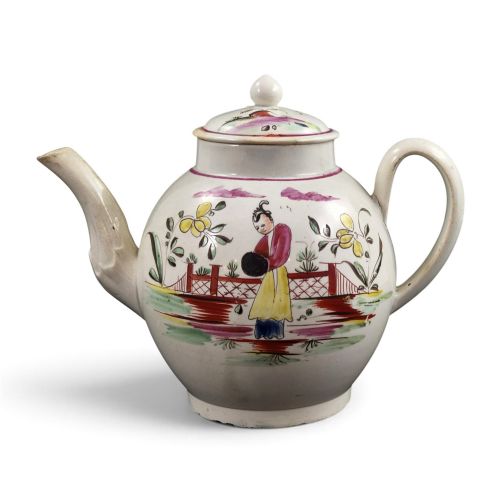
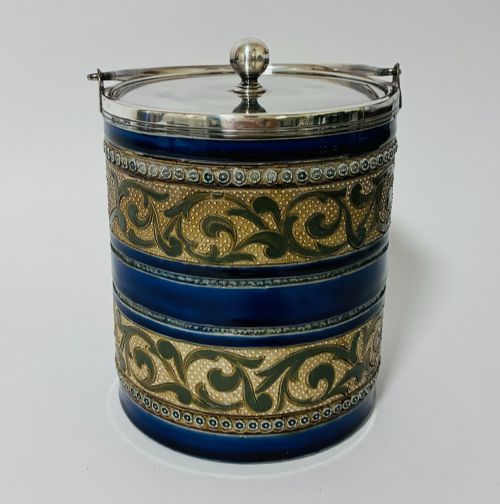
Listings feature eighteenth and nineteenth century ceramic forms spanning tea canisters, sugar bowls, and cabinet trios.
Judging Quality
Differences in quality stem from the precision of the throwing, the purity of the ceramic body, and the hand-painting skill demonstrated in the enamelling. Earlier eighteenth-century porcelain exhibits translucency and careful potting compared to heavier nineteenth-century ironstone.
The sophistication of the palette and the crispness of transfer-printed outlines separate standard domestic wares from fine cabinet porcelain. Decorated pieces with intact gilding and well-preserved overglaze enamels retain greater visual clarity.
New Hall Porcelain·Spode Porcelain·Derby Porcelain·Leeds Pottery·Dr Wall Worcester·Coalport John Rose·Minton Child·Mintons
The Antique Tea Ceramic Glossary
- Creamware
- A refined light-coloured earthenware developed in the eighteenth century with a yellowish lead glaze. Josiah Wedgwood perfected this ceramic body for affordable domestic tableware.
- Caneware
- A stoneware body resembling the colour of bamboo or unpolished cane, popular for neoclassical teapots. Spode utilised this dense ceramic material during the late Georgian period.
- Teacaddy
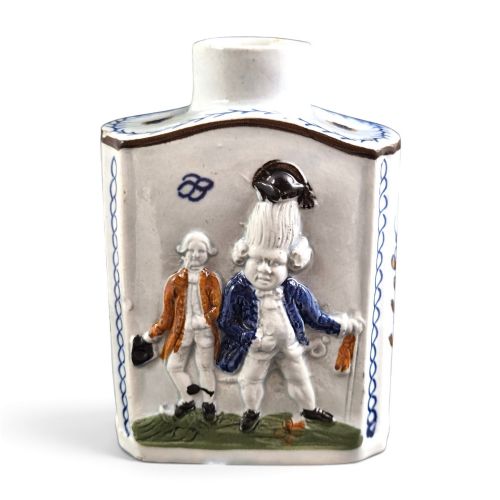
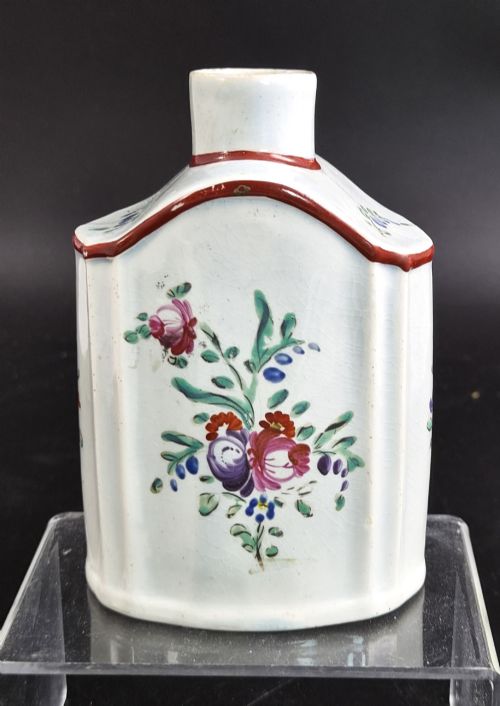
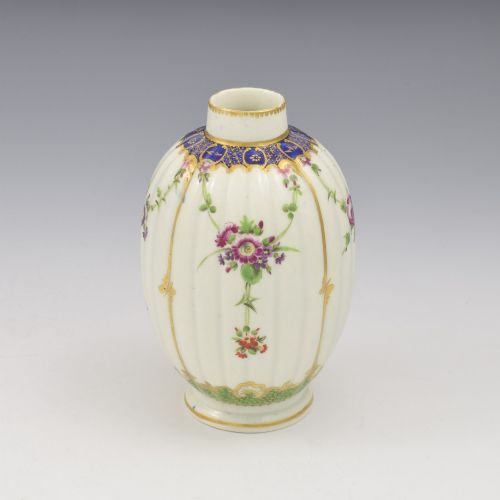
- A small lidded container used to store dry tea leaves before brewing. These vessels frequently feature floral enamels or blue and white motifs.
- Sucrier
- A covered vessel designed specifically to hold sugar during tea service. These match larger tea sets from the Regency and Victorian eras.
- Transferware
- Earthenware or porcelain decorated by applying a printed design from a copper plate onto paper and then onto the ceramic surface. This technique allowed intricate blue and white patterns to be produced consistently.
Antique Tea Ceramic: Frequently Asked Questions
How do I identify Dr Wall Worcester?
First period Worcester porcelain from the Dr Wall era often displays crescent marks or simulated Chinese characters on the base. The paste usually shows fine greenish translucency when held to a strong light.
Decoration frequently includes blue scale borders, hop trellis patterns, or hand-painted exotic birds. These eighteenth-century pieces demonstrate precise potting and controlled underglaze blue painting.
What is Chinese export porcelain?
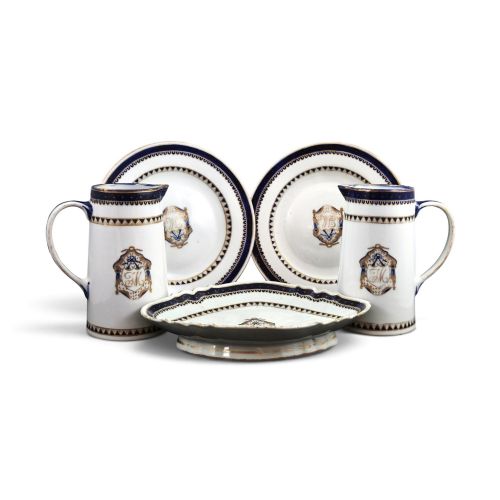
Chinese export porcelain refers to ceramics manufactured in China specifically for European markets during the seventeenth and eighteenth centuries. These items combined traditional Eastern manufacturing techniques with Western shapes and armorial crests requested by buyers.
Cargo recoveries and familial service commissions represent common survivals within this category. The hard-paste bodies carry famille rose or blue and white designs tailored to Western interiors.
How were antique tea canisters used?
Tea canisters held precious tea leaves securely under lock and key in a tea chest during the Georgian period. Servants or hosts measured out leaves using spoons before brewing water in the kettle.
These small containers protected dry leaves from dampness and culinary odours in the home. Many survived independently as decorative cabinet objects due to their painted botanical and oriental scenes.
What is creamware?
Creamware is an earthenware body perfected in Staffordshire during the eighteenth century, known for its pale buff or warm cream tone. It provided a durable, lighter alternative to heavier salt-glazed stonewares.
Potters decorated creamware with hand-painted enamels or early transfer printing. Its smooth surface accepted coloured glazes readily, making it popular for domestic teapots and tableware.